Have you ever been to a restaurant that looks nothing like the modern restaurants in the busy streets of big cities but more like grandma’s house or an ancestral house situated in residential and quiet place?
There is one Curry restaurant in Koga, Fukuoka Prefecture, Japan, that we always frequent to.
The Restaurant
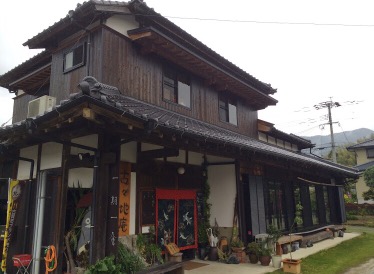
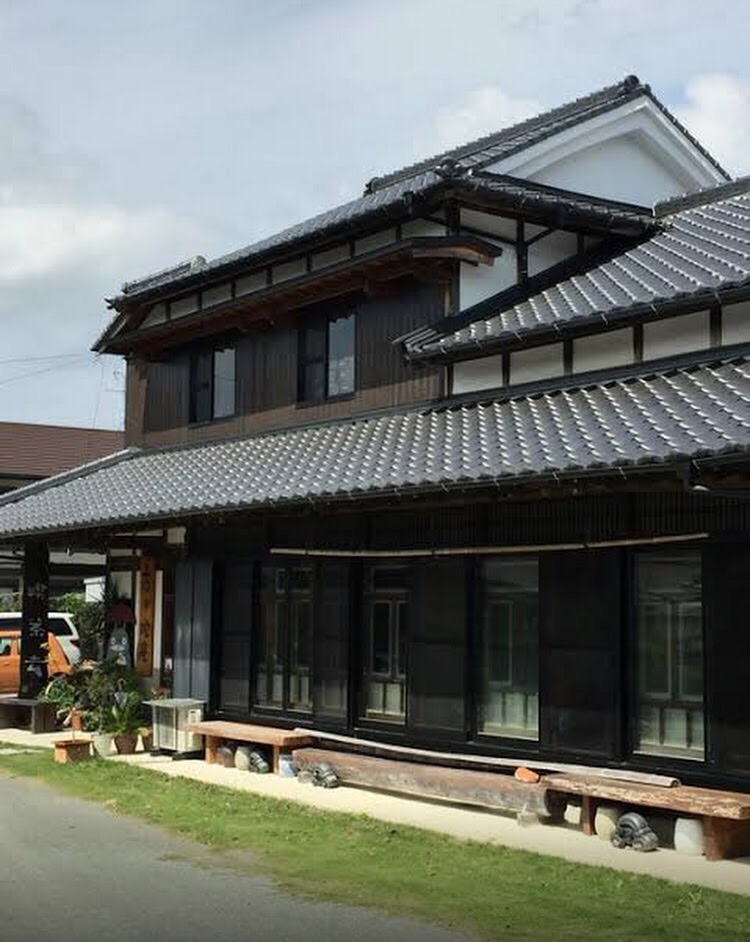
The restaurant’s name is 古々地庵 read as Kokojian. It specializes on Indian curry. The restaurant building is actually an old Japanese house.
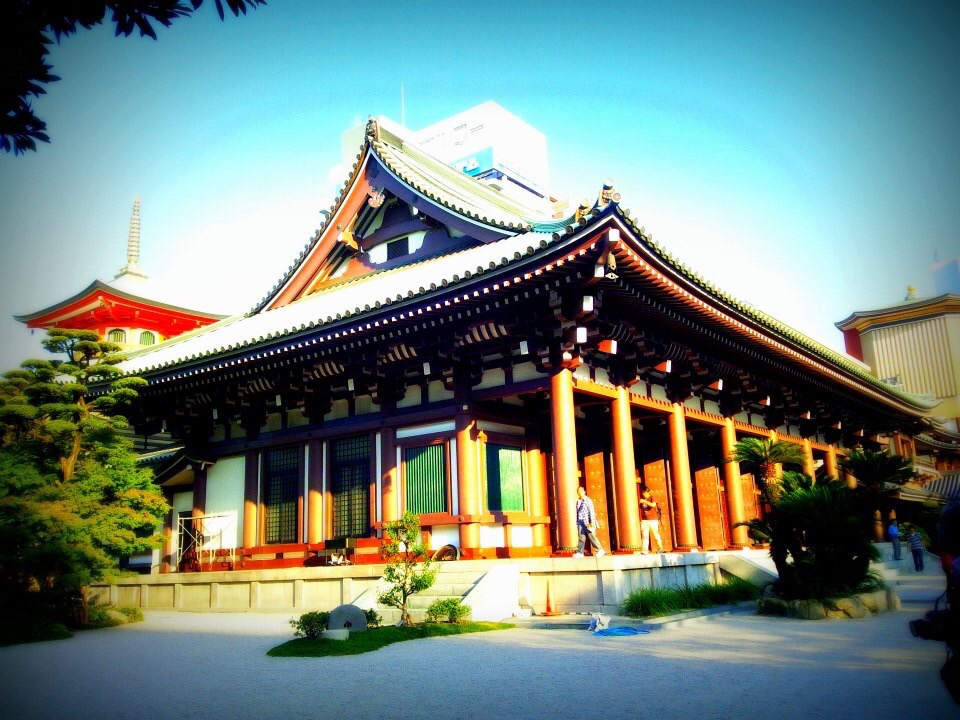
Below are pictures from outside the building.
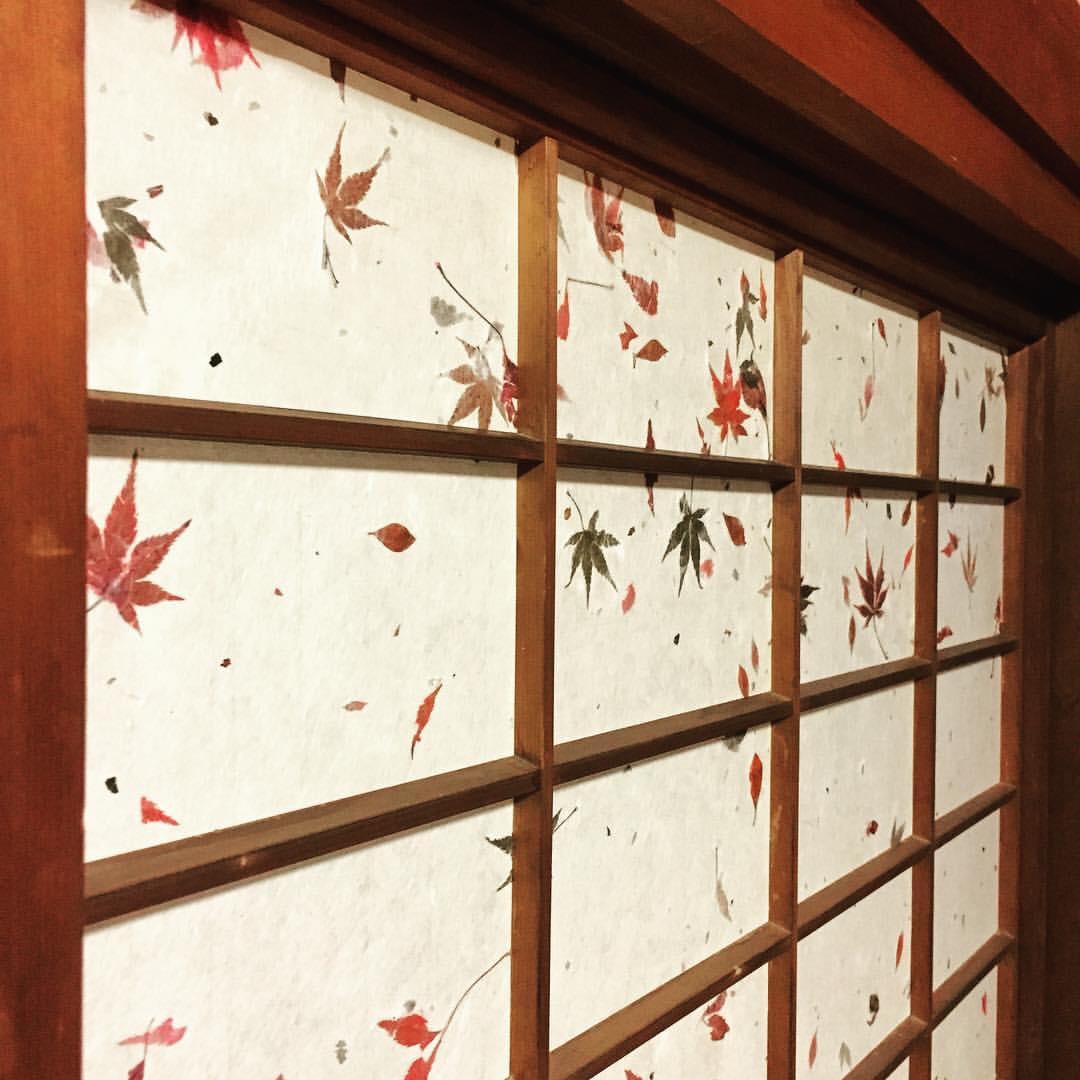
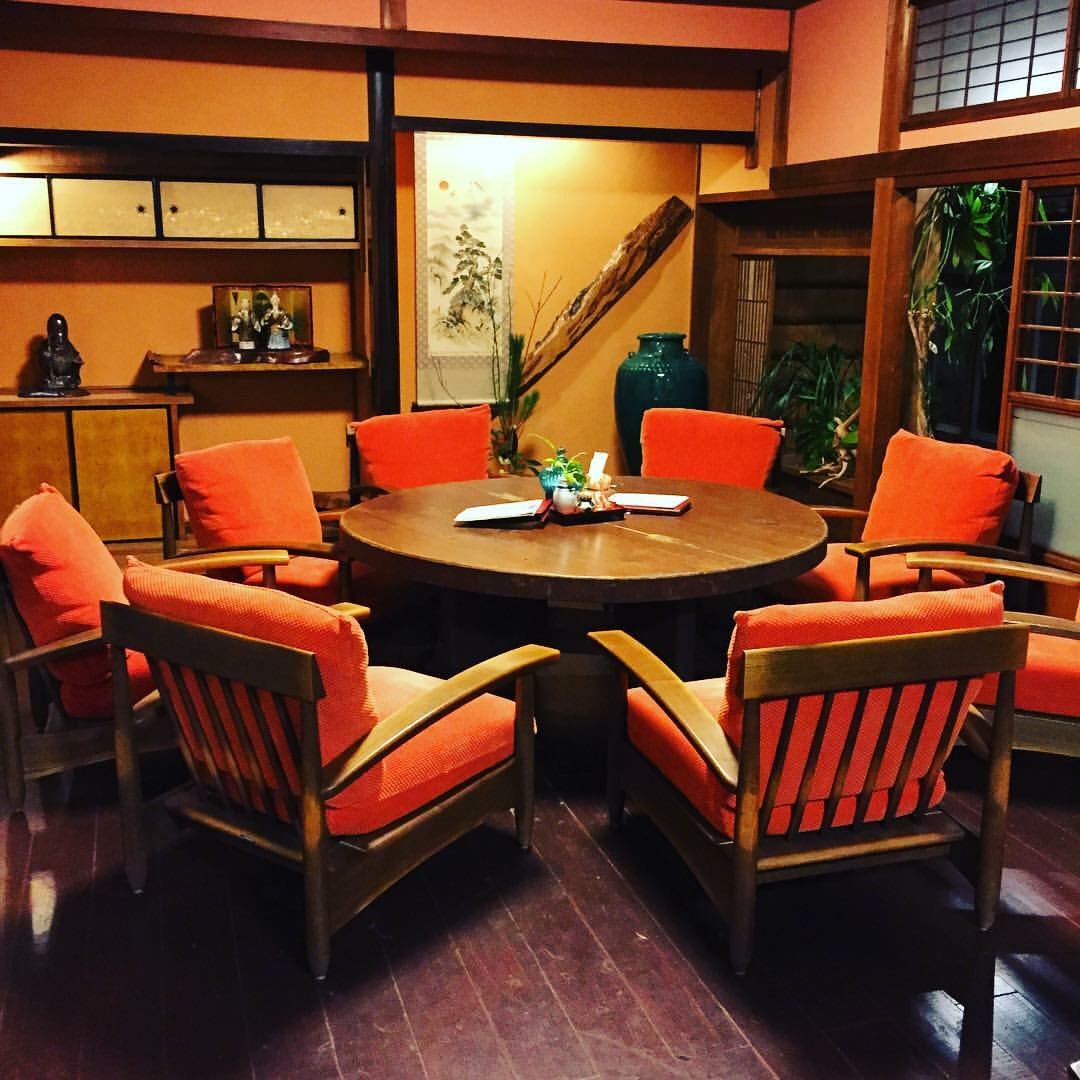
Inside the house turned into a restaurant, you can see the Japanese sliding door on your left that leads to the main serving area.
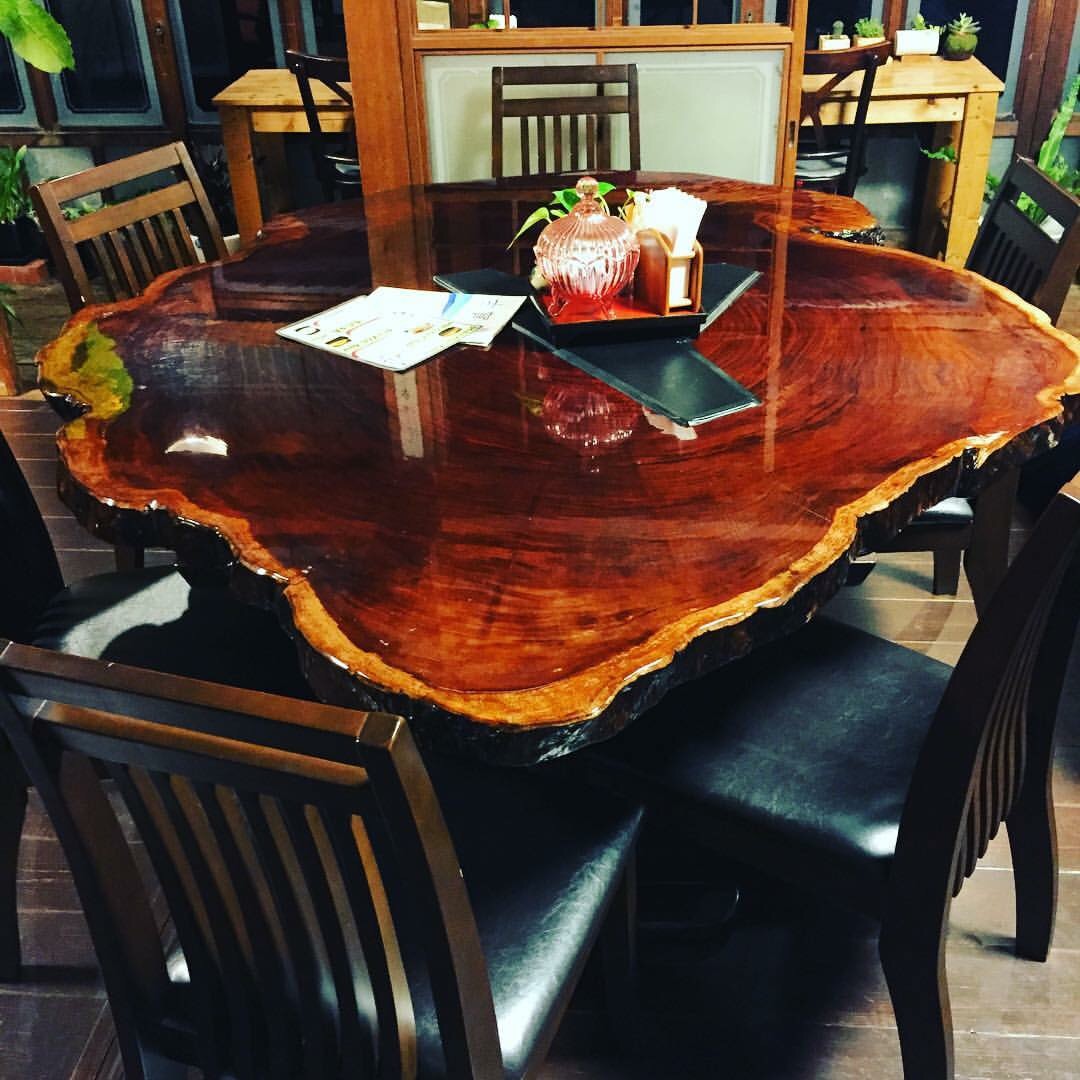
Below is one of the rustic tables that will greet you once you enter the serving area.
The biggest table that will catch your attention.
There are still many other things that will fill your eyes once you visit this restaurant.
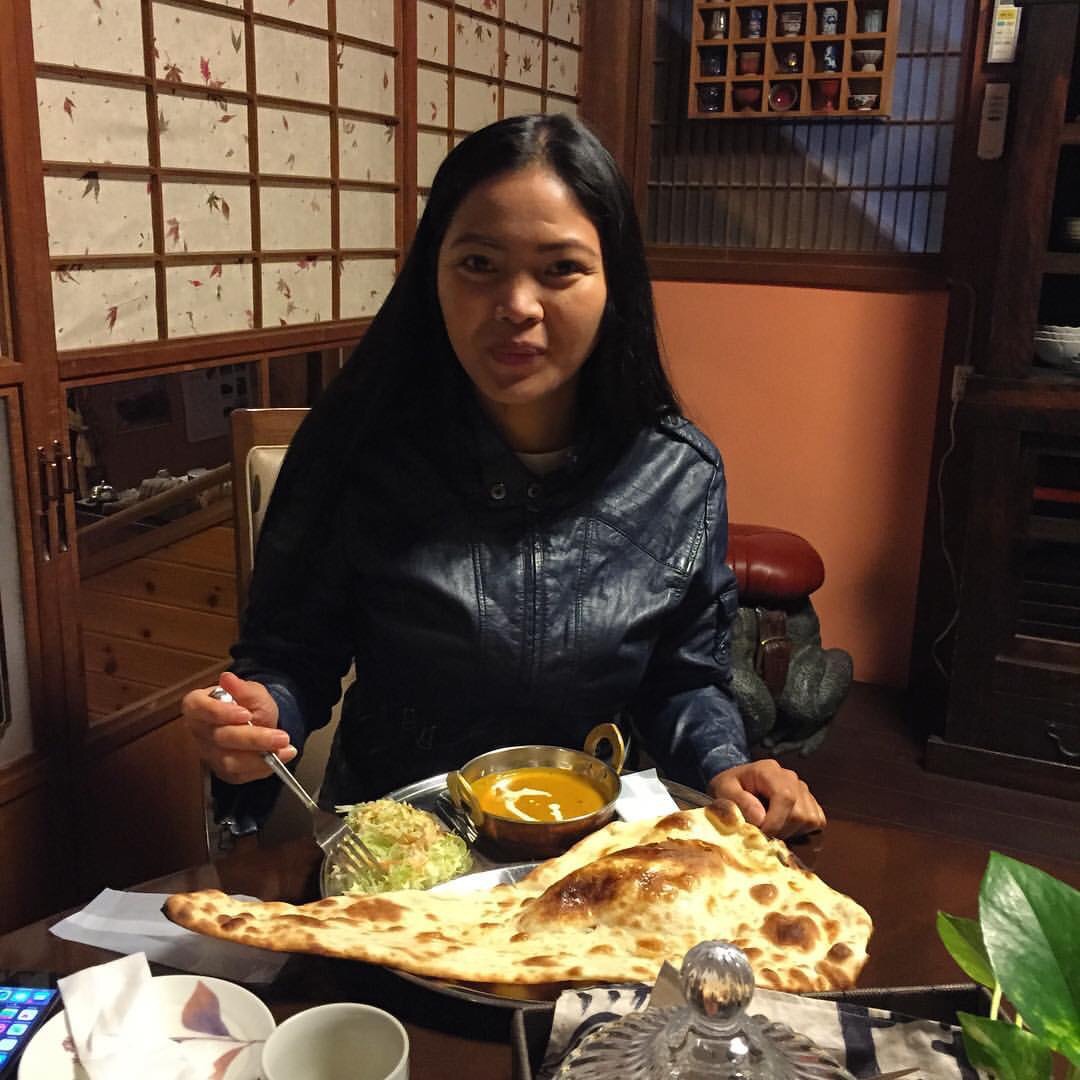
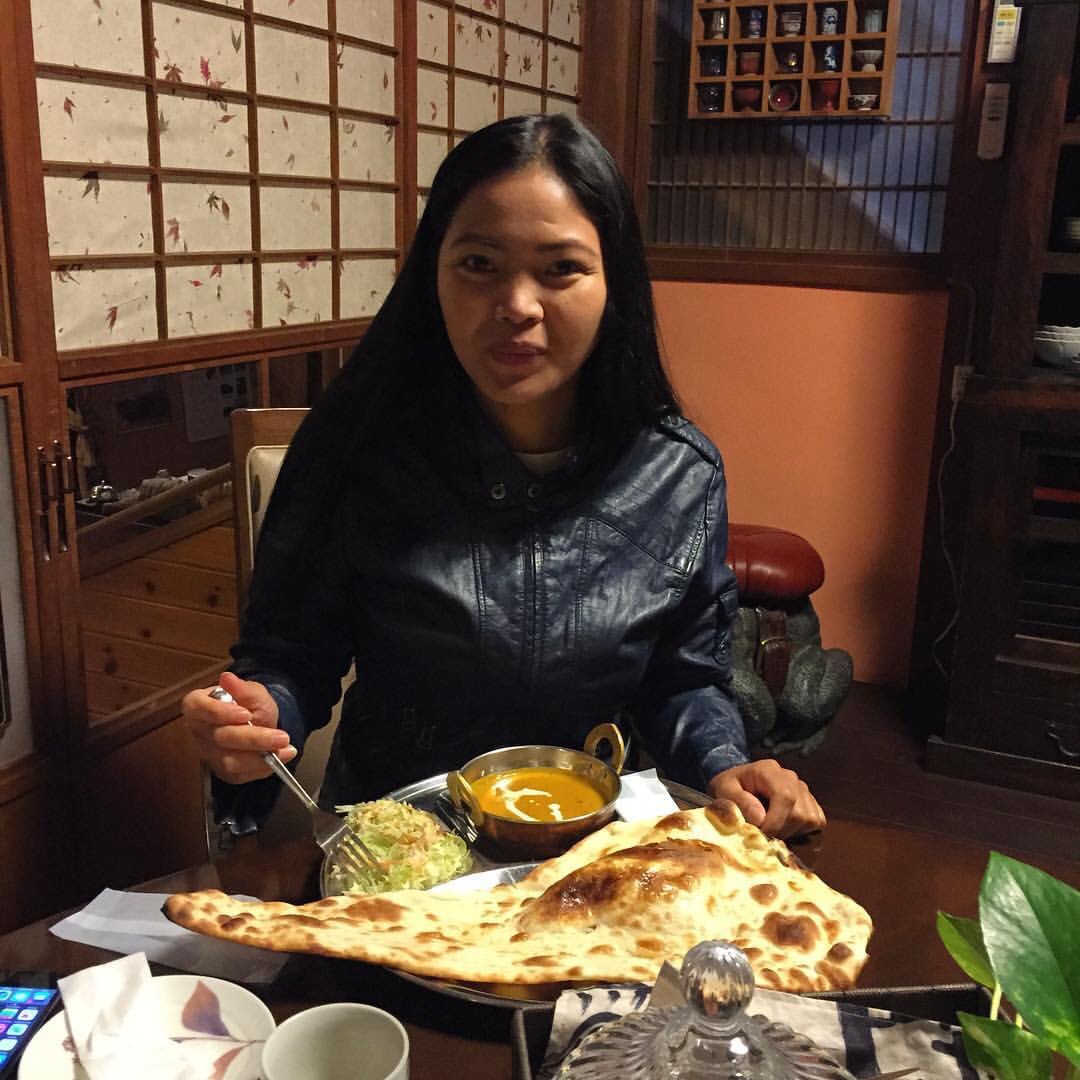
The best part of it is to enjoy their delicious Indian curry.
You can enjoy eat-all-you-can Nan or cheese nan. You can also choose the level of spiciness from 3-10 stars.
Are you a vegetarian? ‘Coz I’m not. I eat meat. And my favorite is pork. I love sinigang (pork in sour soup), adobo (pork cooked in soy sauce and vinegar), meatballs, porkchop, menudo, pork steak…Oh! Naming these dishes makes me wanna eat again.
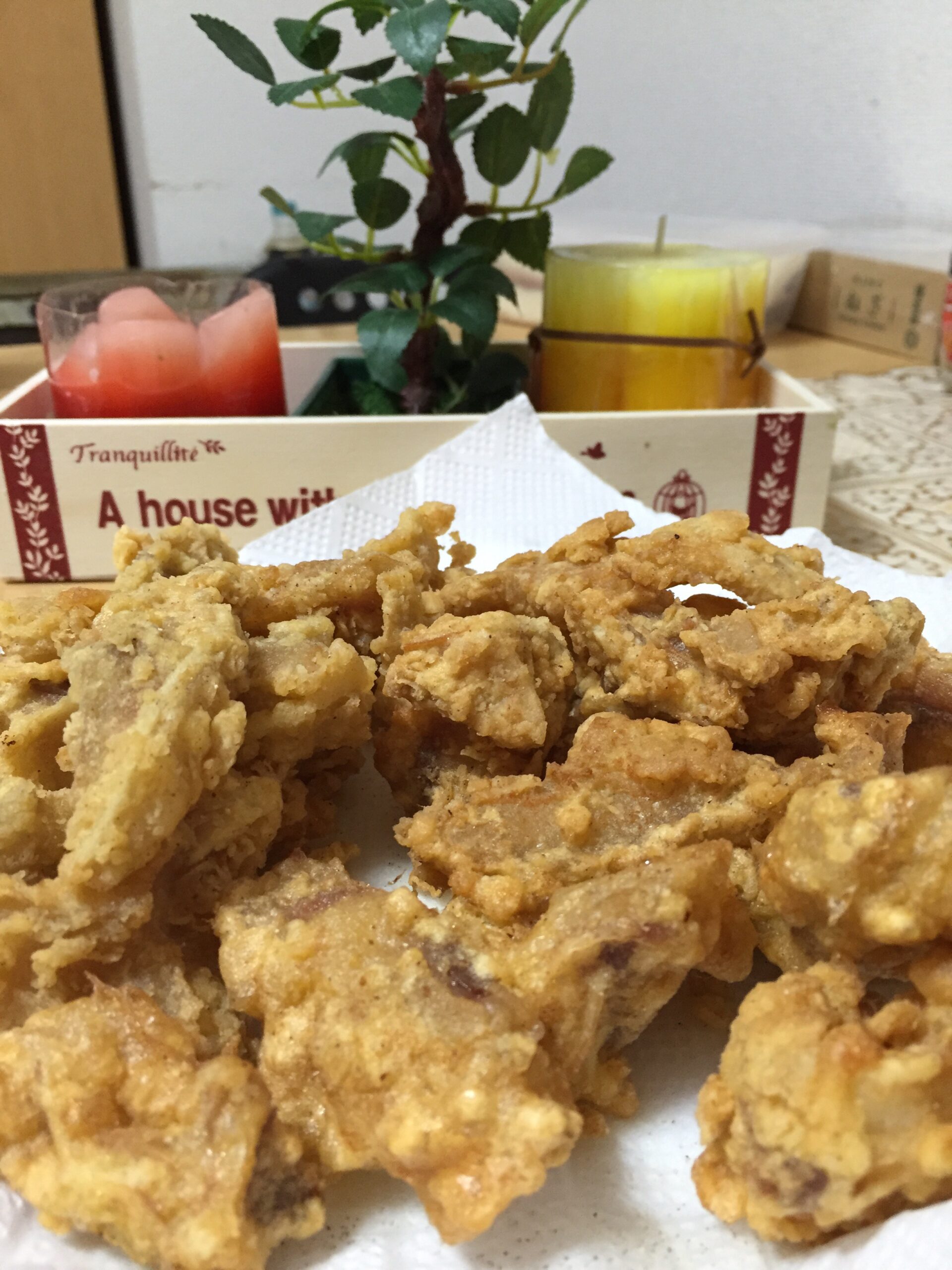
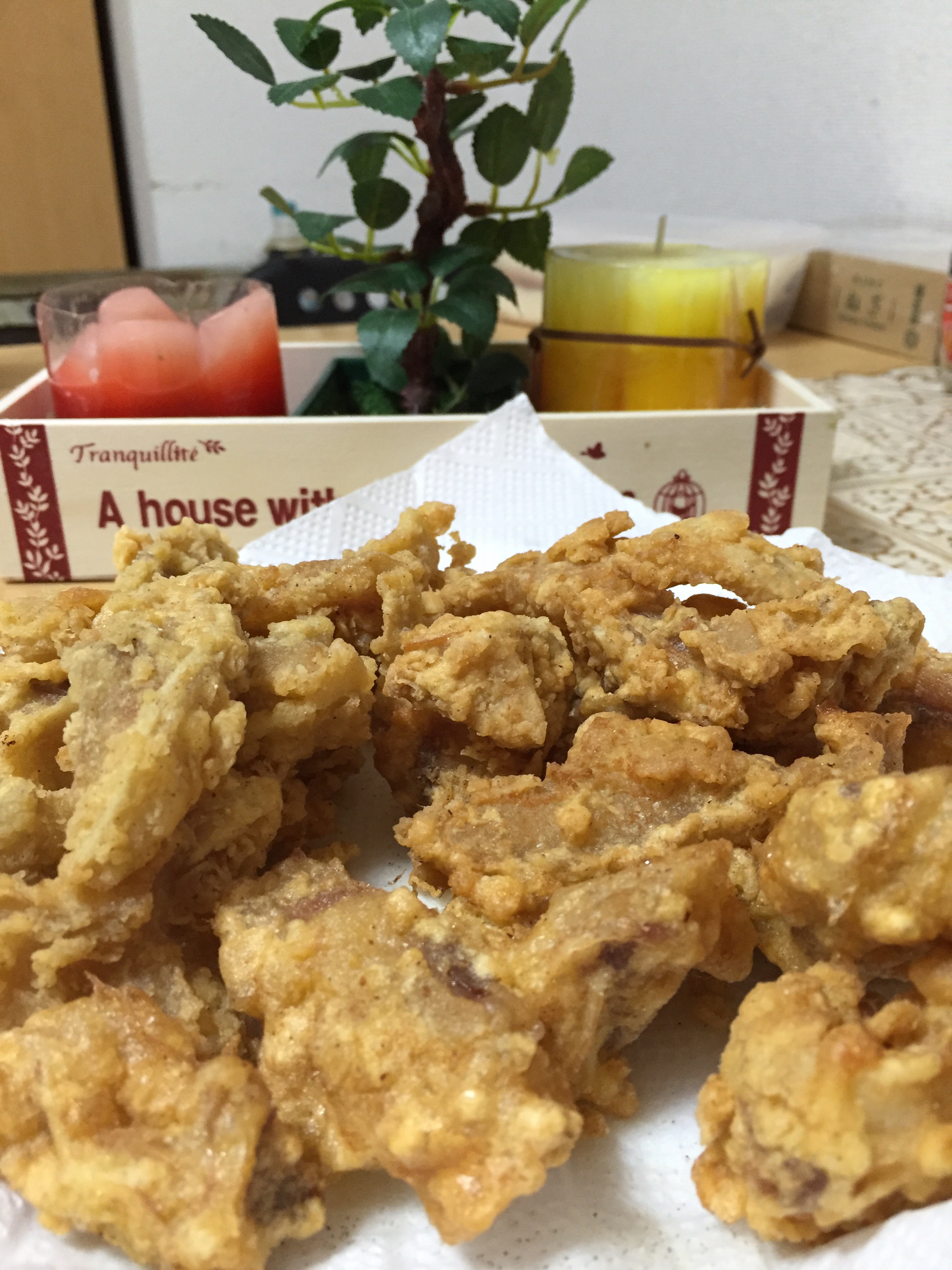
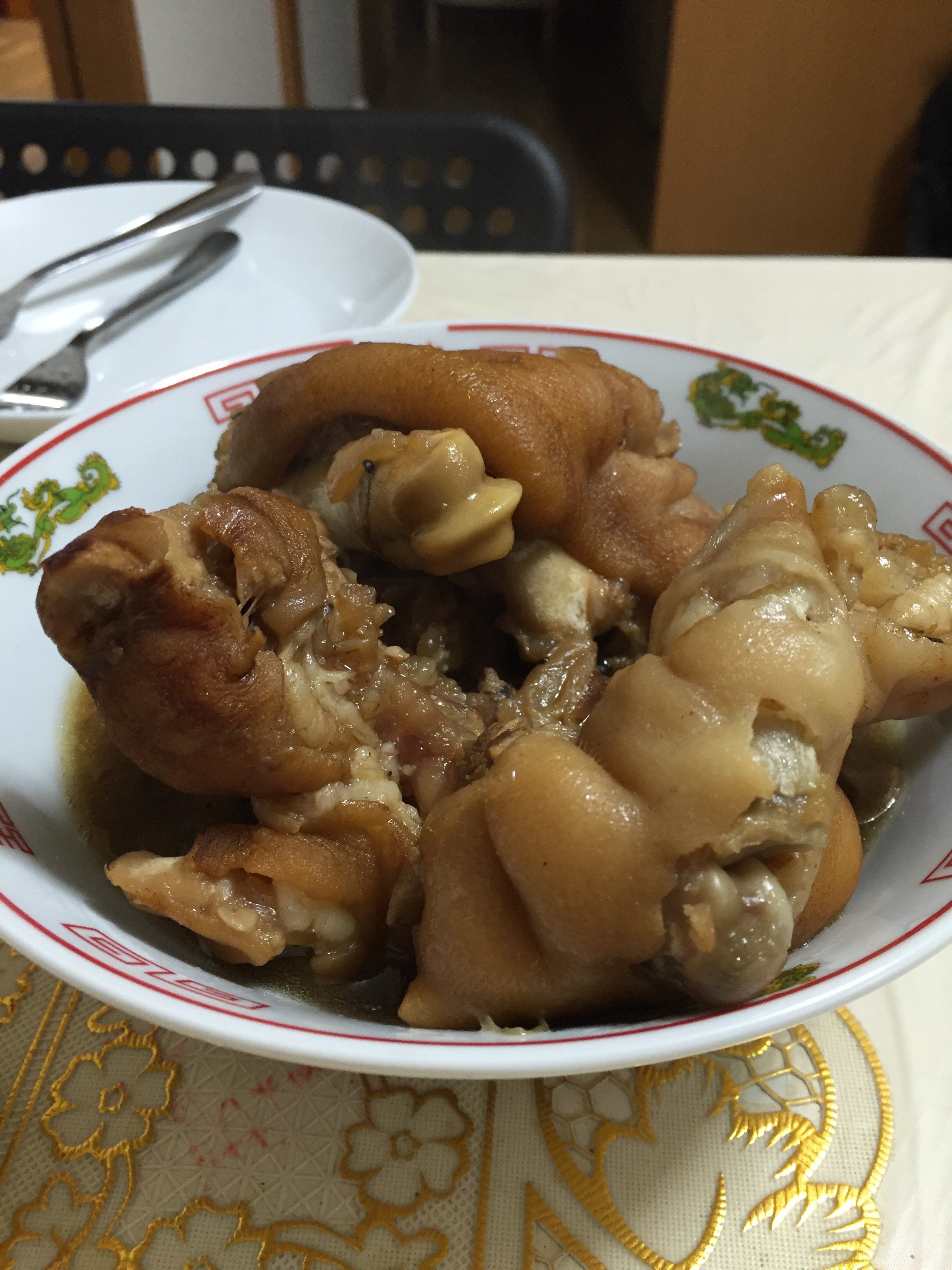
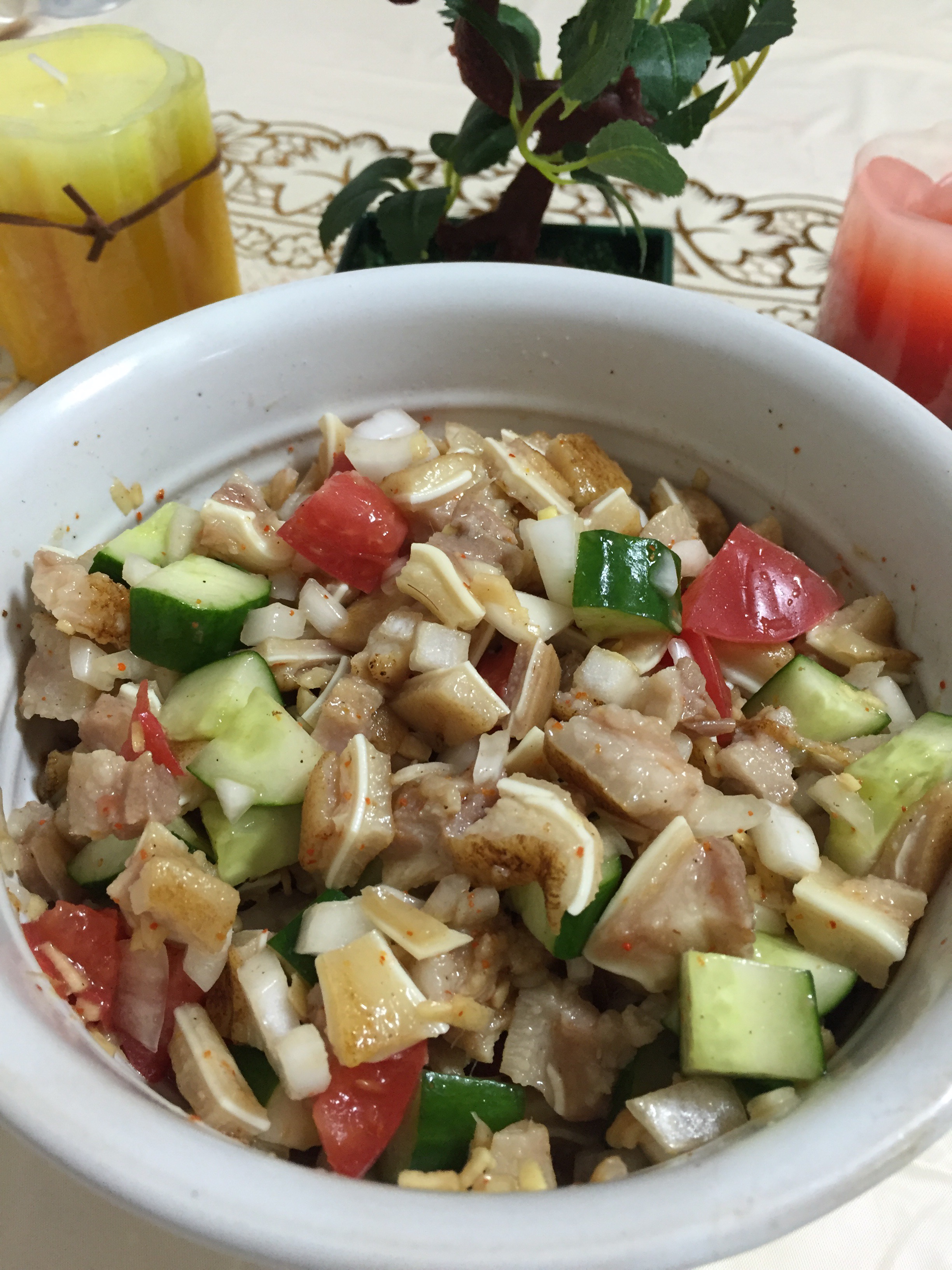
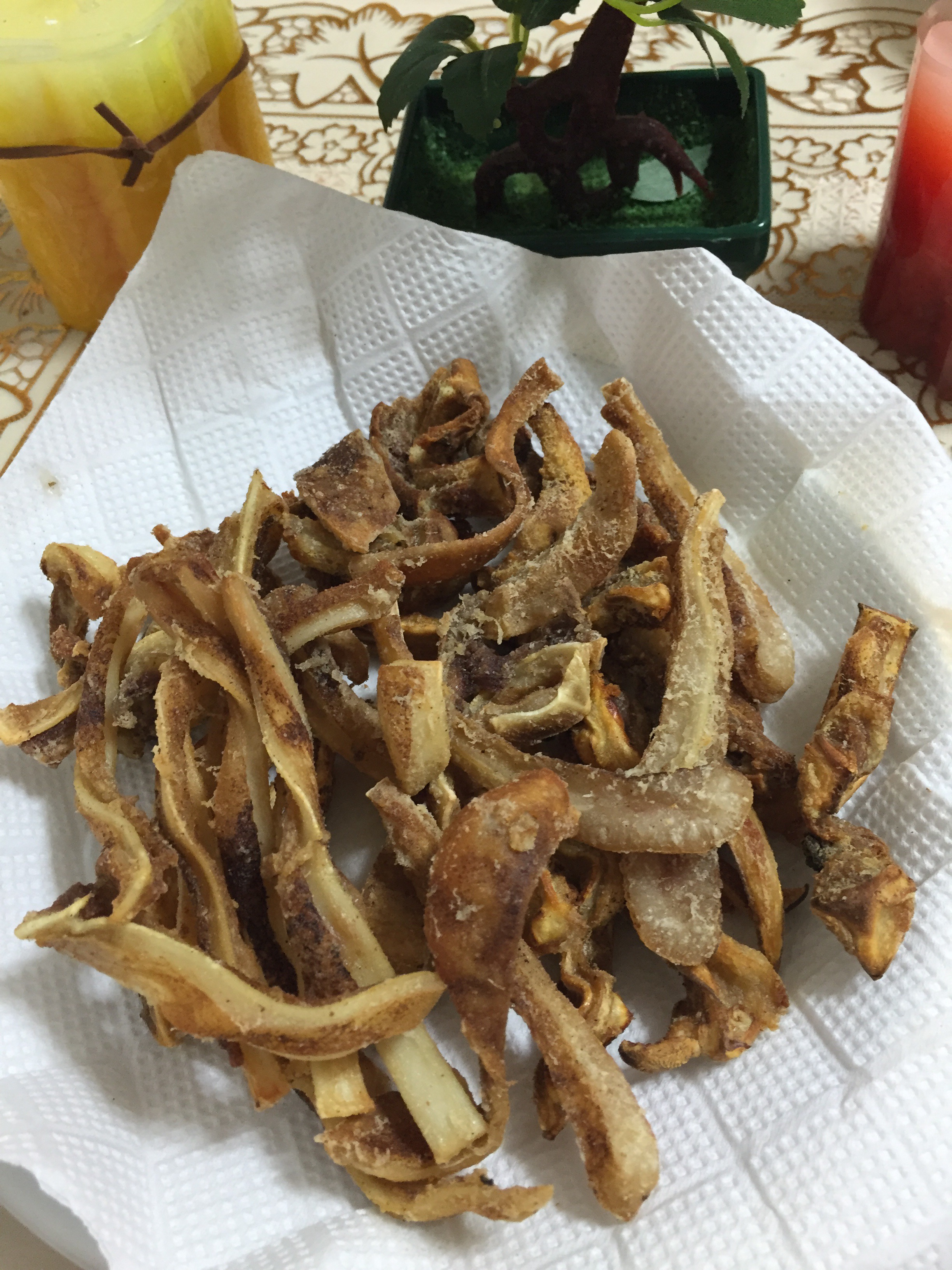
Below are some of the (not so common) pork dishes I love to eat. These may not appeal to you but if you’re interested how to make it just comment below.
The world is celebrating fathers’ day. Messages and pictures are flooding the Facebook timeline.
Almost everyone is telling that they have the best father in the world. That they are happy and thankful to have them in their lives.
Some of the messages are not at all an expression happiness nor gratitude. Some expresses regret and longing.
Those messages are from the people whose fathers are not anymore in the physical world.
They’re gone. They’re missed.
And I’m one of those people.
If only I could turn back time, I would spend more time with my papa. I would talk to him. Ask him questions about his younger days. About his life. His struggles and successes. Everything. Anything.
I miss my papa.
In my whole life, I only hugged him once. That was the first and last. And that was the last time I saw him alive. That was the last goodbye.
So, to all of you whose fathers are still alive, go and tell them you love them. Don’t just post on Facebook. Go to them. Give them a hug. Talk to them. Ask them questions. Not just on Father’s Day. Make every day special because nobody knows when they will be gone…forever.
Wedding is one of the most celebrated events in one’s life all over the world. It is interesting to note that saying “I do” and the intricate details of getting married may be the same, slightly different or the complete opposite in one culture from another culture.
tickera.com
In this article, we will talk about the wedding cultures in Japan and the Philippines. Being a Filipina living in Japan for few years now, I am confident to say that I can at least share to you a little knowledge about this matter straight from my own experience. Some of it you may already know and some may surprise you. Some might make you feel glad that you are born Japanese or Filipino or the other way around.
Japan
Getting married in Japan is very practical and let me say very realistic. Let me enumerate them one by one.
1. Getting married in the city hall.
A couple can get married officially by going to the city hall and file a report of marriage. All you need to do is fill up a form where two witnesses sign, submit a paper proving you are eligible to get married, some pertinent documents like family register and that’s it. Once you submit these documents, get a marriage certificate, you’re officially married. This is the only way to legally get married in Japan. The marriage date is when you submit the papers.
2. Wedding ceremony.
It is a common practice for Japanese to have a wedding ceremony after the official marriage in the city hall. The ceremony can be traditional or western style. This is when the couple with their families invite relatives and friends to celebrate with them.
3. Wedding clothes
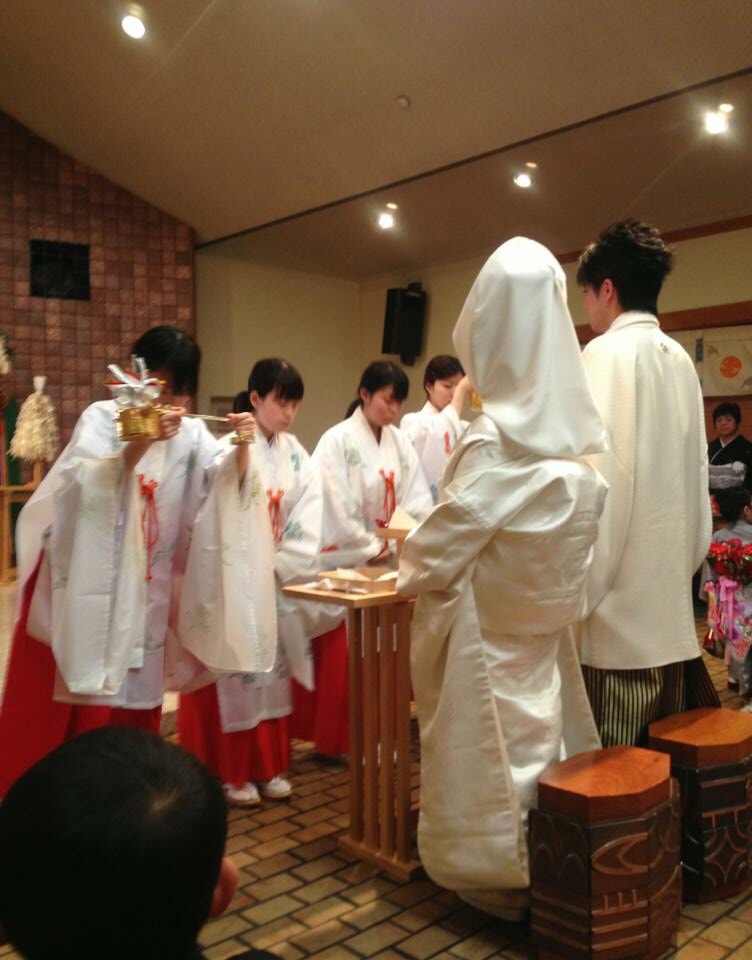
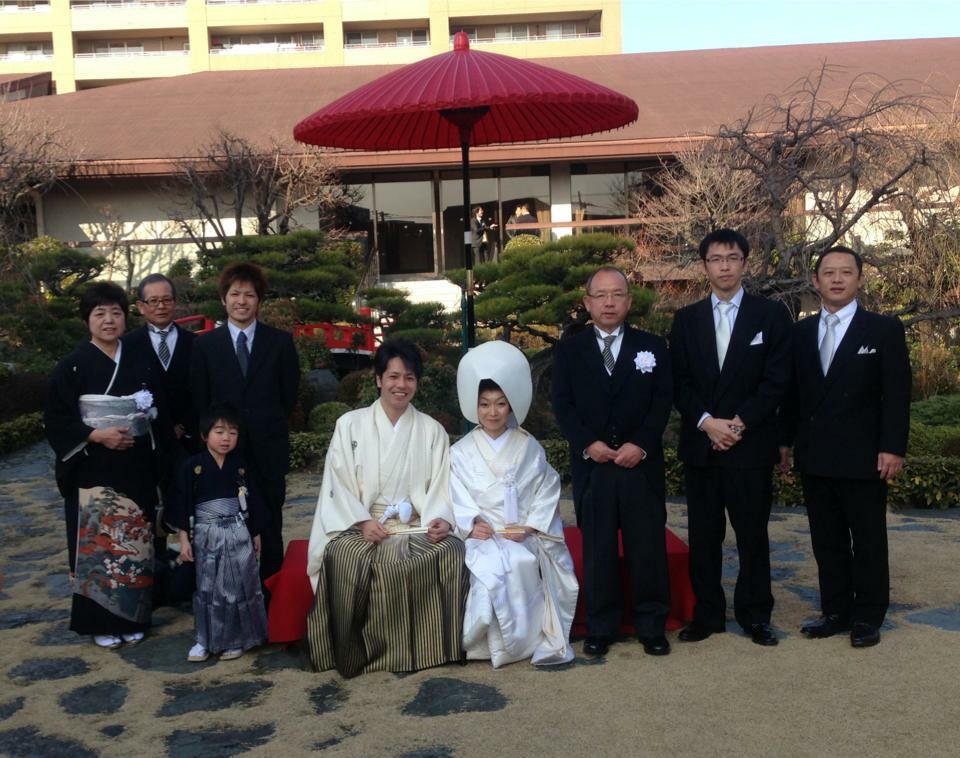
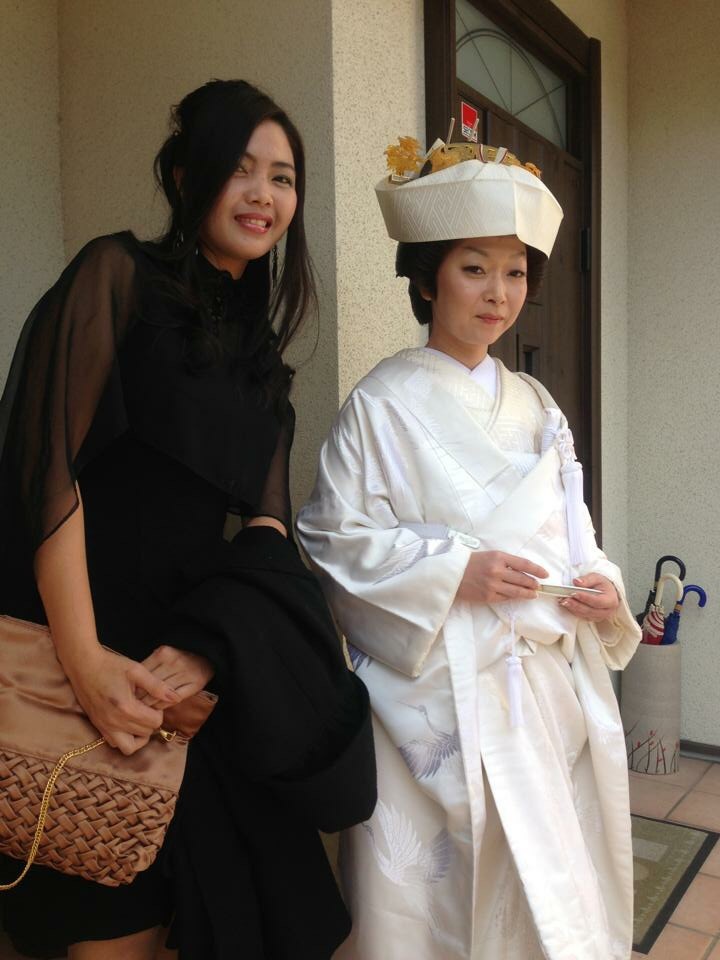
In a traditional Japanese wedding, the bride and groom wear the traditional wedding clothes. A black montsuki kimono and hakama for the groom and white shiromuku kimono for the bride. The couple also change attire to a more western style during the reception. Some brides get to change to three to five different gowns during the wedding party.
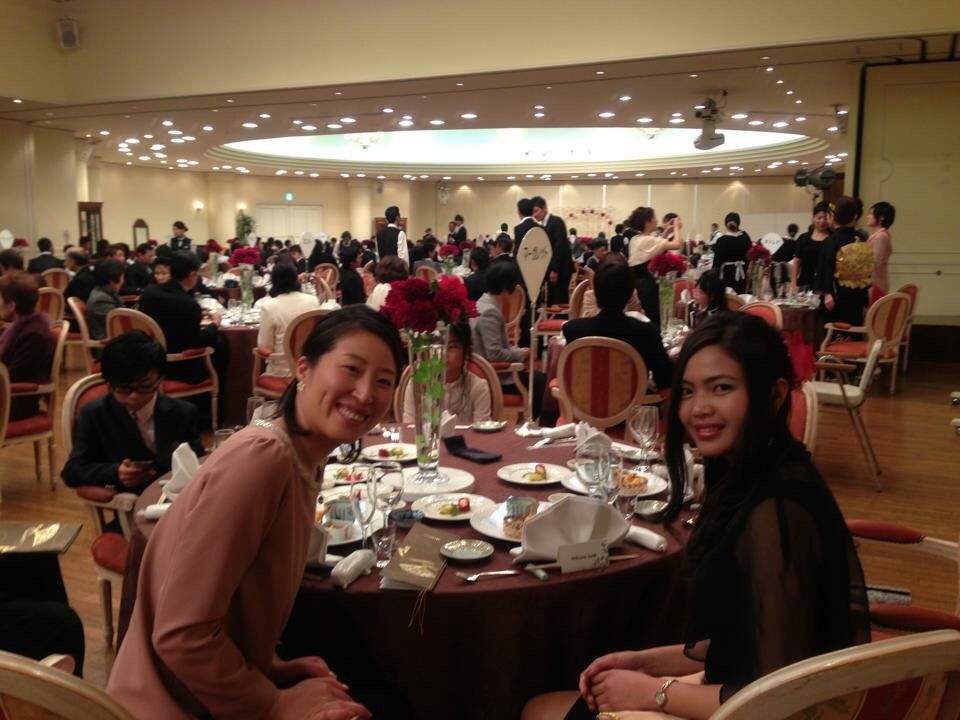
The guests usually put on a formal wear, usually dark colors. It is not uncommon to see guests wearing black dresses.
4. Money gift
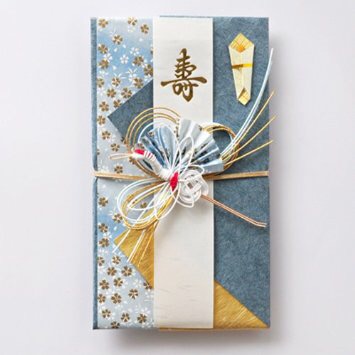
money envelope
This part of the wedding culture of Japan make a lot of foreigners’ eyes bulge and mouth utter a big “WHAAT?!” in surprise. In Japan, all invited guests, even family, will have to give a certain amount of (big) money to the newly wed. Immediate family should give the largest amount of money, especially the eldest sibling, usually up to ¥100,000. or more and friends should give at least ¥30,000. This money will help the newly wed cover for the wedding expenses. A very good idea, isn’t it?
5. Wedding Souvenirs
Wedding souvenirs in Japan are not just ordinary cute display. Couples usually give their guests something that can be used at home like kitchen wares. On the first Japanese wedding I attended, I got a set of three ceramic food containers. It’s so awesome. In another wedding, we got a half dozen of glass.
6. Wedding party
Wedding party does not end at the reception. They usually have a nijikai, an after party or a second party. Others even have sanjikai, a third party. Guests, especially the young ones go to clubs or karaoke and drink like there’s no tomorrow.
Philippines
Marriage in the Philippines can range from the very simple mass wedding, where many couples are wed at the same time, to the very elaborate grand wedding.
1. Pre-marriage preparation
gmanetwork.com
Getting married in the Philippines traditionally starts in a pamanhikan. This is when the man and his parents go to the woman’s house and ask permission to her parents to marry her. There is a small celebration and eat together during this occasion. In a very traditional family, there is a so-called dowry. It is the money and/or precious gifts given by the man’s family to the woman’s family as a symbol of gratitude. But, nowadays, pamanhikan and dowry are slowly disappearing.
Before a wedding ceremony can take place, a couple must secure a marriage license from the city hall, and undergo a pre-cana seminar, a seminar required by the Catholic church. Another pre-marriage preparation that is trending recently is having a pre-nuptial photoshoot. Unbelievably, Filipinos spend so much money for this photoshoot. Blame it to the social media and the photo fanatic society.
2. Wedding ceremony
youtube.com
Eighty percent of the Filipinos are Roman Catholic, so most prefer to have a church wedding , although a couple can also have a civil wedding less the hassle of submitting a bunch of requirements for a church wedding. Both church wedding and civil wedding are legally recognized.
There are so many superstitious beliefs that surround a Filipino wedding ceremony. You might as well do a separate research for this. A church wedding is a mass with the traditional ceremony including the lighting of the candle, putting on veil, putting on cord, and passing of coins, each with a specific meaning.
3. Wedding clothes
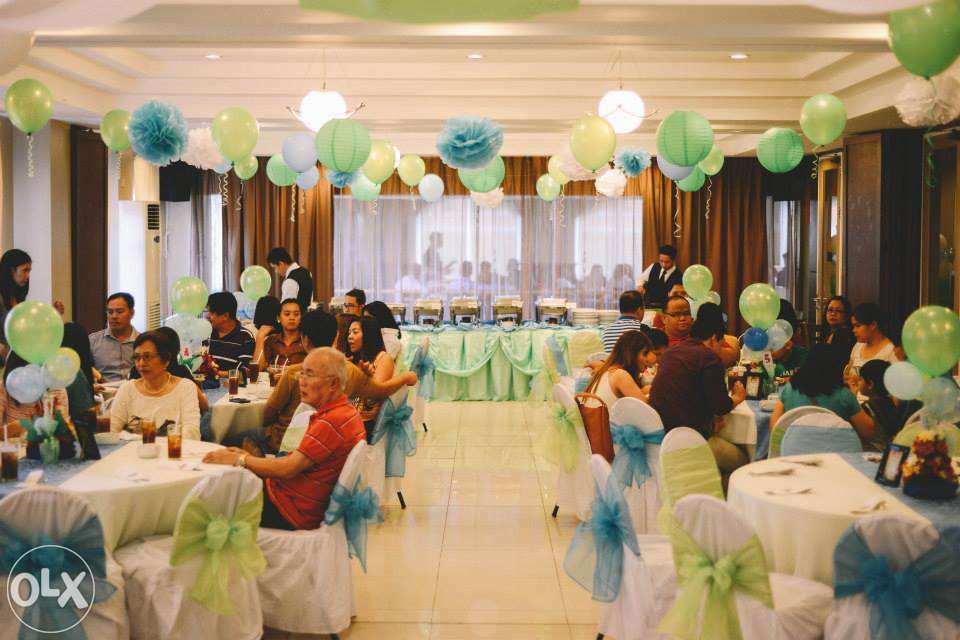
White wedding gown is the usual trend among Filipino brides matched with tuxedo for men. It is also common for men to wear barong tagalog, the traditional costume for Filipino men. A color motif is also a tradition in Philippine weddings. If the color motif is light green, everything should have at least a touch of light green, from the entourage’s clothes, guests’ clothes, reception decoration, cake, invitation card, and everything in between.
4. Money dance
forumbiodiversity.com
This is one tradition that has been passed from generations to generations. In some point during the wedding party, the newly-wed will have their first dance as a married couple and while they are dancing, guests will pin money on their clothes. The relatives of the groom will pin on the bride’s clothes and the bride’s relatives pin on the groom’s. The money collected will serve as a gift to the couple.
5. Wedding gifts
The newly-wed receives gift from the guests. It can be as big as a washing machine or refrigerator or as small as a dozen of spoons. There is a part in the wedding party where couples open the biggest and the smallest gift.
6. Wedding party
olx.ph
Wedding parties in the Philippines can be classified into two types. One is held in a commercial place like restaurant, hotel or resort. The other one is in the residence of one of the newly-weds (usually the bride’s). People in the city usually have their wedding receptions in commercial places and pay large sums of money for a specific number of guests. On the other hand, people from the countryside prefer to have the reception in their house and most of the neighbors (the entire community) take part in the celebration.
Contrasting Points
Wearing black dress in Japan during a wedding celebration is alright but never in the Philippines. It is considered as a sign of disgust and sadness.
Filipino guests don’t have to give money gift to the newly-wed like in Japan, instead, material gifts are given to the couple which are commonly household items to help the newly-wed in their start of a new life together. Rather, the newlywed can receive money through money dance.
One of the many interesting things you’ll learn from living abroad is that you get to know the foreign country’s culture and your own culture more deeply as well.
You are coming to Japan. Or maybe you are already here. Not as a temporary visitor but for a short-term stay. Maybe you are a student or a contract worker. You need to learn some Japanese. Hurry! Your mind said. You start grabbing a paper and pen ready to scribble some Japanese characters. You search the Internet for Japanese lessons. Perhaps for the first days you are so enthusiastic and excited to learn and use the language, but as soon as you realize that it’s not a straight, paved road to success, you start dwindling down like an old yellow leaf of a Ginko tree.
What to do? Here are some advice I extracted from my years of experience learning the Japanese language.
1. Enroll in a Japanese language school.
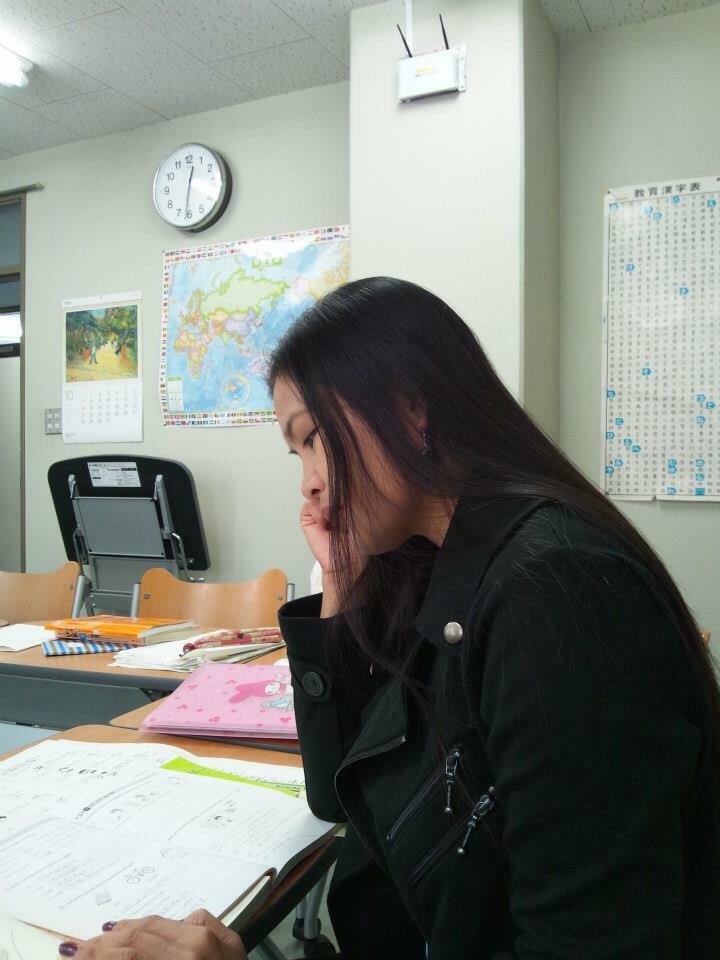
If you want to (really) learn, go to school. Of course you can study on your own and avoid spending money on tuition, but, if you use your hard-earned money to pay tuition, there will be no reason for you to back out and quit studying when times get rough. You will make sure that you will get back every penny you spend by studying hard. Moreover, the classroom atmosphere will help you follow strict rules like attendance and submission of assignments, which, when you just do a self-study, can be easily neglected and disregarded. Most importantly, it is always better and fun to learn when you interact with teachers and classmates.
me in kyudai
2. Self-study
Wether you can afford a language school or not, self-study is not an option. It is a must! Most language schools offer classes only few times a week and this is not effective (that, if you want to learn the language fast). In order to learn a language, you have to do it everyday, at least for the first three months. It is always better to support your formal study with self-study. Even for just an hour a day.
3. Watch Japanese TV, animes, and movies.
asiatvforum.com
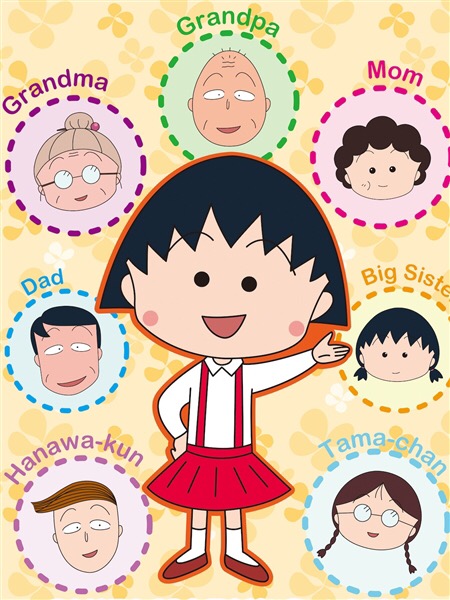
Sometimes, it gets so boring learning Japanese from a book. It makes your head heavy and full (of kanji) and you start to dazzle. Have a break (in learning from a book, but not in learning Japanese). Watch Japanese anime or a movie you like (with subtitles will help). Drama, comedy, action, horror. Japanese movies are great. Even Japanese pranks will help. Don’t worry if you don’t understanding everything that you hear. Listening is important. It is the basic of learning a language. You will certainly catch some words used in the movie you watch. By the way, my favorite anime is Chibi Marukochan 🙂
4. Find a language partner
language-exchanges.org
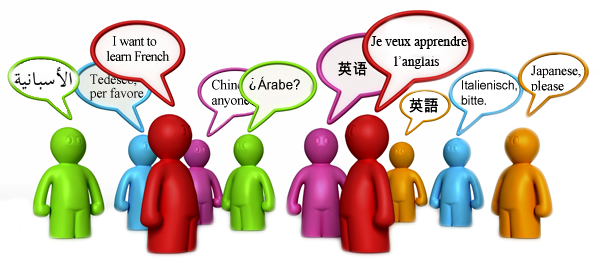
Language is not a language until you use it to communicate. So, while doing 1, 2 and 3 above, it is advisable to find a language partner who can help you practice what you are learning. When I was studying Japanese, I had my Japanese tutor who I met once or twice a week. She is a university volunteer and she likes to learn English, so it was a language exchange. If you have no Japanese friends or you are not in Japan, you can tap another friend who is also learning Japanese and you can set a ‘Japanese only’ time. And don’t forget that the world is in a web. Maybe you can find some in the chat room. Just always be careful about your privacy and be straightforward in the beginning that you just want to practice your Japanese.
5. Talk to the natives
The best of all the rest, talk to the natives. When you finally arrive in Japan, don’t be afraid to go out and use the language. Talk to the sales personnel, the station attendant, the waiters and waitresses. Even if you just speak a few words, Japanese will always admire you and say
“Jouzu”, meaning, you’re good! Join a club where the members are Japanese and try to talk to them. Be friends with them and spend more time with them (than your fellow countrymen). Immerse yourself in the language with the native speakers.
You can always disregard these advice if you don’t care about learning Japanese fast or simply you’re not interested to learn the language at all.
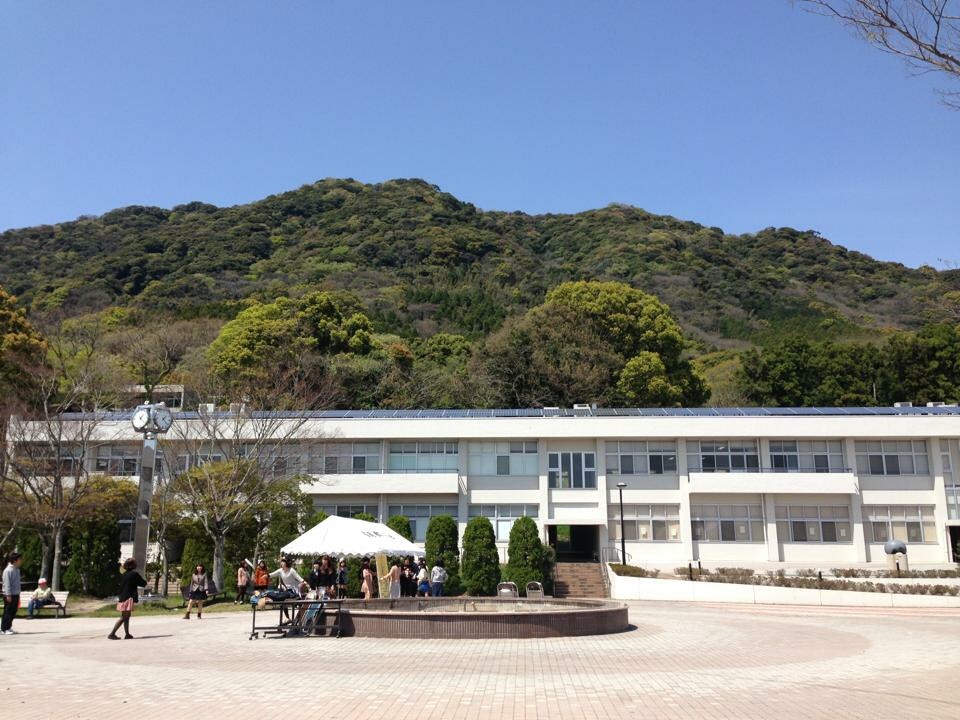
April 30, 2011. When I first came to Japan as a visiting relative. I stayed for a month with my sister and in that short period of time, I fell in love with Japan. I came back as a scholar on September 24, 2012, and studied for a year and a half. During my stay, I’m so enchanted with Japan that I wanted to stay in this country for good. So, I’m here, staying for almost four years now. I have my reasons why I chose to stay in Japan, and I think many can relate with me.
my university
5. Economic Advantage
tokyoezine.com
Japan is one of the top economic powers in the world. What I (financially) earn here (with lesser effort and work) is almost four times as much as I earn in my country. Although the cost of living is far different (it is so much cheaper in my homeland; Japan is expensive), with my earnings, I can provide myself more than enough, send money to my family back home and enjoy life without thinking so much of financial constraints.
4. Environmental Safety and Security.
welcomia.com
When I came here for the first time, I was surprised to see that there were no security guards in establishments (which is common in my country) and the policemen don’t have guns. There seems to be NO threat to security. The crime rate in Japan is relatively low. Japan was ranked as the safest country in the world in 2014 by the Organization of Economic Cooperation and Development (OECD). (You can read more about the crime rate in Japan here http://www.japantimes.co.jp/opinion/2014/01/25/editorials/crime-rate-dips-again-in-japan/).
http://coolgeography.com.uk/ In terms of natural calamity, we know that Although Japan is prone to earthquakes and other natural calamities, the buildings are built to stand against strong shake and the emergency information system is very apt and advanced that whenever there is heavy rain pour or earthquake, cell phones alarm and disseminate automated messages regarding calamity and safety. Moreover, it is very clean in Japan. No pollution. The environment is clean, safe and secured.
3. Spirit of Equality and Harmony
japantoday.com
In Japan, harmony is very important. Japanese people follow rules and try to avoid conflict as much as possible. They are very harmonious and very disciplined. They follow rules and always think of others. You can see that when they get on the train, when they take escalators, when they go to the restaurant, they always fall in line and wait for their turn. Here, there seem to be no rich and poor. No “untouchables”. Here, a politician is just a worker, like everybody else. Everyone’s equal. Japanese give importance to uniformity, too. You can see that in the way they dress. Very few, almost nobody wants to stand out with bright-colored, printed dress. Subtle colors are prevalent. Everything is just smooth and neutral.
2. Advance Technology
http://en.wikipedia.org/
japantimes.com.jp
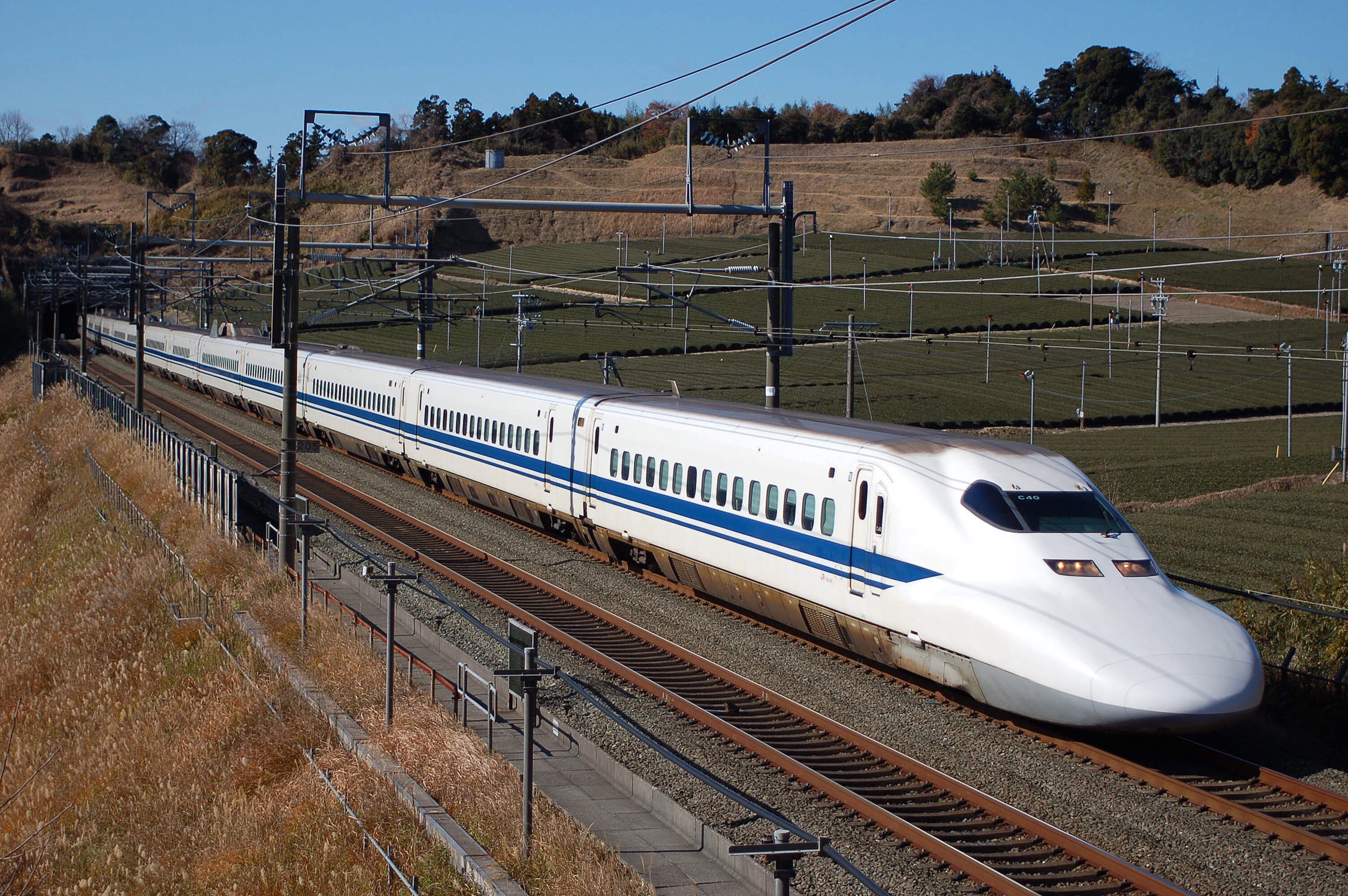
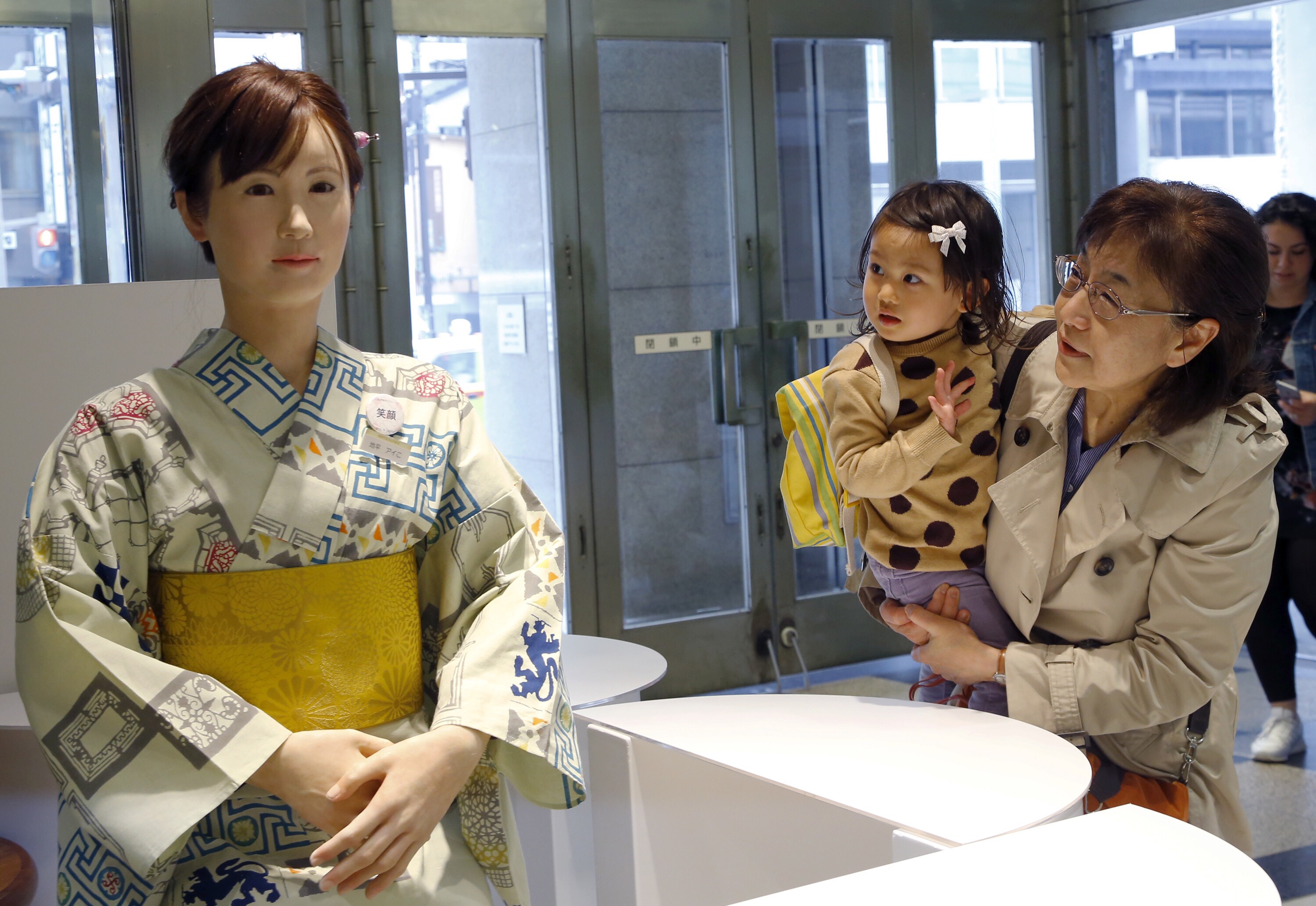
Undoubtedly, Japan is so far, very advanced in terms of technology. I can easily travel anywhere using its hi-tech transportation system: the bullet train, the efficient and always on time local trains, subways, and buses. The world is just a touch away using my smartphone with a very fast and reliable internet connection and free Wi-Fi in big cities. There are hi-tech toilets, vending machines, automatic doors, and (some places in Tokyo) robotic receptionist which makes Japan a really awesome and very convenient place to live.
1. Travel and Leisure
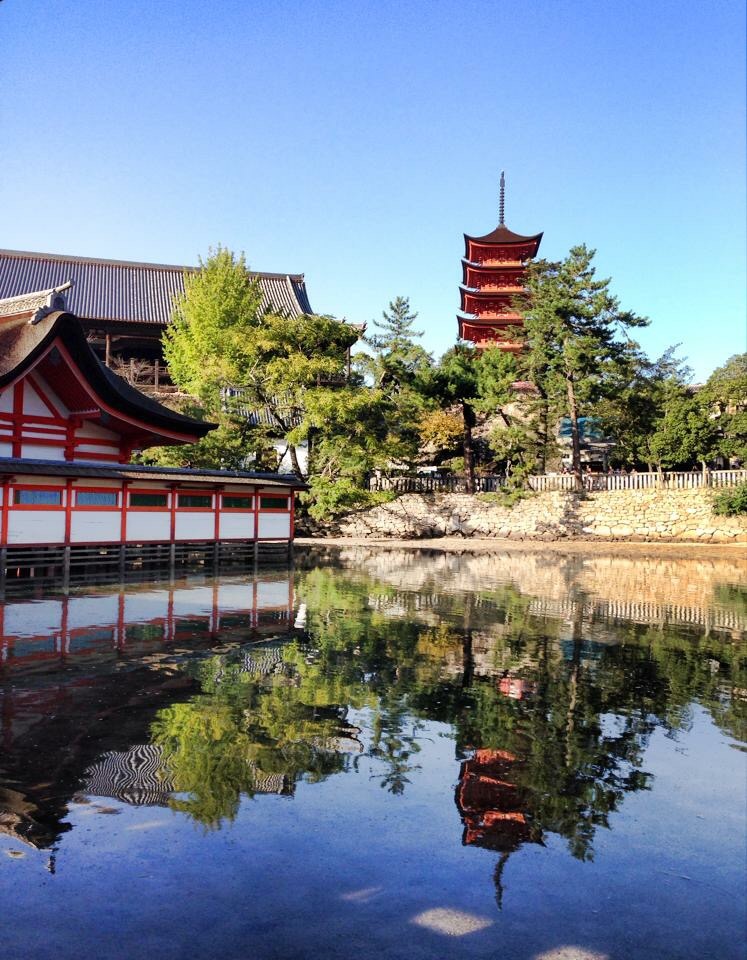
I took this photo in Miyajima
Most of all, living in Japan is like living my life on a grand vacation holiday. There are so many places in Japan worth visiting.
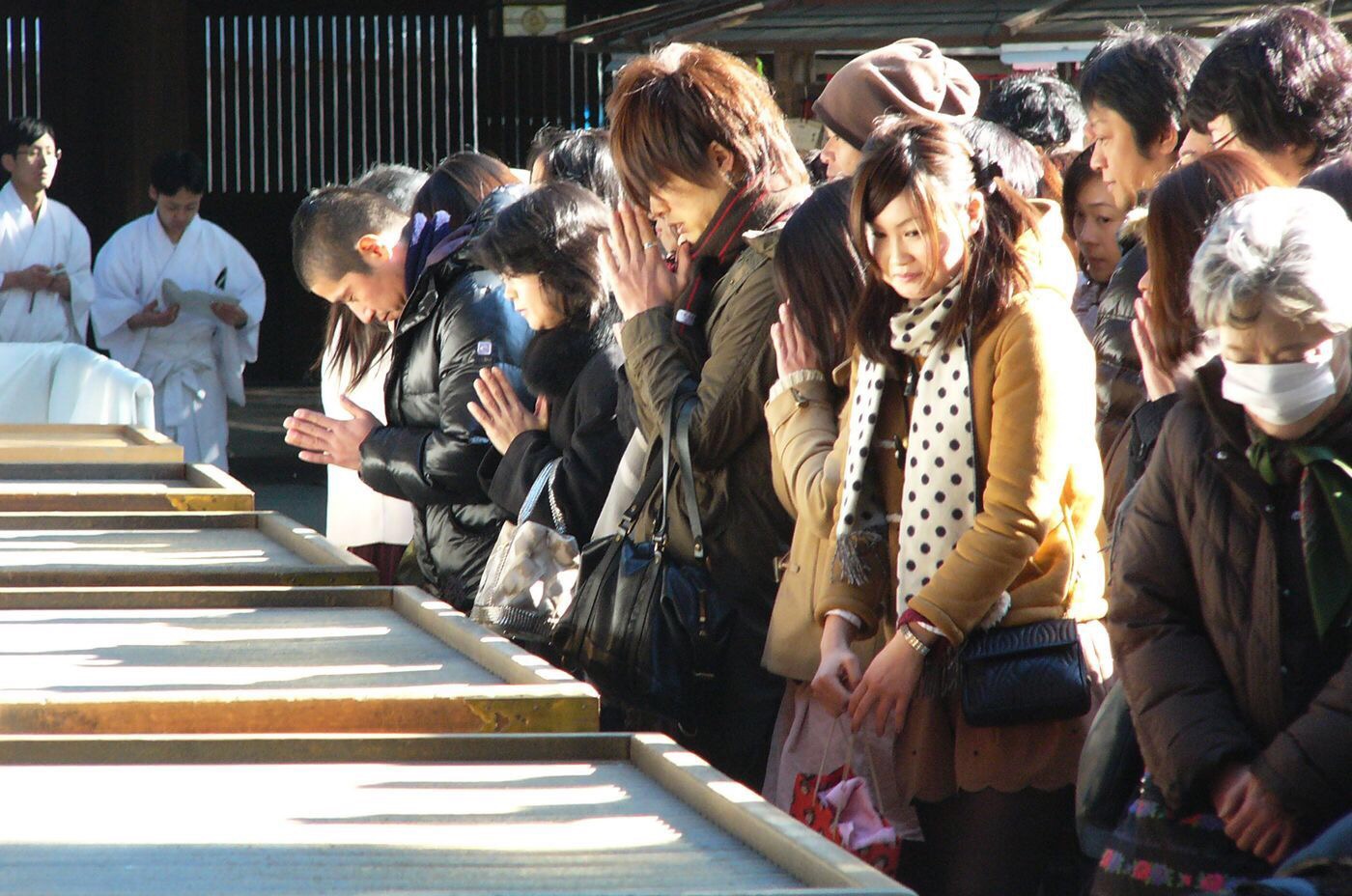
From the simple temples and shrines in my neighborhood to the grand ones in Kyoto (and many other places), the historic sites like Nagasaki and Hiroshima and the many world heritage sites scattered all over Japan. There are hot springs where I can have ultimate relaxation. The food is excellent and healthy. What else can you ask for?
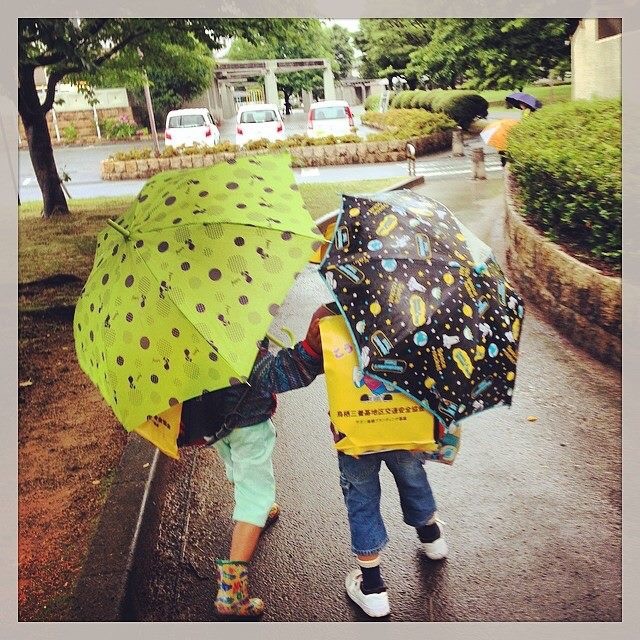
Rainy days are here again. In most parts of Japan, rainy days start around the beginning of June and last up to about six weeks. The amount of rainfall varies from day to day. Some days will have few showers and some days will have a really heavy downpour. One rainy day, when I was going home from school, it rained so hard that it flooded on the streets. One student even had his umbrella broken. The playing field turned into a shallow lake. To my amazement, I took a video (even though I was in a difficult situation.) Here’s the video link if you want to see it. http://youtu.be/bzV5lZFF62g
Many of us don’t like rainy days. It’s dark. It’s wet. It’s gloomy. I really don’t like going outside when it rains. It’s a nice time to just sit and relax, read a book or watch tv and be a couch potato. But, just imagine doing this for the whole duration of tsuyo as what they call it in Japan. What a waste!
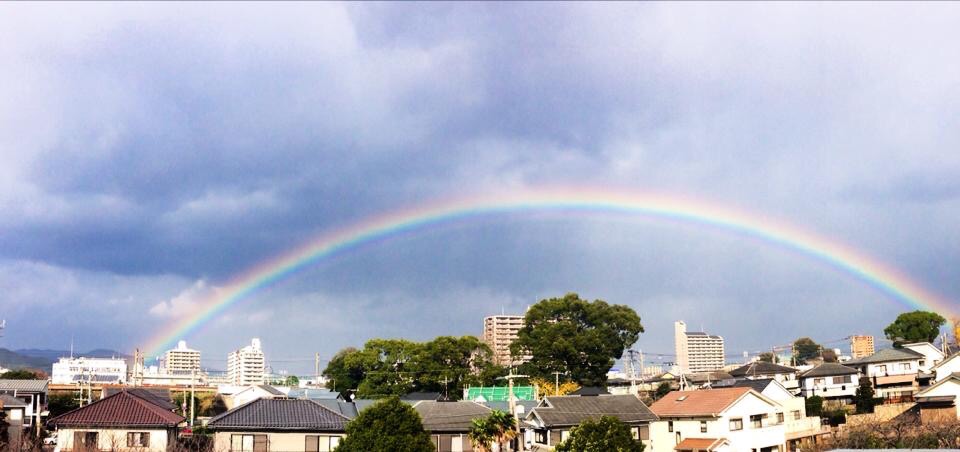
Rainbows
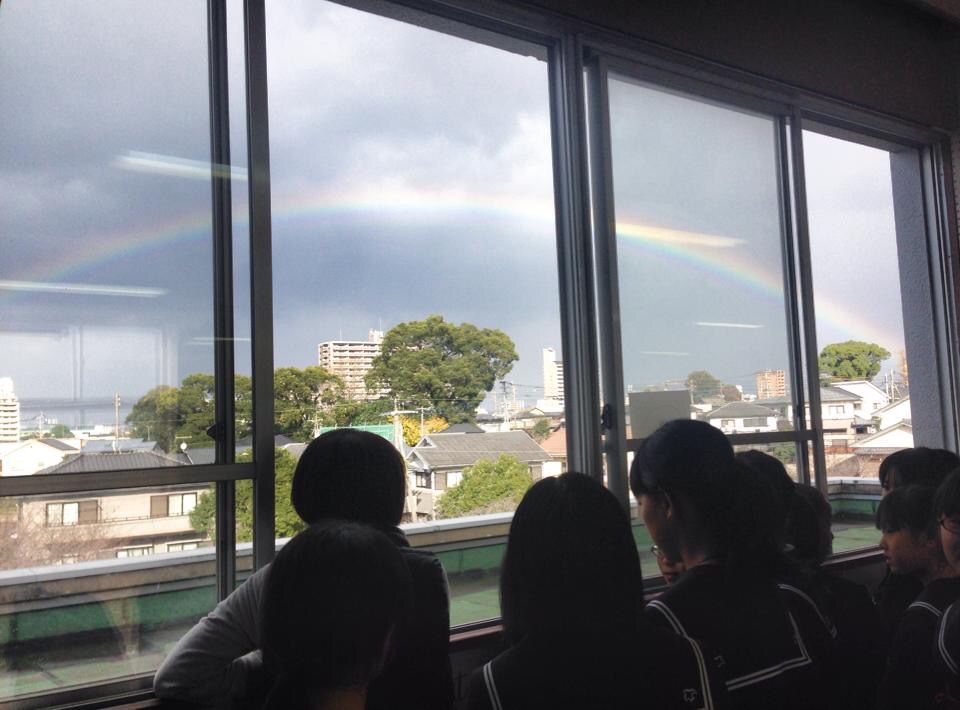
So, what to do? There is a saying that says, “There is a rainbow after the rain.” Literally, yes, it’s true. I have even seen a double rainbow here in Japan. Not only once but many times. And to think, I have never seen a double rainbow in my own country in my 30 plus years of existence on earth! Isn’t that nice? Yes! Rainy days are not that bad after all. (You may get to experience things you haven’t experienced before).
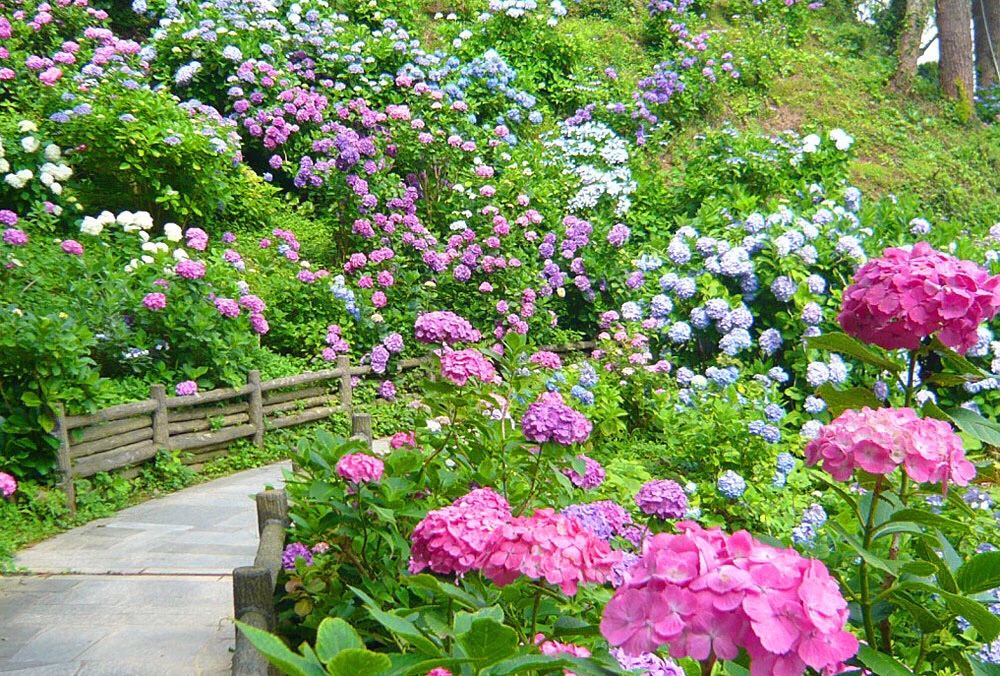
Ajisai namebio.org
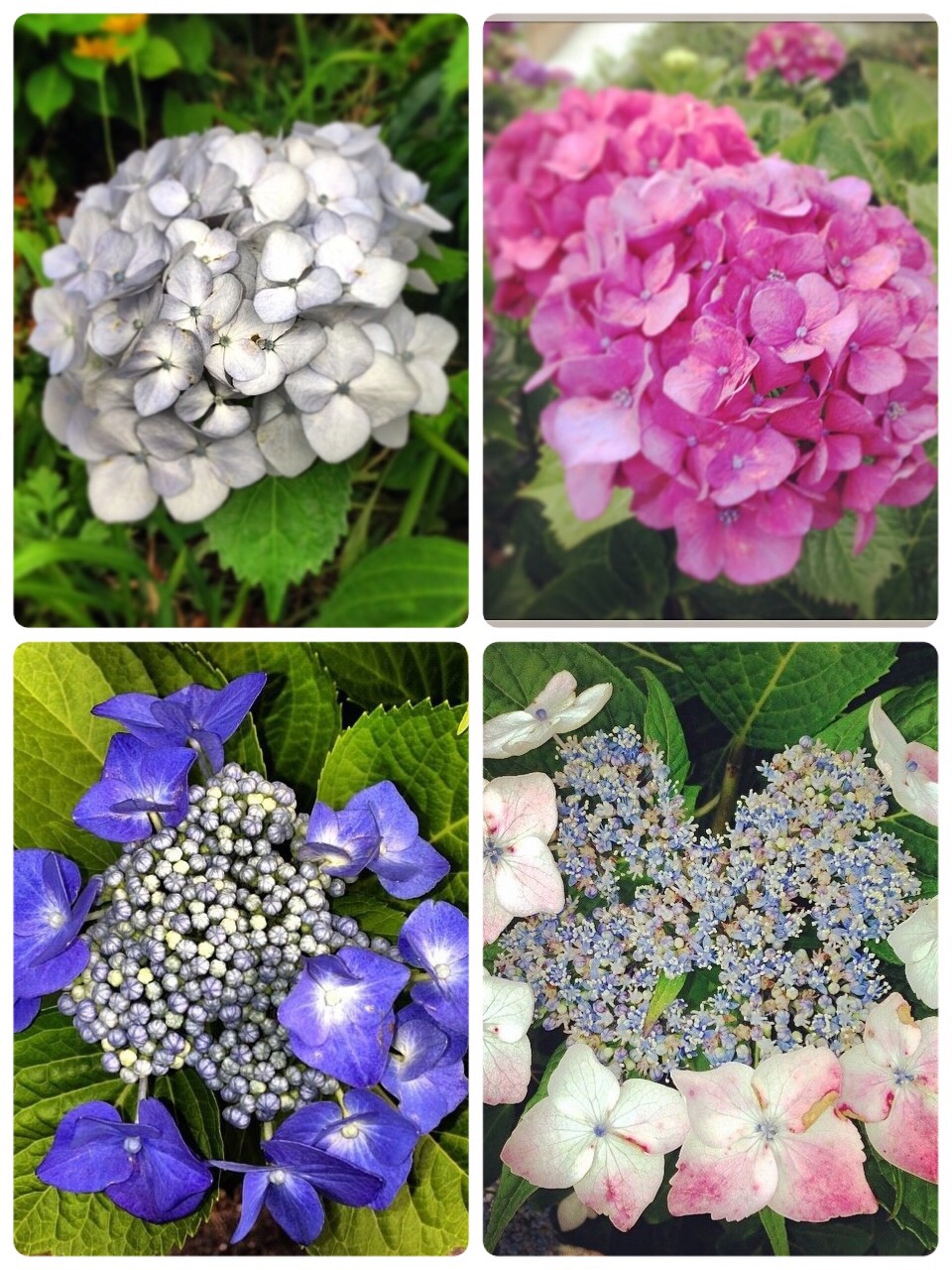
And what more? Of course, there is the rainy season star of the garden – the ajisai or hydrangea. Hydrangeas bloom during rainy season. There are many varieties of hydrangeas and they grow everywhere. They bloom so beautifully they make the rainy days so colorful. Take a walk and you will see them on the roadside or in the neighbors’ garden. I so love hydrangeas and that makes me look forward to the rainy days.
Firefly Festival
mymodernmet.com
huffingtonpost.com
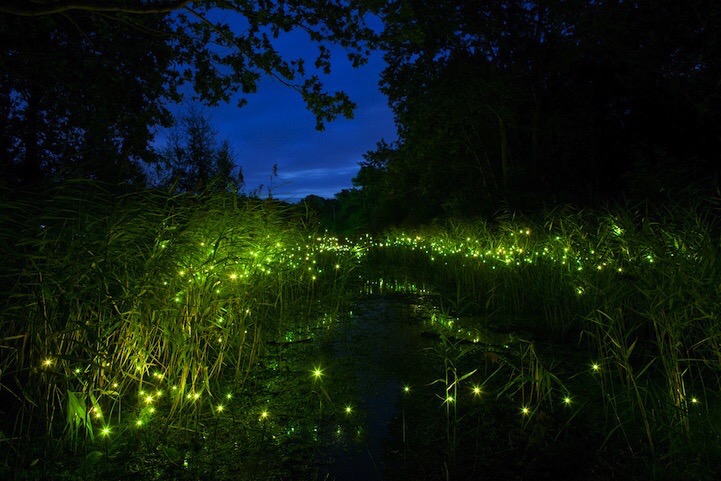
Fireflies. Amazing little creatures. Imagine yourself watching thousands of fireflies glittering in the dark night on an occasion they call
Hotaru Matsuri. I’ve never been to a firefly festival but tomorrow (June 5,2015) I will. I used to live in a big city in Fukuoka Prefecture before and the access to places which hold Firefly Festivals were difficult. But now that I live in a countryside, with the Hotaru matsuri just a 20-minute bus ride away from me. I’m not gonna let this opportunity to escape. If you happen to live somewhere close to Miyawaka, come, let’s go to Hotaru Matsuri in Wakita, Miyawaka.
“Love is a many splendored thing” as the popular old song goes. There are so many definitions of love. I bet you know more than three. I consider it as the universal language of the soul; the core of humanity; the essence of existence. Whoever you are, wherever you are from, we all feel and express love. But, how do you express it? There are so many ways to express it, and one of them is basically, by saying the magic words “I love you.”
Magic words or abused words?
kevinriner.com
In some countries, the words “I love you” is often used. Not only couples and family members use it, but even friends do, too. It is always flowing, always abundant. Sometimes, it can change a woman’s bad mood to good mood in a snap like magic. It is not unusual to use these words upon waking up, leaving to work, as ending to a couple’s phone conversation, or in any random occasions, such as expressing thanks to a favour granted by a friend. “Oh, I love you! You are a very generous friend! I can always lean on your shoulders when times get rough”, with matching hugs and kisses. Too often used, these magic words, becomes abused words.
Saying “I love you” in Japan
funmozcar.com
In Japan, saying “I love you” is quite different. The literal translation of “I love you” in Japanese is “Ai shiteiru”. However, “Ai shiteiru” is rarely used. Love in Japan is expressed in a varying degree.
1. Suki.
“Suki” literally means like or fondness. It is used to express your fondness about something (things, food, hobbies, etc). “Ringo ga suki” (I like apples), “Sakka ga suki” (I like soccer), “Nihon ga suki” (I like Japan). If you meet someone and you think you like her or him, you may say “Kanojo ga suki” (I like her), “Kare ga suki” (I like him). This is very casual expression of liking and may be used during the first stage of dating.
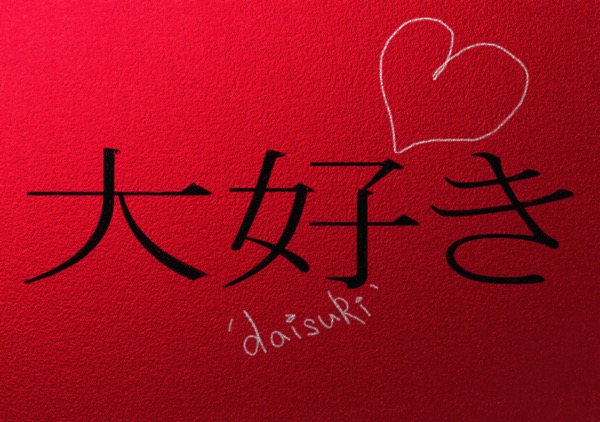
2. Daisuki
davidshigure.deviantart.com
“Dai” means big and “suki” means like, therefore in a literal meaning, “daisuke” means to like very much; In English we may say “I’m crazy about animes”, in Japanese that is “Anime ga daisuki”. It is a step higher than the less casual “suki”. It is important to point out that “daisuki” also means “I love you”. In actuality, it is more often used by couples to express love rather than “ai shiteiru”.
3. Ai shiteru
coolchaser.com
“Ai” (love) is considered a very special word in Japan. So special like a precious and expensive kimono inherited from the great, great ancestors. So special that you should not use it every day. It is only used for a few important occasions. “Aishiteiru” is rarely used, like wearing kimono only during a rite of passage. It is used with great caution so as not to ruin its authenticity. So, when Japanese say “ai shiteiru”, it means they’re very serious, very real, and often said in private rather than in public. That’s why they prefer to say “daisuki” to (maybe) preserve the meaning of real love and don’t lose its meaning. Do you agree?
Special Note:
When a Japanese guy wants to be a girl’s boyfriend, he might not say “daisuki” rather he will say “tsukiate kudasai” (Be my steady date./Go out with me.)
We have seen and heard it in the news. Not once, not twice, but many times. They do it in the privacy of their rooms. Or in a far-away mountain where no one can see. But, worse, within the public’s eyes like in trains, and the latest, in the zero-accident but now tarnished record shinkansen, where most likely innocent people could be affected. In the latest high profile suicide act committed inside the Shinkansen, one innocent passenger also died due to suffocation. Many Japanese has committed suicide. But, why? Why in such a beautiful country would some people chose to end their lives? I’ve tried to search for some answers to this query and let me share the answers with you. worldknowing.com
1. Overrated etsy.com
Suicide happens everywhere. A sad fact that some people on their individual struggles on this lovely earth choose to not continue fighting and make a permanent rest. “Jisatsu” as called in Japan, suicide is a universal occurrence. Japan is not alone. And more importantly, Japan is not the leading country with high suicidal rate. In fact, Japan is only at the eighteenth out the twenty-five countries with the world’s highest suicidal rate. On the fifth spot is Lithuania, Sri Lanka fourth, South Korea third, North Korea second, and Guyana on the top (http://list25.com/25-countries-with-the-highest-suicide-rates-in-the-world/2/). Japan is not even in the top ten list.
In my own opinion, it might be because Japan’s crime rate is really low and the news companies has nothing else to talk about but the self-inflicted crime such as suicide. In other countries, there are more pressing issues in the society that talking about those who commit suicide takes a back seat. Media plays a big role about societal issues. The more the issue circulates in the media, the more it appears to be prominent than what it is in reality.
2. Societal Attitudes
Maybe you have read somewhere how good and harmonious the Japanese are. How well they follow rules as embedded in their “atarimae” culture. Atarimae in English means natural, reasonable. They do what is right because it’s “atarimae”. It is the natural thing to do. It is natural to throw garbage in the proper place. It is natural to fall in line and wait for your turn. It is natural to resign from your job when accused of something. And sometimes, it is natural to end your life when you are in trouble and the trouble you are in causes troubles to others. Like when a head of a company fails to do his job and put the company in a terrible situation. Or an old person suffering from a disease and needs to be taken care of by his family. They don’t want to trouble others so they chose to end their lives. Japanese also value honesty and integrity. That when they are put into a disgracing situation, a scandal that tarnishes their names and reputation, they find it very difficult to handle and impossible to repair. A situation that can only be escaped by disappearing. Of course, this does not happen to every Japanese. Only to a very few.
3. Historical Values io9.com
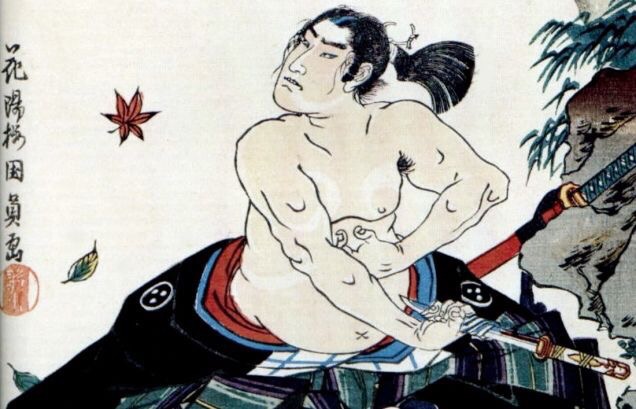
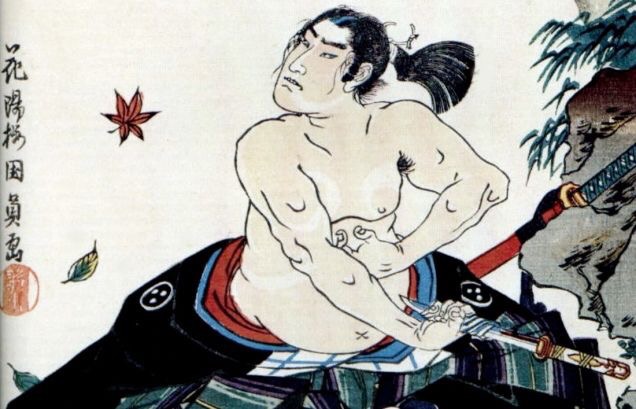
In the old Japanese society, a ritual suicide by disembowelment called “seppuku” also called “harakiri” was formerly performed by Japanese samurai. Seppuku literally means “stomach cutting”. The samurai committing seppuku would use a small knife called a dagger and cut their stomach while another samurai acting as their second lopping off their head. This highly ritualized form of suicide, a part of samurai’s bushido (samurai’s way of life) was abolished as a capital punishment in 1873. But even after the abolishment, voluntary seppuku goes on in the military grounds. This behavior is said to be widely praised by propaganda. I bet this could be one of the reasons why some Japanese still commit suicide. It is in the culture. It is in the history.
In the end, we cannot really tell the reasons why some Japanese commit suicide because I believe that the best person who can tell us is the person committing the act itself, which, unfortunately, is impossible to achieve unless you see them and talk to them in the other side of the world.