The world is celebrating fathers’ day. Messages and pictures are flooding the Facebook timeline.
Almost everyone is telling that they have the best father in the world. That they are happy and thankful to have them in their lives.
Some of the messages are not at all an expression happiness nor gratitude. Some expresses regret and longing.
Those messages are from the people whose fathers are not anymore in the physical world.
They’re gone. They’re missed.
And I’m one of those people.
If only I could turn back time, I would spend more time with my papa. I would talk to him. Ask him questions about his younger days. About his life. His struggles and successes. Everything. Anything.
I miss my papa.
In my whole life, I only hugged him once. That was the first and last. And that was the last time I saw him alive. That was the last goodbye.
So, to all of you whose fathers are still alive, go and tell them you love them. Don’t just post on Facebook. Go to them. Give them a hug. Talk to them. Ask them questions. Not just on Father’s Day. Make every day special because nobody knows when they will be gone…forever.
Wedding is one of the most celebrated events in one’s life all over the world. It is interesting to note that saying “I do” and the intricate details of getting married may be the same, slightly different or the complete opposite in one culture from another culture.
tickera.com
In this article, we will talk about the wedding cultures in Japan and the Philippines. Being a Filipina living in Japan for few years now, I am confident to say that I can at least share to you a little knowledge about this matter straight from my own experience. Some of it you may already know and some may surprise you. Some might make you feel glad that you are born Japanese or Filipino or the other way around.
Japan
Getting married in Japan is very practical and let me say very realistic. Let me enumerate them one by one.
1. Getting married in the city hall.
A couple can get married officially by going to the city hall and file a report of marriage. All you need to do is fill up a form where two witnesses sign, submit a paper proving you are eligible to get married, some pertinent documents like family register and that’s it. Once you submit these documents, get a marriage certificate, you’re officially married. This is the only way to legally get married in Japan. The marriage date is when you submit the papers.
2. Wedding ceremony.
It is a common practice for Japanese to have a wedding ceremony after the official marriage in the city hall. The ceremony can be traditional or western style. This is when the couple with their families invite relatives and friends to celebrate with them.
3. Wedding clothes
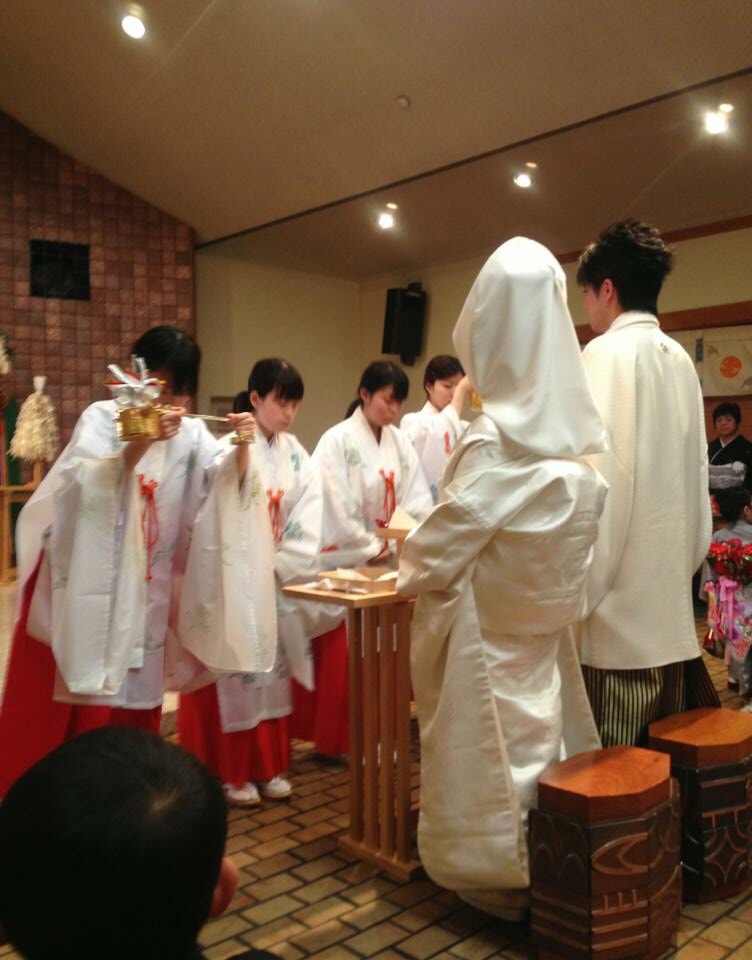
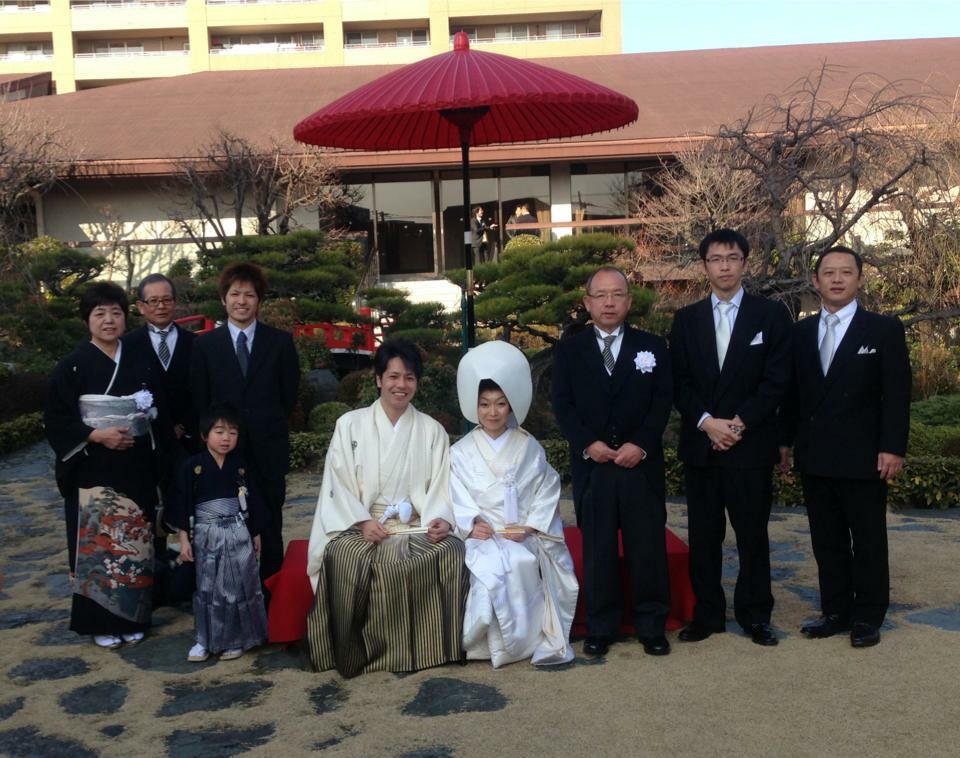
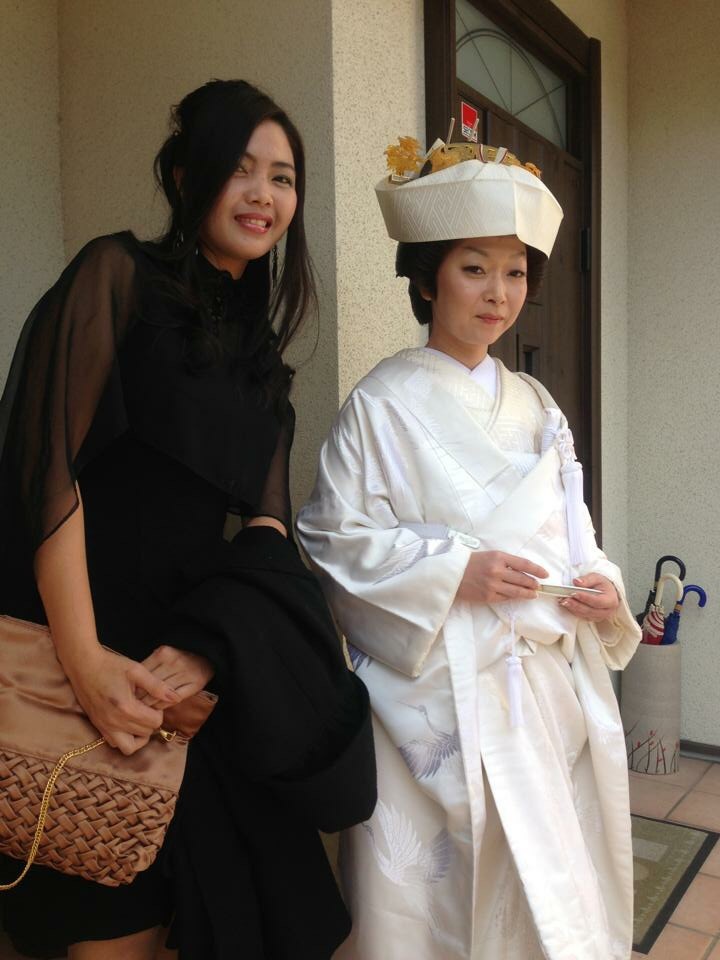
In a traditional Japanese wedding, the bride and groom wear the traditional wedding clothes. A black montsuki kimono and hakama for the groom and white shiromuku kimono for the bride. The couple also change attire to a more western style during the reception. Some brides get to change to three to five different gowns during the wedding party.
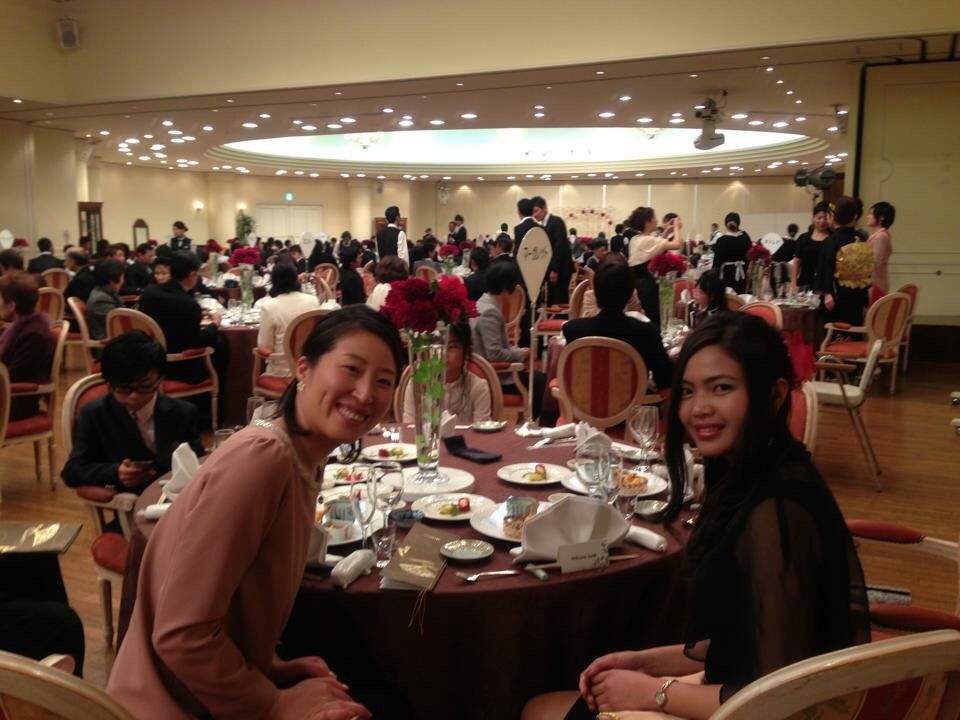
The guests usually put on a formal wear, usually dark colors. It is not uncommon to see guests wearing black dresses.
4. Money gift
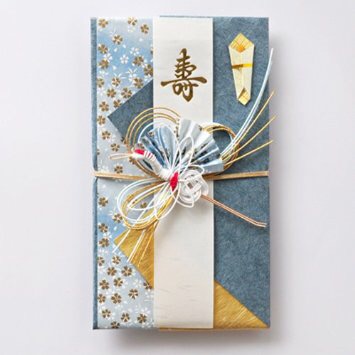
money envelope
This part of the wedding culture of Japan make a lot of foreigners’ eyes bulge and mouth utter a big “WHAAT?!” in surprise. In Japan, all invited guests, even family, will have to give a certain amount of (big) money to the newly wed. Immediate family should give the largest amount of money, especially the eldest sibling, usually up to ¥100,000. or more and friends should give at least ¥30,000. This money will help the newly wed cover for the wedding expenses. A very good idea, isn’t it?
5. Wedding Souvenirs
Wedding souvenirs in Japan are not just ordinary cute display. Couples usually give their guests something that can be used at home like kitchen wares. On the first Japanese wedding I attended, I got a set of three ceramic food containers. It’s so awesome. In another wedding, we got a half dozen of glass.
6. Wedding party
Wedding party does not end at the reception. They usually have a nijikai, an after party or a second party. Others even have sanjikai, a third party. Guests, especially the young ones go to clubs or karaoke and drink like there’s no tomorrow.
Philippines
Marriage in the Philippines can range from the very simple mass wedding, where many couples are wed at the same time, to the very elaborate grand wedding.
1. Pre-marriage preparation
gmanetwork.com
Getting married in the Philippines traditionally starts in a pamanhikan. This is when the man and his parents go to the woman’s house and ask permission to her parents to marry her. There is a small celebration and eat together during this occasion. In a very traditional family, there is a so-called dowry. It is the money and/or precious gifts given by the man’s family to the woman’s family as a symbol of gratitude. But, nowadays, pamanhikan and dowry are slowly disappearing.
Before a wedding ceremony can take place, a couple must secure a marriage license from the city hall, and undergo a pre-cana seminar, a seminar required by the Catholic church. Another pre-marriage preparation that is trending recently is having a pre-nuptial photoshoot. Unbelievably, Filipinos spend so much money for this photoshoot. Blame it to the social media and the photo fanatic society.
2. Wedding ceremony
youtube.com
Eighty percent of the Filipinos are Roman Catholic, so most prefer to have a church wedding , although a couple can also have a civil wedding less the hassle of submitting a bunch of requirements for a church wedding. Both church wedding and civil wedding are legally recognized.
There are so many superstitious beliefs that surround a Filipino wedding ceremony. You might as well do a separate research for this. A church wedding is a mass with the traditional ceremony including the lighting of the candle, putting on veil, putting on cord, and passing of coins, each with a specific meaning.
3. Wedding clothes
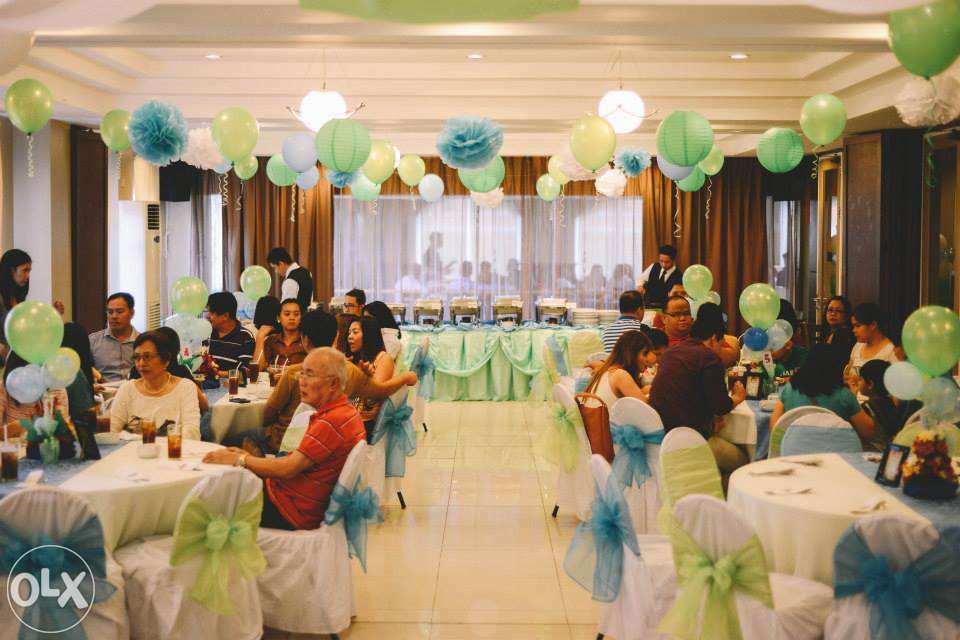
White wedding gown is the usual trend among Filipino brides matched with tuxedo for men. It is also common for men to wear barong tagalog, the traditional costume for Filipino men. A color motif is also a tradition in Philippine weddings. If the color motif is light green, everything should have at least a touch of light green, from the entourage’s clothes, guests’ clothes, reception decoration, cake, invitation card, and everything in between.
4. Money dance
forumbiodiversity.com
This is one tradition that has been passed from generations to generations. In some point during the wedding party, the newly-wed will have their first dance as a married couple and while they are dancing, guests will pin money on their clothes. The relatives of the groom will pin on the bride’s clothes and the bride’s relatives pin on the groom’s. The money collected will serve as a gift to the couple.
5. Wedding gifts
The newly-wed receives gift from the guests. It can be as big as a washing machine or refrigerator or as small as a dozen of spoons. There is a part in the wedding party where couples open the biggest and the smallest gift.
6. Wedding party
olx.ph
Wedding parties in the Philippines can be classified into two types. One is held in a commercial place like restaurant, hotel or resort. The other one is in the residence of one of the newly-weds (usually the bride’s). People in the city usually have their wedding receptions in commercial places and pay large sums of money for a specific number of guests. On the other hand, people from the countryside prefer to have the reception in their house and most of the neighbors (the entire community) take part in the celebration.
Contrasting Points
Wearing black dress in Japan during a wedding celebration is alright but never in the Philippines. It is considered as a sign of disgust and sadness.
Filipino guests don’t have to give money gift to the newly-wed like in Japan, instead, material gifts are given to the couple which are commonly household items to help the newly-wed in their start of a new life together. Rather, the newlywed can receive money through money dance.
One of the many interesting things you’ll learn from living abroad is that you get to know the foreign country’s culture and your own culture more deeply as well.
You are coming to Japan. Or maybe you are already here. Not as a temporary visitor but for a short-term stay. Maybe you are a student or a contract worker. You need to learn some Japanese. Hurry! Your mind said. You start grabbing a paper and pen ready to scribble some Japanese characters. You search the Internet for Japanese lessons. Perhaps for the first days you are so enthusiastic and excited to learn and use the language, but as soon as you realize that it’s not a straight, paved road to success, you start dwindling down like an old yellow leaf of a Ginko tree.
What to do? Here are some advice I extracted from my years of experience learning the Japanese language.
1. Enroll in a Japanese language school.
If you want to (really) learn, go to school. Of course you can study on your own and avoid spending money on tuition, but, if you use your hard-earned money to pay tuition, there will be no reason for you to back out and quit studying when times get rough. You will make sure that you will get back every penny you spend by studying hard. Moreover, the classroom atmosphere will help you follow strict rules like attendance and submission of assignments, which, when you just do a self-study, can be easily neglected and disregarded. Most importantly, it is always better and fun to learn when you interact with teachers and classmates.
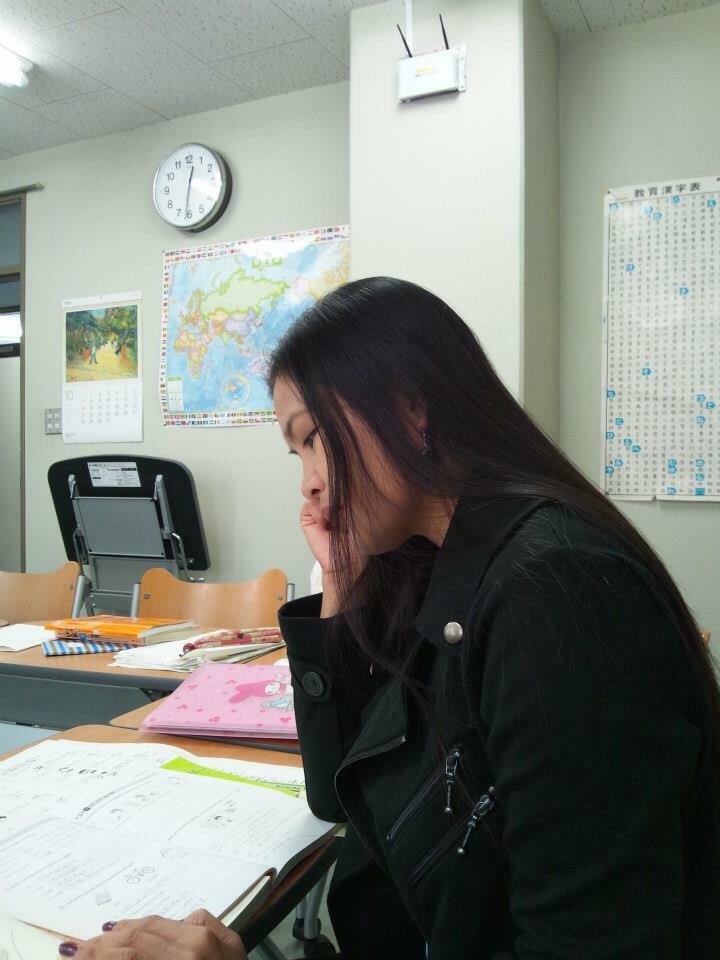
me in kyudai
2. Self-study
Wether you can afford a language school or not, self-study is not an option. It is a must! Most language schools offer classes only few times a week and this is not effective (that, if you want to learn the language fast). In order to learn a language, you have to do it everyday, at least for the first three months. It is always better to support your formal study with self-study. Even for just an hour a day.
3. Watch Japanese TV, animes, and movies.
asiatvforum.com
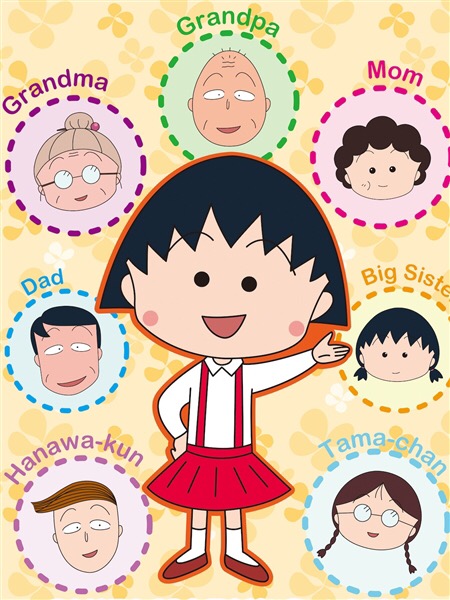
Sometimes, it gets so boring learning Japanese from a book. It makes your head heavy and full (of kanji) and you start to dazzle. Have a break (in learning from a book, but not in learning Japanese). Watch Japanese anime or a movie you like (with subtitles will help). Drama, comedy, action, horror. Japanese movies are great. Even Japanese pranks will help. Don’t worry if you don’t understanding everything that you hear. Listening is important. It is the basic of learning a language. You will certainly catch some words used in the movie you watch. By the way, my favorite anime is Chibi Marukochan 🙂
4. Find a language partner
language-exchanges.org
Language is not a language until you use it to communicate. So, while doing 1, 2 and 3 above, it is advisable to find a language partner who can help you practice what you are learning. When I was studying Japanese, I had my Japanese tutor who I met once or twice a week. She is a university volunteer and she likes to learn English, so it was a language exchange. If you have no Japanese friends or you are not in Japan, you can tap another friend who is also learning Japanese and you can set a ‘Japanese only’ time. And don’t forget that the world is in a web. Maybe you can find some in the chat room. Just always be careful about your privacy and be straightforward in the beginning that you just want to practice your Japanese.
5. Talk to the natives
The best of all the rest, talk to the natives. When you finally arrive in Japan, don’t be afraid to go out and use the language. Talk to the sales personnel, the station attendant, the waiters and waitresses. Even if you just speak a few words, Japanese will always admire you and say
“Jouzu”, meaning, you’re good! Join a club where the members are Japanese and try to talk to them. Be friends with them and spend more time with them (than your fellow countrymen). Immerse yourself in the language with the native speakers.
You can always disregard these advice if you don’t care about learning Japanese fast or simply you’re not interested to learn the language at all.
April 30, 2011. When I first came to Japan as a visiting relative. I stayed for a month with my sister and in that short period of time, I fell in love with Japan. I came back as a scholar on September 24, 2012, and studied for a year and a half. During my stay, I’m so enchanted with Japan that I wanted to stay in this country for good. So, I’m here, staying for almost four years now. I have my reasons why I chose to stay in Japan, and I think many can relate with me.
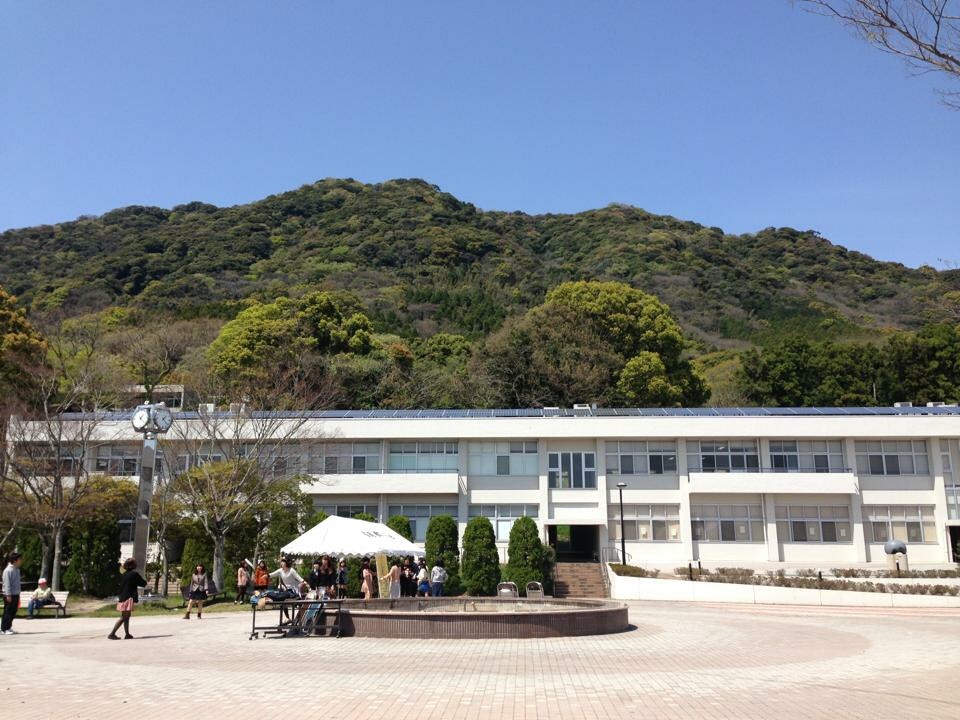
my university
5. Economic Advantage
tokyoezine.com
Japan is one of the top economic powers in the world. What I (financially) earn here (with lesser effort and work) is almost four times as much as I earn in my country. Although the cost of living is far different (it is so much cheaper in my homeland; Japan is expensive), with my earnings, I can provide myself more than enough, send money to my family back home and enjoy life without thinking so much of financial constraints.
4. Environmental Safety and Security.
welcomia.com
When I came here for the first time, I was surprised to see that there were no security guards in establishments (which is common in my country) and the policemen don’t have guns. There seems to be NO threat to security. The crime rate in Japan is relatively low. Japan was ranked as the safest country in the world in 2014 by the Organization of Economic Cooperation and Development (OECD). (You can read more about the crime rate in Japan here http://www.japantimes.co.jp/opinion/2014/01/25/editorials/crime-rate-dips-again-in-japan/).
http://coolgeography.com.uk/ In terms of natural calamity, we know that Although Japan is prone to earthquakes and other natural calamities, the buildings are built to stand against strong shake and the emergency information system is very apt and advanced that whenever there is heavy rain pour or earthquake, cell phones alarm and disseminate automated messages regarding calamity and safety. Moreover, it is very clean in Japan. No pollution. The environment is clean, safe and secured.
3. Spirit of Equality and Harmony
japantoday.com
In Japan, harmony is very important. Japanese people follow rules and try to avoid conflict as much as possible. They are very harmonious and very disciplined. They follow rules and always think of others. You can see that when they get on the train, when they take escalators, when they go to the restaurant, they always fall in line and wait for their turn. Here, there seem to be no rich and poor. No “untouchables”. Here, a politician is just a worker, like everybody else. Everyone’s equal. Japanese give importance to uniformity, too. You can see that in the way they dress. Very few, almost nobody wants to stand out with bright-colored, printed dress. Subtle colors are prevalent. Everything is just smooth and neutral.
2. Advance Technology
http://en.wikipedia.org/
japantimes.com.jp
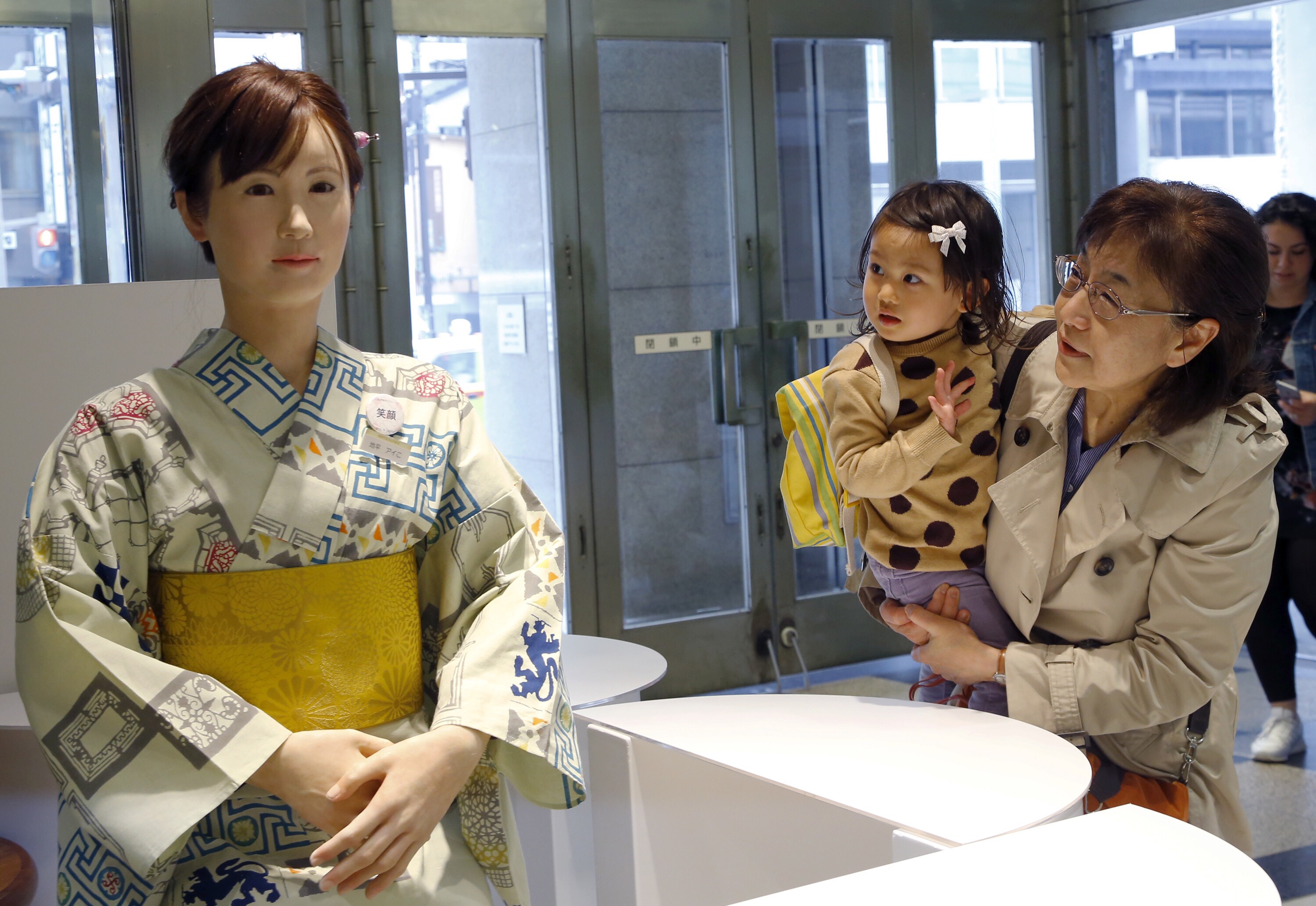
Undoubtedly, Japan is so far, very advanced in terms of technology. I can easily travel anywhere using its hi-tech transportation system: the bullet train, the efficient and always on time local trains, subways, and buses. The world is just a touch away using my smartphone with a very fast and reliable internet connection and free Wi-Fi in big cities. There are hi-tech toilets, vending machines, automatic doors, and (some places in Tokyo) robotic receptionist which makes Japan a really awesome and very convenient place to live.
1. Travel and Leisure
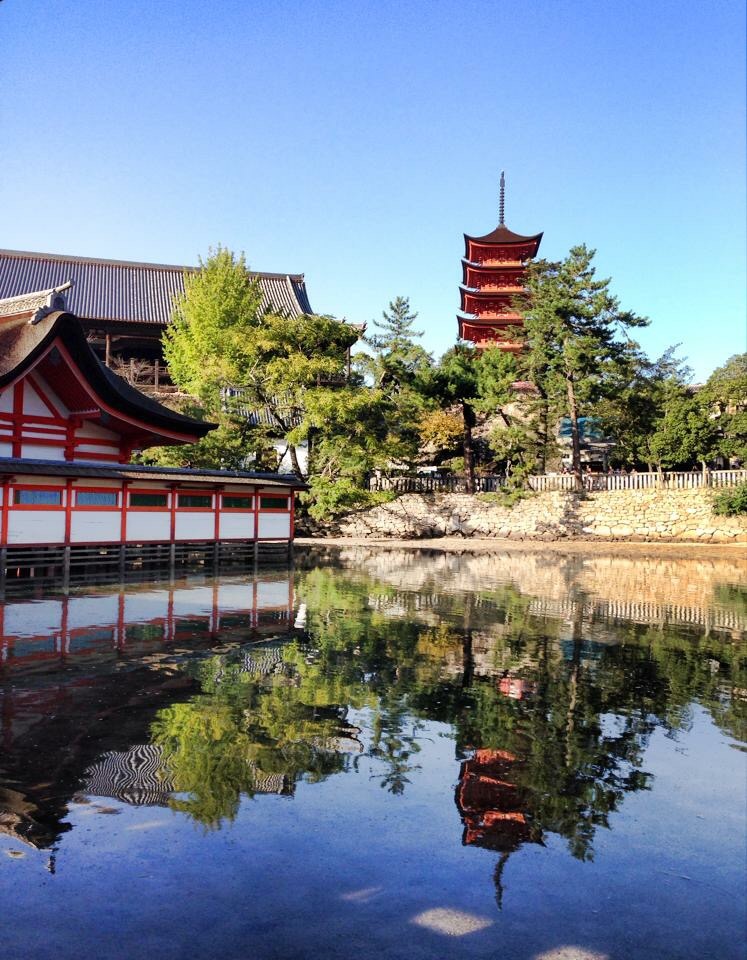
I took this photo in Miyajima
Most of all, living in Japan is like living my life on a grand vacation holiday. There are so many places in Japan worth visiting.
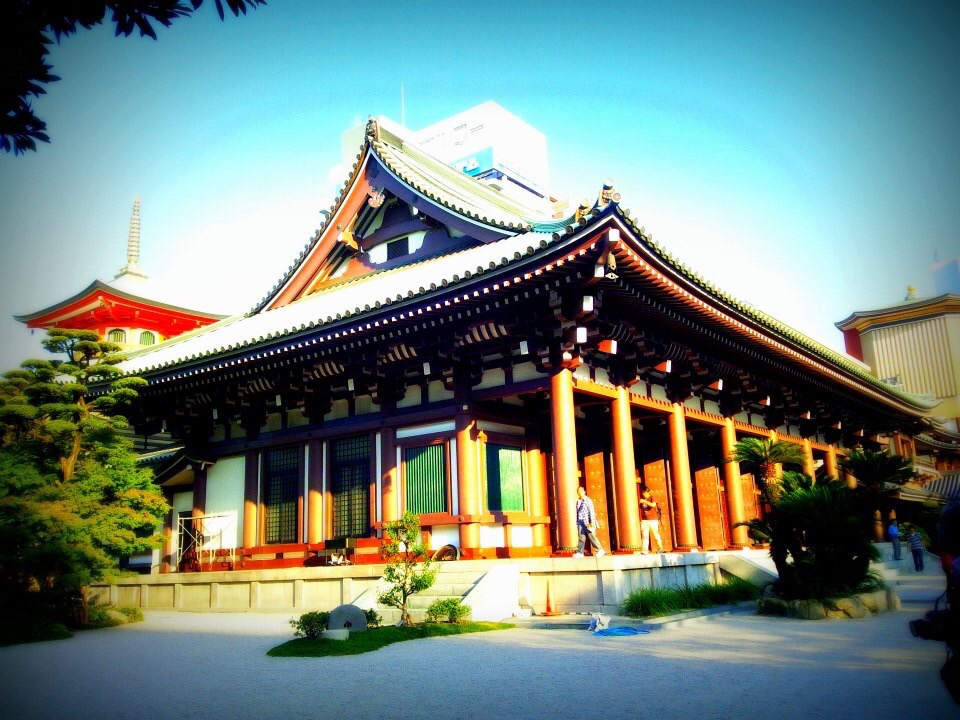
From the simple temples and shrines in my neighborhood to the grand ones in Kyoto (and many other places), the historic sites like Nagasaki and Hiroshima and the many world heritage sites scattered all over Japan. There are hot springs where I can have ultimate relaxation. The food is excellent and healthy. What else can you ask for?
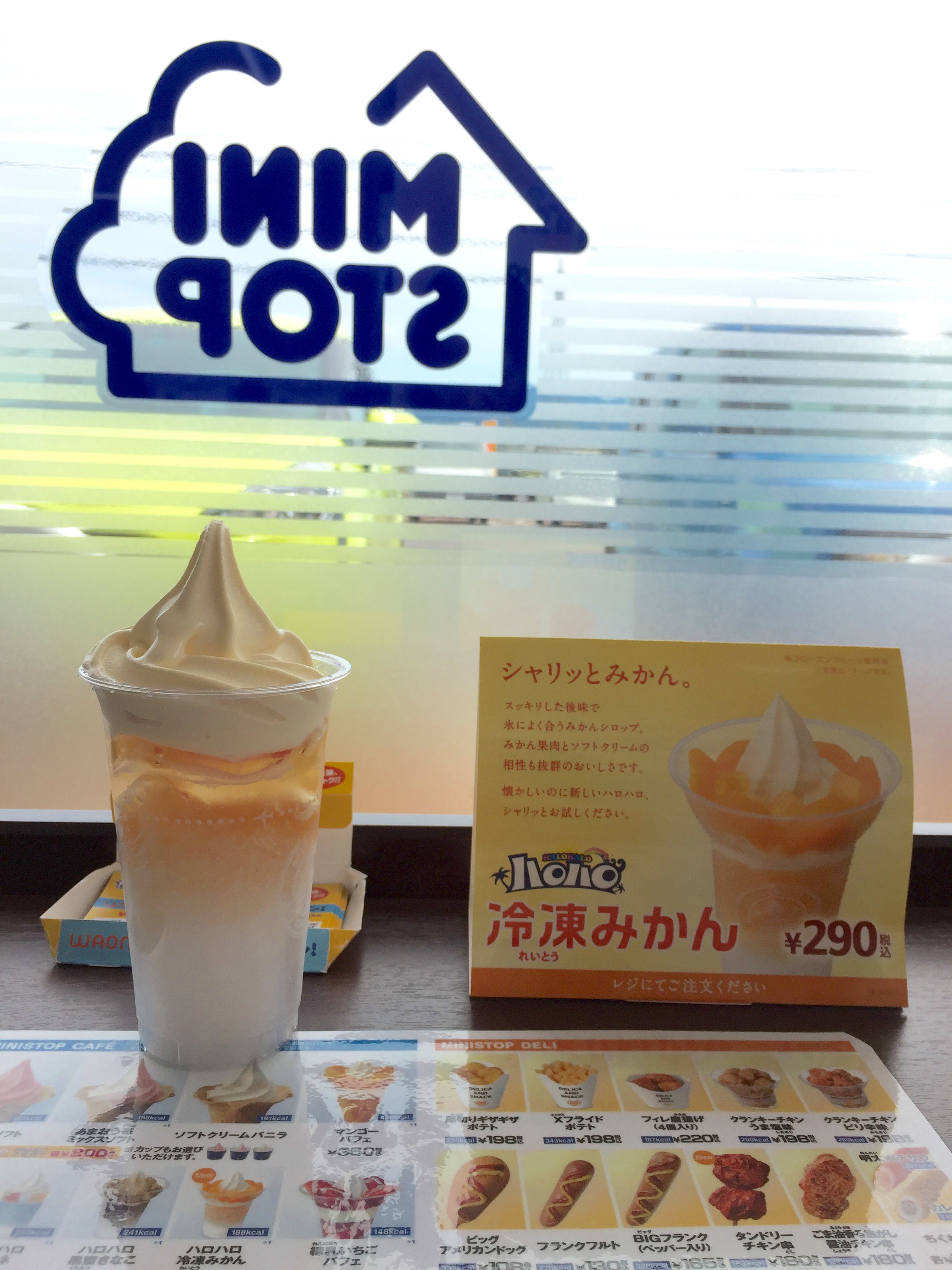
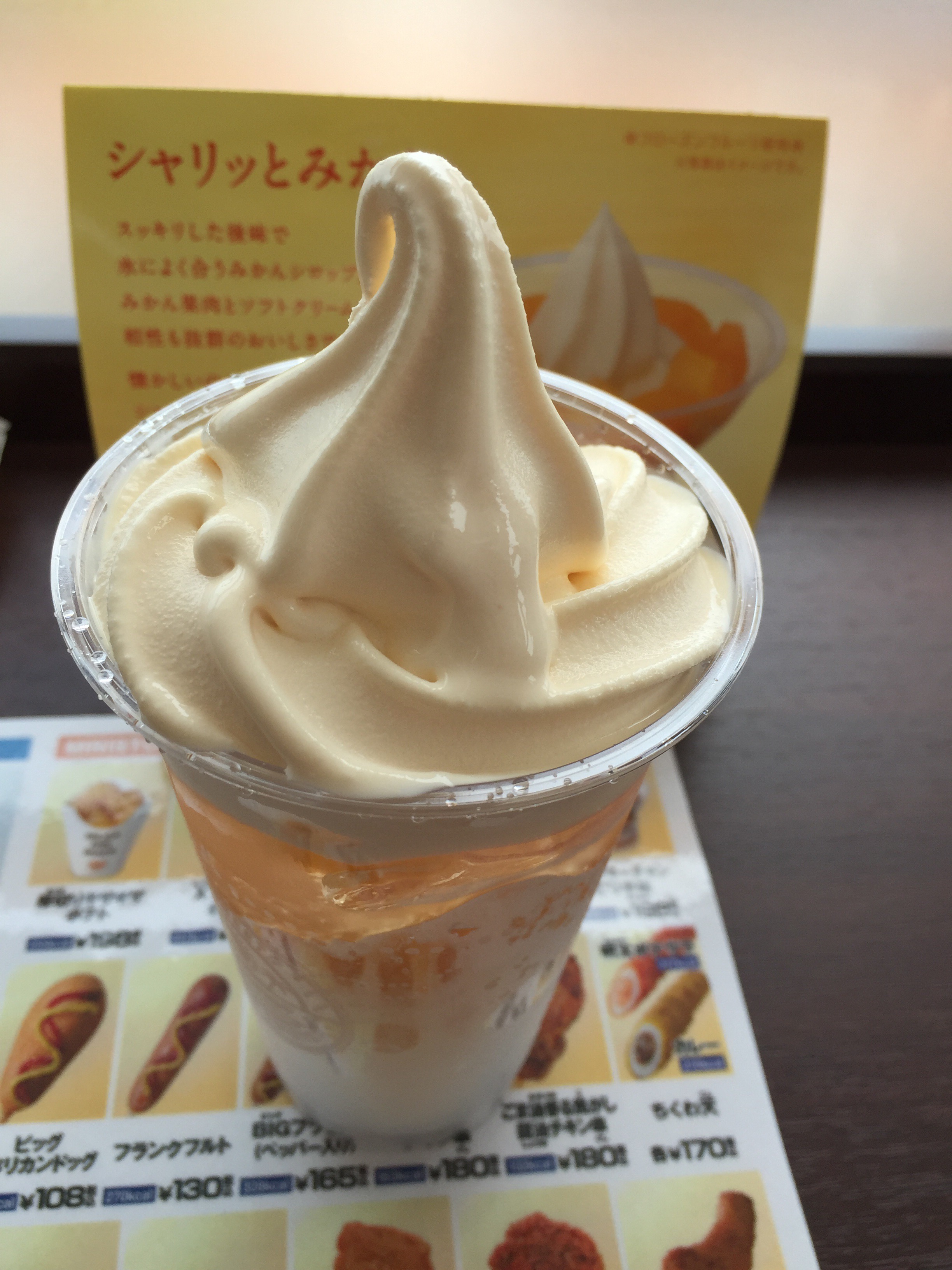
When I did my self-introduction in class, I introduced Halo-halo as one of the Filipino’s favorite desserts. Some students said it is being sold in Mini Stop. So, one afternoon, on my way home, I dropped by the convenience store Mini Stop and tried the Japanese style Halo-halo.
I was a little bit disappointed because I was expecting to have the kind of Halo halo that I know.
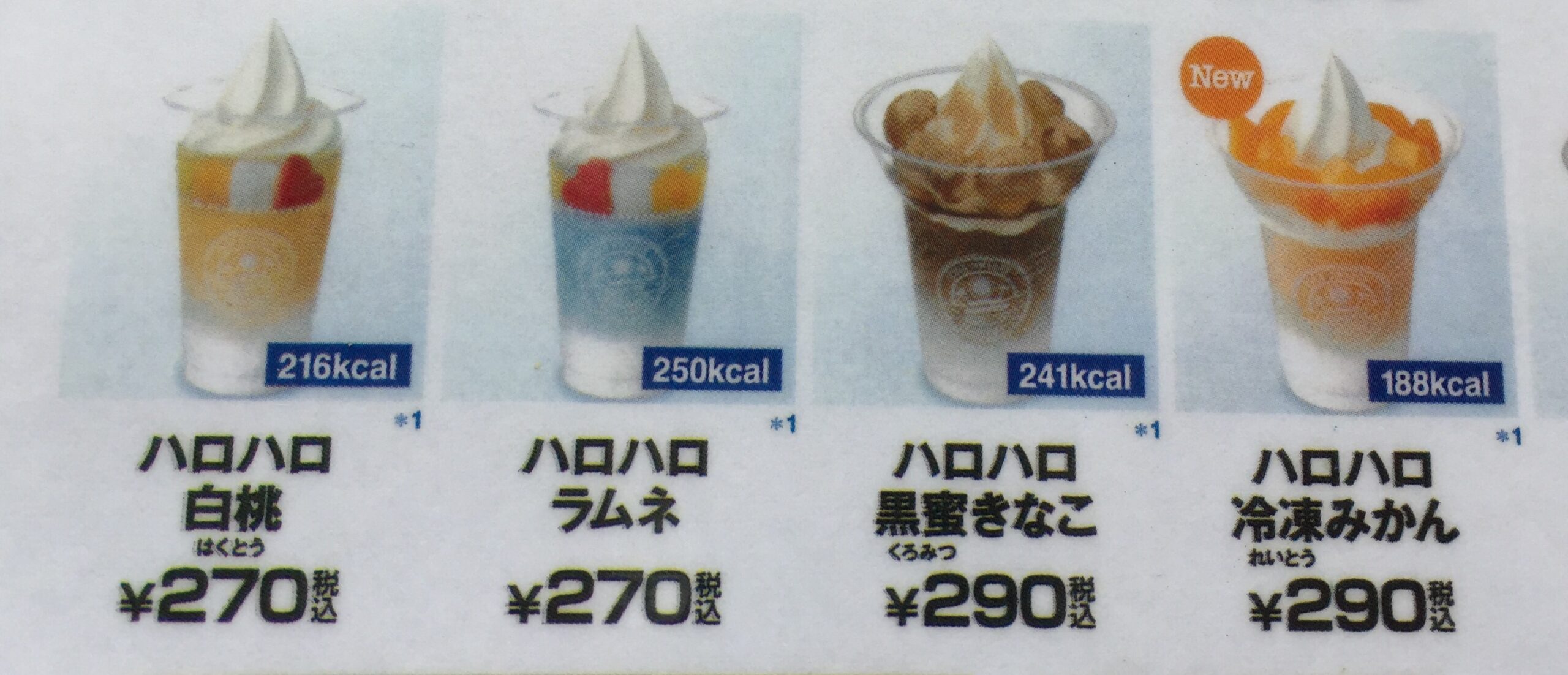
Instead, what I got is the one below.
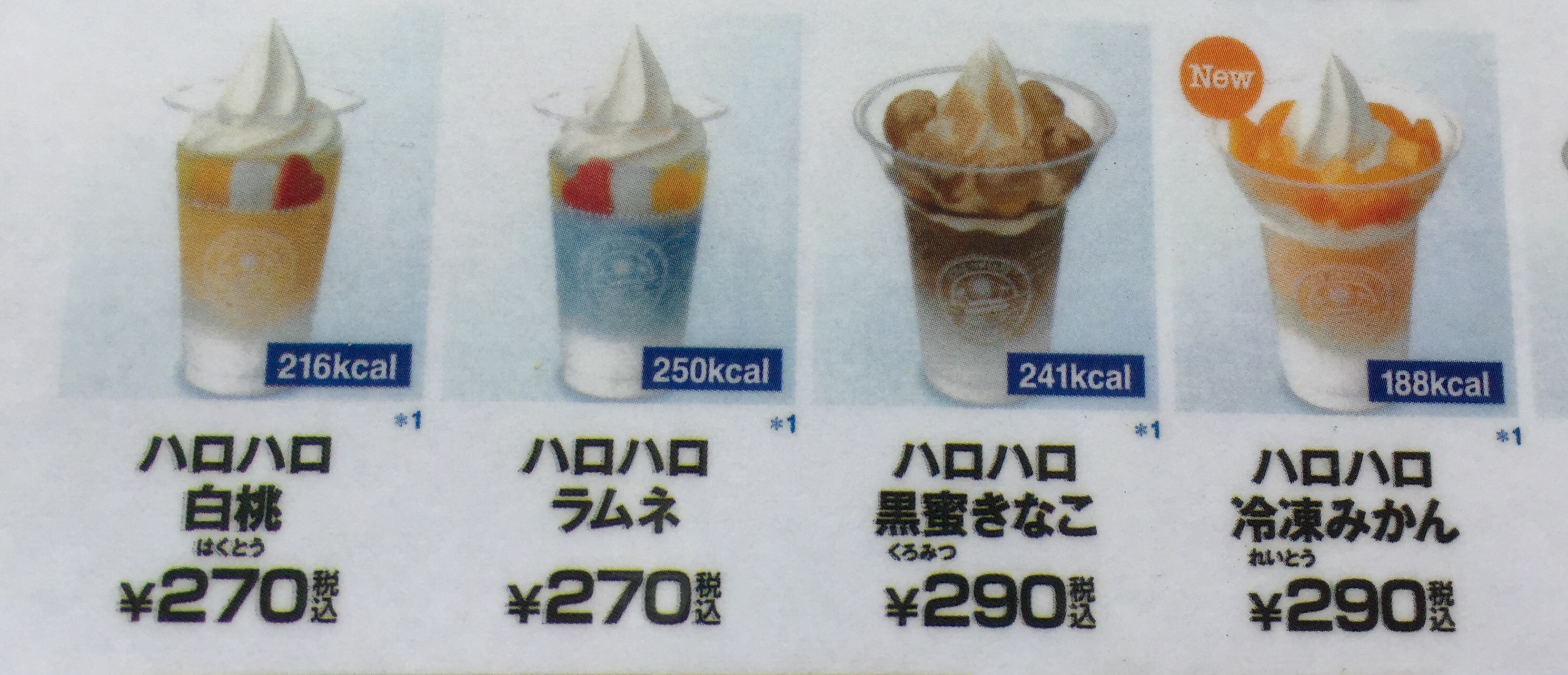
There are four choices of Halo halo in Moni Stop. From left to right: Halo halo hakutou (white peach), Halo halo ramune (lemon soda), Halo halo kuromitsukinako (soybean in blackhoney?), and Halo halo reitou mikan (frozen oranges). I got the the first one on the left. It cost me ¥270 yen. It’s far from what I know Halo halo is but it’s good as what it is.
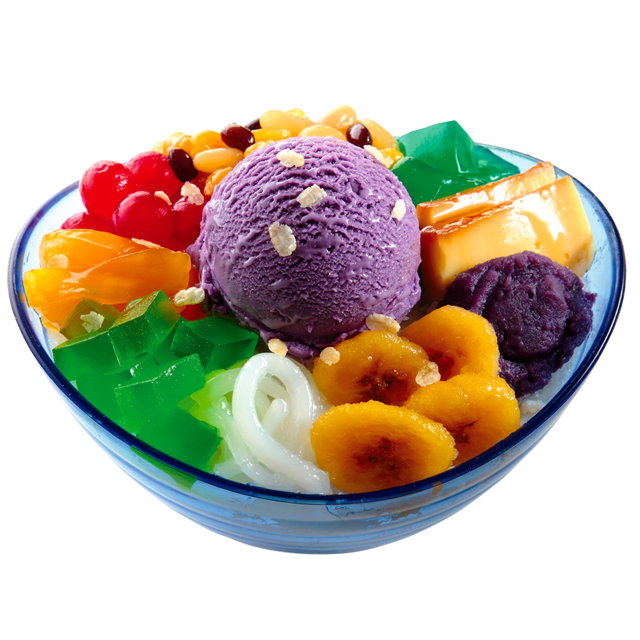
Philippine Halo halo
Halo halo is a famous dessert in the Philippines. It is made of finely crushed ice, top with fruits (usually jackfruit, banana, avocado,) sweet corn, red and green gelatin, ube, nata de coco, sago, sweet buko (coconut flesh), sweet beans, cornflakes, sugar, milk and finally ube ice cream on top. Halo means mix in English. You have to mix it before you eat it to enjoy this awesome dessert at its best.
One serving of Halo halo is about ₱40.00 equivalent to about ¥100.00. “Yasui!!!”, means cheap. As what my students said.
A new journey is set to start on May 9 in a community located down southeast. People will choose who will drive the jeepney. To be the driver is the most coveted position in the community.
Driver 1,2,3,4&5: I am a good driver. I can take you to a better place. Choose me.
Most of the Passengers: Yes! Thank you Driver 1! You are our savior! You are the only one who can take us there.
Driver 2, 3, and 4 and their supporters : Driver 1 is incapable. He is arrogant and boastful. He is sick. He is on drugs. You should not let him drive. It’s dangerous! Heed!
Driver 1’s supporters: You are jealous because we like him! Back off! We like him and only him can take us to a better place.
Driver 2: But, he is a killer-driver. Yes, he killed bad people but he killed some innocent people as well. Especially kids. They were kids playing on the street and because he thought kids should not play on the street, he bumped onto them, crashed and killed them. He is dangerous! Let me drive you and I will take you to a better place. I will give the poor a free ride.
Driver 1’s supporters: That’s good for those kids! They should be killed! They’re a menace to the society! They disturb traffic! No! We won’t let you drive. We don’t like you because of rumors that you are a thief.
Driver 2: That’s not true! I did not steal anything. They just said that to ruin me. They can’t even prove it.
Driver 1’s supporters: We still like Driver 1. He is so cool. He is the only one. He keeps his house clean. In fact, his house is the cleanest and safest house in the community.
Driver 3: No! It’s not clean. I know. There are roaches all over! Roaches eat the rotten food. They’re everywhere. His son feeds the roaches and he can’t even stop him. I know where we can get the rotten food in his house. I can show you.
Driver 1’s supporters: You are crazy! You can show us?? Hmmm… Maybe you also play with rotten food. You are a roach-feeder yourself! Back off! We don’t like you! You said you will take us to a straight road but we don’t believe you!
Driver 4: Don’t let him drive! Let me drive instead. I am calm and I don’t say bad words like him and I have a good plan for our journey. I value women because I am a woman myself. He is a womanizer. He joked about rape. Not a good example. He even cursed the priest. It’s not godly.
Driver 1’s supporters: Shut up! It’s just a joke. We like it. It’s funny. It’s so cool. He is one of us. You are ambitious! You are just an inexperienced woman. You are not even a pure member of this society! You just moved in!
Driver 5: I am the best! Choose me. I am intelligent and has a length of experience. I am tough.
Driver 1’s supporters: We know you are good but you are sick and you may die anytime. So, we will choose Driver 1. Will you just stop your dream to be the driver and support Driver 1 instead?
Conductor Aspirant: Driver 1 is a thief! A secret thief! He steals your money just like Driver 2. I know his secret box. Ben P. Isidro is keeping it in his house. I know how much money is in the box. I counted it. It’s true! I quit my job if it’s not true!
Driver 1’s supporters: You are bad! You are a barking dog! How did you know about the secret box? Hmmm…Ben P. Isidro is not good, huh! Why can’t he protect a secret? We’re not going to trust Ben P. Isidro anymore. We thought he is a good secret-keeper but he’s not. Friends, let us boycott Ben P. Isidro.
Those are all accusations! We love Driver 1. He is the only one who can save us!
Driver 1: Thank you, thank you! Yes, don’t believe them. You don’t need to scrutinize. Just believe me. I will take you to a better place.
Whether you want to maximize your travel experience or you just want to stock some knowledge in the pocket of your head, it is good to know the annual events of a country we want to visit. Annual events in Japan is called Nenchuu Gyooji 年中行事. Below is a list of holidays and events celebrated all over Japan.1. New Year’s Eve (Oomisuka) and The New Year (Oshoogatsu)
b-post.com
This is Japan’s most celebrated event of the year. It is not only a one-day celebration, but it is celebrated for a couple of days. Days before Oomisuka (on the eve of December 31st), Japanese do the “oosouji” (general cleaning) and decorate their houses with kadomatsu (bamboo display), shimenawa (rice straw ornament) and kagami mochi (mirror rice cake) to prepare for the coming New Year. On New Year’s Eve, they eat a special dish called osechi ryouri which symbolizes good fortune for the new year, and toshi-koshi soba (buckwheat noodles) for saying goodbye to the old year. On the first day of the year (gantan), most people watch the first sunrise locally known hatsuhinode and visit shrines and temples known as hatsumoude. And the kids most excited about is receiving their otoshidama, a money-gift from parents and relatives.2. Bean-Throwing Ceremony (Setsubun)
goldenjipangu.com
Setsubun, literally means “seasonal division”, is a celebration for the last day of winter in the traditional Japanese calendar (usually February 3 or 4). During the celebration, Japanese throw beans to drive away the demons (usually played by the father wearing a demon’s mask) and draw in happiness. While throwing the beans they shout “Oni wa soto, fuku wa uchi” (Demons out, happiness in.) And at the end, you have to eat as many beans as your age.
3. Valentine’s Day
qualiajournal.blogspot.com
On February 14th, while many women in most countries are feeling elated with all the love and admirations, chocolates, flowers and balloons they receive from their boyfriends and admirers, Japan does the opposite. It is customary for women to give chocolates to the man they admire. However, nowadays, giving chocolates to friends (tomochoco) is becoming common.
4. Girls’ Festival (Hinamatsuri)
aboutmauinui.com
On the third day of March, families with girls celebrate their daughters’ good health, growth and prosperity. Hinamatsuri, also called Doll’s Festival in English, is a one-day celebration when you can see a display of dolls on a seven-tiered platform (sometimes five) covered with red cloth. Different sizes of dolls and other miniatures are displayed on each platform. It is also common to see just one platform (the top platform) with two dolls – the emperor and the empress.
5. White Day
mapsofworld.com
White Day is, as far as I know, an event celebrated only in Japan. On March 14th, a month after Valentine’s Day, men are expected to give back to women in twice or thrice the amount of whatever they received on Valentine’s Day. For some men, it is “mendoukusai” (troublesome) so they don’t do it which disappoints women, but, many are still living the culture and makes the heart of women sing in a nice melody.
6. Children’s Day (Kodomo no hi)
chengtsui.com
Although it is called Children’s day, the focus is more on boys. Celebrated every fifth of May, families with boys put up carp streamers known in Japanese as “koinobori” to wish for their son’s health and vitality. Carp symbolizes courage and strength because of its ability to swim against the strong current. Typically, carp streamers are arranged in order from the biggest and colored black to represent the father of the family, red as second to represent the mother, and the smaller carps represent the boys.
7. The Star Festival (Tanabata)
scccjapan.com
Tanabata is celebrated on July 7th (August 7th in some places) based on the legend of the star Altair and the star Vega. Japanese write their wishes on a strip of colored paper and hang it on a bamboo.8. Obon Festival (Obon)
thejapans.org
Celebrated on July 13-15 or August 13-15 in Japan, Obon is a Buddhist custom where it is believed that the spirits of ancestors are said to return home. To welcome the spirits, families lit lanterns called “mukaebi” on the eve of 13th and “okoribi” on the eve of 16th to send the spirits back to their graves. The highlight is the Obon dance, a traditional dance which vary according to regions. People in yukata (summer kimono) gather (usually in the community center or parks) and dance in a circle following the simple rhythm of taiko (Japanese drums.) Anybody can join and so I did.
9. Moonviewing (Otsukimi)
inhamatsu.com
In the middle of September, Japanese enjoy viewing the full moon while eating rice cake. This event is also known as Jugoya. Around this time in Autumn, the moon is big and bright and according to Japanese legends a rabbit pounding rice cake can be seen in the moon. It is also the time to celebrate the good harvest.
10. Festival for 7,5,3-year-old children (shichigosan)
sakurahostel.com.jp
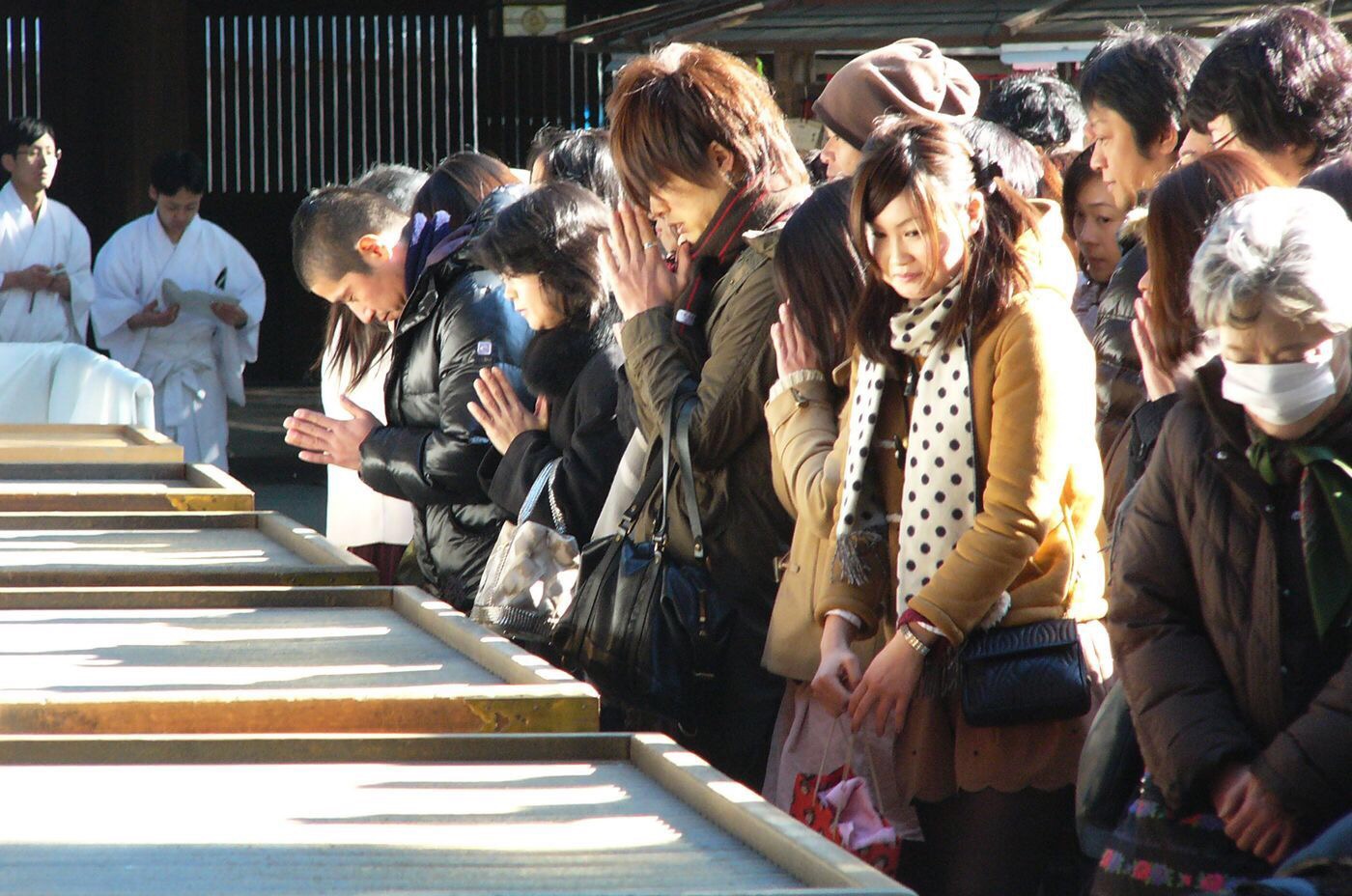
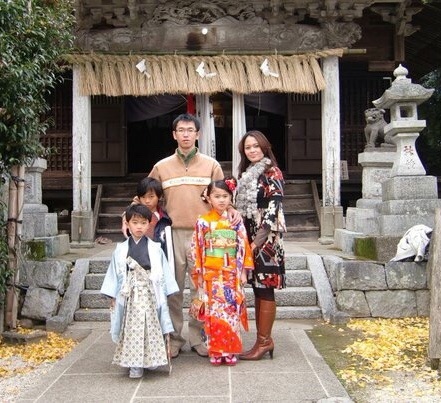
This is a celebration for children aged seven, five and three. Girls celebrate at the age of three and seven, while boys celebrate at the age of three and five. Parents take their children in kimono to shrines and offer prayers for the children’s health and good fortune.
You heard about Tokyo, Osaka, Kyoto and Hiroshima for sure, but what about Fukuoka? Where is it located in Japan? Is it as nice as the other big cities I mentioned?
Fukuoka City in Fukuoka Prefecture is located in Kyushu, one of the four main islands in Japan. The other three main islands are Hokkaido, Honshu and Shikoku. Most of the big and famous cities are located in Honshu, where the capital Tokyo is. So, what’s in Fukuoka?
People
Generally speaking, Japanese people are well-known to be kind. They are very disciplined and considerate of others. It is embedded in their culture. On the not so positive side, they tend be shy and rather shun away from foreigners.It is not that casein Fukuoka. Most of the people in Fukuoka are open to foreigners. They are very outgoing and are well-known as the friendliest people all over Japan. They like to engage in conversation with foreigners. Be always prepared to say “Konnichiwa” and answer questions such as “Where are you from?” and “Why did you come to Japan?” anytime.
Landmarks
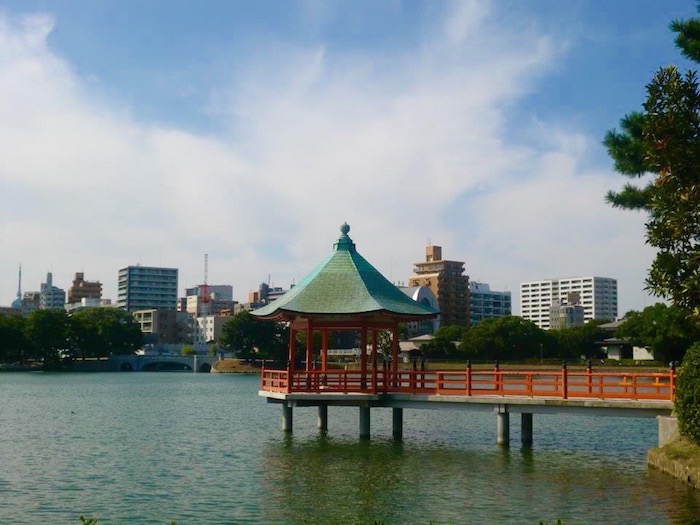
When in Fukuoka, go to Fukuoka Tower and see the amazing view of the city; go to the nearby Ohoripark and take a walk around the big pond; go to Tenjin and shop until you drop; go to Hakata and enjoy the blend of culture and tradition and industrialization. Take note, you can go to anywhere in Japan from Hakata station – the gateway of the city. Enjoy outdoor recreation in Nokonoshima Island and Uminonakamichi.
When in Japan, try eating the very popular noodle soup called Ramen. And when it’s Ramen, it should be Hakata Ramen in Fukuoka.There are so many different flavours ofRamen according to regional taste. But, I bet, the best Ramen is Hakata Ramen.
Conclusion
A gem in the southwest Japan, Fukuoka, is indeed a great vacation destination or more than that, a good place to reside. It might not be as big and famous as other big cities throughout Japan, but it has its own glamour and charm. There are so many fun things you can do and great things you can find in Fukuoka. Go! Get there! Discover and experience it yourself.
Rose and festival – two completely different words but are both related to love, happiness and celebration. Just imagine these two words being used together. It is indisputably pleasurable experience.
The Location
Huis Ten Bosch is a Dutch-inspired theme park in Nagasaki. It is a huge park where the buildings and surroundings would make you feel you are in Europe, but in fact you are in the island of Kyushu, Japan. Here is the location: 1-1 Huis Ten Bosch Machi, Sasebo, Nagasaki Prefecture 859-3292
You can do so many fun things in this park, but here I will talk primarily about the theme park’s Rose Festival occurring in spring(around May to June).
All About Roses
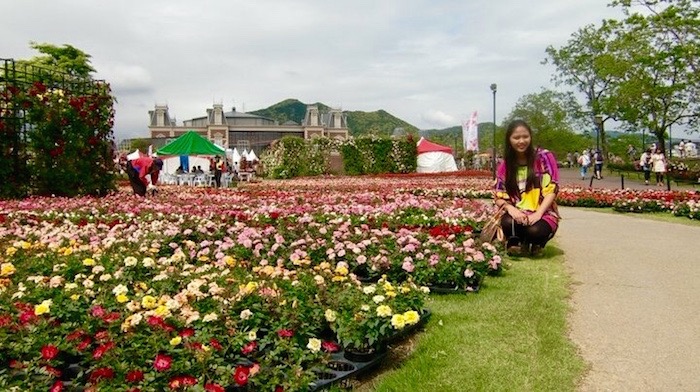
One of the grandest flower celebrations in Huis Ten Bosch in Nagasaki is the Rose Festival. By the name itself, rose fanatics will certainly go crazy about it. The park boasts of its one thousand varieties of rose which blooms in full during this event.There you will see that roses are not just red. There are so many different shades of colors. There are shades of red, pink, purple, yellow, orange. A blast of colors everywhere. Also you will see roses in different sizes and forms. Big, small, tiny.There are even single-petalled roses.The kinds or roses that you may have never seen before. It’s absolutely amazing!
My Experience
I can still remember even now how unexplainable the feeling was when I first experienced it four years ago. It was like heaven on earth. I was surrounded with roses. Everywhere I turned, there were roses. I smelled the air, smiled and said ‘cheese’ to my camera. And almost everyone who was there was doing the same. The sweet smell of the air was so amazingly pleasant. It was like I was in a fragrance commercial tipping my head back smelling the air. It was ecstasy! That spot where roses of all colors and all sizes bloom is more than a ‘bed’ of roses. It was a ‘world’ of roses.
Conclusion
If you like the pictures, how much more in person? With its pretty colors, soft petals and pleasant fragrant, roses are just wonderful. A true nature’s gift. No wonder why so many girls are named Rose. It doesn’t only mean a flower. It means beauty. It means magnificence.
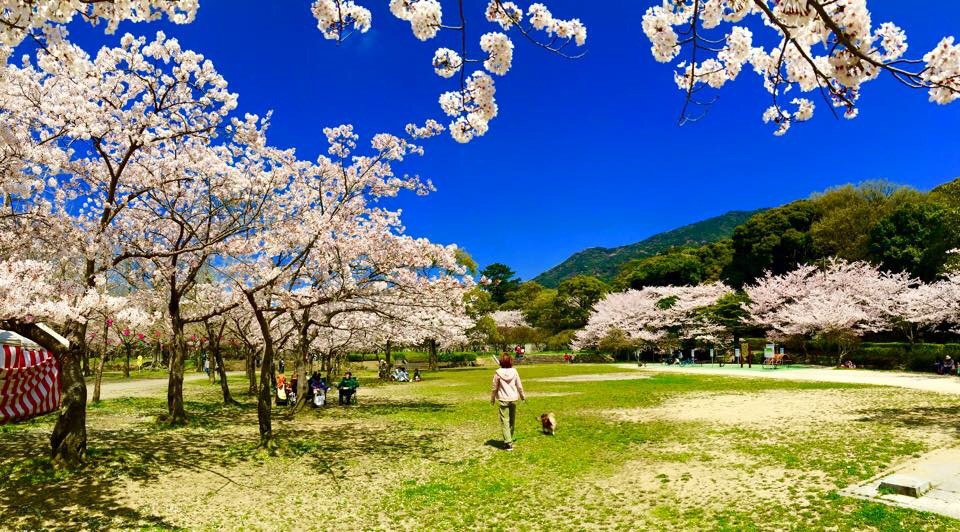
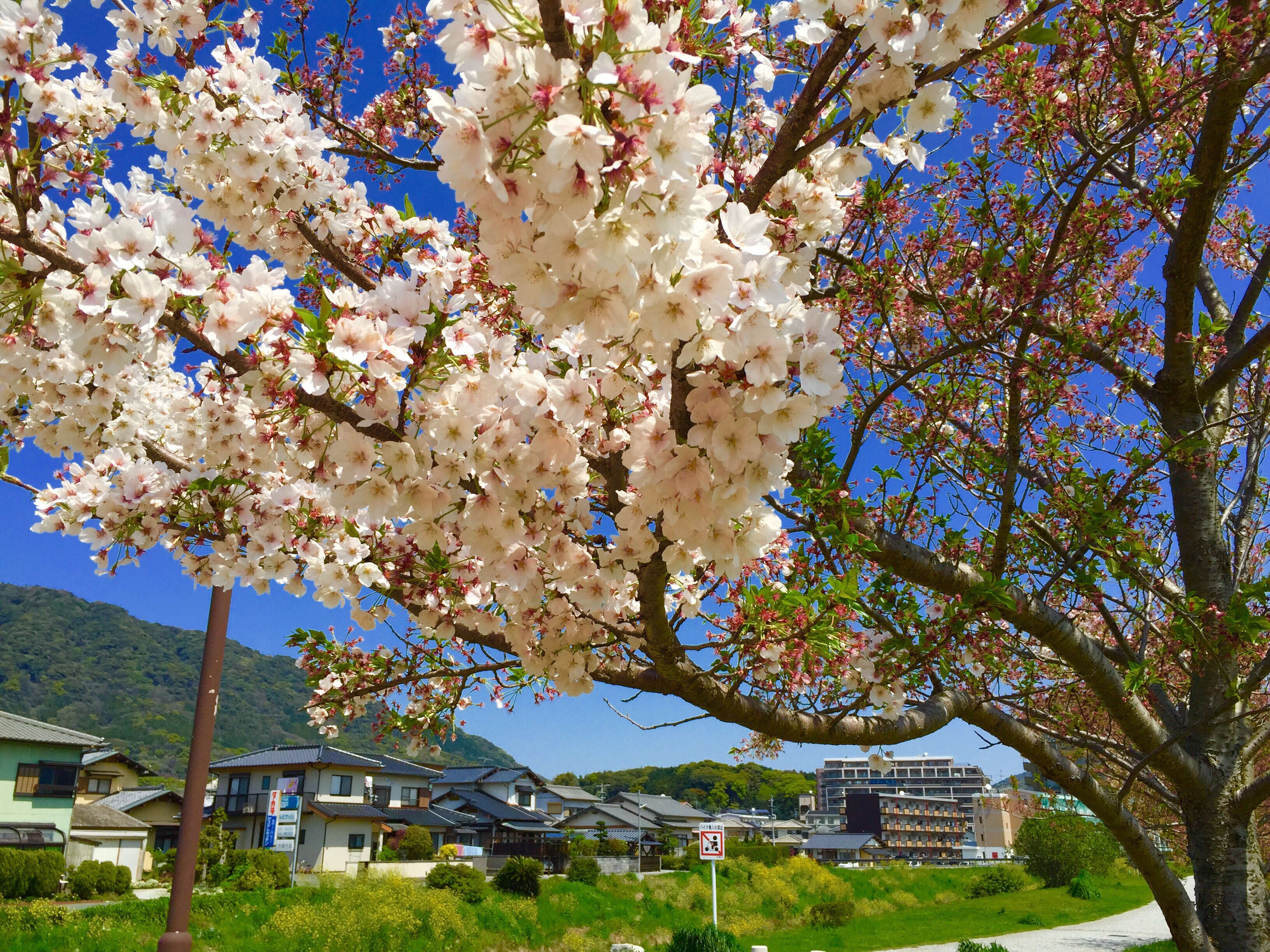
Sakura is undebatably the most famous seasonal flower in Japan. It is the symbol of spring. People from all over Japan look forward to this season, when they can roll open their picnic mats and gather over a neatly-packed bento and cans of beer while viewing the pretty cherry blossoms. It is undoubtedly the most awaited season after the long cold winter months. Sakura viewing signals the start of the warm season of spring.
Plum blossoms
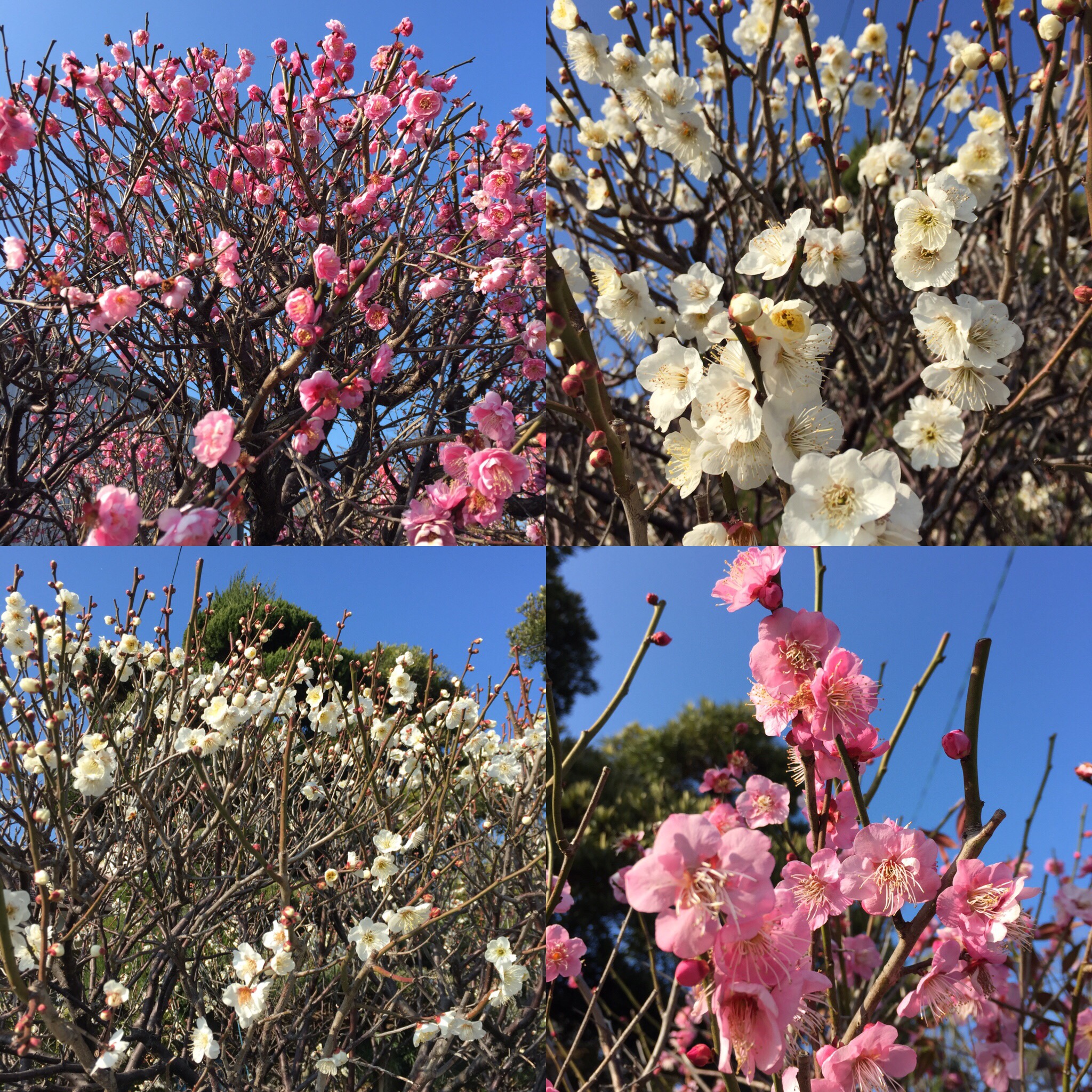
What signals the blooming of sakura? Most people from outside Japan do not know that before sakura blooms, an equally beautiful and stunning flower worthy of praise and gaze flourishes. It is the plum blossoms, known as Ume in Japanese.
Ume, like Sakura, come in many varieties. It also can be seen everywhere in Japan. Many foreigners have mistakenly thought Ume as Sakura. Dazaifu Tenmango Shrine in Kyushu is a famous place for plum blossom viewing which occurs in mid-February to March. Here is the exact address: 〒818-0117 Fukuoka Prefecture, Dazaifu, Saifu, 4 Chome−7 宰府4丁目7−1 Dazaifu Tenman-gū
Nanohana
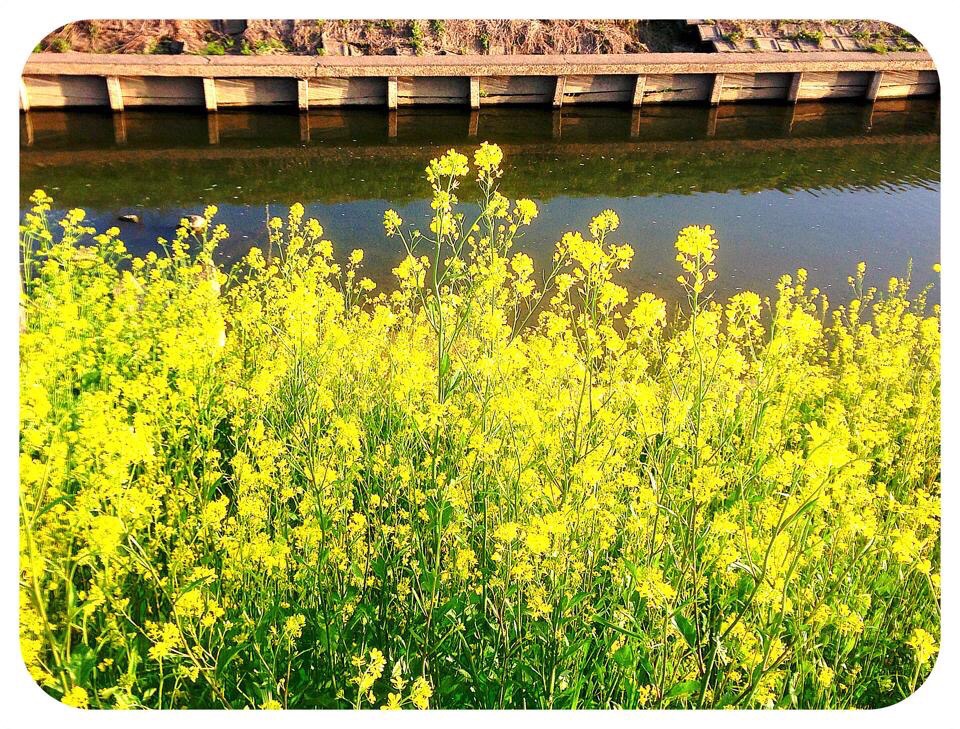
Yellow, yellow, yellow everywhere. Another awesome blooms in spring is Nanohana.
They usually grow near riverbanks and ricefields. Its bright yellow color will surely brighten up your day.
Wisteria
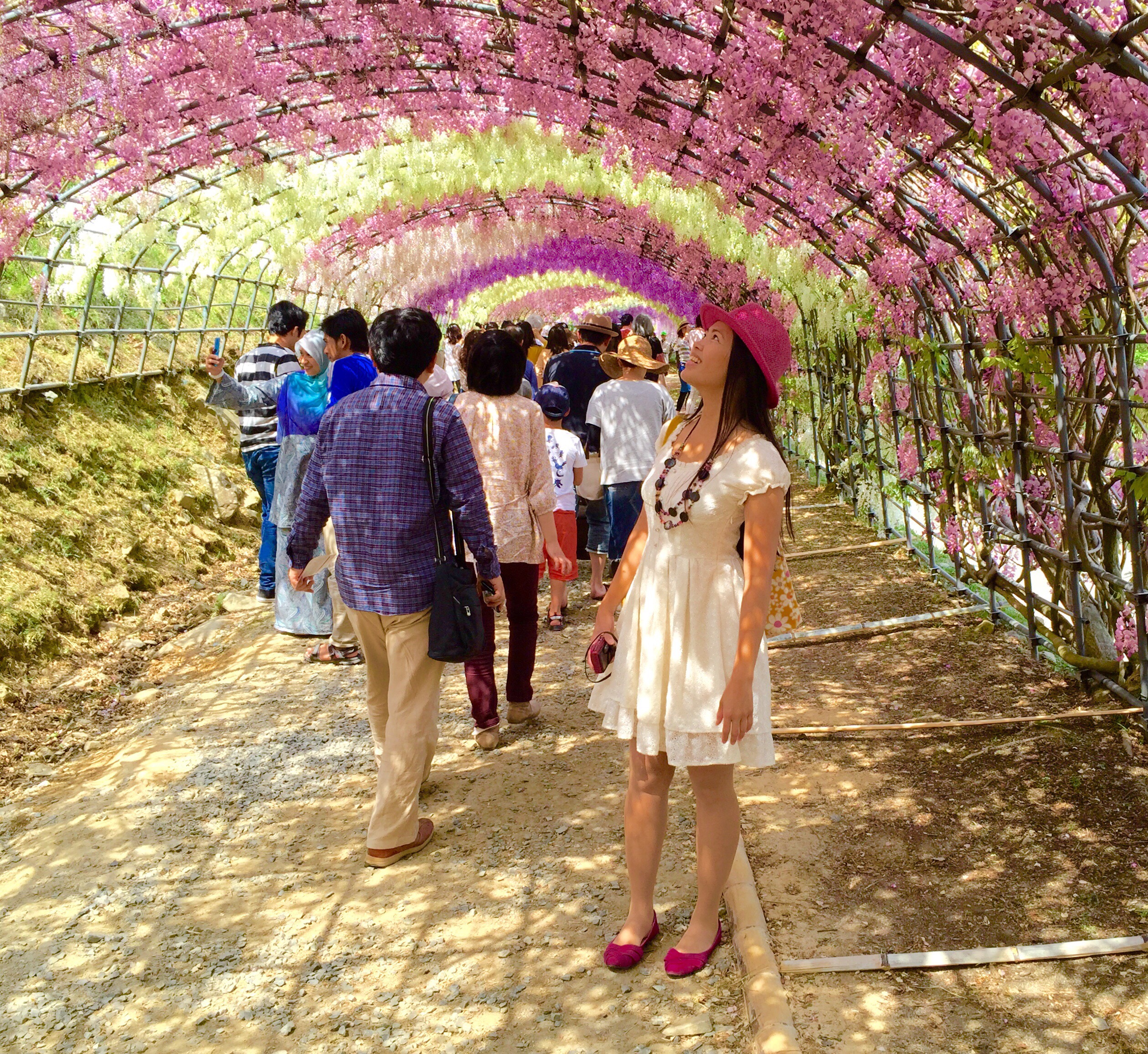
One of the most fragrant and amazing spring blooms is Wisteria. There are also many varieties but the most common is the purple one. It blooms from a tree and spreads wide. One of the most famous wisteria viewing place is the wisteria tunnel which can be found in Kitakyushu, Fukuoka.
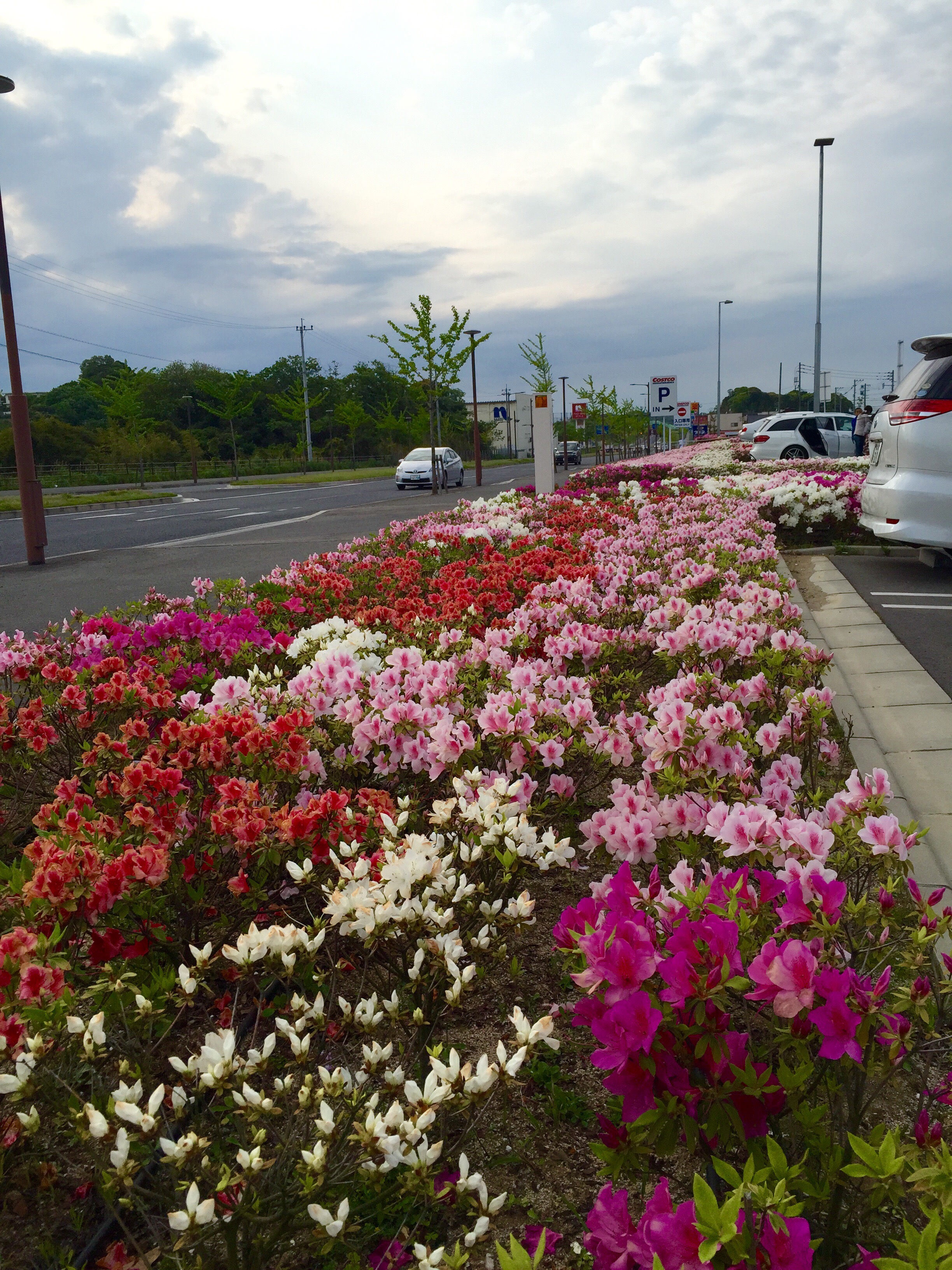
Another spring blossoms that paints the surroundings with different waves of colors is Azalea. It is known as tsutsuji in Japanese. It can also be seen typically anywhere. In the park, the neighbors’ garden, temples and shrines, sidewalk. It looks like small lilies.
There are so many flowers that bloom in spring. Not only Sakura. They bloom everywhere. They come in many different vibrant colors. Some are fragrant, some are not. All these flowers make spring a season to look forward to. And all these flowers, sad to say, are short-lived. Two weeks, three weeks, a month maybe and they’re gone. They fall to the ground and be swept by the wind. Gone in the soil. Another year to wait.