The world is celebrating fathers’ day. Messages and pictures are flooding the Facebook timeline.
Almost everyone is telling that they have the best father in the world. That they are happy and thankful to have them in their lives.
Some of the messages are not at all an expression happiness nor gratitude. Some expresses regret and longing.
Those messages are from the people whose fathers are not anymore in the physical world.
They’re gone. They’re missed.
And I’m one of those people.
If only I could turn back time, I would spend more time with my papa. I would talk to him. Ask him questions about his younger days. About his life. His struggles and successes. Everything. Anything.
I miss my papa.
In my whole life, I only hugged him once. That was the first and last. And that was the last time I saw him alive. That was the last goodbye.
So, to all of you whose fathers are still alive, go and tell them you love them. Don’t just post on Facebook. Go to them. Give them a hug. Talk to them. Ask them questions. Not just on Father’s Day. Make every day special because nobody knows when they will be gone…forever.
Wedding is one of the most celebrated events in one’s life all over the world. It is interesting to note that saying “I do” and the intricate details of getting married may be the same, slightly different or the complete opposite in one culture from another culture.
tickera.com
In this article, we will talk about the wedding cultures in Japan and the Philippines. Being a Filipina living in Japan for few years now, I am confident to say that I can at least share to you a little knowledge about this matter straight from my own experience. Some of it you may already know and some may surprise you. Some might make you feel glad that you are born Japanese or Filipino or the other way around.
Japan
Getting married in Japan is very practical and let me say very realistic. Let me enumerate them one by one.
1. Getting married in the city hall.
A couple can get married officially by going to the city hall and file a report of marriage. All you need to do is fill up a form where two witnesses sign, submit a paper proving you are eligible to get married, some pertinent documents like family register and that’s it. Once you submit these documents, get a marriage certificate, you’re officially married. This is the only way to legally get married in Japan. The marriage date is when you submit the papers.
2. Wedding ceremony.
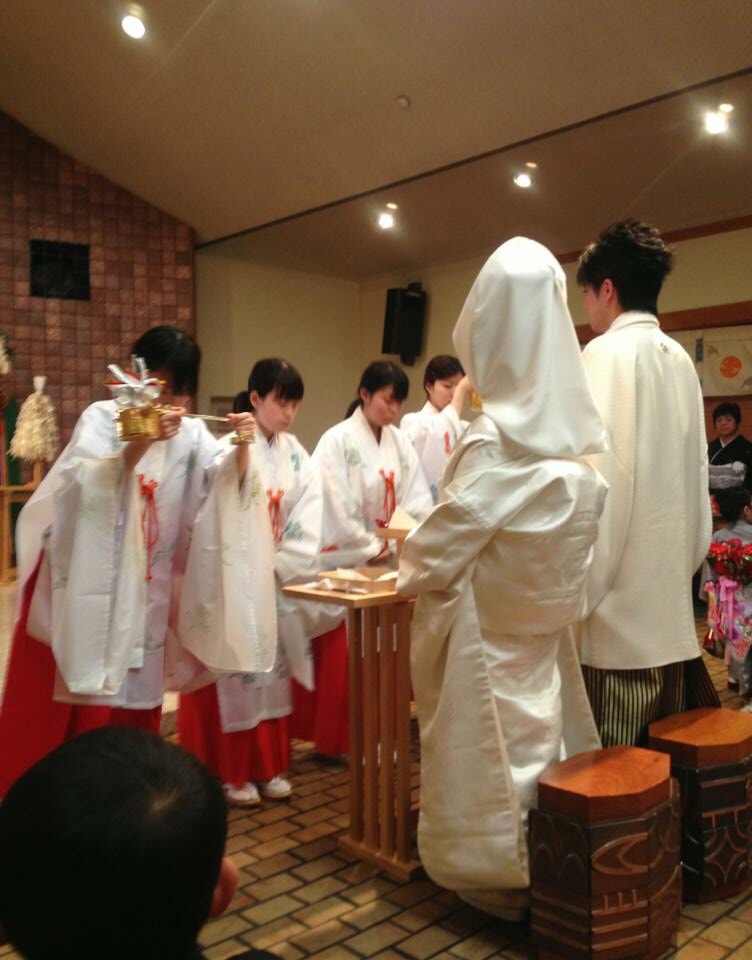
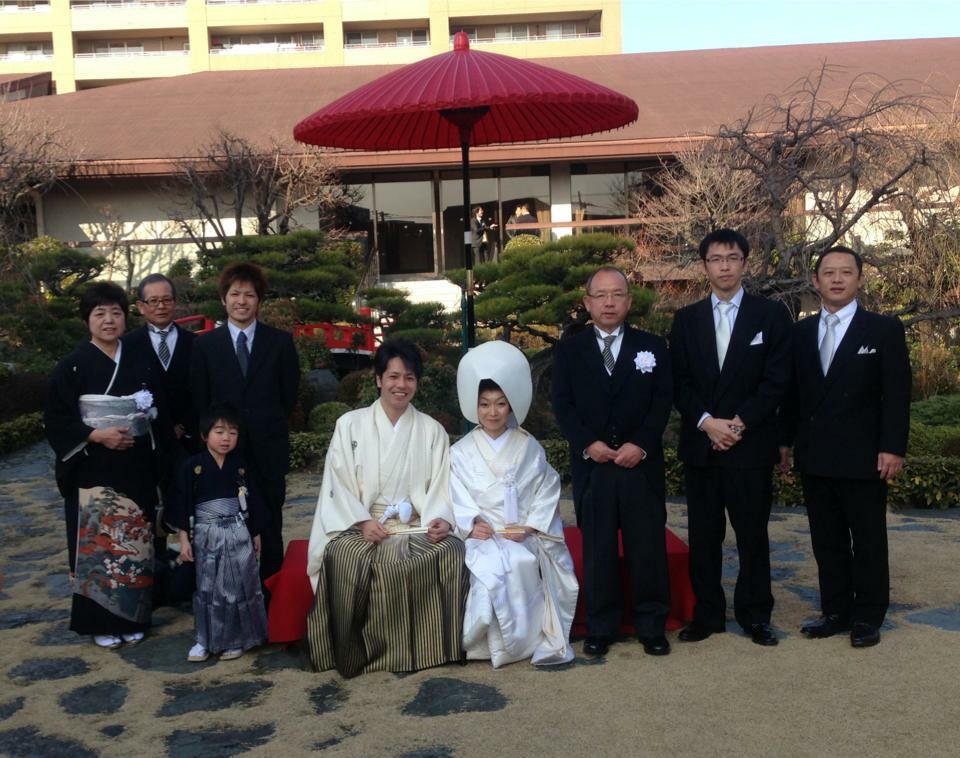
It is a common practice for Japanese to have a wedding ceremony after the official marriage in the city hall. The ceremony can be traditional or western style. This is when the couple with their families invite relatives and friends to celebrate with them.
3. Wedding clothes
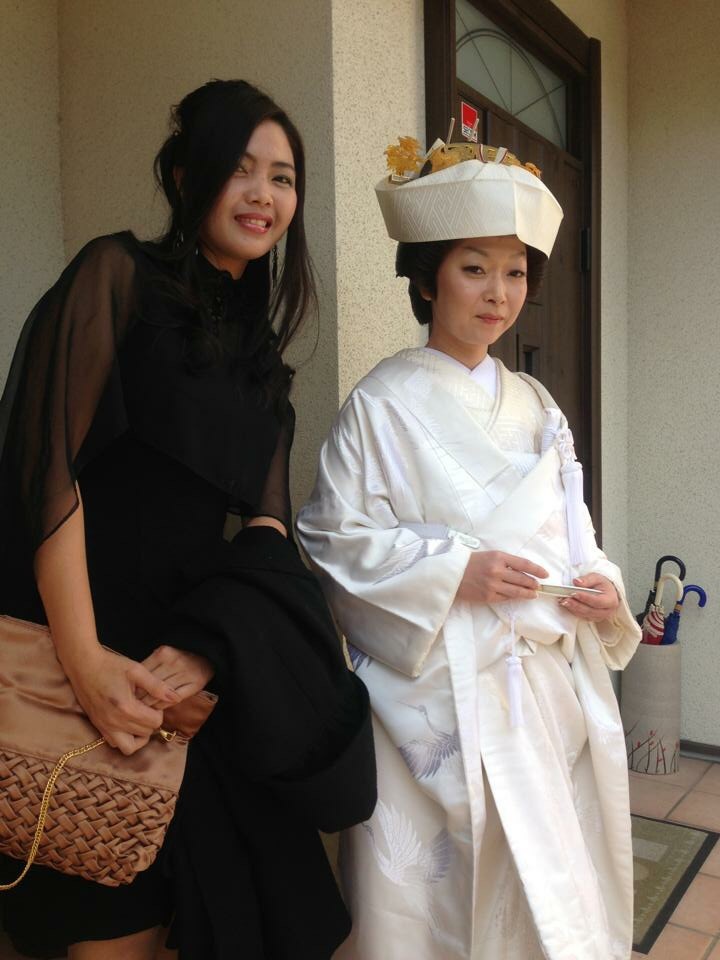
In a traditional Japanese wedding, the bride and groom wear the traditional wedding clothes. A black montsuki kimono and hakama for the groom and white shiromuku kimono for the bride. The couple also change attire to a more western style during the reception. Some brides get to change to three to five different gowns during the wedding party.
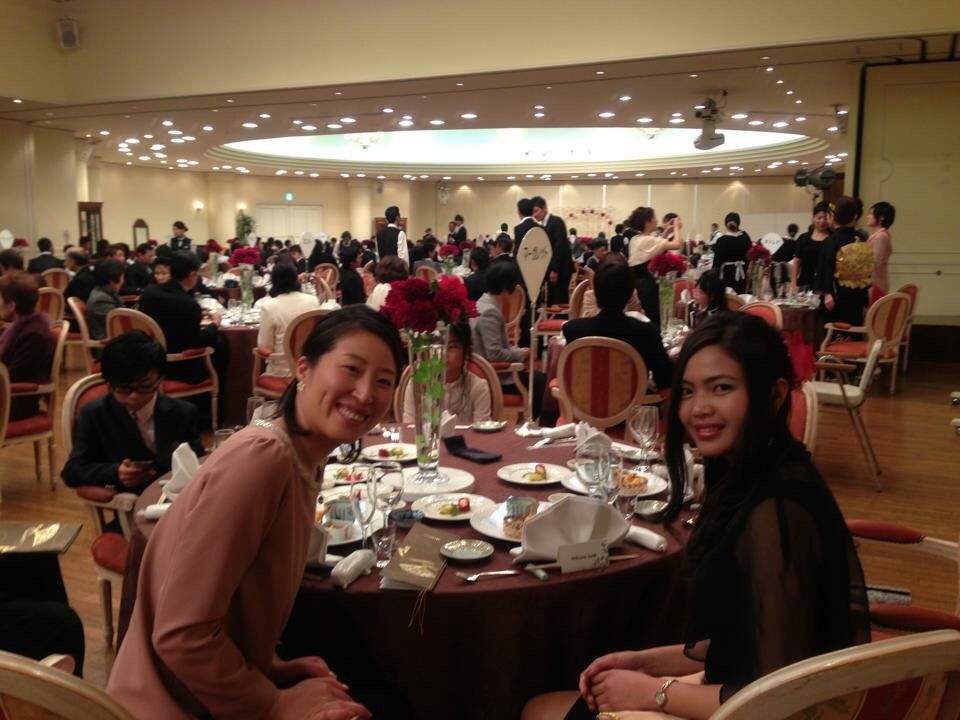
The guests usually put on a formal wear, usually dark colors. It is not uncommon to see guests wearing black dresses.
4. Money gift
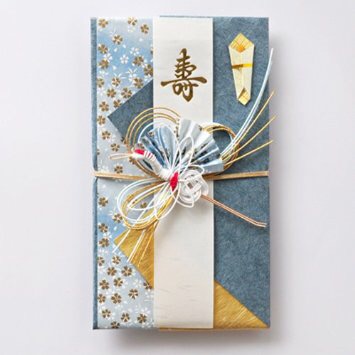
money envelope
This part of the wedding culture of Japan make a lot of foreigners’ eyes bulge and mouth utter a big “WHAAT?!” in surprise. In Japan, all invited guests, even family, will have to give a certain amount of (big) money to the newly wed. Immediate family should give the largest amount of money, especially the eldest sibling, usually up to ¥100,000. or more and friends should give at least ¥30,000. This money will help the newly wed cover for the wedding expenses. A very good idea, isn’t it?
5. Wedding Souvenirs
Wedding souvenirs in Japan are not just ordinary cute display. Couples usually give their guests something that can be used at home like kitchen wares. On the first Japanese wedding I attended, I got a set of three ceramic food containers. It’s so awesome. In another wedding, we got a half dozen of glass.
6. Wedding party
Wedding party does not end at the reception. They usually have a nijikai, an after party or a second party. Others even have sanjikai, a third party. Guests, especially the young ones go to clubs or karaoke and drink like there’s no tomorrow.
Philippines
Marriage in the Philippines can range from the very simple mass wedding, where many couples are wed at the same time, to the very elaborate grand wedding.
1. Pre-marriage preparation
gmanetwork.com
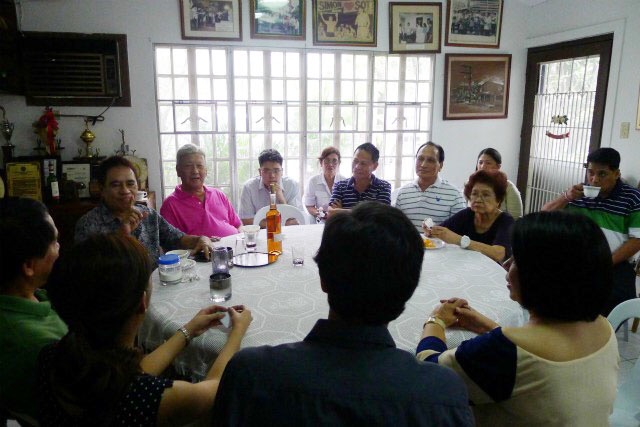
Getting married in the Philippines traditionally starts in a pamanhikan. This is when the man and his parents go to the woman’s house and ask permission to her parents to marry her. There is a small celebration and eat together during this occasion. In a very traditional family, there is a so-called dowry. It is the money and/or precious gifts given by the man’s family to the woman’s family as a symbol of gratitude. But, nowadays, pamanhikan and dowry are slowly disappearing.
Before a wedding ceremony can take place, a couple must secure a marriage license from the city hall, and undergo a pre-cana seminar, a seminar required by the Catholic church. Another pre-marriage preparation that is trending recently is having a pre-nuptial photoshoot. Unbelievably, Filipinos spend so much money for this photoshoot. Blame it to the social media and the photo fanatic society.
2. Wedding ceremony
youtube.com
Eighty percent of the Filipinos are Roman Catholic, so most prefer to have a church wedding , although a couple can also have a civil wedding less the hassle of submitting a bunch of requirements for a church wedding. Both church wedding and civil wedding are legally recognized.
There are so many superstitious beliefs that surround a Filipino wedding ceremony. You might as well do a separate research for this. A church wedding is a mass with the traditional ceremony including the lighting of the candle, putting on veil, putting on cord, and passing of coins, each with a specific meaning.
3. Wedding clothes
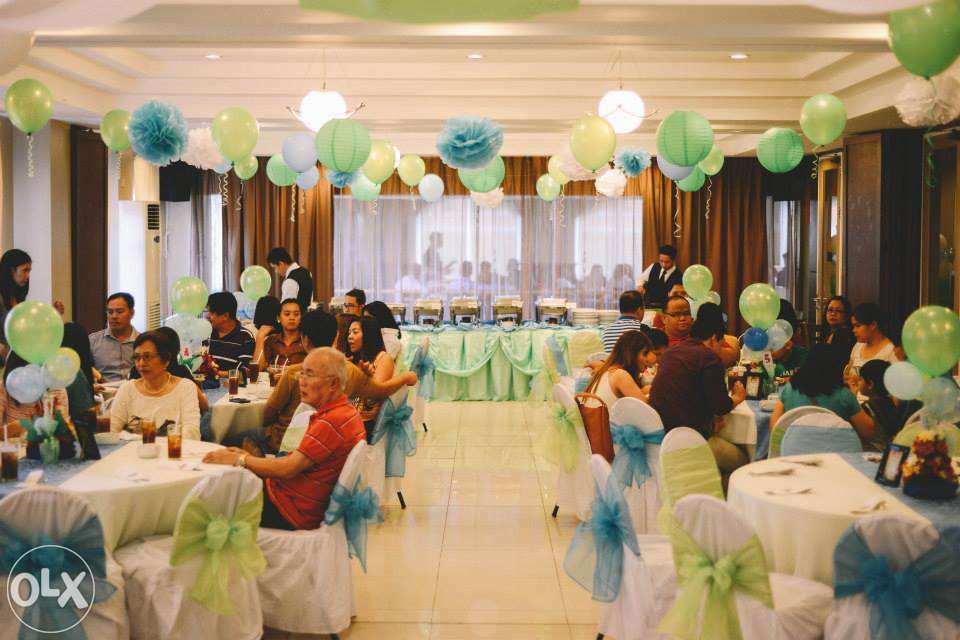
White wedding gown is the usual trend among Filipino brides matched with tuxedo for men. It is also common for men to wear barong tagalog, the traditional costume for Filipino men. A color motif is also a tradition in Philippine weddings. If the color motif is light green, everything should have at least a touch of light green, from the entourage’s clothes, guests’ clothes, reception decoration, cake, invitation card, and everything in between.
4. Money dance
forumbiodiversity.com
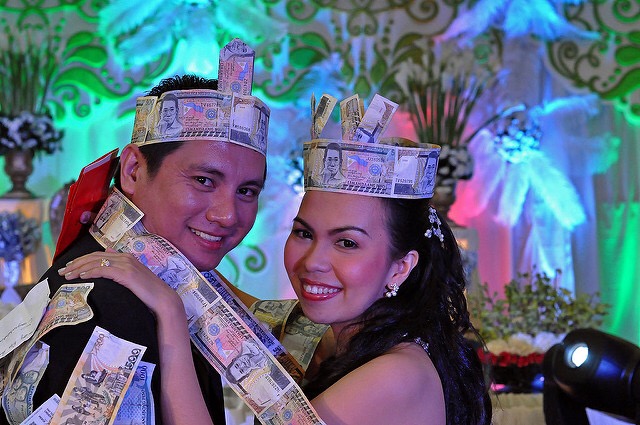
This is one tradition that has been passed from generations to generations. In some point during the wedding party, the newly-wed will have their first dance as a married couple and while they are dancing, guests will pin money on their clothes. The relatives of the groom will pin on the bride’s clothes and the bride’s relatives pin on the groom’s. The money collected will serve as a gift to the couple.
5. Wedding gifts
The newly-wed receives gift from the guests. It can be as big as a washing machine or refrigerator or as small as a dozen of spoons. There is a part in the wedding party where couples open the biggest and the smallest gift.
6. Wedding party
olx.ph
Wedding parties in the Philippines can be classified into two types. One is held in a commercial place like restaurant, hotel or resort. The other one is in the residence of one of the newly-weds (usually the bride’s). People in the city usually have their wedding receptions in commercial places and pay large sums of money for a specific number of guests. On the other hand, people from the countryside prefer to have the reception in their house and most of the neighbors (the entire community) take part in the celebration.
Contrasting Points
Wearing black dress in Japan during a wedding celebration is alright but never in the Philippines. It is considered as a sign of disgust and sadness.
Filipino guests don’t have to give money gift to the newly-wed like in Japan, instead, material gifts are given to the couple which are commonly household items to help the newly-wed in their start of a new life together. Rather, the newlywed can receive money through money dance.
One of the many interesting things you’ll learn from living abroad is that you get to know the foreign country’s culture and your own culture more deeply as well.
When I did my self-introduction in class, I introduced Halo-halo as one of the Filipino’s favorite desserts. Some students said it is being sold in Mini Stop. So, one afternoon, on my way home, I dropped by the convenience store Mini Stop and tried the Japanese style Halo-halo.
I was a little bit disappointed because I was expecting to have the kind of Halo halo that I know.
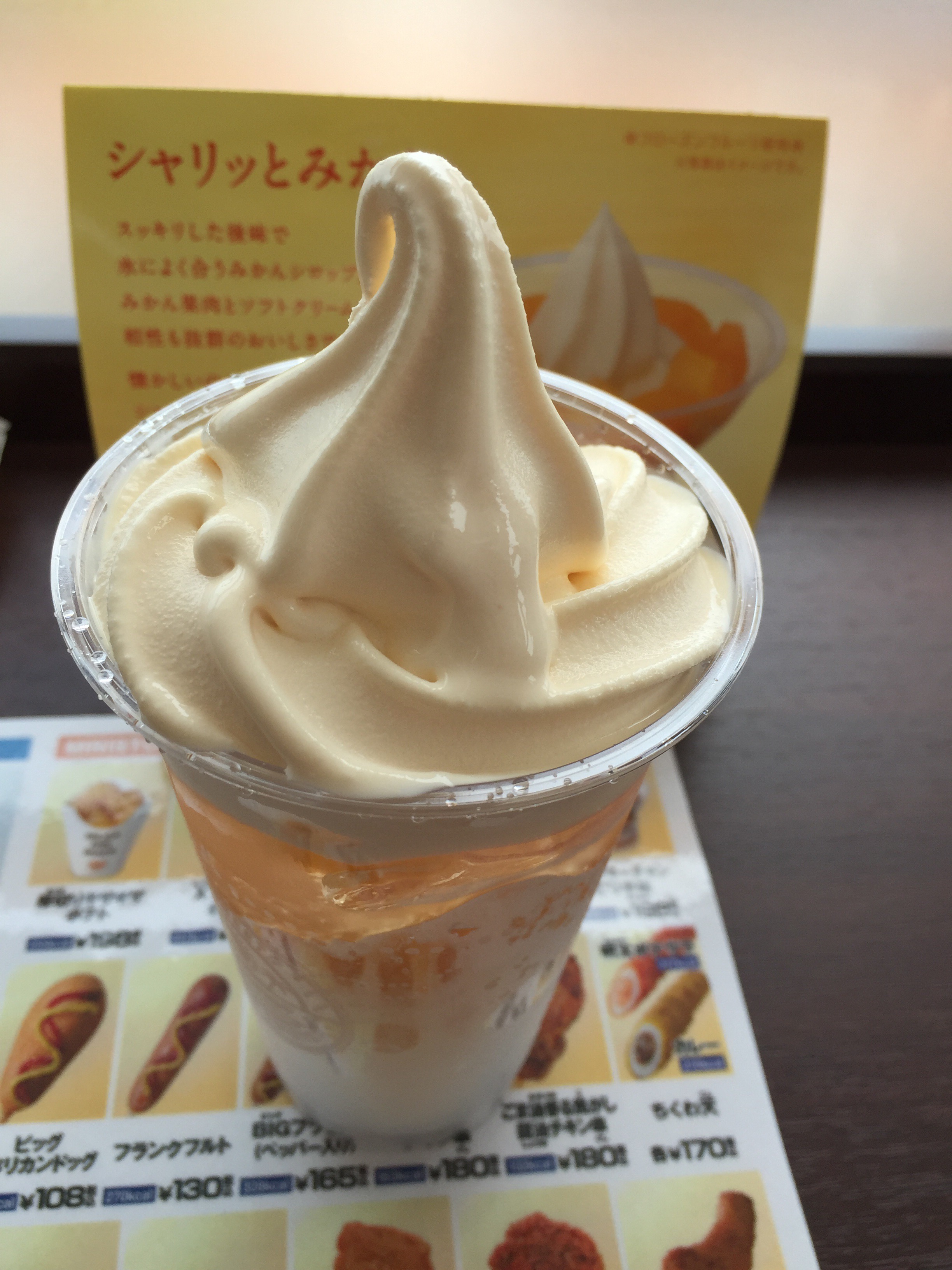
Instead, what I got is the one below.
There are four choices of Halo halo in Moni Stop. From left to right: Halo halo hakutou (white peach), Halo halo ramune (lemon soda), Halo halo kuromitsukinako (soybean in blackhoney?), and Halo halo reitou mikan (frozen oranges). I got the the first one on the left. It cost me ¥270 yen. It’s far from what I know Halo halo is but it’s good as what it is.
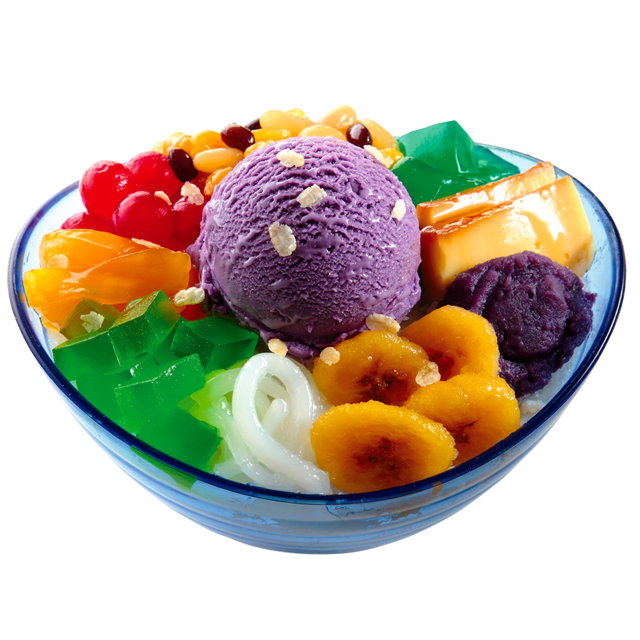
Philippine Halo halo
Halo halo is a famous dessert in the Philippines. It is made of finely crushed ice, top with fruits (usually jackfruit, banana, avocado,) sweet corn, red and green gelatin, ube, nata de coco, sago, sweet buko (coconut flesh), sweet beans, cornflakes, sugar, milk and finally ube ice cream on top. Halo means mix in English. You have to mix it before you eat it to enjoy this awesome dessert at its best.
One serving of Halo halo is about ₱40.00 equivalent to about ¥100.00. “Yasui!!!”, means cheap. As what my students said.
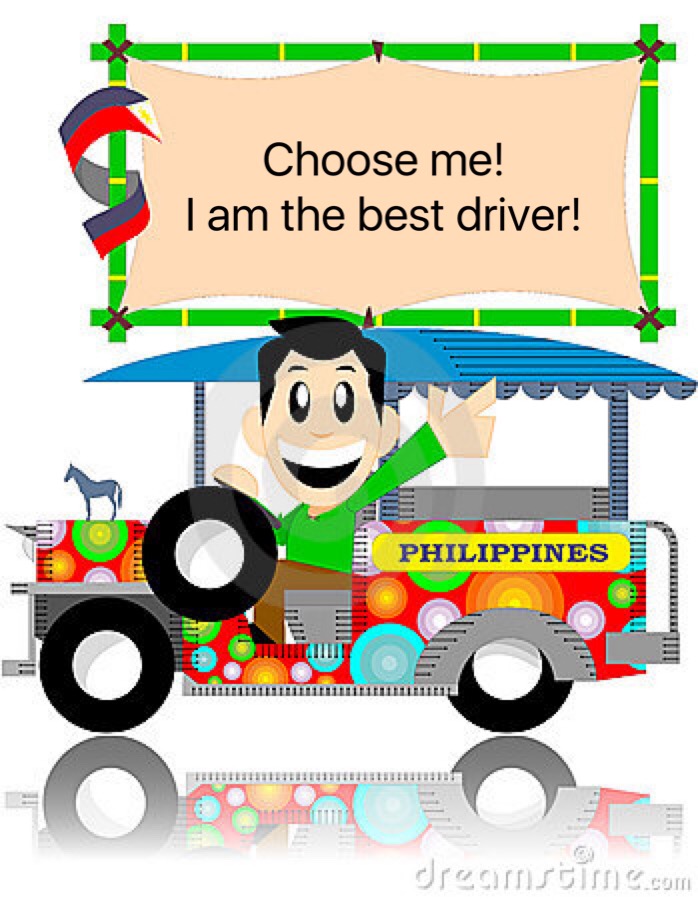
A new journey is set to start on May 9 in a community located down southeast. People will choose who will drive the jeepney. To be the driver is the most coveted position in the community.
Driver 1,2,3,4&5: I am a good driver. I can take you to a better place. Choose me.
Most of the Passengers: Yes! Thank you Driver 1! You are our savior! You are the only one who can take us there.
Driver 2, 3, and 4 and their supporters : Driver 1 is incapable. He is arrogant and boastful. He is sick. He is on drugs. You should not let him drive. It’s dangerous! Heed!
Driver 1’s supporters: You are jealous because we like him! Back off! We like him and only him can take us to a better place.
Driver 2: But, he is a killer-driver. Yes, he killed bad people but he killed some innocent people as well. Especially kids. They were kids playing on the street and because he thought kids should not play on the street, he bumped onto them, crashed and killed them. He is dangerous! Let me drive you and I will take you to a better place. I will give the poor a free ride.
Driver 1’s supporters: That’s good for those kids! They should be killed! They’re a menace to the society! They disturb traffic! No! We won’t let you drive. We don’t like you because of rumors that you are a thief.
Driver 2: That’s not true! I did not steal anything. They just said that to ruin me. They can’t even prove it.
Driver 1’s supporters: We still like Driver 1. He is so cool. He is the only one. He keeps his house clean. In fact, his house is the cleanest and safest house in the community.
Driver 3: No! It’s not clean. I know. There are roaches all over! Roaches eat the rotten food. They’re everywhere. His son feeds the roaches and he can’t even stop him. I know where we can get the rotten food in his house. I can show you.
Driver 1’s supporters: You are crazy! You can show us?? Hmmm… Maybe you also play with rotten food. You are a roach-feeder yourself! Back off! We don’t like you! You said you will take us to a straight road but we don’t believe you!
Driver 4: Don’t let him drive! Let me drive instead. I am calm and I don’t say bad words like him and I have a good plan for our journey. I value women because I am a woman myself. He is a womanizer. He joked about rape. Not a good example. He even cursed the priest. It’s not godly.
Driver 1’s supporters: Shut up! It’s just a joke. We like it. It’s funny. It’s so cool. He is one of us. You are ambitious! You are just an inexperienced woman. You are not even a pure member of this society! You just moved in!
Driver 5: I am the best! Choose me. I am intelligent and has a length of experience. I am tough.
Driver 1’s supporters: We know you are good but you are sick and you may die anytime. So, we will choose Driver 1. Will you just stop your dream to be the driver and support Driver 1 instead?
Conductor Aspirant: Driver 1 is a thief! A secret thief! He steals your money just like Driver 2. I know his secret box. Ben P. Isidro is keeping it in his house. I know how much money is in the box. I counted it. It’s true! I quit my job if it’s not true!
Driver 1’s supporters: You are bad! You are a barking dog! How did you know about the secret box? Hmmm…Ben P. Isidro is not good, huh! Why can’t he protect a secret? We’re not going to trust Ben P. Isidro anymore. We thought he is a good secret-keeper but he’s not. Friends, let us boycott Ben P. Isidro.
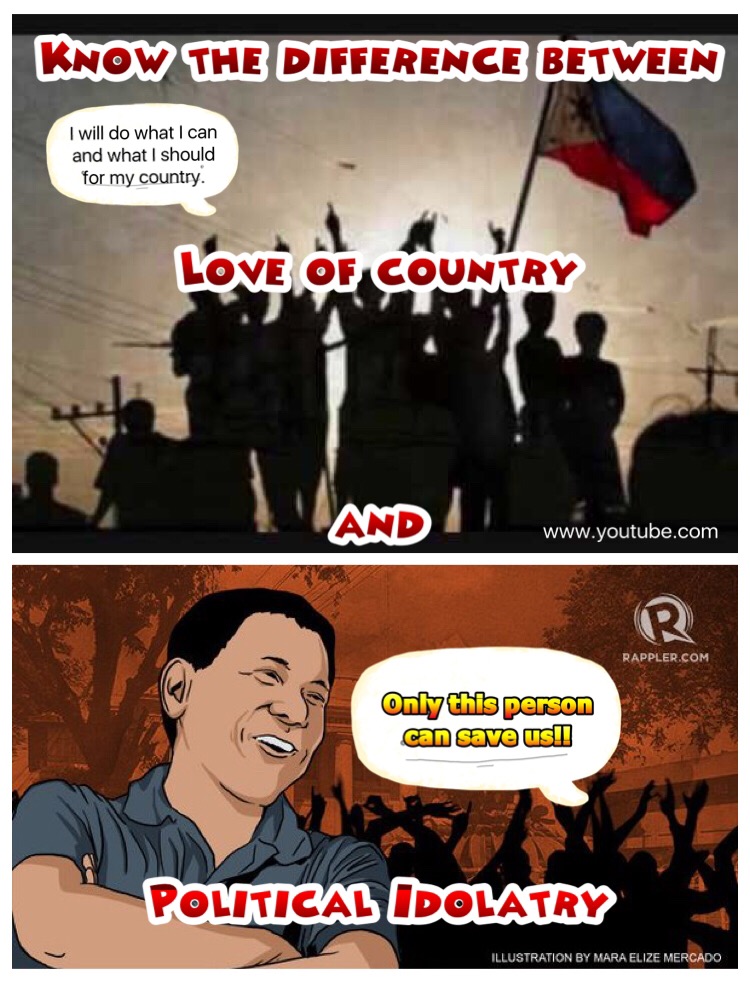
Those are all accusations! We love Driver 1. He is the only one who can save us!
Driver 1: Thank you, thank you! Yes, don’t believe them. You don’t need to scrutinize. Just believe me. I will take you to a better place.
Being a Filipino living in Japan for a while, I have experienced how birthdays are being celebrated in a different manner in my homeland Philippines and in my current country, Japan. There are a number of differences worth noting, for the love of knowledge about cultural differences.
(Photo from en.wikipedia.org)
Celebrating birthdays, I bet, is universal. Whatever race we are, wherever we are born, it is a fact that a birth of a person calls for celebration. It is done every year to commemorate one’s existence and life on earth. Like in most countries, birthdays are also celebrated in Japan and the Philippines. How is it celebrated? That’s the question I will try to answer.
Most Celebrated Birthdays
In the Philippines, the most celebrated birthday of a child is the first birthday. Expect balloons and party hats, souvenirs and cake, food and music. And expect all your invited and uninvited neighbours to come and celebrate. When a girl turns eighteen and if the parents can afford, a Debut Party is to be expected. It is the grandest birthday celebration of a young woman.
The Debut is the Philippine’s traditional coming-of-age birthday celebration. For the woman, it is celebrated with the traditional 18 roses, 18 candles, 18 tokens, the debutante’s pretty gown in a wedding-like celebration. For the man, the coming-of-age is at the age of 21, but with less formal or no grand celebration at all. The next grand celebration is at the age of retirement, which is 60 (voluntary retirement) or 65 (compulsory retirement). Filipinos life span is shorter compared with the Japanese, so expect big celebrations at old age (70, 75, 80 so on).
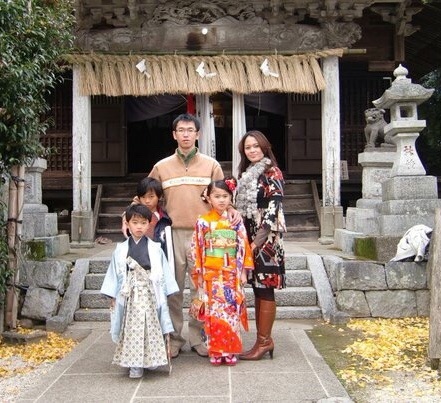
In Japan, where uniformity is an important aspect of the society, birthdays are somewhat celebrated on a nationwide level. For children aged seven, five and three, families celebrate on a national festival called “Shichi-go-san”, which literally means seven-five-three. Girls of age three and seven and boys of age three and five are celebrated, and parents pray for their children’s good health and growth. Children are dressed in their traditional clothes – the very expensive and fine kimono, and parents take them to the shrine to pray. Shichigosan is nationally celebrated every 15th of November.
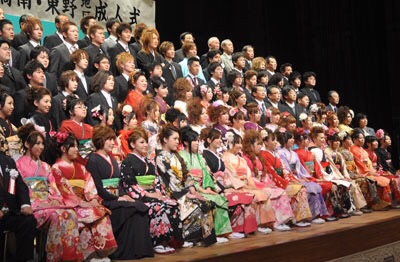
For the coming-of-age celebration, men and women aged twenty, gather in the city or town hall and celebrate “seijinnohi” or the Coming of Age Day. Women wear their finest and very expensive kimono called furisode with matching make-up, while men wear their finest suit or their traditional dress called hakama.
(Photo from minamishinshu.jp)
Simple or Grand?
In the Philippines, birthdays are big events. It is highly celebrated within the family and relatives and the circle of friends. Sometimes, weeks or even months before the big day, everyone looks forward and prepares for the big celebration. Of course, not every year is a big celebration. It depends on the individual family’s financial capacity. If you have the gold, celebrate like a star. But, if you just have a dime, settle for a simpler celebration. Rich or poor, may it be a hotel celebration with a hundred guests or pansit (noodles) celebration with the family, birthdays are hailed in the Philippines.
In Japan, birthday celebrations are usually celebrated in a simple manner. No extravagance, no big celebrations. Parents usually celebrate their kid’s birthday by simply preparing a small and family-exclusive party. Adults may go out with their intimate friends and celebrate.
Give or take?
One thing I observed about celebrating birthdays in Japan is that the celebrant is exempted to pay part of the bill. On my first birthday in Japan, my Japanese friend set up a dinner party with our other international friends and at the end she did not allow me to pay since it is my birthday. It is the complete opposite of my experience in the Philippines. When I celebrate my birthday, my friends and co-workers expect me to give them a treat. Take them out to a nice restaurant and pay for their meal or invite them in your house and prepare food for everybody to feast. In the Philippines, generally, the celebrant is the one who spends.
Feast or meal?
Big birthday celebration in the Philippines is like having a feast. Filipinos love to cook and eat and love to entertain guests. Expect lechon (whole roasted pig) on the table which everybody loves, and a lot more food, including pansit, lumpia and adobo. Not to mention the drinking session that will follow after. There are also games and karaoke singing.