Category: Anything Under the Sun

  • 10 Differences Between Elementary Schools in Japan and the Philippines

    1. Teachers in Japan do not have a permanent school assignment. They change schools. They can only teach in one school for three to four years the longest. They have to move to another school within the city or the neighboring cities. New teachers change from one to three years and veteran teachers who are about to retire can stay in the same school for up to seven years.

    In the Philippines, most teachers stay in their assigned schools until retirement, unless they want to be transferred to another school for personal reasons or for promotion.

    2. Teachers in Japan change grade level assignments. Not only that teachers have to change schools in Japan, they also have to change their grade levels assignments. For example, a teacher who teaches first grade this year will most probably be teaching second year the following year. They follow the students they are teaching. Few teachers remain in the same grade for consecutive years.

    Whereas in the Philippines, most teachers stay in the same grade level until retirement. It is not uncommon for siblings to have the same first grade teacher.

    3. Class schedule in Japan changes everyday. Class schedule in Japan is not fixed for the whole year unlike in the Philippines. The schedule is announced a week or a day before usually on Fridays. It is very easy to change the class schedule in Japan because all subjects are taught at equal amounts of time. Each subject is taught at 45 or 50 minutes. Unlike in the Philippines, academic subjects like Math and Science are taught up to one hour or longer and shorter time for non-academic subjects like Music or Home Economics.

    I was very surprised about this when I came to work in Japanese public elementary schools because in the Philippines we decide on the schedule at the beginning of the school year. Teachers gather and spend a good amount of time making the schedule that would fit every teacher’s individual schedule and every class’ individual schedule. It’s not easy to make the schedule work for every teacher and every class. Once decided, we follow this schedule from start (June) to end (March) unless there are important changes that we need to do.

    4. Japan is a country that values equality and uniformity. Equality in schools is observed through equal treatment of students in terms of opportunities and participation in activities. For example, on a Sports Day, all students participate regardless of their physical abilities. Everyone can participate in racing whether he runs fast or slow or even in wheelchair. Whereas in the Philippines, competition is common. We have all sorts of school competition (Quiz Bee, Spelling, Beauty Contest, Money Contest, Sports Meet, etc.) which is not very common in Japan. It is a battle of the fittest in the Philippines. And only the fittest and the brightest shine. Uniformity is also a very important attribute of Japanese schools and the whole society in general. This can be seen through uniform designs of school bags, school shoes, haircuts and even hair color in junior high schools and high schools. Wearing black suits over white inner is common and considered standard for students on the job training and for those looking for a job. Subtle, basic colors are the staples. It is not pleasing to stand out like a sore thumb in Japan, which is the opposite in the Philippines. Filipinos like individuality and assortment and we like to stand out. Medatsu is a Japanese word which means to stand out. In Japan, you don’t want to be a medatsu, but in the Philippines, being a medatsu is encouraged.

    5. Outdoor and indoor shoes shoes culture in Japan. The footwear worn from the house and outdoors will not be allowed to be worn inside the school buildings. Each class/student has their own shoe box. Upon entering the school building, outdoor shoes are changed to indoor shoes. Japanese are very particular about cleanliness. Indoor shoes help to avoid dirt getting inside the school building from outside.

    In my native land, this custom doesn’t exist. Although some individual teachers require their students to bring indoor shoes, and have their own classroom shoe box, this is not considered a standard for everyone to follow. It’s all up to the teacher or the principal.

    6. Japanese teachers should be able to play the piano and swim before they can pass to be a licensed teacher. In Japan, each elementary school teacher is expected to teach music, play the piano of course and to teach swimming in the school’s swimming pool.

    Most public schools in the Philippines don’t have a single piano. Even the small private schools don’t. Teachers teach music even without the ability of playing any musical instrument. It is not a requirement. But, Filipinos love to sing. And I wonder why even though we lack many musical instruments, which sometimes we can only see in pictures or drawings that teachers ask the students to draw (draw the three types of musical instrument: brass, wind and percussion and make a scrap book in music class), we can still sing out loud from the bottoms of our hearts. 🙂 Many Filipinos are famous singers locally and internationally.

    For an elementary student in the Philippines, having a swimming pool in the school is like living the dream. Filipinos love swimming. Most occasions like birthdays we like to celebrate it in the beach. But, unlike Japanese, we don’t learn basic swimming skills in school. We learn it on our own. Pretty sure by just going to the beach often or the nearby river. Beaches in the Philippines are open all throughout the year and we even have night swimming. This is a big surprise to the Japanese people since they can only go swimming in the beach in summer. Night swimming is rare. Swimming schools are open all throughout the year but swimming pools are only open in summer.

    7. School lunch in Japan is prepared at schools or school lunch centers. School lunch is one of the best features in Japanese schools. I have a different detailed blog about it here. I like Japanese school lunch. It saves me from the hassle of preparing my own packed lunch and saves me some yen since school lunch is cheaper compared to buying food outside. It’s nutritious, well-balanced and well prepared. Japanese students help in the distribution of their school lunch. Whereas in the Philippines, students can opt to bring their lunch boxes, buy at the school canteen or go home and eat if their houses are close to school.

    8. Japanese children walk to school on their own (with exemption of those living in far-flung countryside). Chaperon and giving children rides to school are greatly discouraged and most often not allowed in Japan. Students go to school by groups according to their area of residence. In the beginning of classes in April, parents and guardians will accompany grade one students on their way to school but only up to few meters away from their houses. Not all the way to school.

    It’s a different scene in the Philippines. In the beginning of class, about 90% of grade one students are taken to school by their guardians. Guardians even stay to watch the class from the classroom windows. Although this is discouraged by the school, some parents couldn’t help but watch their kids in class. In the weeks that follows, fewer guardians do this. Many children, especially lower grades, are taken to school (up to the school gate) by their guardians all throughout the year. In some private schools, there are car pool companies that take children to school for a specific amount of fee.

    The difference lies about the distance and safety. In Japan, students should go to the nearest elementary school in their area, not in any school they want to go unless they want to go to a private school. It’s usually a few minute walk from their houses. Except if you’re living in the inaka (country side) where your school can sometimes be as far as an hour walk. In the cities, there are traffic volunteers (usually the elderlies) that guide students in their way to school making sure of the safety of the road. Parents, teachers and principals also help in doing this. This is called ‘koutsu jidou’ in Japanese. Parents take turns doing this. It is very common to see the elementary school principal guiding the traffic and greeting students in front or near the school gate. In the beginning of classes, usually the whole month of April, teachers accompany students halfway on their way home where guardians are waiting to take them up to their houses. This is only done in the beginning and when students get used to it, they go to school and go home with their own groups. Whereas in the Philippines, many parents opt to send their children to central schools, the big schools in the heart of the city, which is very far away from their houses and nearly impossible to get to by foot. With the distance problem and the traffic, it is dangerous and impractical to walk to school.

    9. Recess time in Japan is not eating time. Classes in Japan usually starts at 8:30 in the morning. Four subjects are taught in the morning which usually last 45-50 minutes with 10-15 minutes interval. The nakayasumi is the mid-break and the longest break. During this time, students can go to the playground or to the library or just relax and have a break. In the Philippines, subjects are usually taught consecutively without intervals (for example, schedules are 8:00-9:00, 9:00-10:00) and during the recess time, students usually eat their baons (bring to school snacks), or go to the school canteen, or buy at the canteen tray delivered in their very own classroom. Baon can be food or money or both. This is a part of Philippine culture that most school children look forward to and recess time is jokingly everyone’s favorite subject.

    10. Bringing money to school is okay in the Philippines but not in Japan. As mentioned above, students can buy food to eat during recess time in the Philippines and students can bring money as much as their parents can afford to give them. In Japan, it is uncommon for students to bring money to school and if they do, there is a limitation, for example, elementary students can only bring ¥100, junior high schools ¥300. There is nothing to buy at the school so there is no need for money. Japanese students are also not allowed to bring their own snacks or use accessories or bring CDs etcetera.

    These are only few of the many differences between the elementary and junior high schools in Japan and the Philippines. These differences are of course very normal and not written to make one country look better or bad. These differences are part of the culture and that is what makes each country unique.
  • Renewing My Driver’s ’ License in Japan

    Almost six years ago, I got my first ever driver’s license here in Japan. I didn’t drive in my home country because it was more convenient to use the public transportation and the fact that my workplace is just a walking distance from my house, I found no need for me to drive.

    Fast forward to year 2019, I got a notice from the Drivers License Center that I needed to renew my license (that was around August).

    I would like to share my experience of renewing my drivers’ license for the first time in Japan. As a foreigner, it is not unusual to make mistakes or misunderstand an instruction written in full Japanese. It happened to me the first time I had to renew my license. I did not read/could not read the instructions clearly. I went to the driver’s license center too early for the renewal schedule . You can ONLY renew your license ONE MONTH BEFORE AND ONE MONTH AFTER your birthday. It was very disappointing the fact that I traveled so far to go to the bigger city to renew. I had to take the train, subway and bus but to no avail.

    One month after that I went again to the driver’s license center to renew my license making sure with the schedule.

    I would like to share the steps I went through during the renewal.

    Step 1. Acquire Forms.

    I went to the receiving desk and showed my driver’s license to get the Health Questionnaire and Renewal Form.

    Step 2. Answer Health Questionnaire

    To tell you honestly, I couldn’t read everything in the questionnaire because, of course, everything was in Japanese. I just used my common sense. I am healthy. I didn’t get sick so I filled all いいえ box. That means ‘no’. I don’t have any diseases or illnesses or hospitalized for some reasons.

    Step 3. Fill-up Renewal Form

    Filling up the renewal form was easy except for the address part where I had to write our new address which has three difficult kanji characters. Well, I used my Imiwa app which shows how to write a kanji so it was not really that hard.

    If there is a change of name and address, you have to present an ID or any document that shows the change. I used my Residence Card and my My Number Card.

    Step 4. Payment

    I paid ¥ 3,850. It was not a long wait. I finished in less than five minutes. At first, there were four people ahead of me but the collection was fast. There were three ladies collecting fee and another lady made sure that everyone was accommodated. No fuss.

    Step 5. Eye Test

    The line was long here. There were three lines and I chose the middle. All you have to do here was to look in the round glass thing and tell the personnel assigned where the letter C is facing. It’s either hidari (left), migi (right), ue (up) or shita (down). After that I was directed to go to the second floor window 6.

    Step 6. Encoding.

    This was fast. Two people were ahead of me but I also finished in less than five minutes.

    Step 7. Photograph.

    I lined up (I was third in line) and when it was my turn, the personnel gave me a number in a brown plastic and directed me to the photo booth where there was another man stationed there. He took my photo and I finished in less than one minute.

    Step 8. Renewal Lecture.

    I had to go to the fourth floor from the second floor and many personnel were waiting by the corridor guiding the people. One old man guided me towards my seat.

    The lecture was about an hour and it was on a projector from a PowerPoint presentation. One of the staffs came to me and told me that there is an English and Chinese subtitle so I don’t need to worry. Part of the lecture was a review about driving accidents and the importance of driving safely. The last part would make you really pay attention in driving or rather get scared because they will show real footages of vehicular accidents caught on dashboard cameras.

    Step 9. Releasing of Renewed License.

    After the lecture, names will be called one by one and they will give you your newly renewed driver’s license and that’s the end of it. You can now leave the premises and drive home carefully again.

    I was given another blue license that would last for two years.

    This year, 2021, I renewed my license again to a gold license, a license given to drivers without violation in five years. The procedure was pretty much the same and the only difference is I did not need to go to the testing center. There was a renewal center in my city dedicated for gold license. I only had to reserve online in advance because of the limited seats available due to COVID-19 limitations.

    And that’s all for how I renewed my driver’s license here in Japan. I hope you can get something helpful from it.

    Thank you for reading.

  • Coronavirus Effects in our Society

    Covid-19 has been flooding the news headlines everyday. We see the number of cases and death tolls go up. As of this writing, there are already about 114,000 cases around the world with about 4,000 deaths. (More detailed information here )

    We see different reactions and opinions from people – ordinary folks and politicians alike.

    Some say it’s really serious and deadly. Some say its nothing but some kind of flu that is just being exaggerated and sensationalized.

    In my observation, this virus certainly bring out some good and many bad things in our society- faster and worse than the virus itself.

    Let’s start from the more obvious and dominating.

    The NEGATIVE SIDE.

    1. FEAR

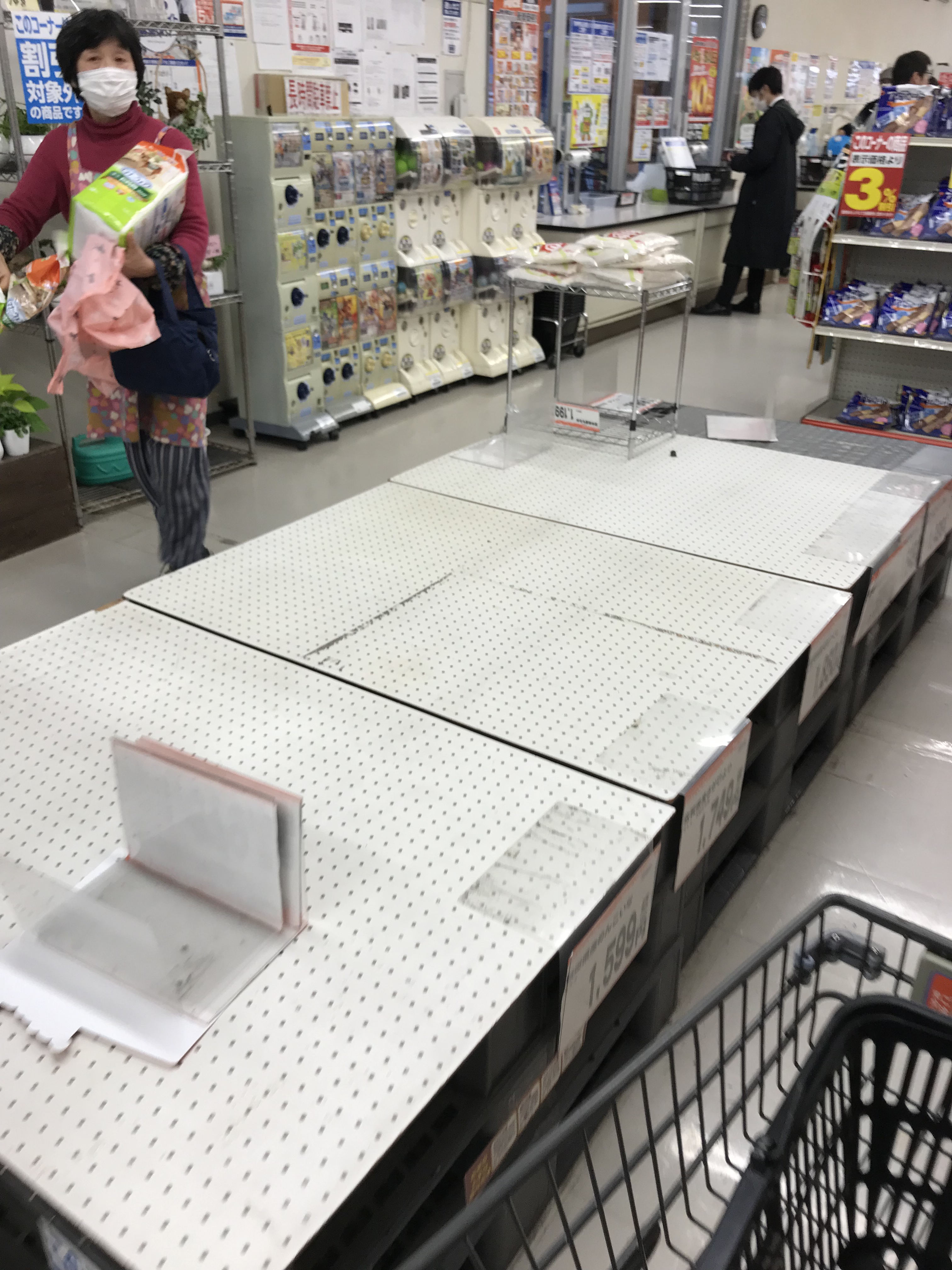
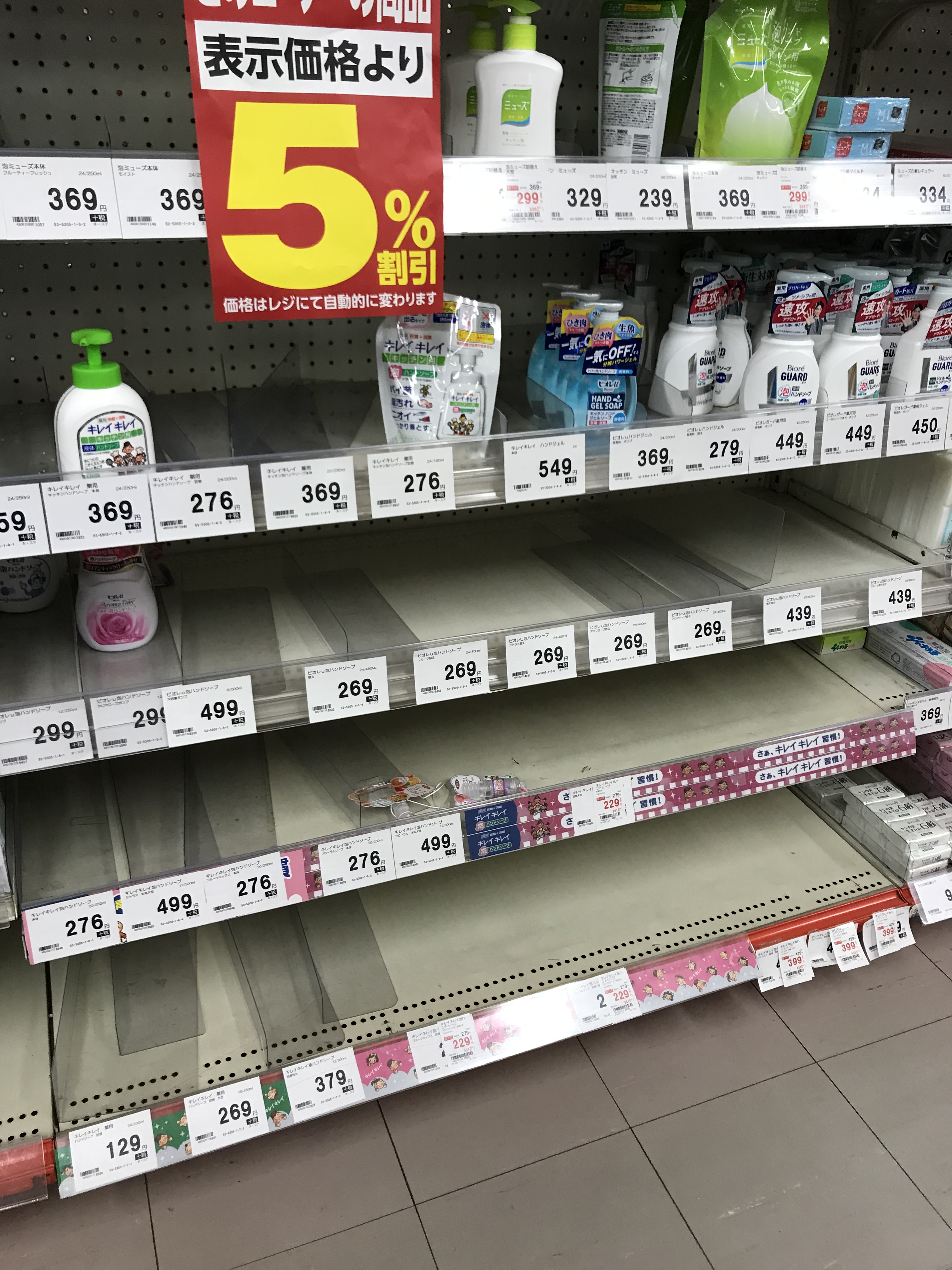
    Fear is not always negative. Sometimes, it is positive. But with Covid-19, it’s the negative effect of fear that drives people to resort to PANIC BUYING. Fear of not having enough supplies when pandemic strikes. Not only in China, where the virus originated, but also Japan, Australia, USA, and other countries, that people emptied the stores of masks, hand soaps, sanitizers, rice, and for some “mysterious” rather crazy reason, toilet paper. It is the game of psychology, social pressure and conformity – to do what others do. You buy, I buy, we buy, everyone buys. It’s more contagious than the virus. It’s fueled with the anxiety of what if’s. “What if we run out of this?” “What if we run out of that?” “Better safe than sorry.”

    Fear of Asians/Chinese since its in China that the virus is said to originate.

    Fear of people, of crowd, of gatherings.

    Fear of the unknown.

    Rice area in the supermarket
    Hand sanitizers section

    2. GREED

    The real opportunists disguised as business people found this situation very much appealing, the chance of a lifetime. They joined the hoarding and sell the items in way more higher, ten times as much, the original price. How can a box of mask cost about ¥20,000 online when it was originally priced at about ¥2,000?

    3. HATE

    Nobody wants to get infected and anyone who manifests as carrier or identified as originating from an infected country, is shunned, blamed, bullied and worse, beaten. A confrontation occurred because one train passenger coughed. In the beginning of the outbreak, many people are asking its government to close its doors to all Chinese – as if all Chinese, ALL OF THEM are infected. Hate brings forth distrust and division among people.

    4. IGNORANCE

    Just because someone looks like Asian or Chinese doesn’t mean the person is infected. Just because the number of infected person goes up doesn’t mean they all die. Just because other people are grabbing toilet paper in the supermarket that you need to grab one for yourself as well just for the sake of joining the “trend”. If you really need it, that’s understandable. But, buying because others are buying, I think is not. Everyone should equip themselves with the proper knowledge and information to avoid this act of ignorance.

    5. DIVISION

    Countries are closing its borders to avoid the spread of the deadly virus. Recently , Japan has canceled visas of Chinese and S. Koreans. S. Koreans retaliate by doing the same.

    6. BUSINESS BANKRUPTCY

    The effect of coronavirus on business establishments is certainly not good. It is indeed “deadly”. Many tourism-related business establishments like hotels and tour services bankrupt because of travel bans. Not just establishments but cruise ship operator as well. Many concerts and events are canceled. Even Tokyo Disneyland is closed for two weeks in March.

    Now, let’s look at the POSITIVE SIDE

    1. HEALTH CONSCIOUSNESS– More people become more conscious about health, hygiene and sanitation. Frequent hand-washing and disinfecting lead to lesser flu cases compared to the previous years. At least the panic buying of hand sanitizers did not go to waste.

    And while other go insane by stockpiling tissue and toilet papers, others buy hand soap and vitamins. Taking vitamins and supplements is also another way to boost the body’s immune system.

    Wearing mask has also become a necessity and some schools and offices make it a requirement.

    2. CREATIVITY – Because masks are nowhere to be seen, some people went back to basic home economics by making their own homemade mask.

    3. INITIATIVE

    The positive side of panic buying is that people, specially mothers, make sure that their families will never go hungry by buying and stockpiling basic necessities making sure the pantry is full enough in case pandemic is to happen.

    Country and community leaders implement measures to avoid the spread of the virus. Japan cancels classes in the elementary, junior high and high school for the whole month of March. Not just Japan but also in the US.

    4. SENSE OF HUMOR

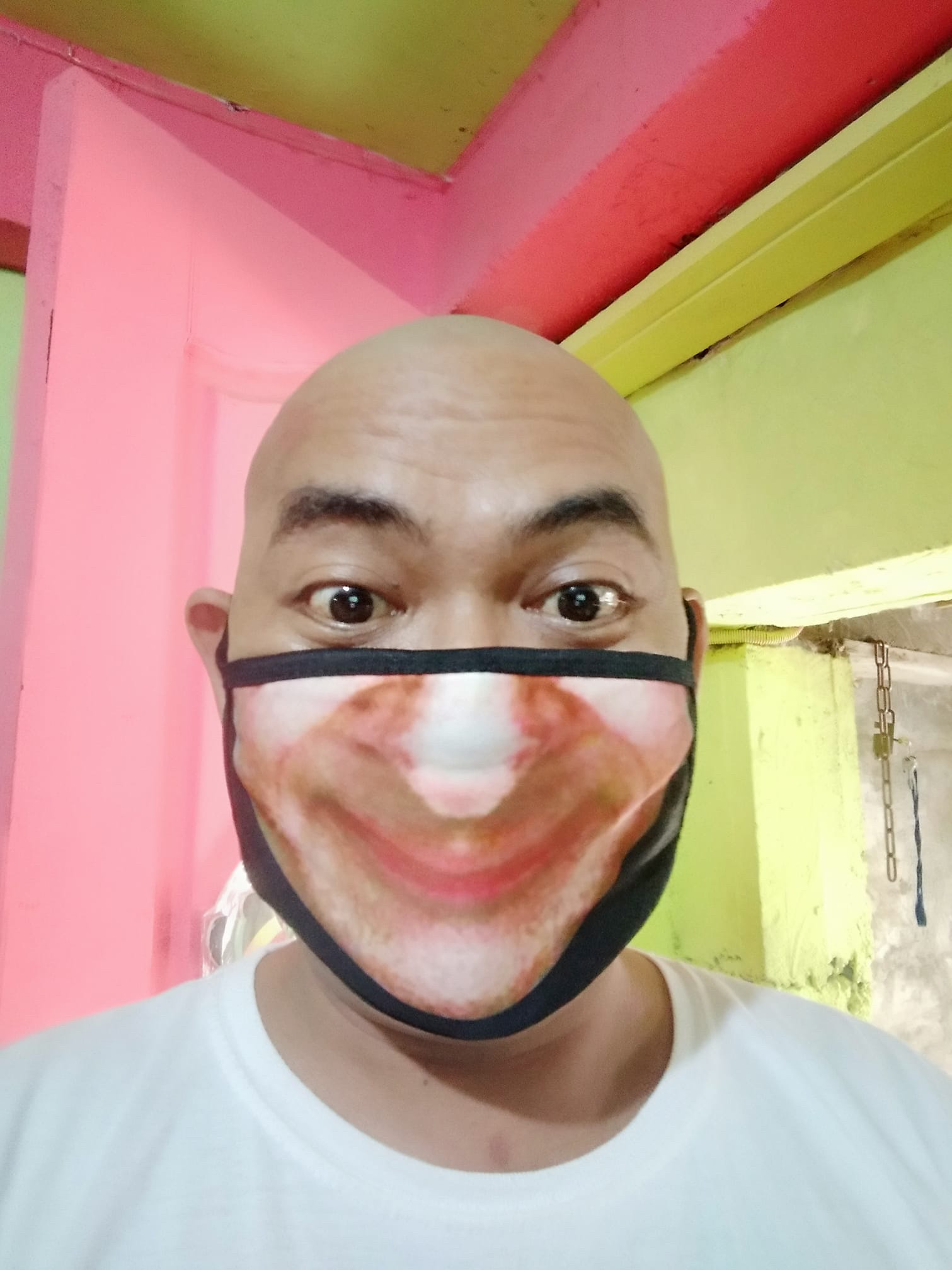
    Some mask manufacturers add humor by using funny mask like the one below.

    Photo from Facebook of Shernan Lanoy

    There are a lot of Facebook posts related to Covid-19 that will make you laugh. Just check your timeline and you’ll see for yourself.

    I have this one for example:

    Screenshot from my Facebook timeline

    I, myself, is scared of what is going to happen with this new virus. Although I did not join the panic buying. Well, I almost did. The fear of the unknown is really contagious. It makes me more conscious of my health. I am hoping that this will pass soon. I also hope no one of my family and friends will get it. For now, I will just enjoy the funny posts in my timeline.

  • New Year’s Celebration in Japan and the Philippines

    As a Filipina living in Japan for many years now, I can compare how New Year’s Day is celebrated in both countries. There are few similarities and many differences between Philippines and Japan celebrating New Year’s Day that I would like to share according to my observation and experience.

    Decorations and Preparations

    In the Philippines, whatever is decorated for Christmas will be carried over for the New Year’s. In fact, the greetings “Merry Christmas and a Happy New Year” is commonly displayed in houses, offices, shops, restaurants and malls.

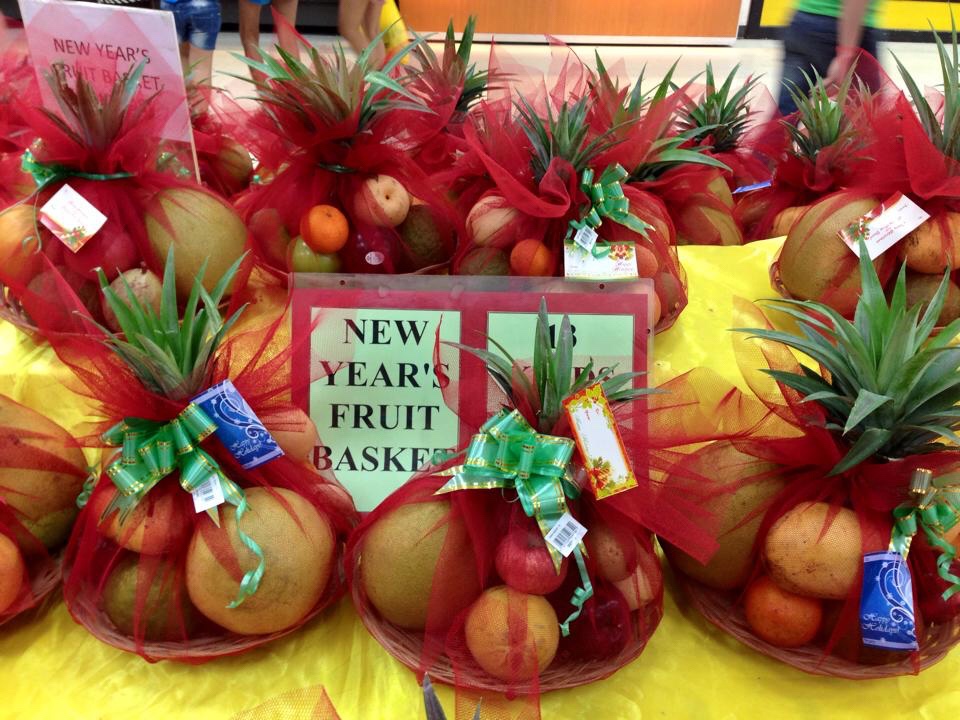
    To welcome the year, a tradition of displaying 12, which is recently changed to 13 round fruits – we call the lucky fruits on the dinner table on New Year’s Eve, is practiced in the Philippines. 12 represents each month and 13 represents an extra month which means abundance. Round signifies infinity, no beginning and no end of good luck and good fortune. Round objects are considered lucky so it is common to see people wearing polka dots. Round and sweet foods like leche flan, puto cheese, kalamay are considered lucky.

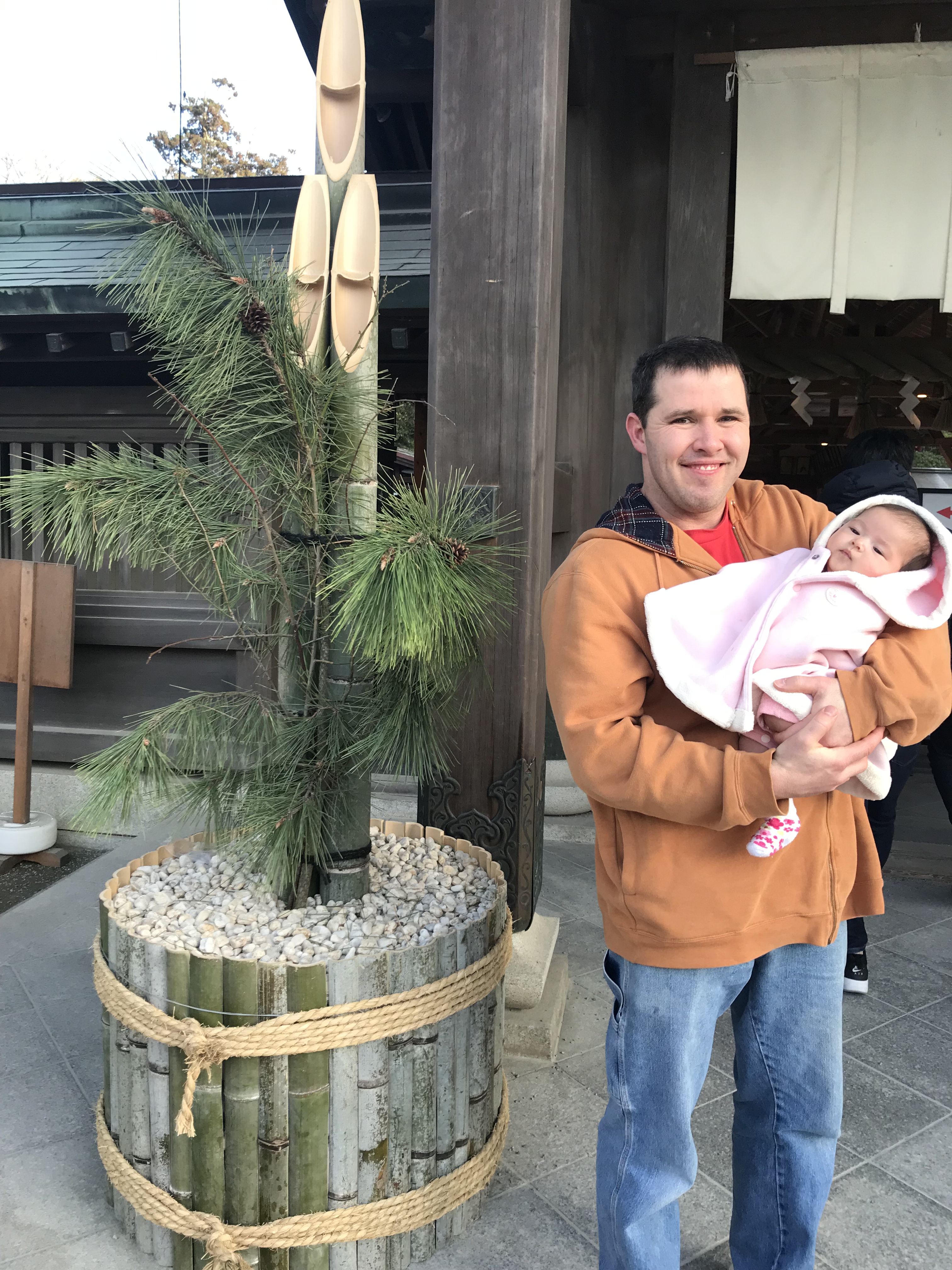
    In Japan, New Year’s is the biggest event of the year. Japanese start preparing for the New Year’s by doing a general cleaning which they call osoji. People clean their houses and offices from the main door to the windows, waxing floors , bathroom and everything in between. Shimenawa (sacred straw rope) also called shimekazari and kadomatsu (bamboo and pine decoration) are seen in main doors and gates. Shimenawa are seen in shrines all throughout the year but houses only display these in New Year’s season. There is also kagamimochi (mirror rice cake) and a display of the year’s animal symbol. These decorations are believed to welcome the ancestral spirits and gods to enter the home.

    Kadomatsu at Munakata Shrine

    Food

    In the Philippines, people rush to the market at the break of the dawn on the 31st and expect the supermarket to be flooded with shoppers to prepare for media noche. There is a long list of food prepared for media noche but the regulars are lechon (whole roasted pig), pansit (noodles), lumpia(spring rolls), fried chicken, macaroni salad and spaghetti and of course the lucky fruits. Mostly people prepare food that are either round and sweet and those believed to make the year lucky and abundant.

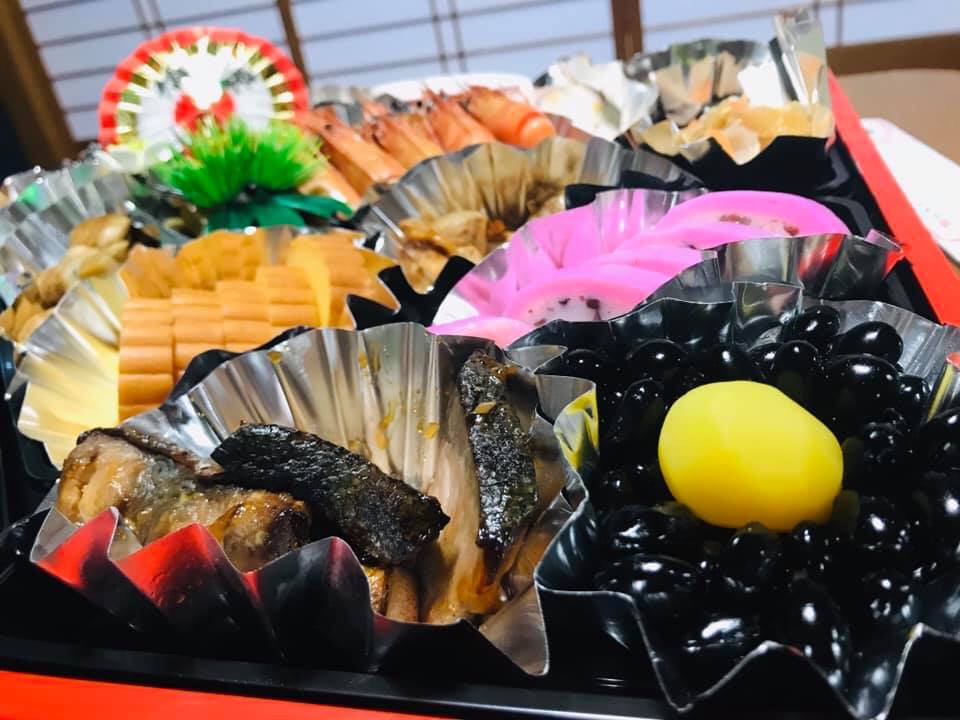
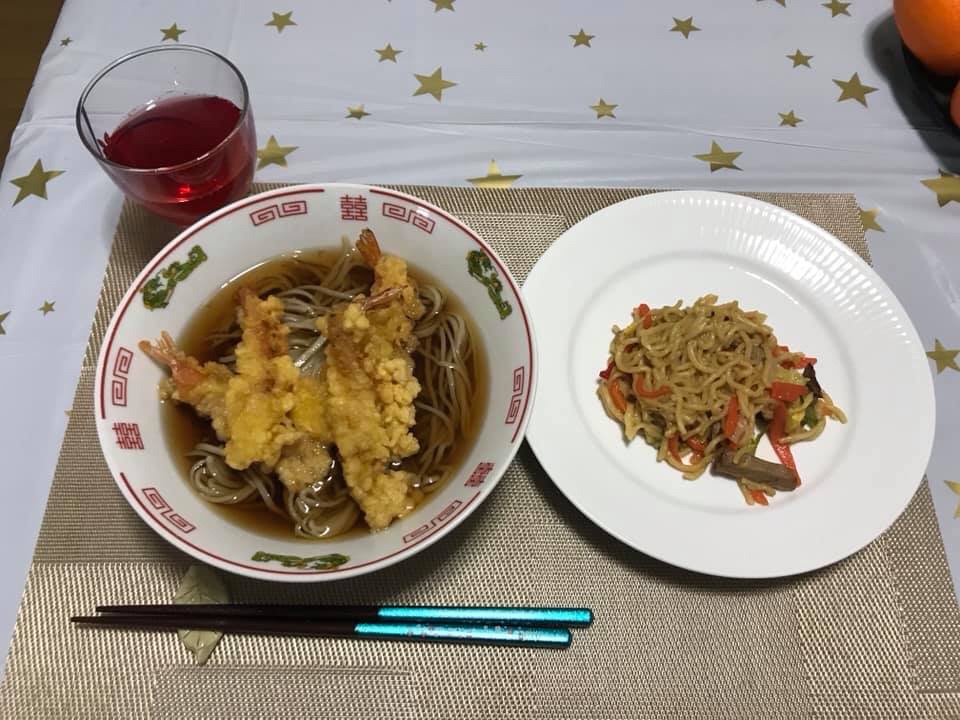
    In Japan, there is toshikoshi soba and osechi ryouri. Toshikoshi soba is eaten on New Year’s Eve as a symbol of crossing to a new year. Osechi consists of many different kinds of food in a box. Each food carries a meaning. For example, shrimp means long life as the shrimp is curved like an old person.

    Our first osechi ryouri in our house 2018-2019
    Toshikoshi soba (Japan) on the left and pansit (Philippines) on the right

    New Year’s Eve

    It’s hard to keep up with the energy of the Filipinos when it comes to welcoming the new year. The most exciting countdown begins hours before midnight ( three more hours, two more hours, one more hour) and the closer it gets, the higher the energy and the louder the noise. Party starts when darkness hit or even before that. The neighborhood turns into karaoke bar and disco bar with people drinking and dancing on the streets. The ten minutes before 12 and the first ten minutes of January first is the noisiest, loudest, craziest, happiest time of the year. Before the ten-second countdown, people scream of excitement, get ready to jump (for those who wants to get tall), turn on all the lights in the house, turn on the car or motorcycle engine, blow the horns incessantly, get something even the pot cover to make noise. Everyone counts the last ten seconds “10-9-8-7-6-5-4-3-2-1! BOOM! The fireworks, the blowing of horns, the noise of cars and motorbikes, the jumping, the dancing, the shouting “Happy New Year” is endless. You don’t say it once, nor twice, nor three times. You say it to everyone in the house and to the neighbors. People go crazy with New Years. And many goes live on Facebook. It is believed that noise shoo the bad lucks. Some people wear polka dots (rounds objects are lucky), put coins in their pockets and shake them to make noise, and sometimes throw coins for the people to catch (rain of money – paulan ug kwarta). And after the countdown is the feast. Everyone gathers in the dinner table for the media noche.

    This scenario might not be the same in the entire Philippines. I am speaking of my experience and my neighborhood and I am sure many can relate.

    I remember the first time my husband spent New Year’s in the Philippines, he couldn’t stand the noise. It was too much for him it gave him headache. He wanted to go somewhere quiet but I told him, it’s the same everywhere we go.

    On the contrary, in Japan, New Year’s eve is a very silent night compared to the Philippines. All is calm, all is normal.

    Last year I spent New Year’s in our newly-bought house (the reason why we spent New Year’s in Japan). I was kind of disappointed or let’s say frustrated. It was just me, my husband and our daughter (my step daughter). Yes, we had our special dinner. I cooked special menu. But when it was almost 12 o’clock my energy as a Filipino was really high, I was the only one who was very excited to welcome the new year. I turned all the lights in the house, went upstairs and downstairs. I got really excited. But when I looked outside the window nobody was there, it was a very silent night. I was like a burning fire thrown a bucket of water. This is not the Philippines. This is Japan. But I’m not saying Japanese don’t celebrate. They do but in a different way.

    Most people in Japan go back to their jikka (実家) or parents’ home to celebrate. On New Year’s Eve, Japanese eat toshikoshi soba and greet each other ‘akemashite omedetou gozaimasu’ (Happy New Year). They don’t normally do countdown at home, but you can go to clubs/bar in the city where the young party people go and party like there’s no tomorrow and welcome the new year. That’s how I spent New Year’s in Japan in 2014. It is a peaceful and simple celebration at home. On the 31st, after doing the general cleaning (osoji) and preparing or buying the special food osechi ryouri , most Japanese families gather and watch NHK’s Kohaku Uta Gassen or commonly called kohaku. This is a TV program where Japanese singers are divided into competing teams of red and white. This finishes shortly before midnight and judges and audiences vote which group perform better.

    Some people visit temples and shrines. At the temple, or if you live nearby, you will hear the bell ringing on New Year’s Eve. This is called joyanokane (除夜の鐘). They ring the bell for exactly 108 times at New Year’s Eve which symbolizes 108 human sins in Buddhist belief.

    First Day(s) of the Year

    It is very common for Filipino families to go swimming on January first or anytime during the first days of the week.

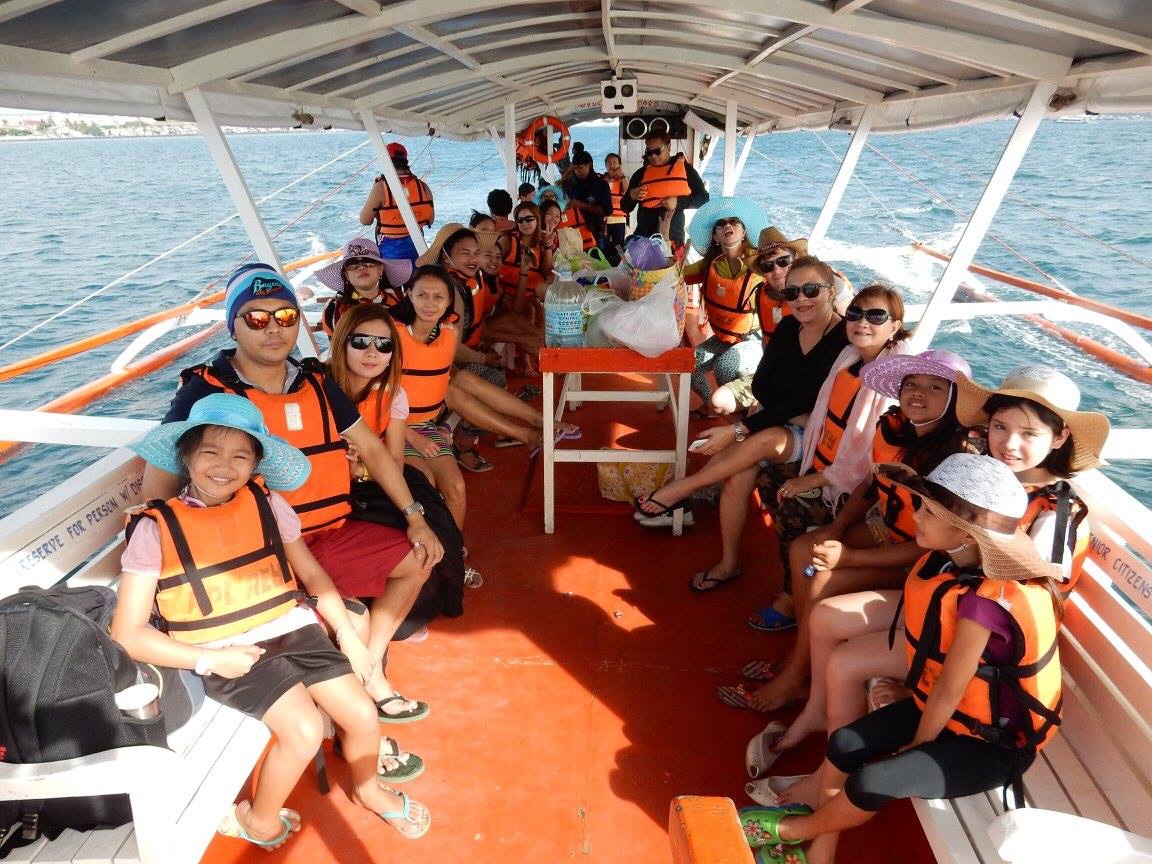
    Family Samal Outing 2017

    The party and merry making continue. Left-over lechon will turn into lechon paksiw. There is also a belief that whatever you do on the first day of the year will forecast what will happen for the rest of the year. If you wake up late on January 1, expect that you will always wake up late. If you spend, you will always be spending. If you cry, then your year will be full of tears. In bisaya, we say “malihian“. My mama would say to us to do good things on the first day of the year and we will be lucky the whole year. “Magpalihi ug swerte.” She also told us not to spend a single cent or else money will fly away and we will keep spending the whole year and we will go broke. Lol.

    In Japan, it is very famous to watch the first sunrise of the year (hatsuhi/hatsuhinode) and people go to temples or shrines to pray (hatsumode).

    [wpvideo JxWGAn34]

    The first day of the year is one of the happiest days for children because they get otoshidama, which is money gift from parents and relatives. People flock to the stores for its hatsuuri (first sales) and buy their fukubukuro (lucky bags). These lucky bags are sold for a certain price with random unknown things inside. The total value is more than the sale price.

    If you notice – hatsuhi, hatsuhinode, hatsumoude, hatsuuri, all starts with hatsu. It’s because hatsu (初) means first and that is how Japanese values and enjoys the “firsts” of the year.

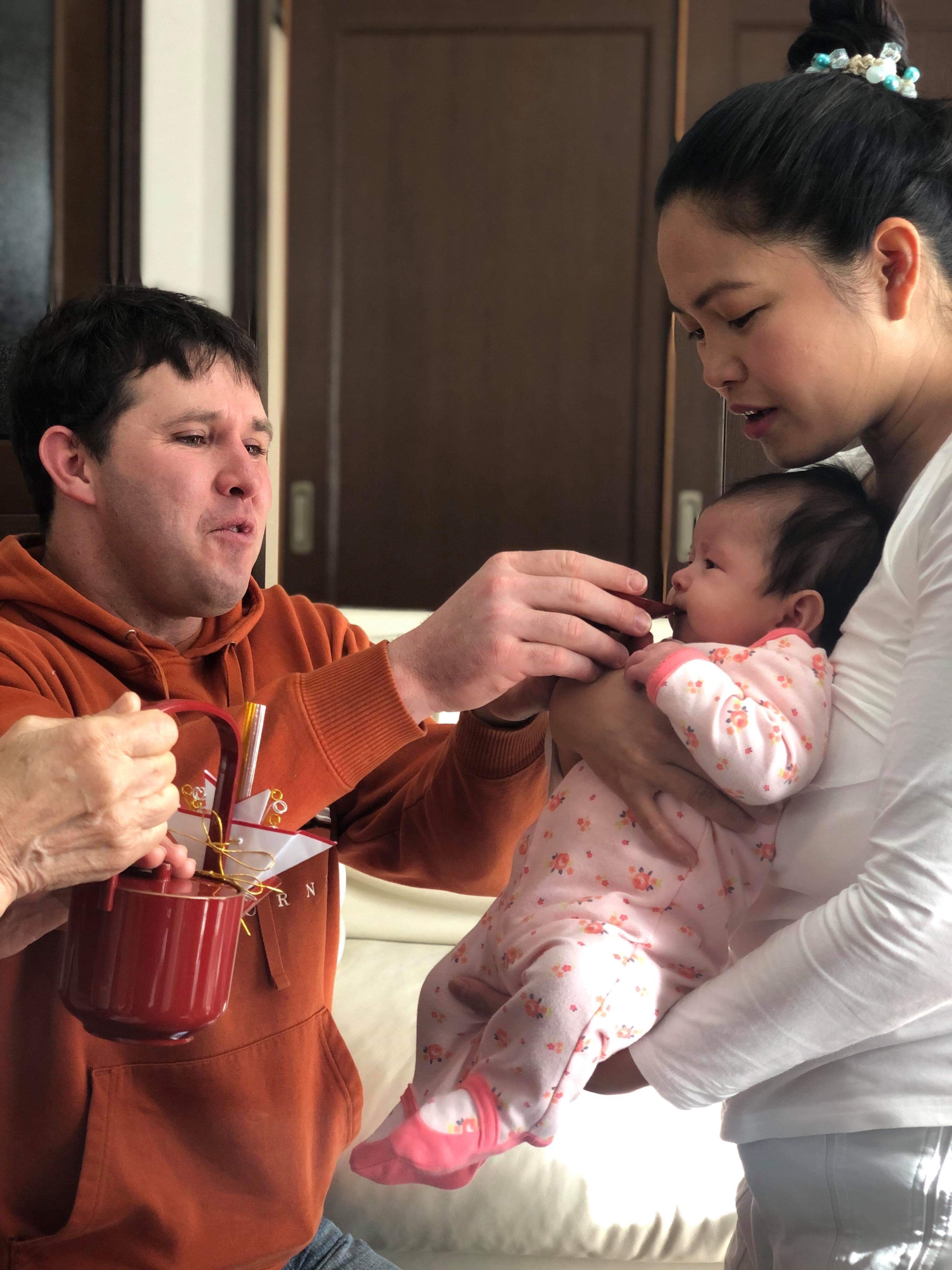
    My sister’s Japanese family gather on the first day of the year in the parents’ house and review the year that passed. They also express their aspirations for the new year and they drink otoso (お屠蘇) New Year’s sake. The drinking of otoso starts from the youngest in the family up to the oldest.

    Mari ‘s first new year and first otoso

    Conclusion

    New Year’s is the most celebrated event around the world. It doesn’t matter where you are from or what race you belong. People celebrate New Year’s regardless of religion.

    Both Filipinos and Japanese celebrate it. Both value the gathering of families to welcome the new year. It is in the same manner that most go back to their parents’ home to celebrate and do things (although done differently) to attract good fortune for the whole year to come. Filipinos party and make noise to welcome the new year while Japanese enjoy the firsts of the year. Although the food prepared is entirely different, they share the idea of good luck, hope for good health and longevity.

    If you ask me which celebration I prefer, I am sure I will have a hard time answering your question. It is hard for me to choose. Of course, there is no place like home. I like to celebrate this event with my family, with the merriment, with parties left and right, with the noise of excitement and bliss. But I also like the simplicity, the practicality, and the idea of enjoying the firsts of the year.

    If you have reached this part, thank you for your time reading this article. I hope you enjoyed it and learned something from it and I hope you enjoyed your New Year’s celebration where ever in the world you are from.

    Happy new year!

    Akemashite omedetou gozaimasu!

    あけましておめでとうございます!

  • Look at This Public Restroom in Japan

    Look at This Public Restroom in Japan

    One of the many things I love about Japan is their toilets. You will be amazed at how sophisticated the technology is in this part of the planet. With all the buttons there are to press, you will be lost if you can’t read Japanese. And it is not just about the toilet bowl. It is everything about the restroom.

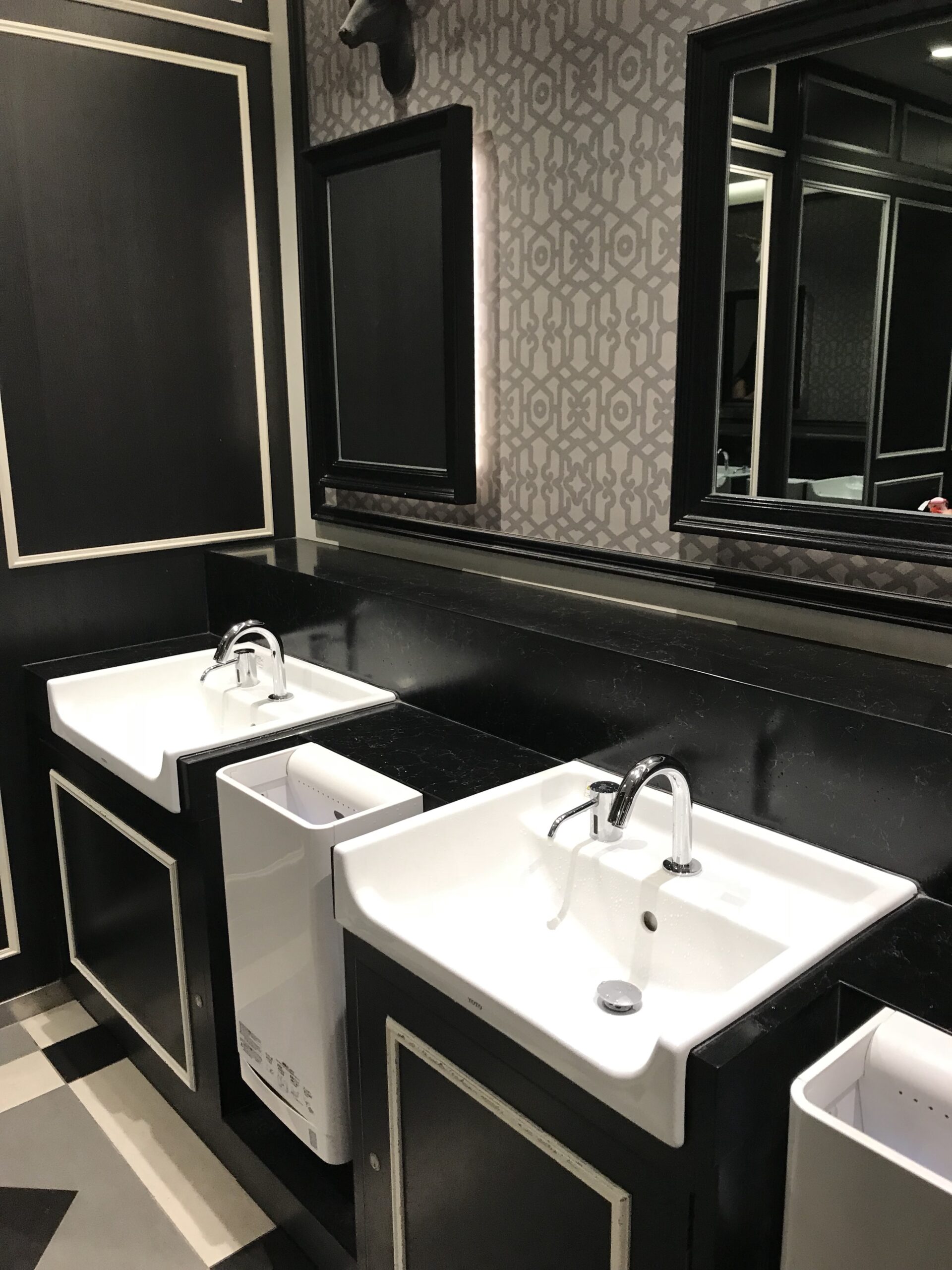
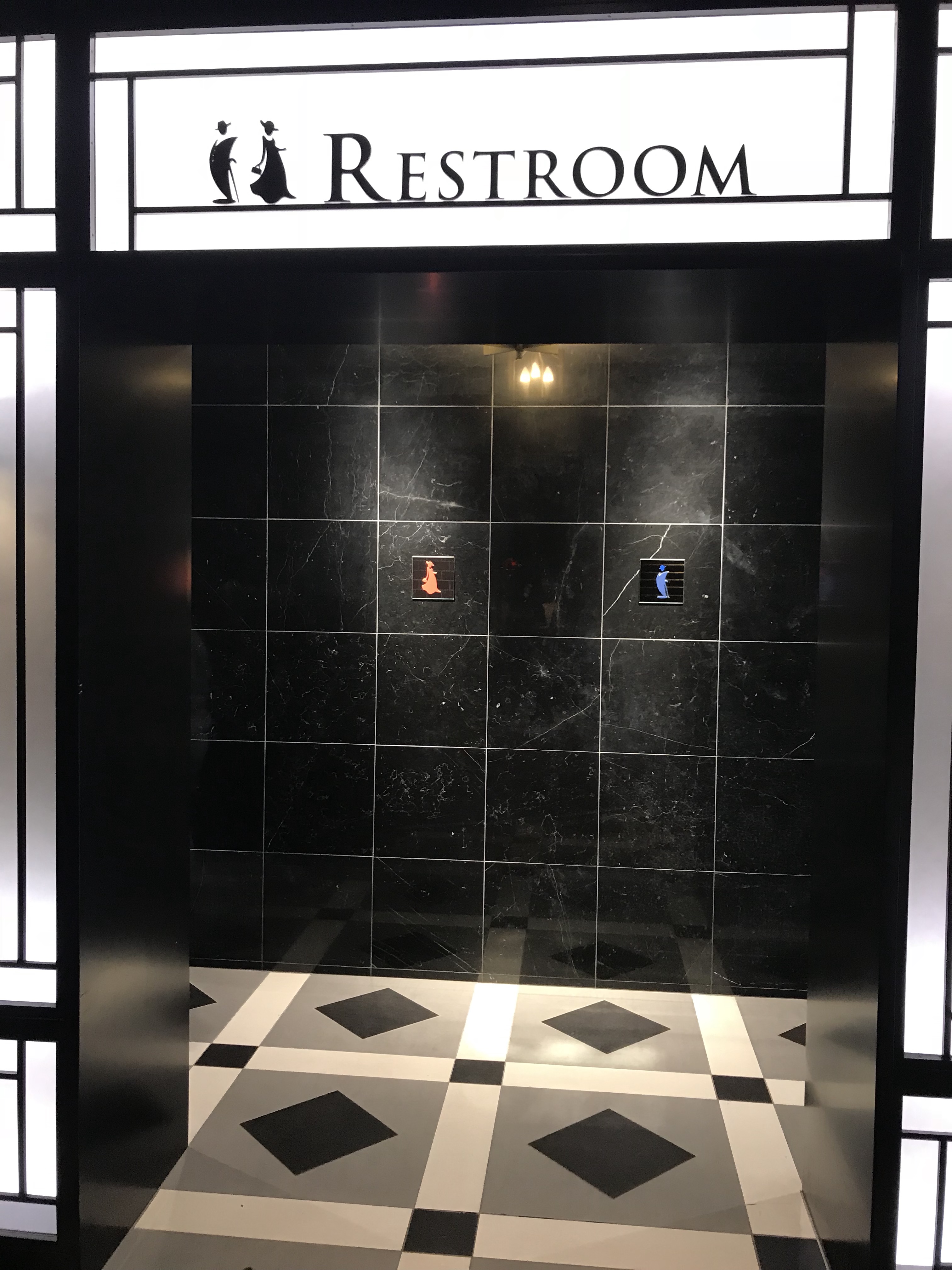
    Here is one of the many elegant public restrooms in Japan. This one is located in Tenjin Chikagai in Fukuoka. Chikagai means undergound shopping center.

    I discovered this beautiful restroom last Saturday when I went to Tenjin to bond with my cousins and my sister.

    I am one of the many female who go to the toilet many times a day. As I was trying to figure out how to get to the meeting place from the chikagai, the call of nature brought me here.

    The entrance is very sophisticated in black and white theme. And even the female and male symbols are nice. I think the best part is the floor. I like the pattern of squares and triangles. Very simple but very nice.

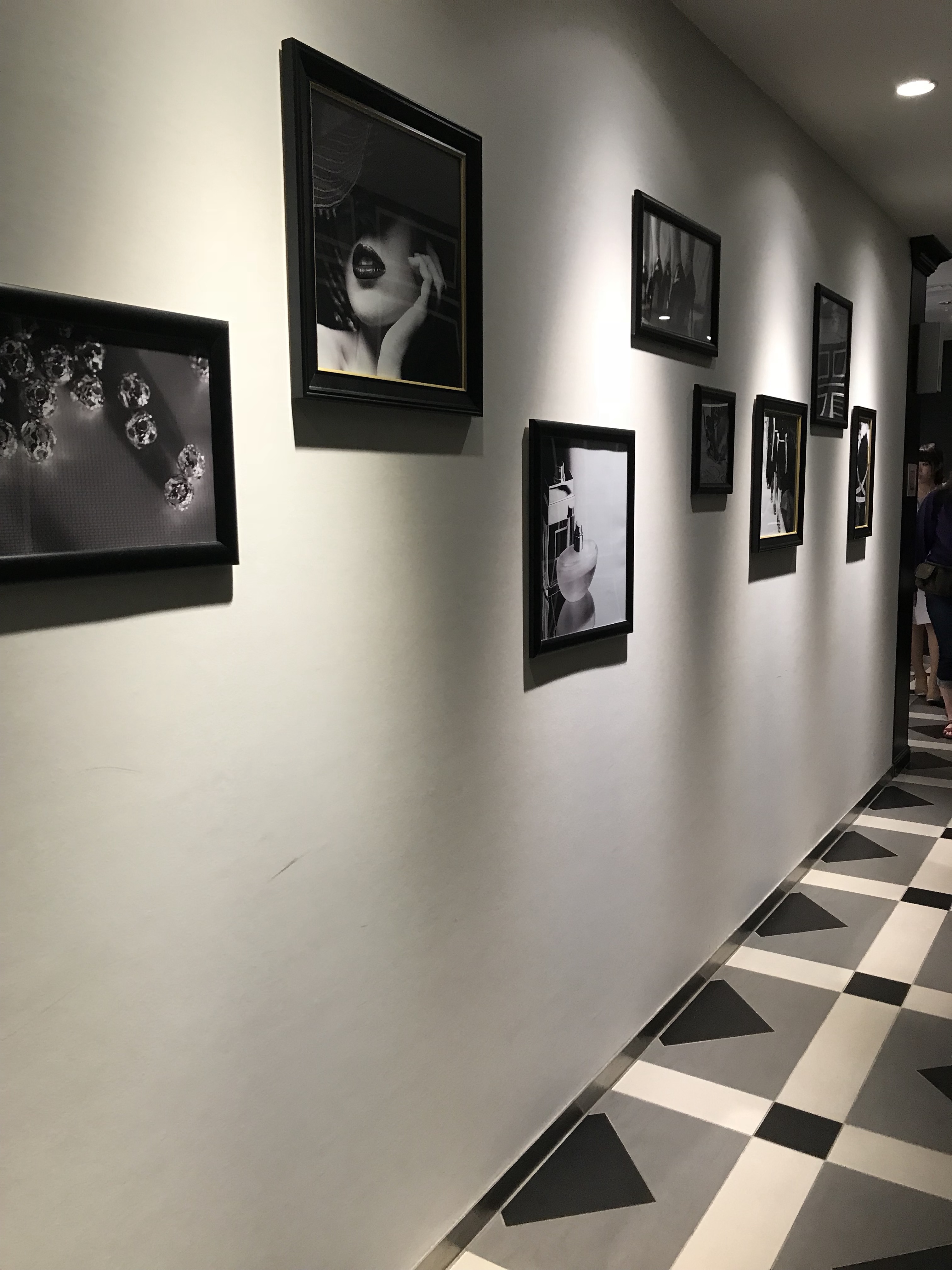
    The hallway wall is decorated with picture frames also in black and white. Unity – one important factors of design is very evident here.

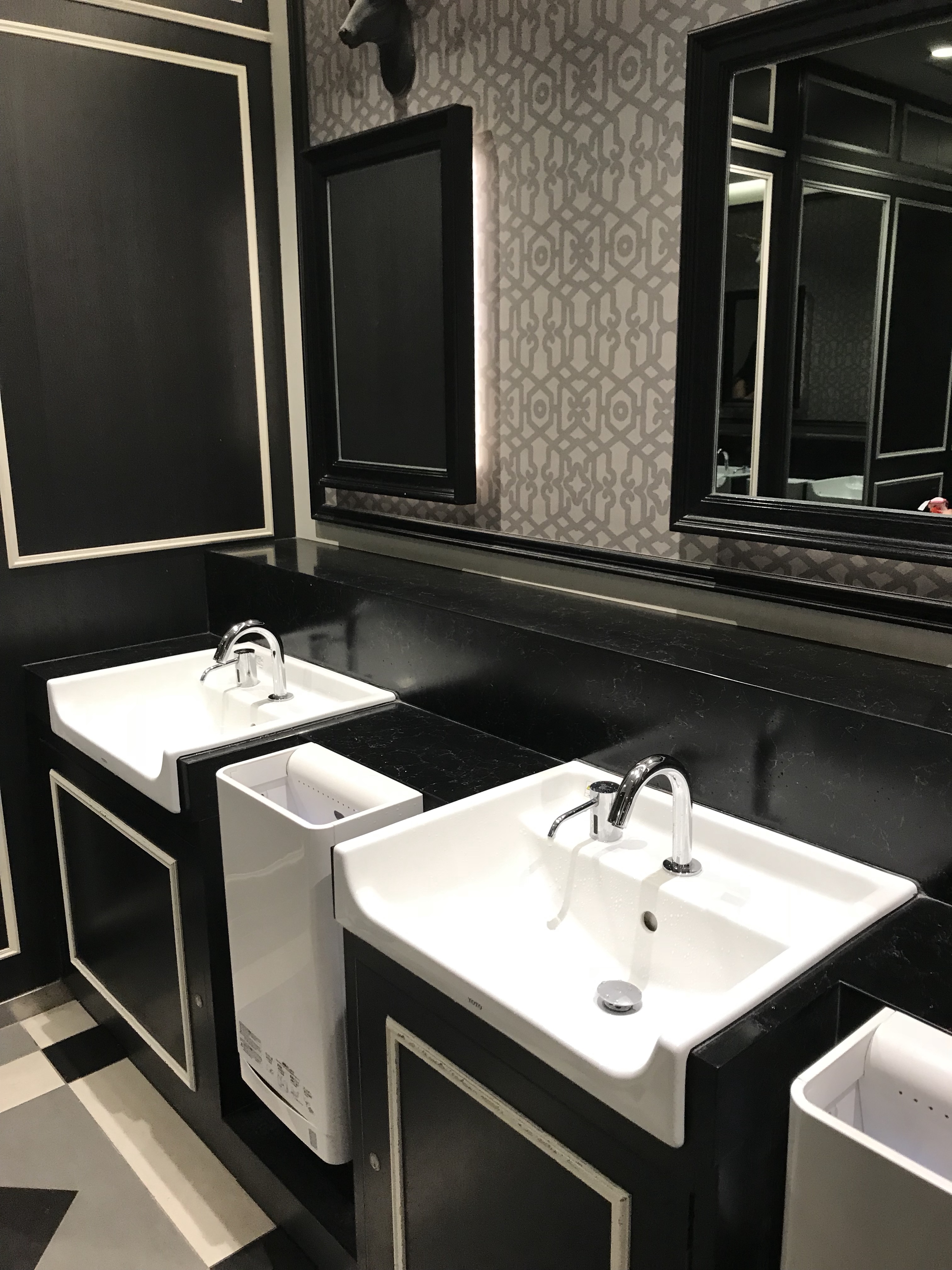
    Everything was either black or white. The mirror frame and the cabinets are black. The sink and the hand dryer are white. The wallpaper add texture and pattern to the room.

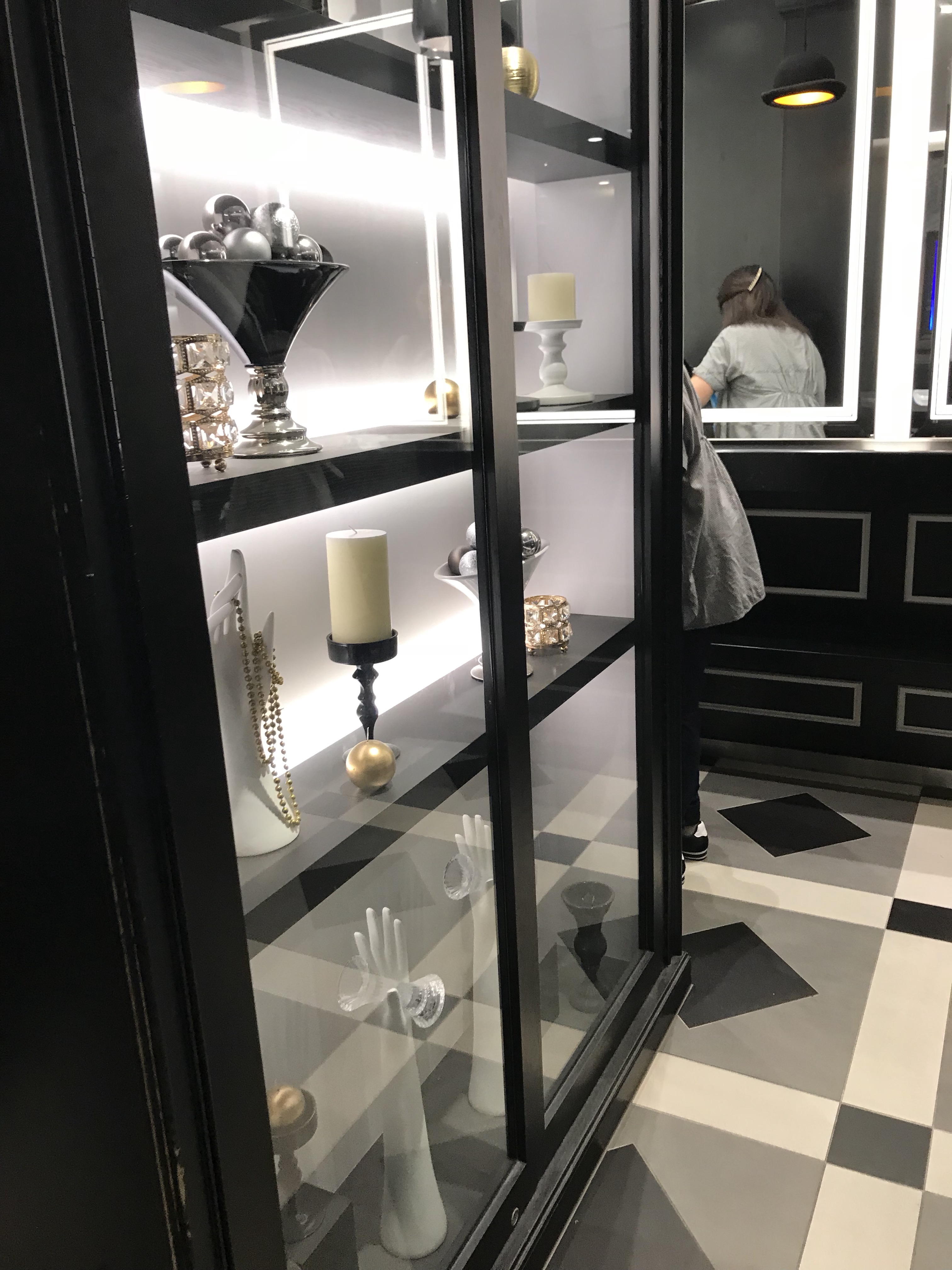
    There is also this big cabinet displaying silver and gold items. It gives the feel of luxury.

    And last but not the least, of course, my toilet selfie. The big whole wall mirror is so inviting you can`t resist for a snap.

  • English Bulletin Board for March

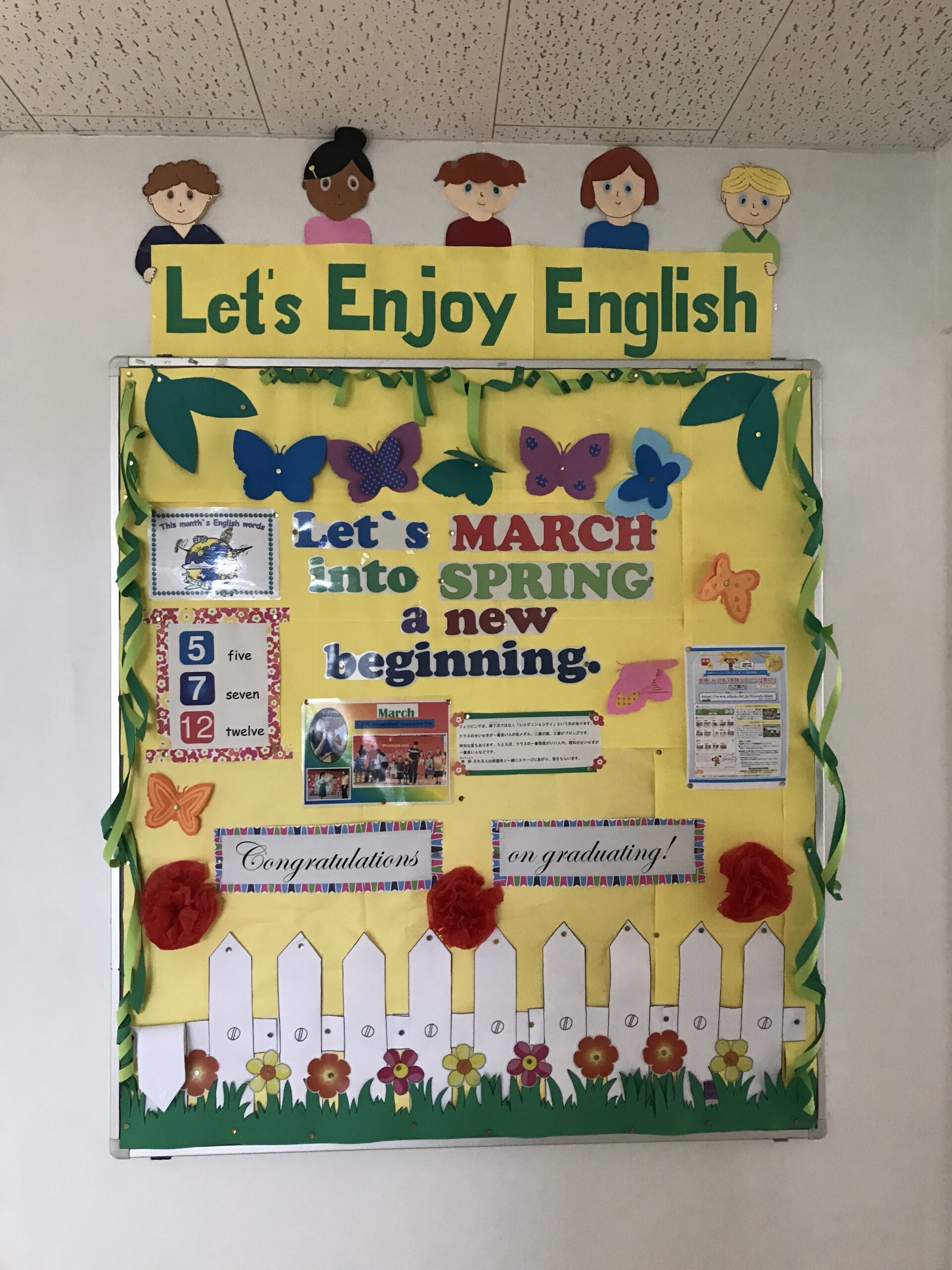
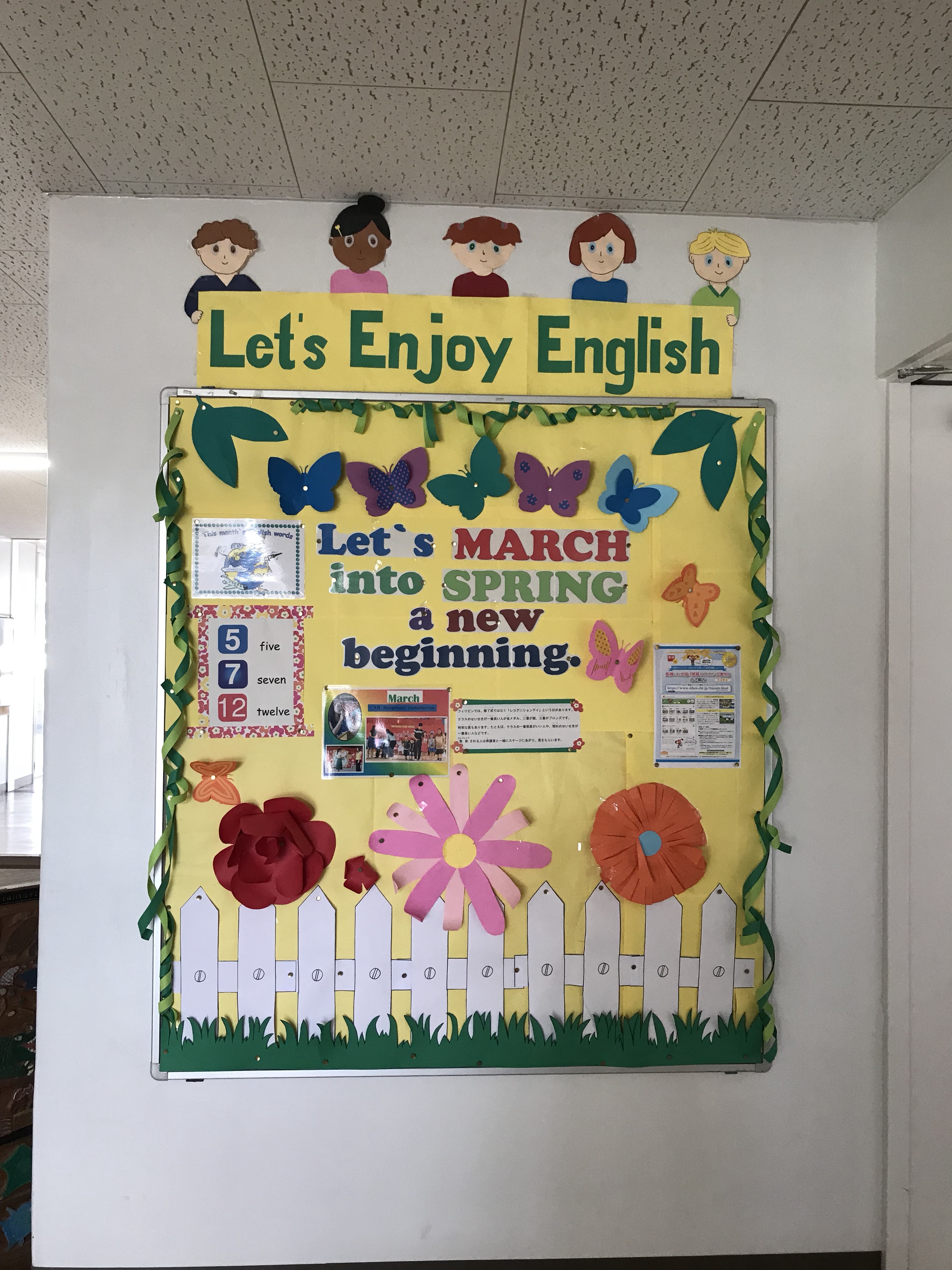
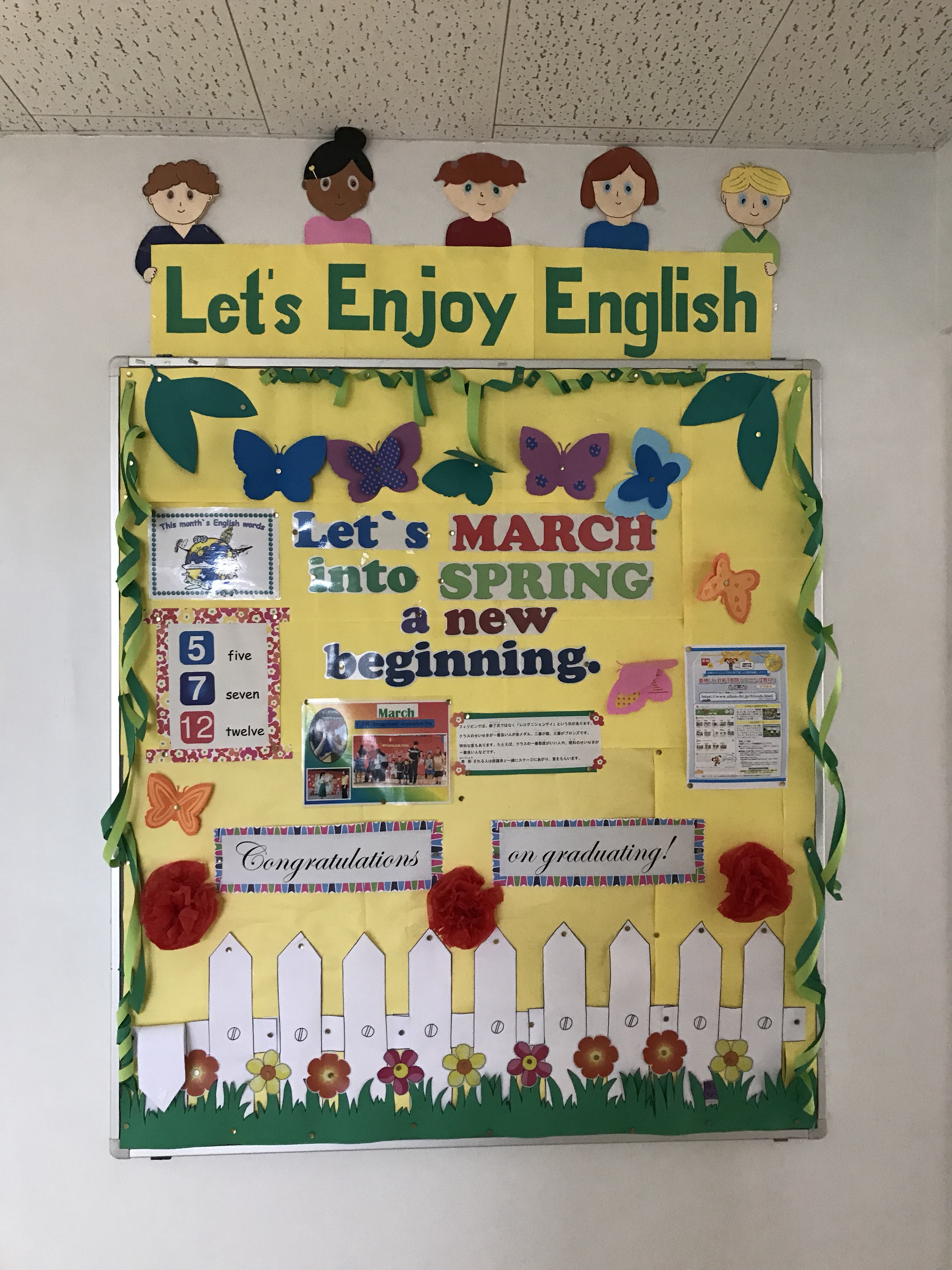
    English Bulletin Board for March


    Long overdue. I know. It`s July now and this article is about March Bulletin Board. This was my last BB in my previous school. I changed school since April, a new contract. I will tell you more about that in another article.

    As you can see, spring is the theme for my March BB. I made big 3D flowers and some butterflies. I also put some paper tendrils on the sides to act as borders.


    At the end part of March, I took away the flowers and changed it with congratulations message for the graduates. The picture in the middle with the word March  shows how we do Recognition and Closing Exercises in the Philippines. It is to show them the cultural difference between Philippines and Japan. And I will tell you more about that, too, in another article. See you, then.

  • How to distinguish Japanese from Korean and Chinese

    How to distinguish Japanese from Korean and Chinese

    Can you tell if a person comes from a specific country? Before coming to Japan, I had no idea how to distinguish Japanese, Korean and Chinese from one another. I had quite a few experience (when I was in the university as an international student) of trying to speak Japanese to a fellow student who I thought is Japanese, but after all, turned out to be Korean or Chinese (who is new to Japan and cannot speak Japanese). To avoid future embarrassment of assuming someone is not, let me discuss their similarities and differences. This is according to my observations and the opinions of my friends with who I discussed the subject.

    twitter.com

    Similarities

    1. Skin.

    preview.ph

    Japanese, Korean and Chinese, generally, have the same skin characteristics. It is popular that their skin is more resistant to aging and that they have fair, light porcelain-like skin. It is due to extreme sensitivity to environmental factors and chemical effects of some products, which can disrupt the pH balance. For this reason, advertising about skin beauty care in Asian countries is very economical as Japanese, Korean and Chinese (especially girls) have to be more careful with products and treatments they use on their skin. It is even impressive to see the number of skin care products build on the myth that Asian skin would look amazing and healthy for a long time. so, it is hard to tell who is who if you only look at their skin. 


    2. Body built


    theatlantic.com

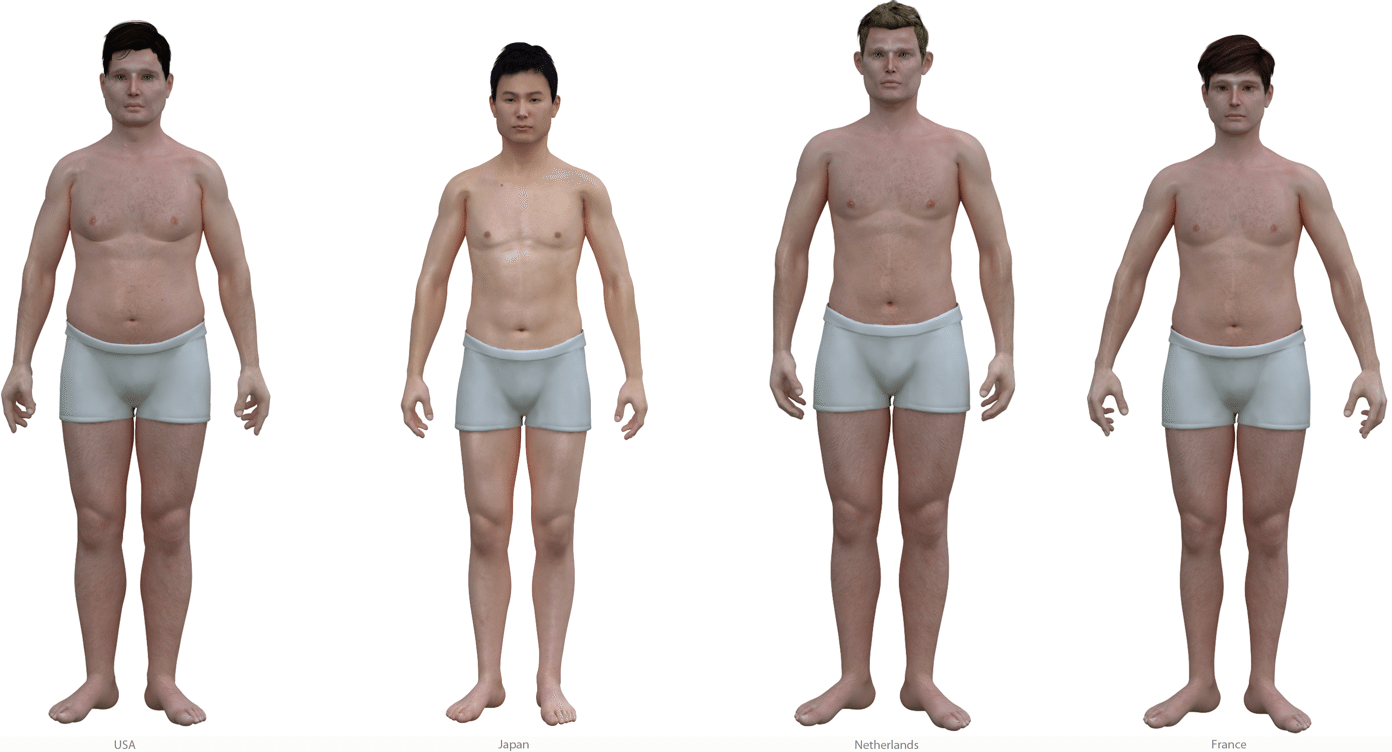
    There are of course differences in body built among Japanese, Korean and Chinese people.  As human as we are, we can be fat, thin, big or small. It all depends on our individual diet and consumption, not to mention our genes. Although we have a general impression as to how, for example, an American body tend to be (tall and big). Asians, specifically Japanese, Korean and Chinese, are typically of slim body built and kind of short in terms of height. But be careful not to label all of them slim and short, because, as I have said, everyone is different. Some can still be tall, big and fat.


    Differences

     1. Facial Features.

    onehallyu.com

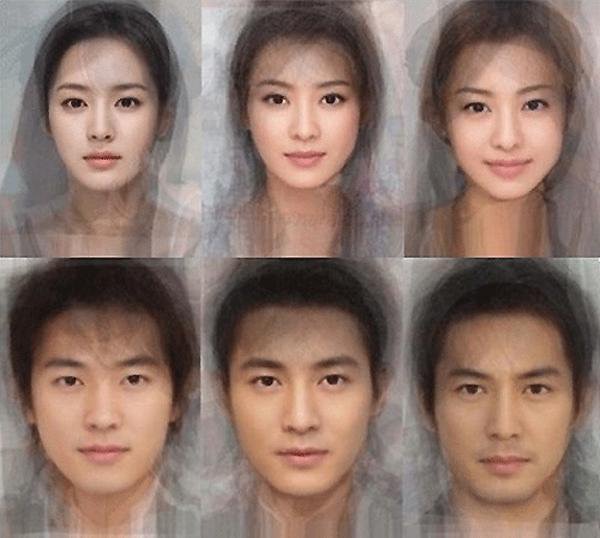
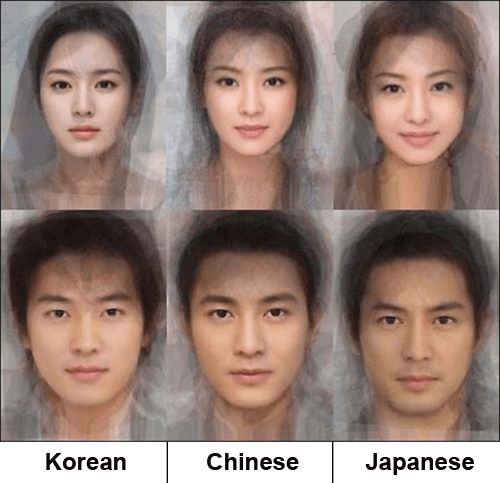
    They may look the same, but if you are a keen observer, there are a few distinguishing characteristics. The Japanese face is generally longer and wider, while the Korean face often has a more prominent jaw and high cheekbones. The Chinese face is typically round in shape. When it comes to the windows of the soul, the Japanese eyes are often described as angled upwards, contrary to the Chinese eyes which are usually angled downwards. Koreans often have smaller eyes.


    2. Dressing style

    Japanese street fashion


    thetokyogirl.com

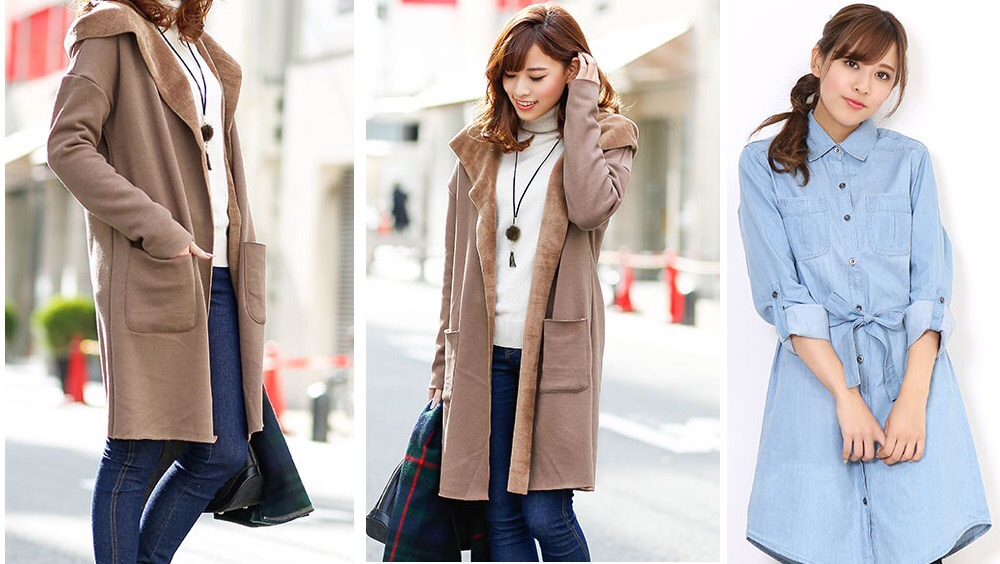
    My Japanese friend told me it is easy to tell whether a person is Japanese or Korean. Just look at how they dress. Japanese people value harmony and uniformity, hence, when they dress up, it is something aimed to blend with the majority. Plain, simple and subtle colors are the key to typical Japanese attire. Nothing that stands out. I observed that wearing suit is very common in Japan. May it be a final (research) presentation in school, a job internship, a job interview, graduation; Japanese usually wear suits, in black and white (inner). Very seldom you can see a coloured inner. 

    kore.am

    Contrary to Japanese, most Koreans wear bright and more colourful attire. I remember my Korean friend said in her culture presentation in school, that, unlike in Japan, they can wear nice colourful dresses when they do their internship and especially during job interview. Chinese, on the other hand, due to its high cultural diversity is difficult to distinguish


    Even up to now, after living for quite some time in Japan, it is still challenging for me to tell which is what, and who is who. Even people of the same race can look different. It is hard to generalize. We can never actually generalize. As the saying goes “Everyone is unique”.

  • All of us are a Memory

    Death is the only thing we know that is going to happen for sure, but still surprises us every time it comes. And it’s never a pleasant surprise. It’s devastating. Heart-breaking.

    The unacceptable truth that no matter what we do, no matter who we are, each one of us will end up as a memory.

    I’ve experienced the pain and emptiness that death has left behind many times already. I had a dear friend and co-teacher who was taken away by lung cancer. Within three months she was gone. I cried so hard from the bottom of my heart. Also, a college classmate was taken away by breast cancer a year ago. As far as I know, two of my former grade six students passed away due to some kind of disease. They died at a very young age. Heart-breaking. One former student was also a victim of attempted rape and homicide. There’s no escape from death. Even here in Japan, in my four years of teaching, two co-teachers already in two different schools did not escape death. One, a young male teacher taken by cancer and the other a retired teacher returning to teach as part-time. She died due to aneurysm. Even the principal of one of my previous schools, again by lung cancer. The most painful was when my dear father passed away just after my dear cousin was buried three years ago. It was a double tragedy. We buried two love ones within a month. I did not cry the moment my father passed away because I pretended to be strong for my family especially for my mother. But I regret it. I should have cried. I should have not stopped them cried. I should have let it out. All the pain. All the frustration. Everything in my heart. The indescribable feeling when you lose someone dear…forever. Life is unfair. It is always is. When my father died, I have asked myself many times ‘Why do we have to live when we all are gonna die?’

    I still mourn for my father’s death. I think of him everyday. He’s in my thought. He’s in my dreams. That’s where he stays forever. And all the lives of those I know who were taken away by death.

    And the most recent, a former co-teacher, now, a school principal passed away just this morning. A sudden death. Very shocking. Very heart-breaking. How can a seemingly healthy man, very active, a great father, husband, friend, mentor, educator, a community leader be gone like that.

    Life is scary. Death is lurking around the corner. Watching us and waiting for the perfect (imperfect) time to grab us in our feet and put us down. Prepared or unprepared, we leave this world while the ones who are left behind are drowned in pain.

  • Whale for School Lunch and Other Stories of Food Culture Shock

    Whale for School Lunch and Other Stories of Food Culture Shock

    Whale

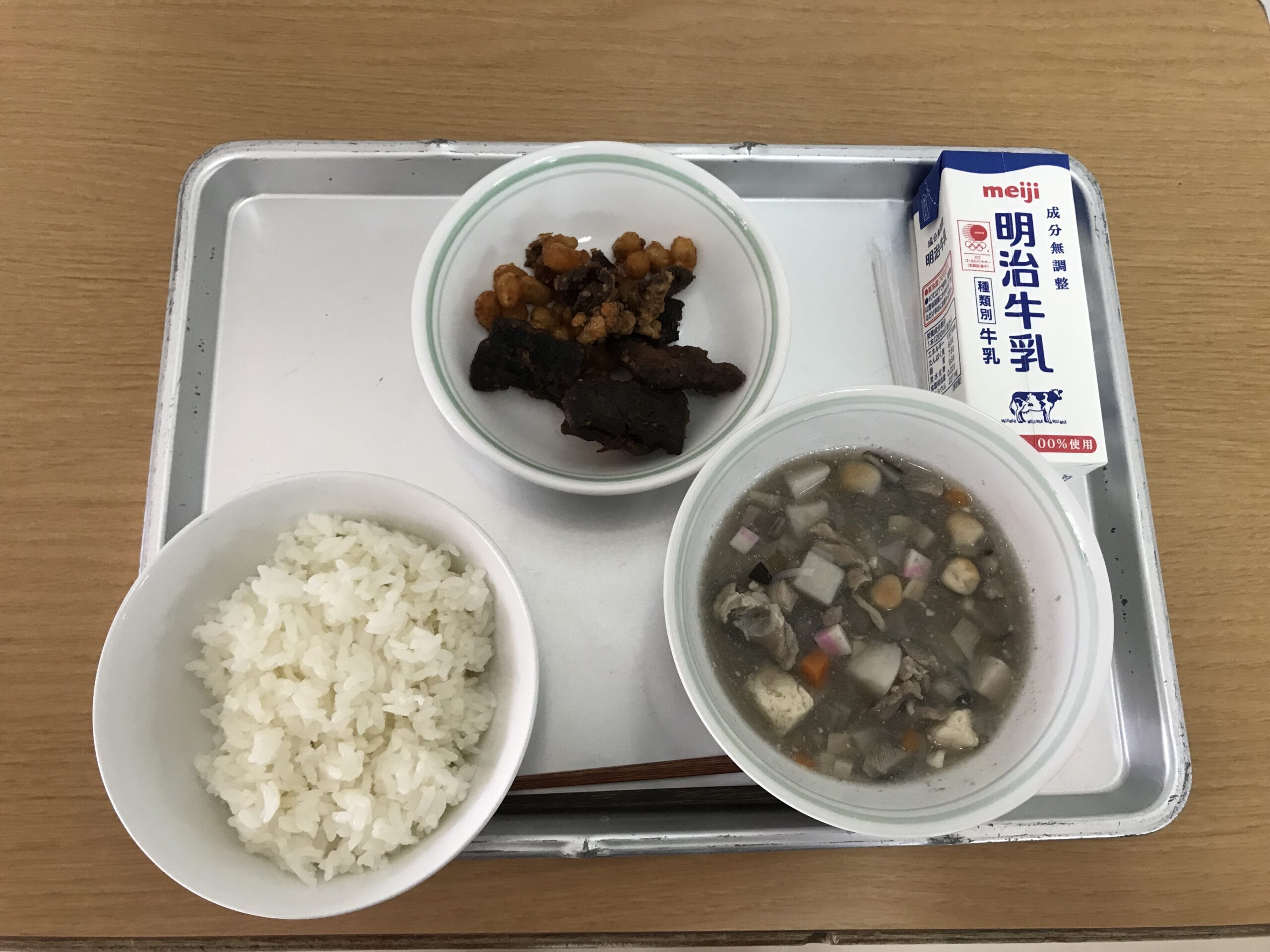
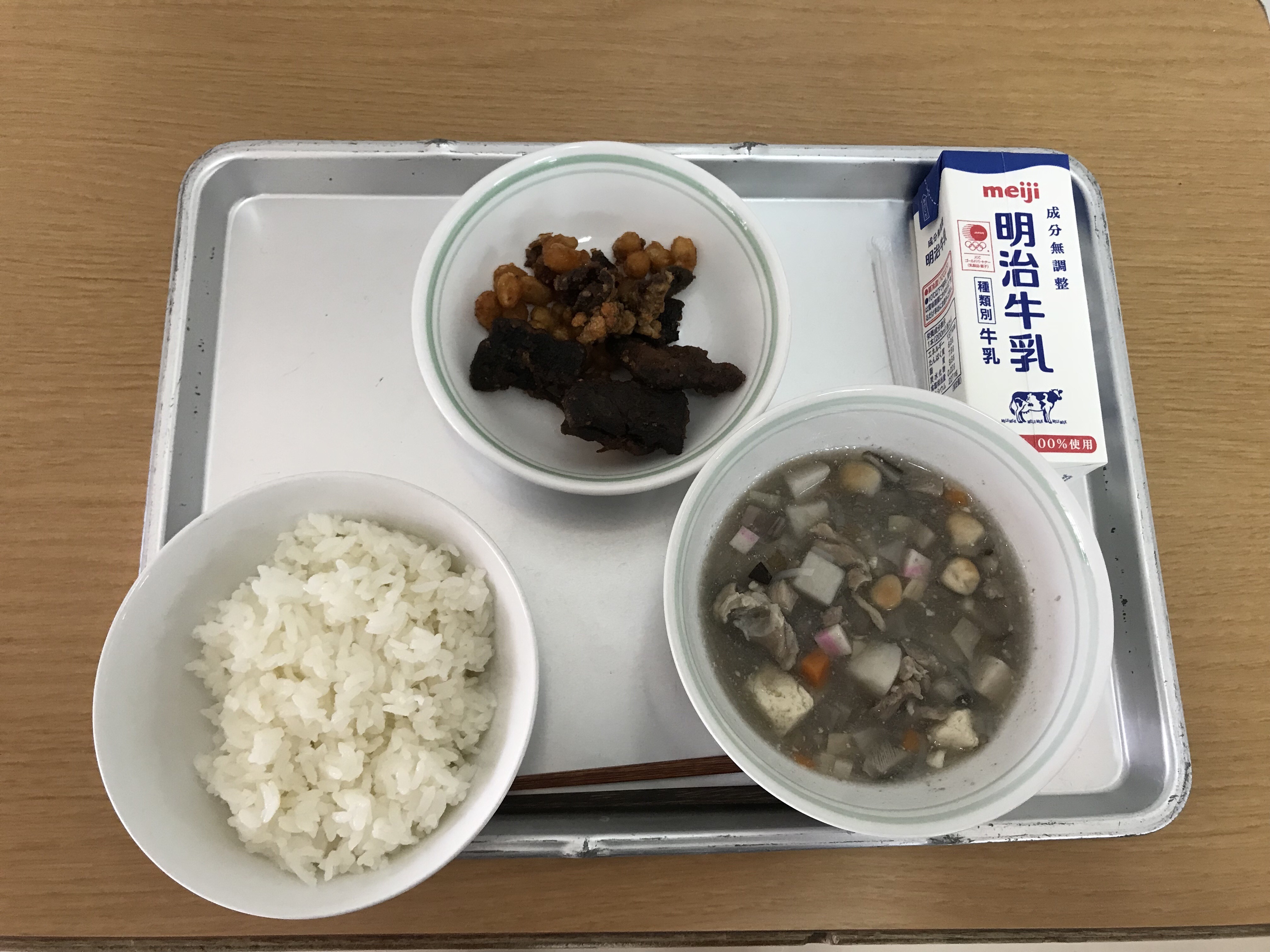
    Yes. I had whale for school lunch! It was a shock for me. I heard the teachers say ‘kyou wa kujira da ne’ (today is whale) during lunch preparation. I help in setting up lunch for non-adviser teachers. And that day, I was the one serving the main dish, which was, yeah, you guessed it right, whale.

    I said ‘hontou desu ka?’ (Is it really?) and they confirmed it, yes. I didn’t know what to do at first. It was in front of me. I don’t know. I’m not a picky person when it comes to food but when I think of whales, I think of Free Willy, the movie, and I consider whales as some sort of pet. And isn`t it they`re considered as endangered now? I know I have to do more research about this but that exact moment I couldn`t imagine myself eating it.

    I found myself in a predicament. I can’t be saying no. I’m in Japan and I’m in school as a teacher. Japanese are very particular about eating what’s on your plate. You have to eat everything on your plate like it is washed and cleaned. Nothing should be wasted.

    One of my co-teachers said ‘If you don’t like it, just put it back, it’s okay’, but no. I’m not doing that. I have to be a Roman since I’m in Rome. So, I said it’s okay. I’ll just think it’s a fish, a big fish.

    And so I went to my assigned classroom to eat lunch with students. Everyone seemed fine and enjoying their lunch. I was scared at first bite but it was not really bad. It was good actually. It tasted almost like chicken. Or something like beef. Something like tuna black meat.

    The next time my school will serve kujira for lunch, my reaction will not be the same for sure. There is always first time for everything and that was mine for whale meat. And the interesting part is that it happened in the school.


    Basashi

    Image result for basashi

    That situation reminded me of the first time I had basashi (horse meat), only that it was a little bit different. I was having a good dinner at my sister`s house and they were serving sashimi of different kinds of fish. And then, they served something they called `special sashimi` on the table and they let me try it. It was good and after a few more bites, I was told it was horse meat. And you can imagine my face like I have a straight mouth that extends up to my ears. I was enjoying the food until I was told what it was. And that was because of the image I had in my head, that horses are pet. They provide some sort of transportation in my father`s hometown, bukid, as we call it in our language. The taste was not bad, it was good, and I never heard of any Japanese died from eating basashi. Basashi is in fact, one of the most expensive kind of sashimi.

    How about in China?

    When I was in a Japanese class of eight students, each of us came from different countries (Philippines, Myanmar, China, Thailand, Laos,  Egypt, Iran, and Malaysia), I learned many things about the differences in food culture. I remember one day when we had the topic `Breakfast in my Country`, my Chinese classmate showed us a map of China showing the different regional specialties. We were surprised to see pictures of animals in the map that we considered pet (cat) or dangerous (scorpion), but for them they consider it is a delicacy. I couldn`t tell if it was a joke or for the sake of fun when she mentioned that they eat anything in their country.

    Lechon

    Image result for lechon

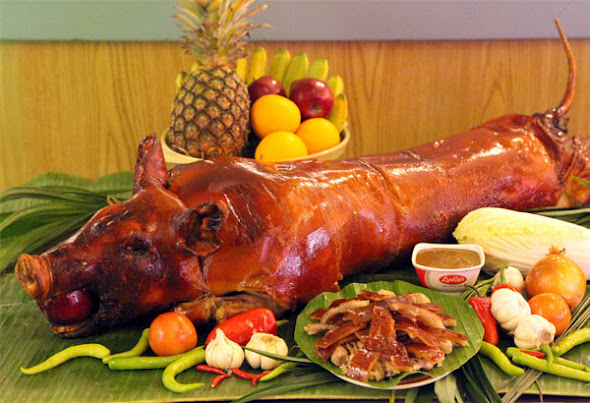
    In the Philippines, the most special food you can serve in any occasion is lechon or roasted pig. For us, a big occasion without lechon is not special. `Happy birthday, walay lechon` as we jokingly sing. `Walay lechon` means `no lechon`. The crispy skin of lechon is the trademark favorite. And it is usually displayed whole with an apple in its mouth. For us, Filipinos, it`s a beautiful view in any dining table. But, when I showed it to my Japanese friend and to my students in school, they were all surprised. They couldn`t believe what a whole pig with an apple in its mouth and sometimes with a knife stuck on it`s body doing on the table.

    Balut

    Image result for balut

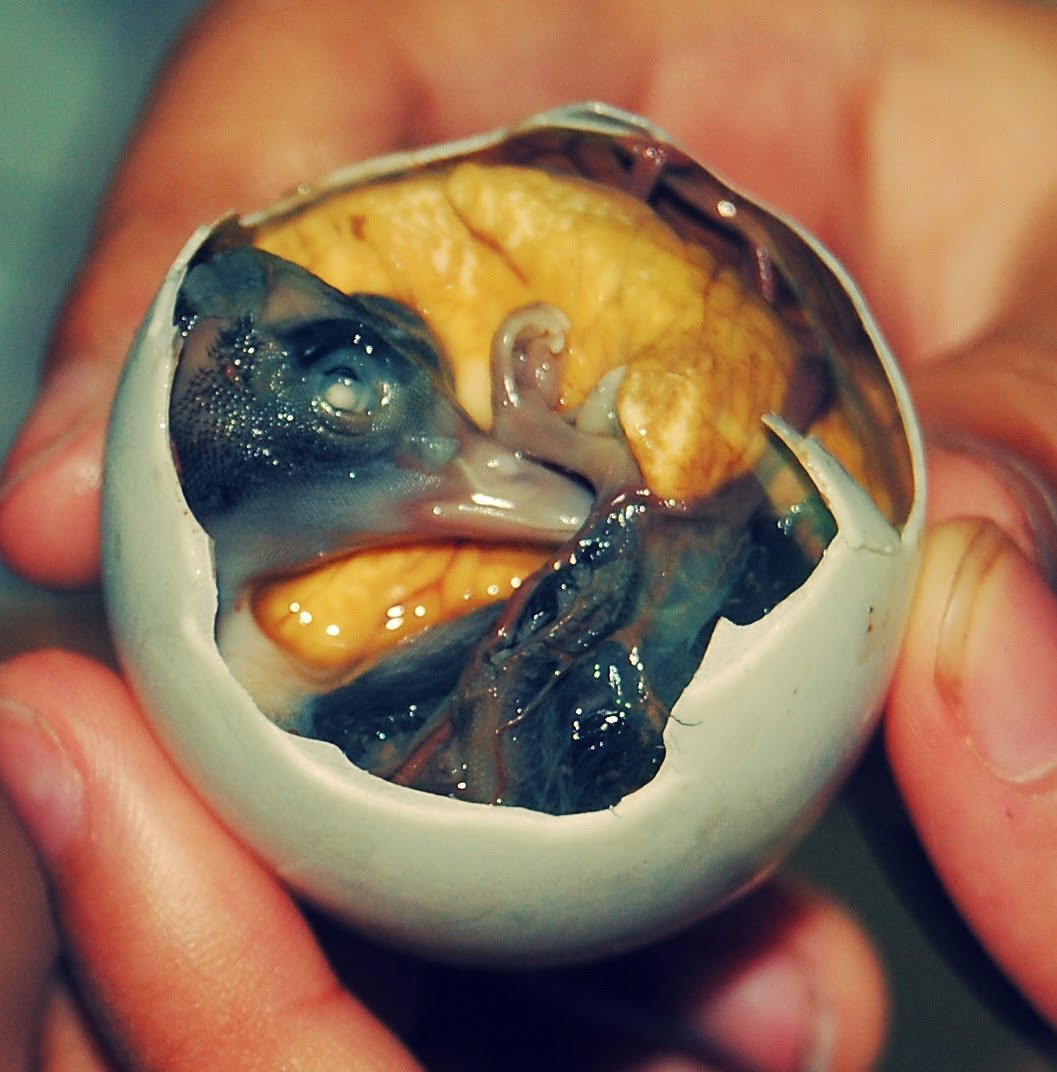
    The same with balut (duck egg with embryo). For most non-Filipinos, eating balut is gross. As in GROSS. Well, not all Filipinos like balut but I have to tell you, I do eat balut and most of us in my family like it. It`s good and nutritious. You should try. 🙂

    It is very interesting to talk about differences in food culture. I will talk about it more in my next article.


  • When its Christmas and it’s not so merry

    It’s a day before Christmas, when usually the spirit is up. But it seems like the other way around. I can feel the sadness in my city.

    Yesterday, December 23rd, the day of our flight coming back to the Philippines, I couldn’t go to bed until around 2 AM. Yes, I was excited (I was excited weeks and even months before that), but more than being excited I was worried trying to monitor my family (and relatives and friends) in the Philippines. There was a flash flood brought about by typhoon Vinta in my hometown and our place, just by Davao River, the largest river in Mindanao, is one of the affected areas. I went to bed after knowing that they were safe and rescued.

    Waking up in the morning was a mix of excitement and sadness. The aftermath of flood is as distressing as the flood itself. I’ve seen pictures and videos of our house and my neighborhood soaked in mud. Everyone was busy cleaning up their houses. Just seeing them doing that made me feel tired as if I was there scraping the mud out, too. I’ve read news of death and missing people. Just bad vibes for the season. Not a good feeling to start our trip scheduled in that afternoon.

    And because of that I blamed the troubles I had in the airport coming to the Philippines. I don’t have my residence card and I lost my laptop along the way of getting through immigration without that very important card for foreigners living in Japan. Bad news after bad news.

    Yet, another bad news was on the way for my fellow Davaoeños. One of the big malls in my city and the nearest to our house, NCCC Mall, is on fire. The fire started around 9:30 in the morning of Saturday, December 23, and as of writing (morning of December 24) the fire is still on, engulfing the entire mall.

    Coming back to the Philippines, my family is excited to do many things in the city and one of them is going to NCCC Mall. We often go there for shopping, dining and just whatever. It’s a big part of us. I think most of us in our neighborhood go to NCCC mall for Christmas shopping or any regular day shopping. It’s not uncommon to see a friend, a neighbor, a teacher, a classmate, an ex in the mall if you go shopping there, especially for us living in that area.

    It’s just sad that around these days, when people usually go shopping for Christmas, they’re cleaning their homes of flood dirt and even if they finished cleaning and they decided to go to the mall they love, it’s not there anymore. It’s turned to ashes. An ugly sight. There’s no more walking distance mall to go to. Of course, there are still other malls in the city, but there’s nothing like NCCC. It’s a sad feeling. Not a very merry Christmas this year for my hometown.