Category: Anything Under the Sun

  • Why is summer vacation in Japan not a vacation for students at all

    Why is summer vacation in Japan not a vacation for students at all

    Most kids around the world look forward to summer vacation. For most of them, it is the best time of the year. Free from the tiring things in school, listening to the teachers sermon, doing projects and endless homework.

    But, not in Japan. Although summer is fun in Japan with so many festivals that you can go and you can even watch fireworks while wearing your yukata (summer kimono), eating kakigori or shave ice, most kids, elementary and junior high school somewhat hate summer.

    Why? For one reason. Homework.
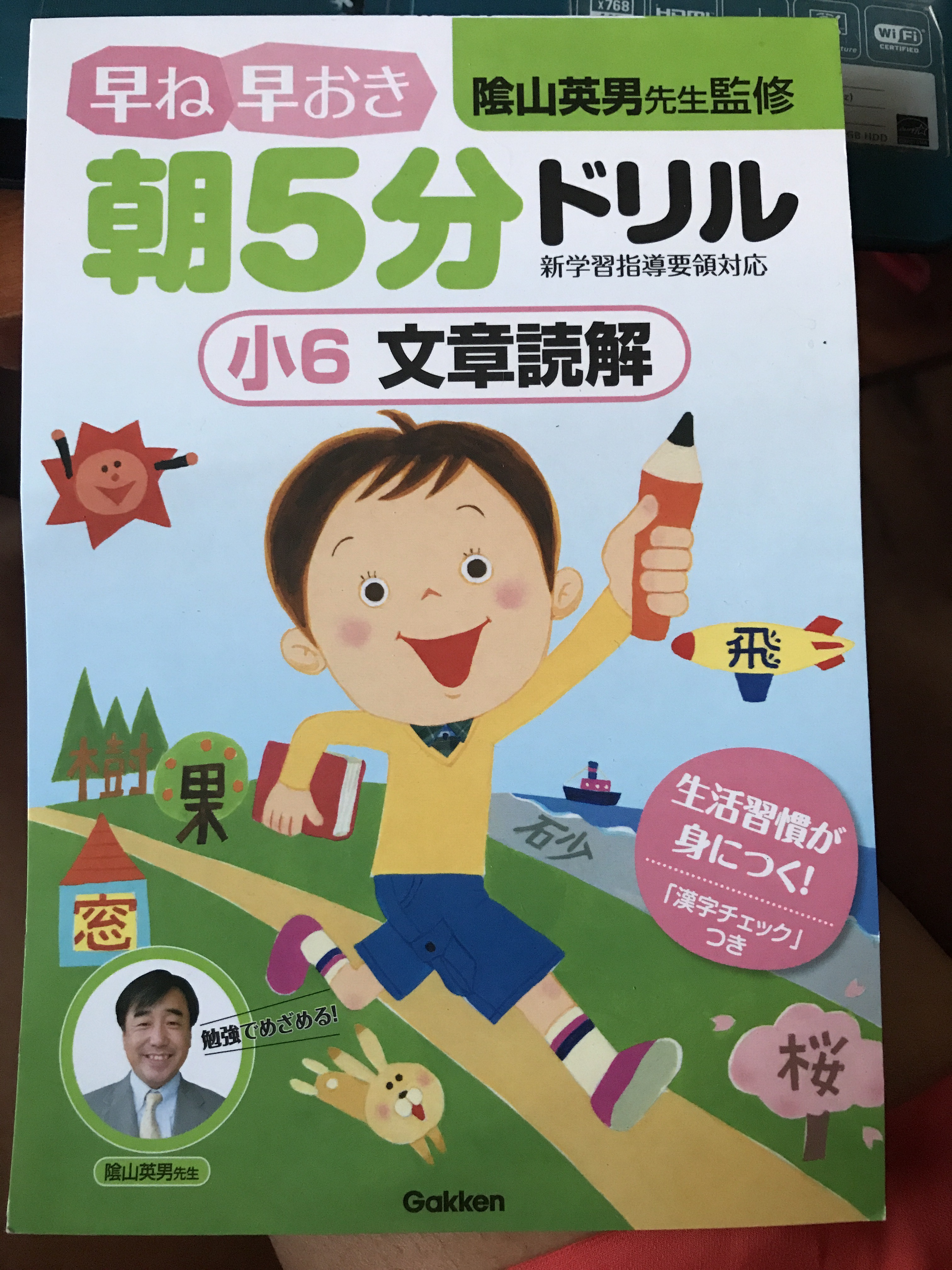

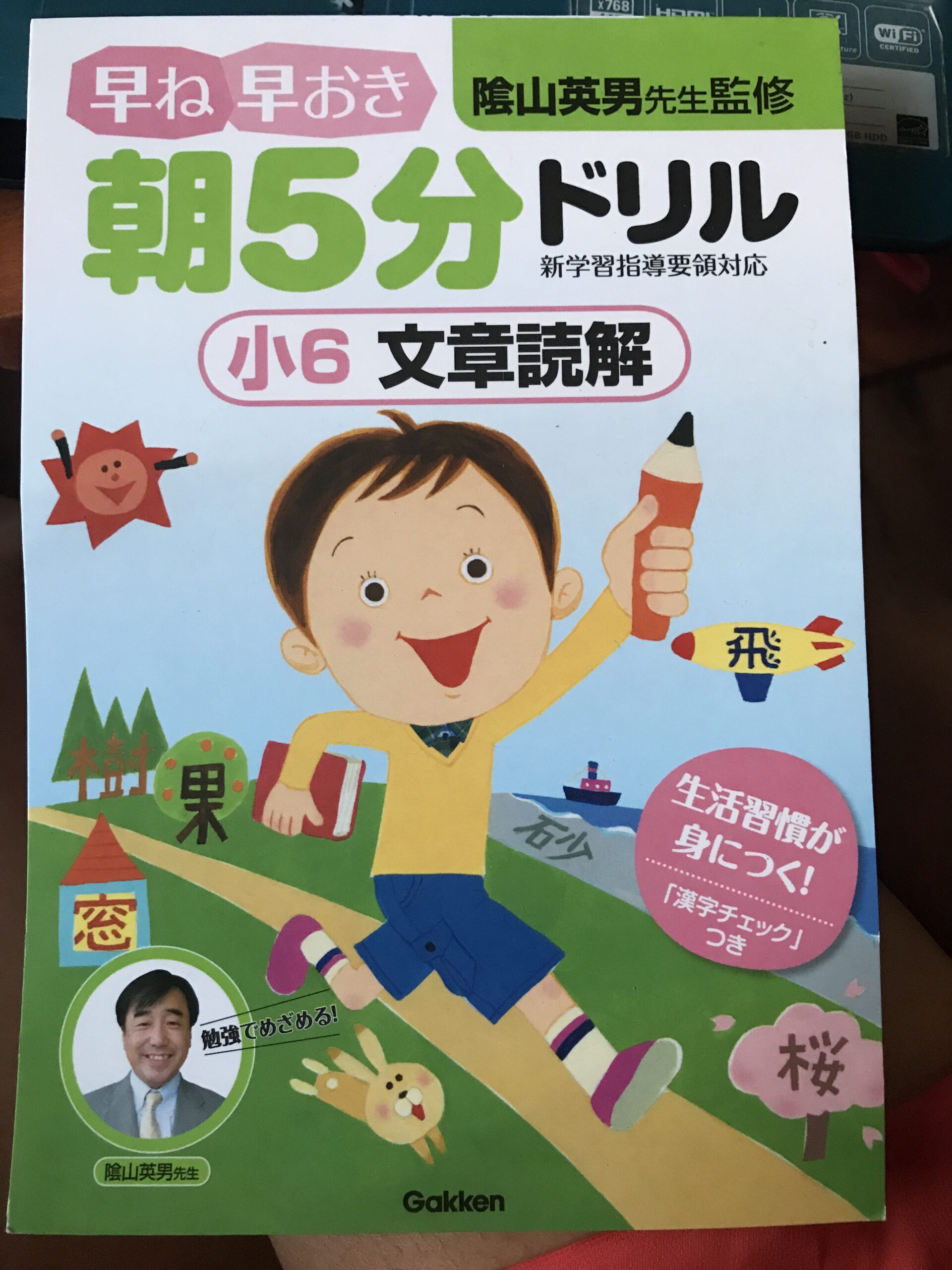
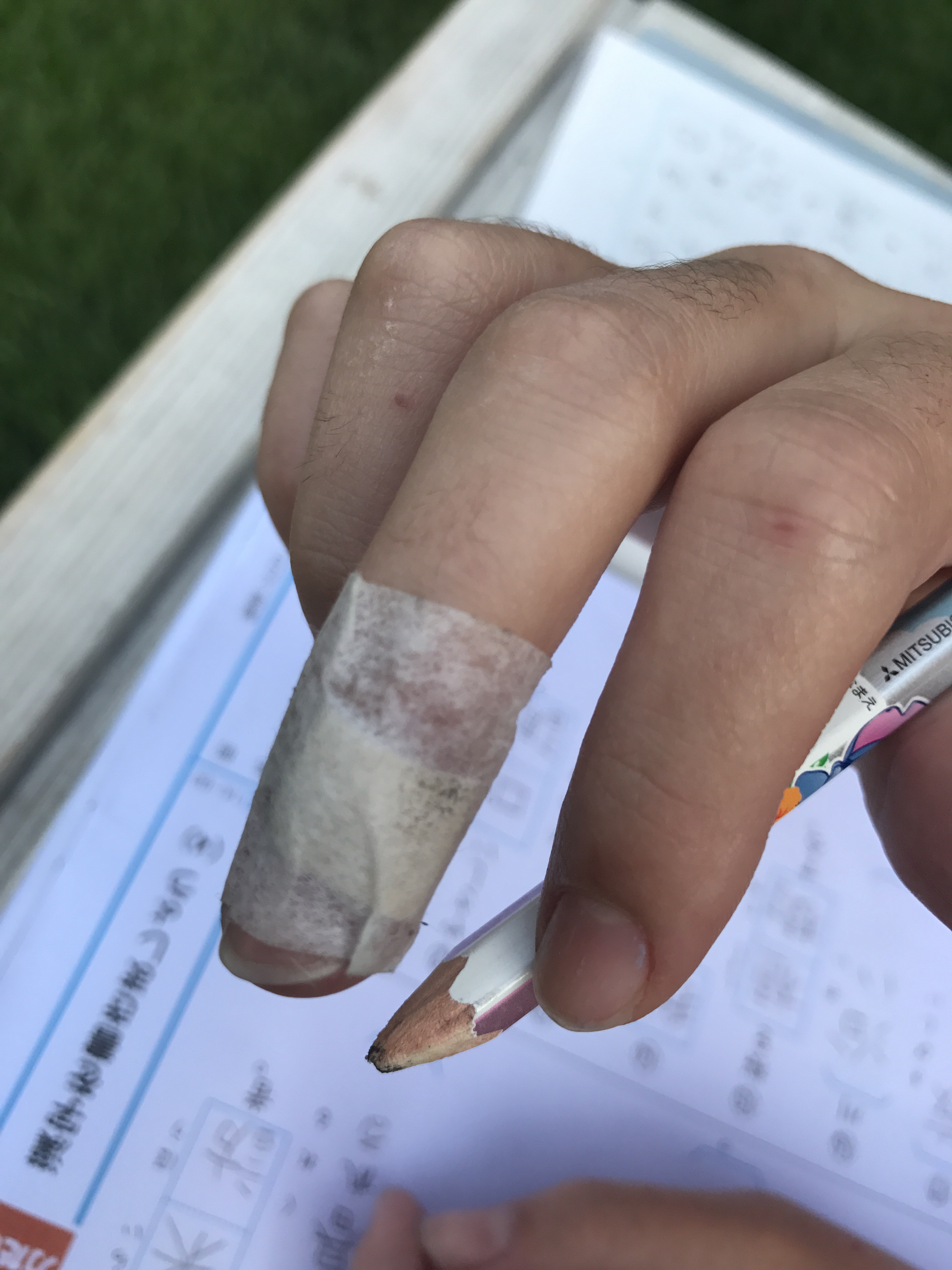
    And it’s not just a piece of paper with few mathematical problems to solve. It is a set of three to five book/booklets, some of them are inch-thick and most are half-inch thick. It can literally hurt a child’s finger because of doing too much  homework.
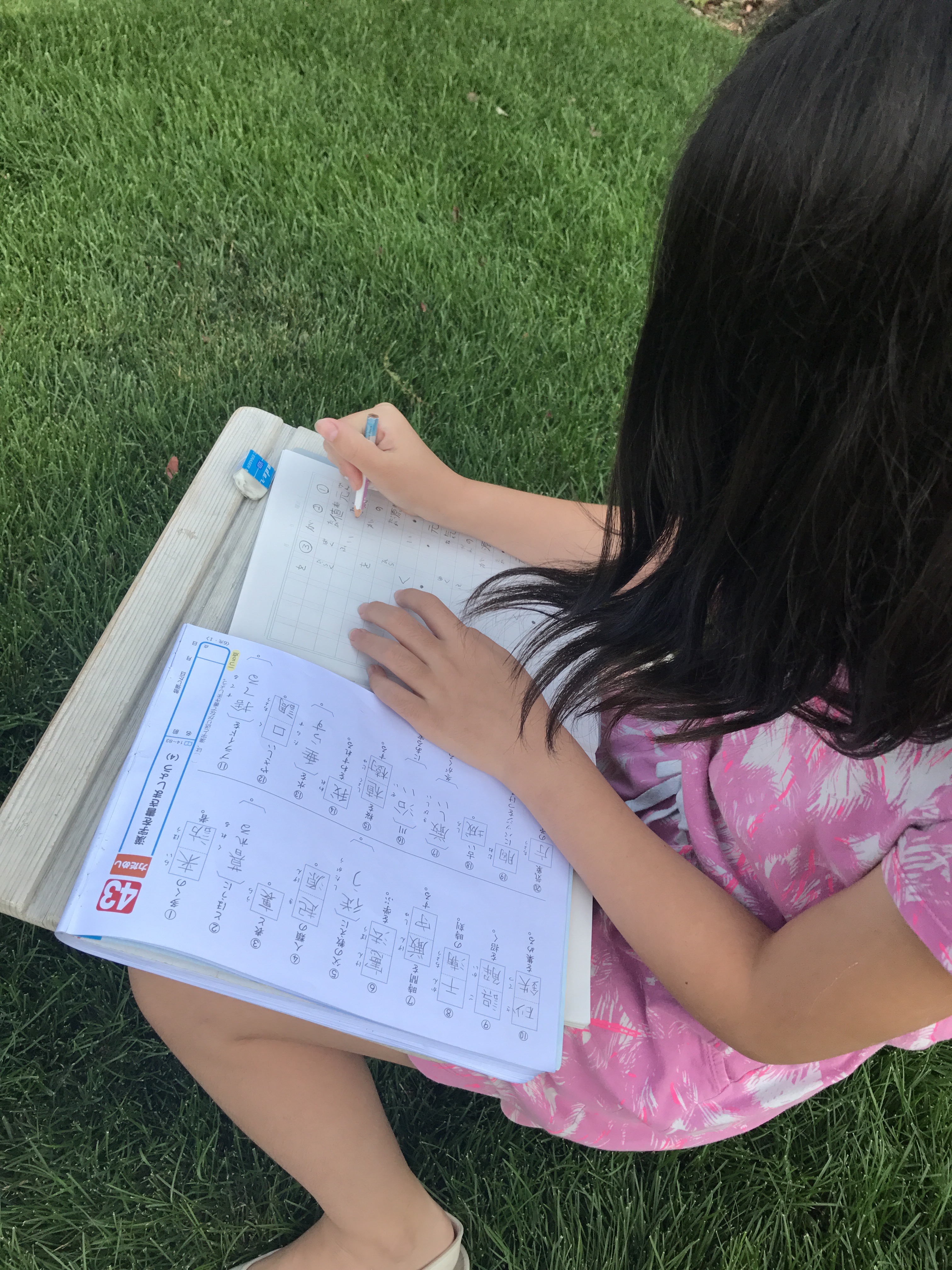
    Japan doesn’t consider summer break a vacation for students. They consider it a time for independent study. For students to study on their own in the convenience of their homes.

    Unlike the US and the Philippines, summer vacation in Japan is during school year, not between school year. April is when classes starts and mid-July to August is summer break. Classes resume in September and close in March. Between March and April, they have like  a two-week spring break, and that is between grades, when kids don’t get tons of homework like in summer break.

    Its not only the students who don’t like summer homework. Somehow, it becomes tedious for parents, too, who, during summer, becomes the “teacher substitute”, reminding their children to keep track of their homework. Parents are also the ones who check their children’s homework. Some parents make the schedule, how many pages a day and how many hours a day should their children dedicate for doing homework.

    The most stressful part of summer is the last week, when both parents and children realize that they only have few days to finish a bunch of unfinished homework , including the daily summer diary.

    Both Japanese and non-Japanese often discuss about whether this practice of summer homework is good or not. Some say that it’s a good way for training children to become independent and responsible. Some say that it’s too much in a way that it deprives children to enjoy their childhood.

    How about you? What’s your take on this?

    How do you spend your summer vacation?
  • Our Experience of a Cancelled Flight

    Our Experience of a Cancelled Flight

    The Long Awaited Day

    The 21st of July. We, the sleepyheads, specially my dear husband, miraculously woke up before our alarm. Our long awaited  summer vacation will start today. We’ll be flying to his homeland, the so-called land of the free, the USA. We’ll be out for a while in the land of the rising sun, Japan.

    We got up early to prepare for a looong flight. The flight would be 19 hours and 30 minutes, well, shorter than the flight we had last year, and so far, the shortest we got. We didn’t want to do multiple and long lay-overs, never again.

    Our flight have two stops. One at Narita, Tokyo and one at Los Angeles, California. Our flight to Narita was not until 1:35 in the afternoon but we decided to get to the airport early to avoid the cramming and stress we usually get in traveling. By the way, we live in Fukuoka, southwestern part of Japan. About an hour and a half to Tokyo.

    Everything was fine going to Narita. The flight was on time and the teller didn’t ask me unnecessary questions regarding my documents like the last time we flew to the US. It was smooth until we landed in Narita.

    The bad news

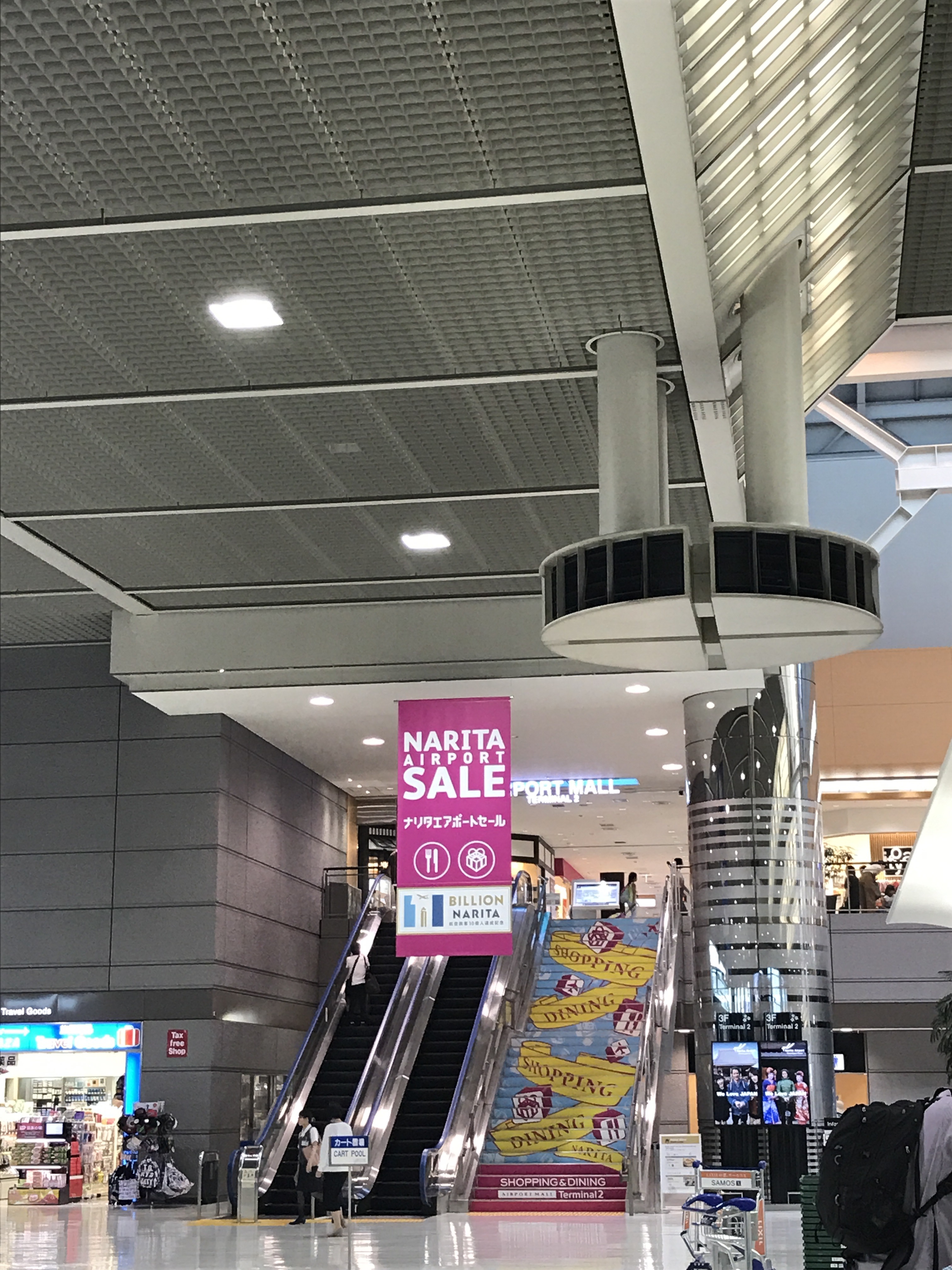
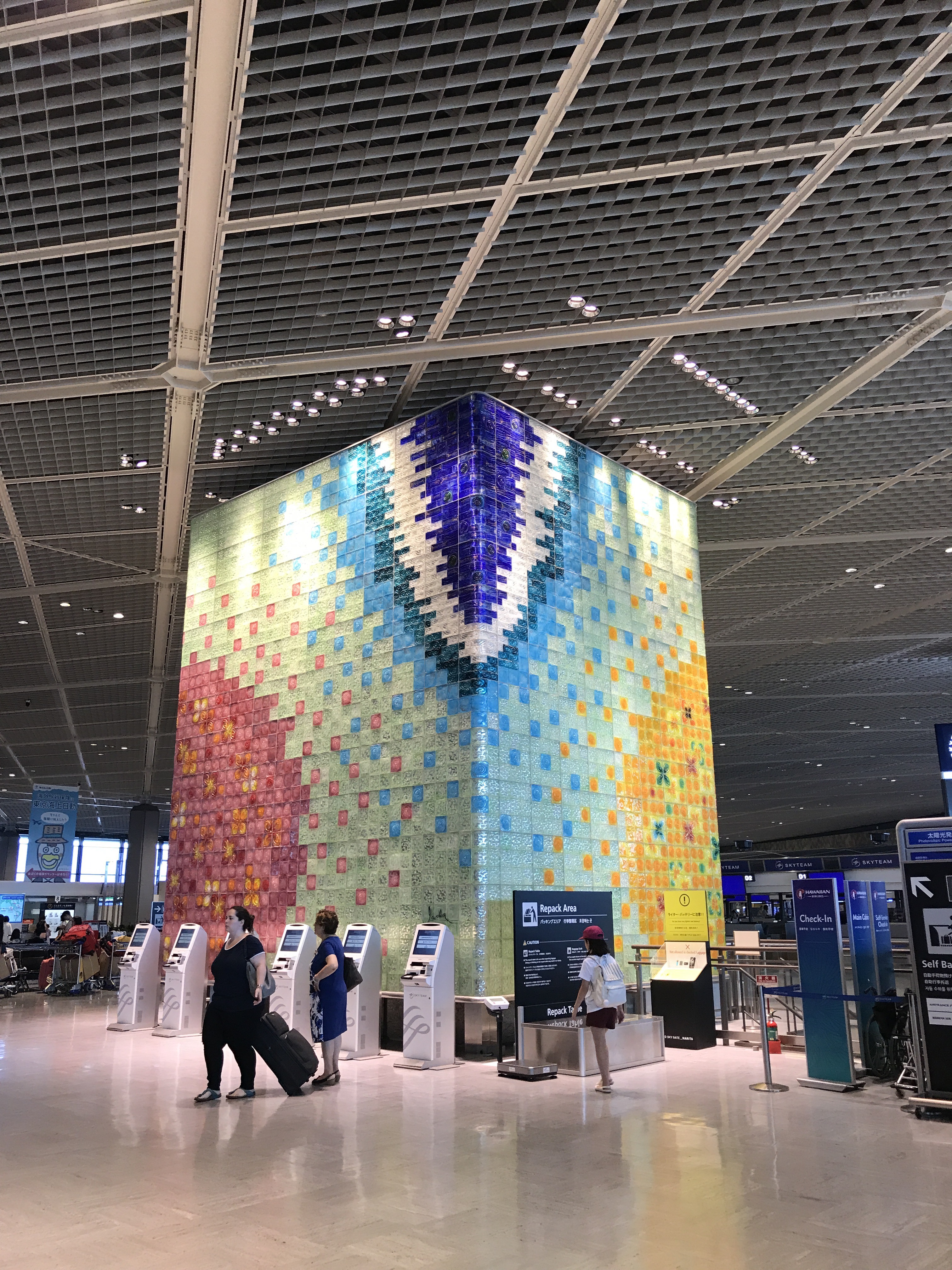
    We looked for our connecting flight to Los Angeles upon landing in Narita. We only had like two hours lay-over, just enough time to check-in and go through immigration. But to our dismay, our flight was cancelled due to maintenance.
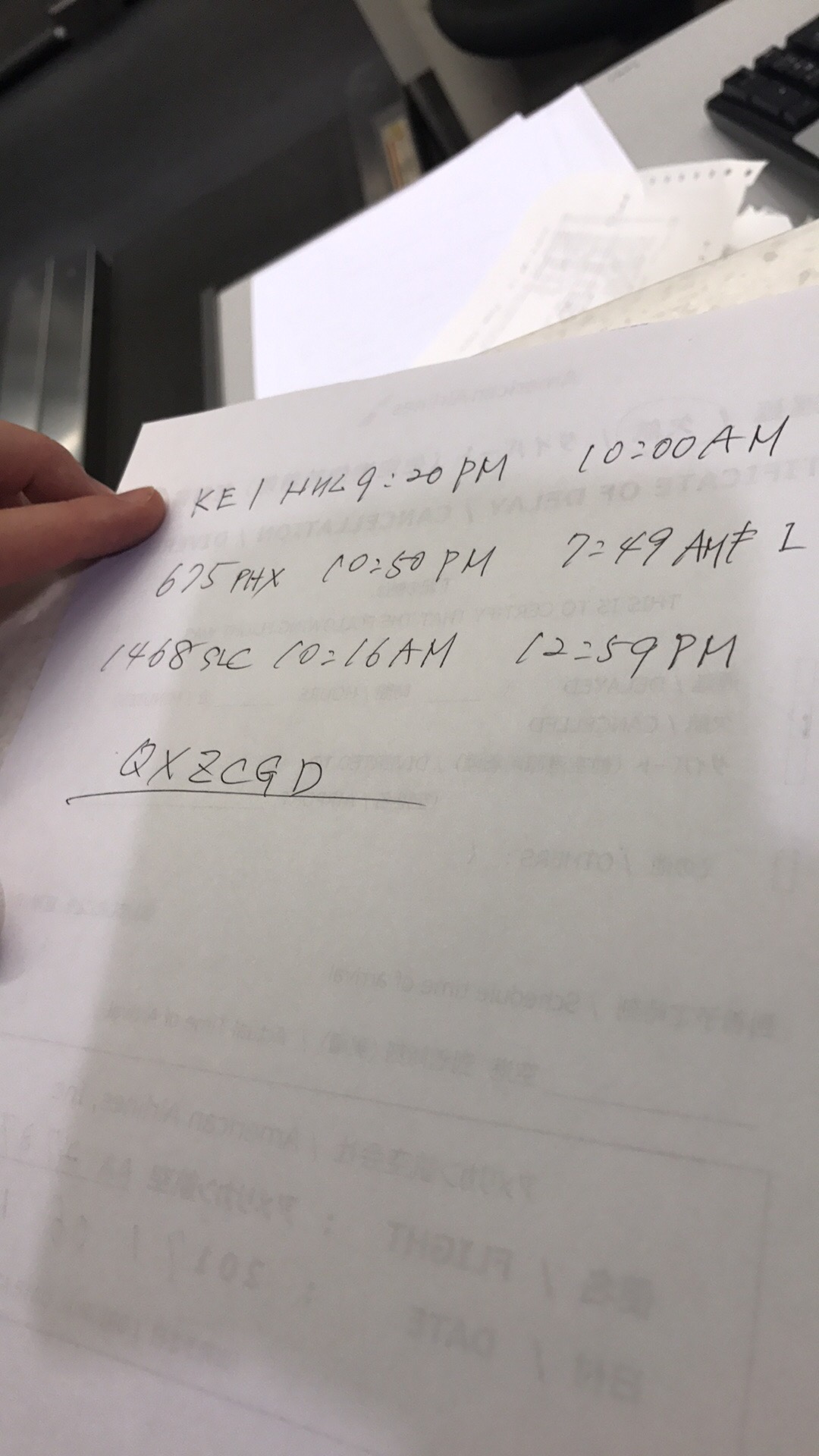
    We were directed to the Customer Assistance Counter where a lady in her late 40’s or early 50’s told us after making several clicks on her computer and phone calls to who knows who that the best that she could find is a flight later that evening which will take us to Honolulu where there is a 12-hour lay-over and then from there a connecting flight to Phoenix and finally to Salt Lake. Upon hearing that, my usually friendly and jolly husband raised his voice to disagreement. He insisted to get a better offer since we, in the first place,  chose this flight because we did not want to go through the hassle of multiple and long lay-over flights. The lady, then told us to wait again, this time it was longer. I don’t like waiting at all. It was exhausting.

    [wpvideo 3X9Y9Gpr]

    ​Finally, after almost an hour, the lady offered us a better deal. We could stay in Tokyo for a night with free hotel accommodation and get on the flight the next day, or if not, accept the first offer (the long lay-over in Honolulu). Although, I kind of wanted to go to Honolulu, too, since I’ve never been there before, but I just hate long travels and the thought of getting on and off several planes made me sick already. Finally, the lady made all the necessary arrangements for our changed flight and free hotel accommodation.

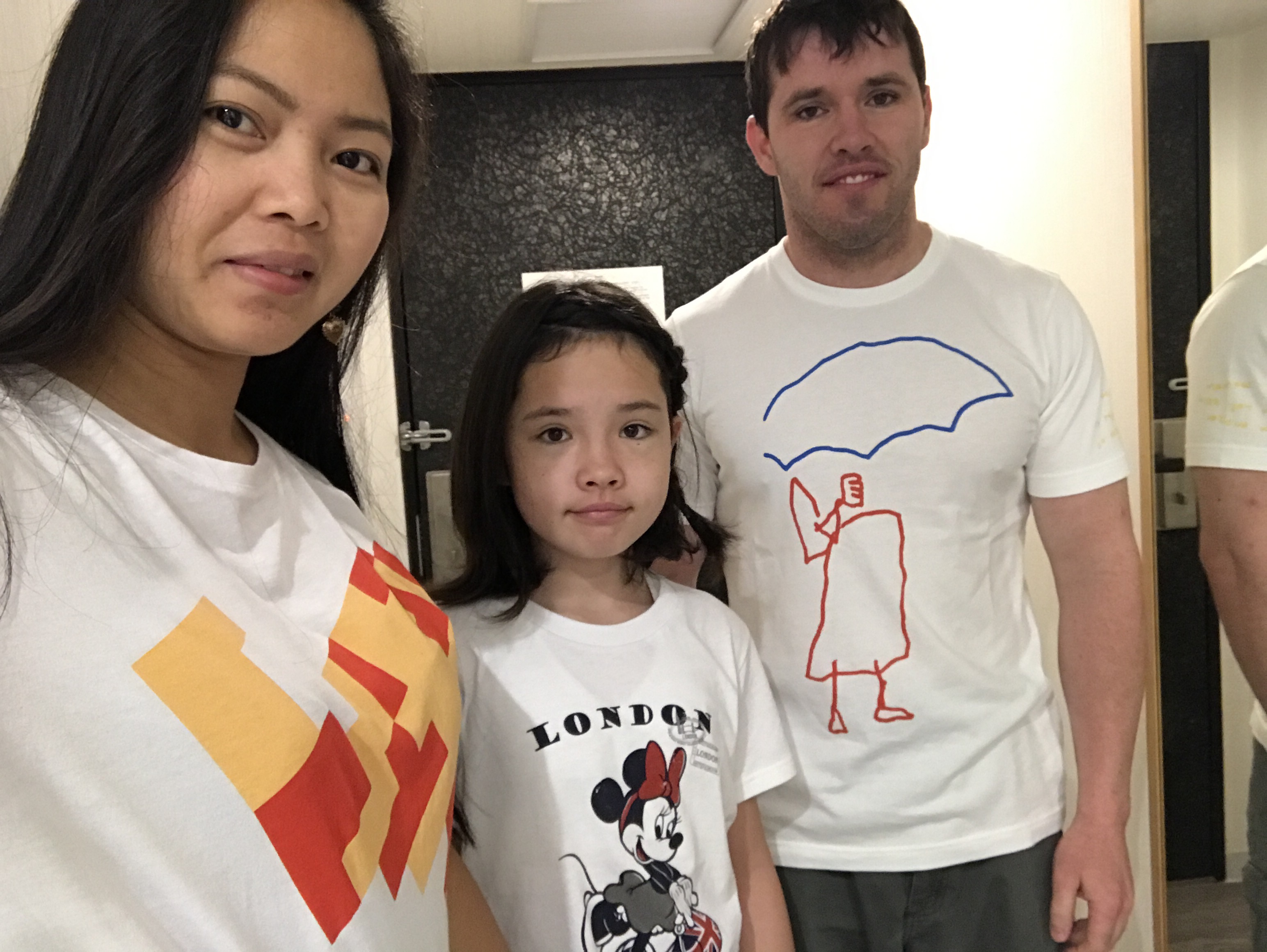
    We were almost settled but then we realized we don’t have a change of clothing with us since our luggage has already been checked in and we’re not going to get until we arrive in the US.

    But, thanks to UNIQLO we could get reasonably unexpensive decent-enough clothing to survive until the next day.

    The complementary hotel accommodation 

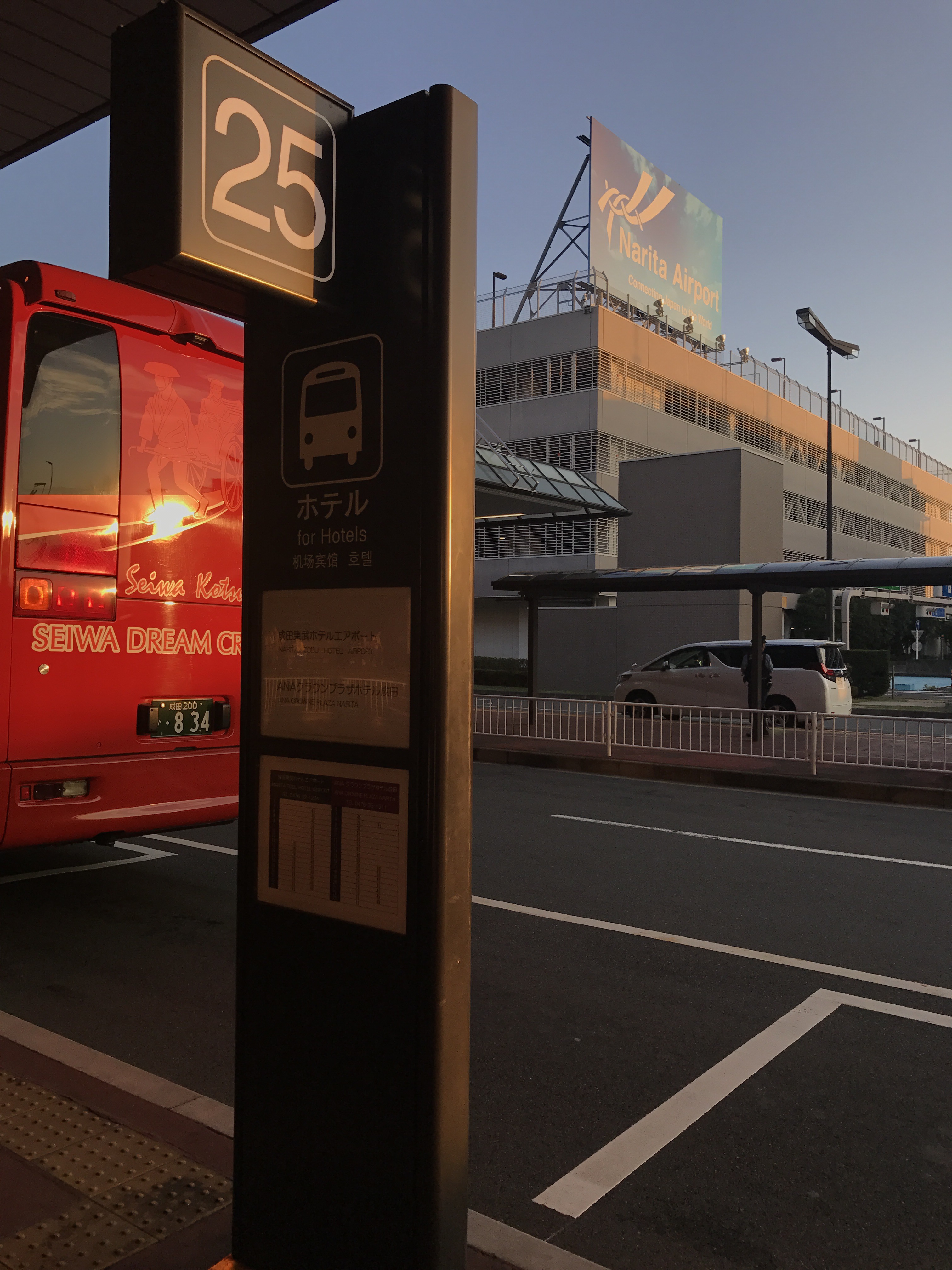
    The shuttle bus  came on time and took us to the hotel.

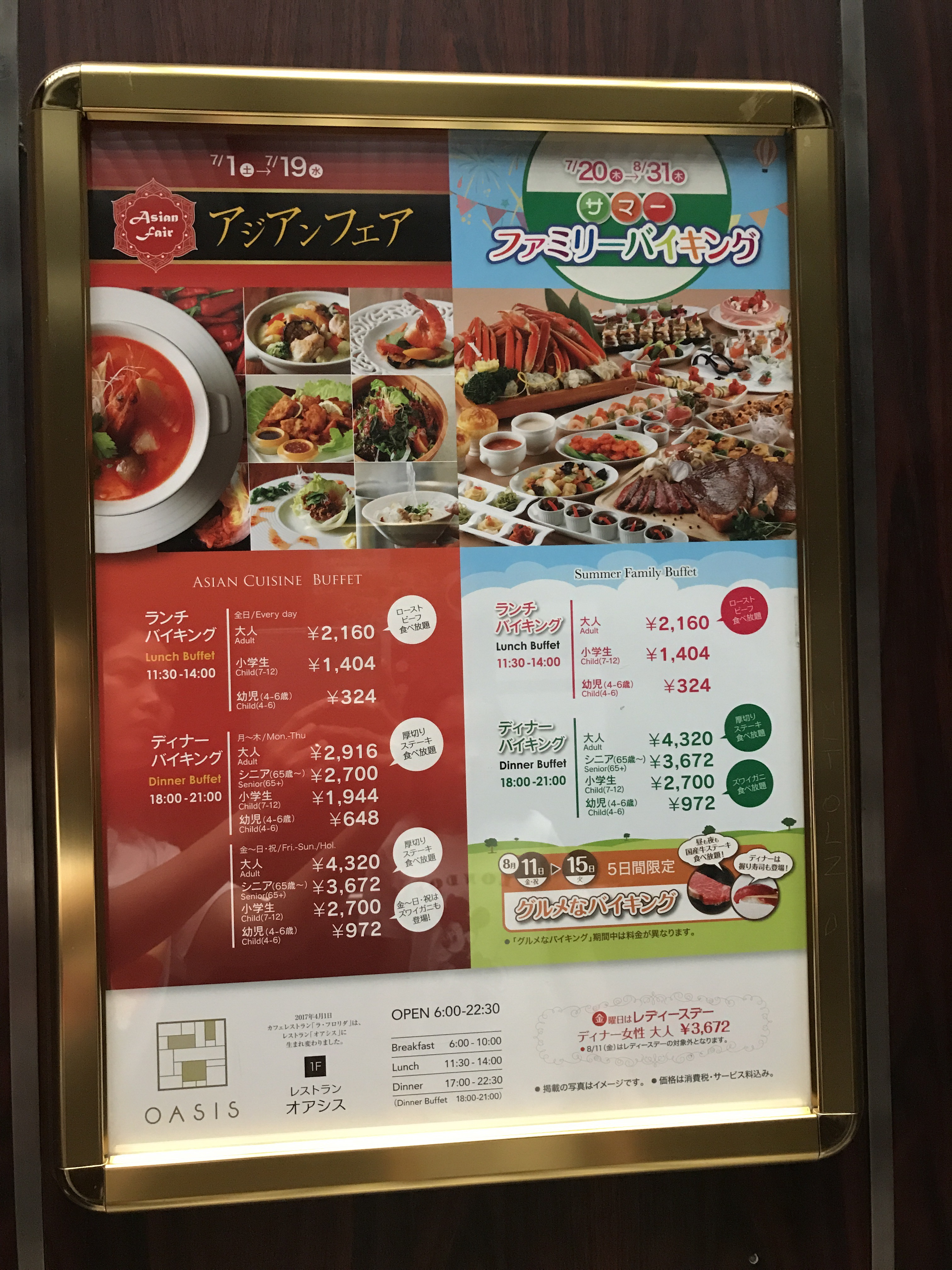
    While inside the bus we saw a poster of a restaurant offering buffet. We got excited for a moment there but we quickly dismissed the idea of us getting into a nice hotel, the more of having a buffet dinner and breakfast. For sure we’re going to get a less than average accommodation and more or less a piece of bread or cereal and a cup of drink for our meals.


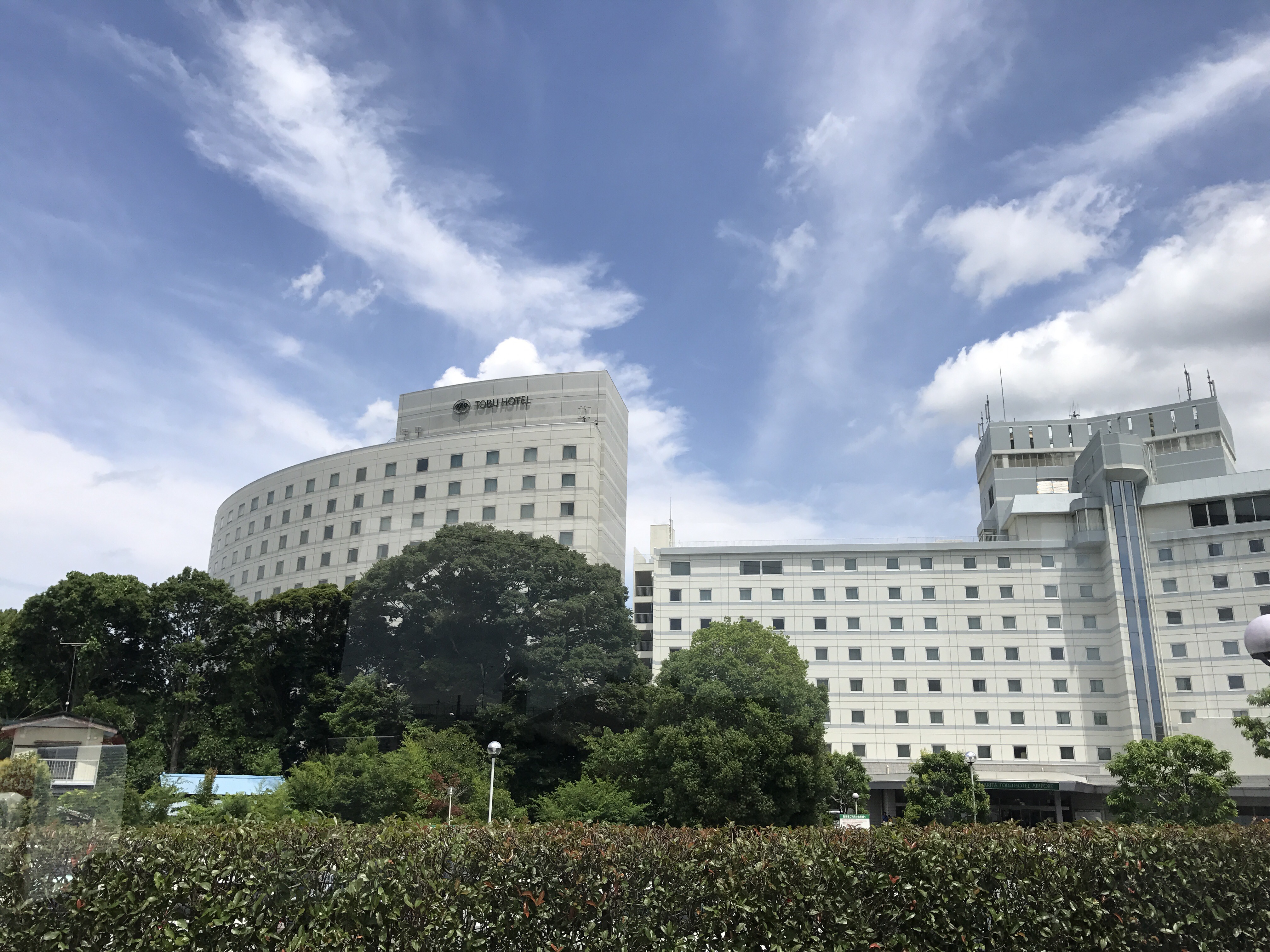
    After about 20 minutes, we arrived at our hotel and we were happy to see that it’s more than what we expected.

    It’s quite big, the lobby is nice, and receptionists are friendly and quick.

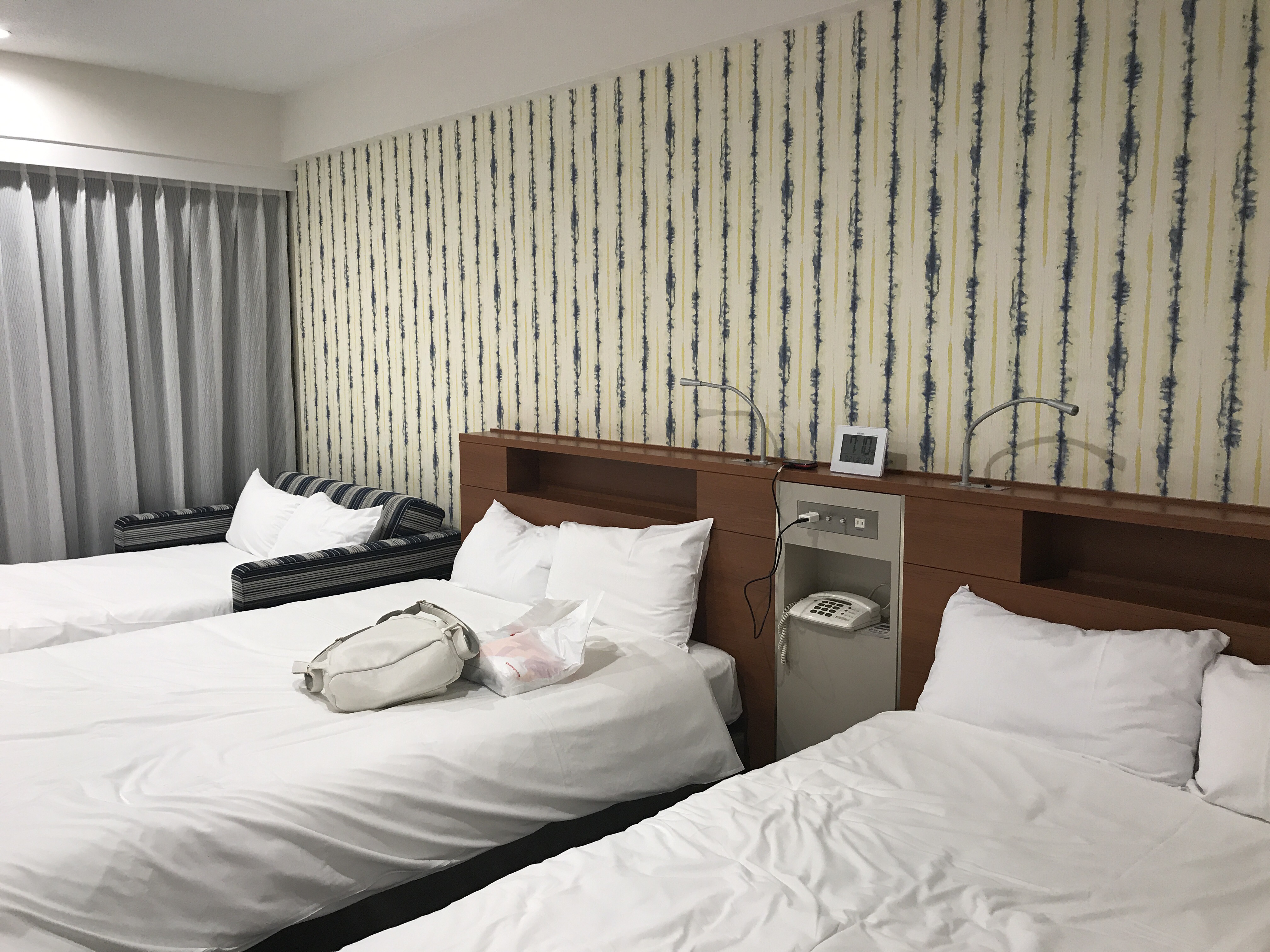
    We were even more happy when we opened our room and saw that we got three beds, one for each of us.

    The best part of our cancelled flight is the buffet dinner and breakfast included in our hotel accommodation.  The restaurant was spacious and well-lighted and clean. the waiters and waitresses were pleasant and attentive. The food was great. There was steak, meat dishes, salads, fruits, desserts, ice cream, drink bar, and the best part was the winter crabs for dinner buffet. We ate crabs that night like we never had before. And the breakfast was equally fulfilling.


    We left that hotel and headed to the airport the next day with the new perspective about cancelled flights. Not all cancelled flights are bad after all. Sometimes it’s just another opportunity to experience a new place.

  • 11 Annoying Facebook Statuses 

    Facebook is obviously the number one social media today. With almost 2 billion monthly active users, one can find all sort of entertainment and information there are, including some information you’d rather not know. Some of which are very private matters or just too unimportant to be on Facebook.
    Many Fb users are so attached to it that it seems it’s their only best friend they can talk to. Like there is no one in reality that they can share life’s big and small(est) events.

    The following posts I think are too much I considered them annoying.

    1. Posting selfies (in towel)  after taking a bath/shower saying “feeling fresh” with cleavage as the focal point.

    2. Burping in your status to show you are (damn) full.

    3. Saying “I love you” in your status to your partner you tagged who’s right beside you and your partner commenting “I love you, too.”

    4. Saying ‘good morning’, ‘good evening’, ‘good night’, ‘I’m back’ in your status many times a week and worse, everyday.

    5. Posting too much selfies (more than 5 a day or even a photo a day) that your friends memorize every angle of your face already even with their eyes closed.

    6. Changing your profile picture with an edited picture of yourself many times a month too much that you look so different in person.

    7. Expressing anger at someone with a 10-line post and saying “I’m not angry” or “I don’t care” at the end. Are you sure you’re not angry and you didn’t care after that rant?

    8. Posting photos of dying patients and asking people for help by “liking” them. If that works, don’t you think all dying patients in the hospital should have their photos uploaded on Facebook?

    9. Posting photos of accidents (mostly vehicular) with victims’ blood (or brain) and body parts scattered all over.

    10. Posting a photo of a long-haired bearded guy and forcing everyone to type ” Amen”or else something bad will happen to them.

    11. #Statuses #with #hashtag #in #every #F* #word #in #it.

    You might disagree to this article. This might annoy you, too. Well, “Different strokes for different folks.” What annoys me might interest you. I know there’s a way to avoid this negative feeling. Unfollow. That’s it.

    Or if you agree, and you can relate, and thinks this list is not enough, then tell me more.

  • Setsubun and Risshun: Say Goodbye to Winter and Hello to Spring

    Setsubun and Risshun: Say Goodbye to Winter and Hello to Spring

    The freezing cold of winter makes people long for spring. Spring, the time when flowers bloom. It is when the temperature goes up gradually. It is when people start going outdoors again. The weather is not too cold. Just “choudo ii”, as the Japanese say, meaning just right. The cold turns to cool. Everything turns bright and gay with flowers blooming and weather warming up. Adios to the dark and gloomy winter. But, when exactly is spring? In Japan, they have a celebration that marks the end of winter.

    What is Setsubun?
    Setsubun (節分) means seasonal divison. The kanji 節 means ‘season’ and the kanji 分means ‘part’. Setsubun’s original meaning is the last day of any season. Spring Setsubun, usually February third or fourth,is the last day of winter in the traditional Japanese calendar. Setsubun is said to be the old New Year’s Eve celebration basing on the Lunar New Year.

    How is Setsubun celebrated?


    On this day, Japanese people hold the mamemaki 豆まきor bean throwing ceremony for driving away bad luck and attracting good luck. It is a ceremony where they throw beans at the ‘devil’ and chant “Oni wa soto. Fuku wa uchi”, which means “Demons out. Blessings in.” Other translation says “Demons out. Happiness in.” Demons in this case represent bad luck. The chant is said to drive away all the bad things out, and bringing the good things in. People visit shrines and temples to pray. Big shrines sometimes hold a big throwing ceremony and lots of people come to attend. Shrines are beautifully decorated and somebody who is assigned as demons wear elaborate whole body costumes. Shrine priests also wear their special clothes. Sometimes, the city or town’s leaders come to attend to. When you go to supermarkets and grocery stores and even convenience stores, setsubun decorations are displayed. You can see the fuku or happy face and demon masks. Demons are usually in color red and color blue. Normally, Japanese people do their own ceremony at their homes. The demon is usually played by the father. After work, fathers wear a devil’s mask and come home to surprise the kids. The kids together with their moms throw beans at the ‘devil’ and chant.  Families with kids celebrate this ceremony more than those families without kids. Maybe, it’s because kids really believe that devils are real, while adults, they know it is just a pretend.

    What to eat


    goinjapanesque.com

    After having fun throwing beans at the devil, each family member picks up the beans and eats them with the number according to their age. That is to be said, five year-olds for example get to eat five beans and eighty-year olds get to eat eighty beans. It must be hard for grandpa and grandma to eat all those beans, I guess.
    Recently, about three to four years ago, my Japanese friend said that on Setsubun, Japanese eat ehoumaki (恵方巻き). Ehoumaki is a long sushi roll. It is said that eating ehoumaki attracts good luck. There are various kinds of ehoumaki. The one I had in school lunch consists of cucumber and crab stick. I saw in the television news that one shrine in Japan celebrated Setsubun by distributing ehoumaki to about a thousand shrine vsitors and they eat them altogether for good luck and happiness.

    My Experience


    I love festivals and I love learning Japanese culture. I have learned about Setsubun in the university where I studied Japanese. We did a short bean-throwing ceremony in the class and we chose our male classmate to act as the demon. It was fun but it was short and we wanted more. Upon hearing that there was a big bean-throwing ceremony in town, my friend and I decided to attend. We went to Kushida Shrine in Hakata, Fukuoka. 〒812-0026 Fukuoka Prefecture, Fukuoka, Hakata-ku, Kamikawabatamachi, 1, 博多区上川端町1−41

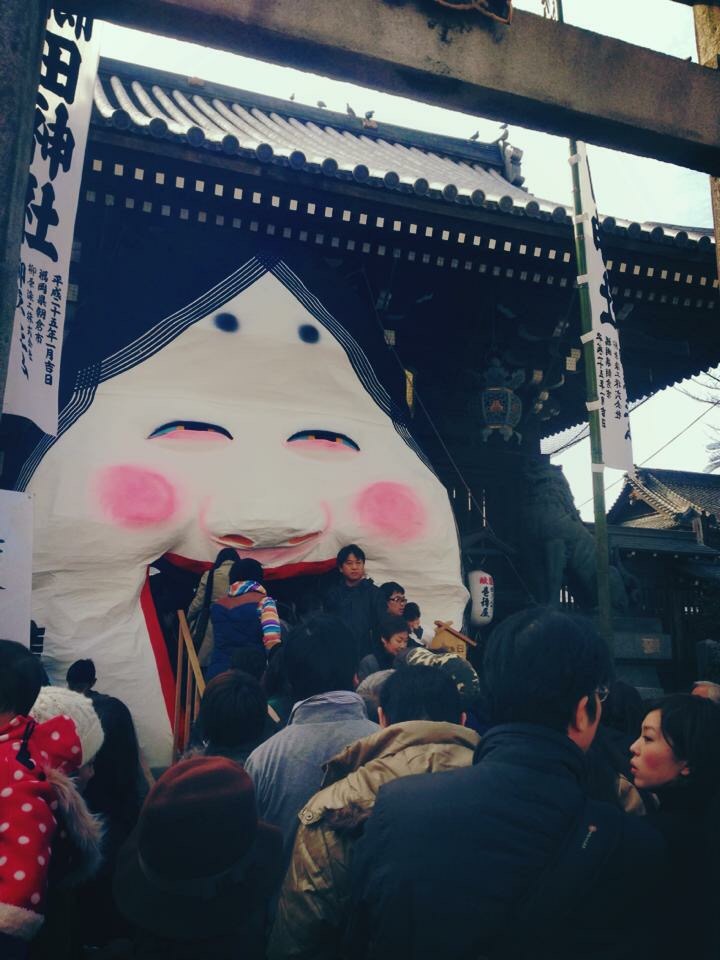
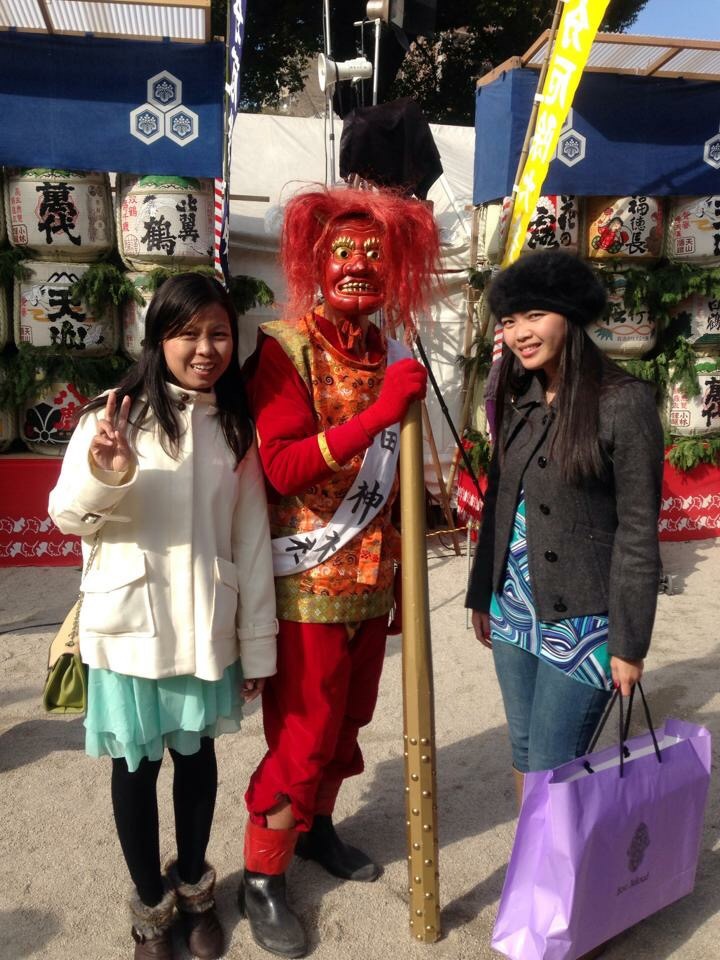
    In the entrance of the shrine was a big face of Fuku or the happy face. You can enter the shrine only through the mouth of the Fuku. The lines were long but my friend and I waited for our turn. Just waiting in line made us feel so excited. We could feel the energy around. The shrine was so full of people. Everybody was excited to get inside and join the ceremony. Inside, the shrine was so beautifully decorated. We saw Japanese priests in costumes and we saw some demons, too. The red demon was kind of cute so my friend had our picture taken with him.


    During the highlight of the ceremony, the guests and priests on the stage throw the beans while saying the chant and the people on the ground tried to catch the beans. We tried to catch some beans, too. We had so much fun. It was a very good experience for me and my friend. Now that she left Japan back to her country for good, while I stayed here and work, we always look back to those times we went to Kushida Shrine every Setsubun.


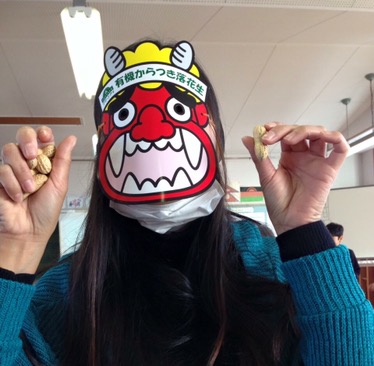
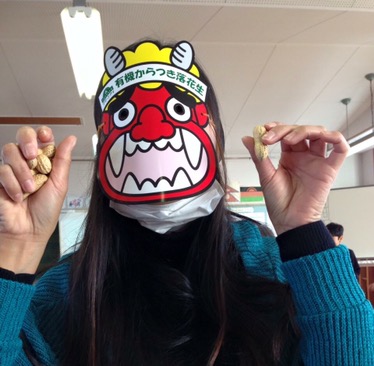
    As a teacher here in Japan, I myself experienced becoming the demon. I wore the demon mask and my students throw peanuts at me. I ran around trying to avoid there throw but, you know, kids are very energetic; of course, and I got hit many times. I lost, as it should be. It was so much fun. We picked up the peanuts after and ate according to our age. Well, I had lots of peanuts as you guess. In my school this year, we had ehoumaki for lunch and everyone got a pack of fukumame. Everybody was happy.

    Risshun (立春)


    Comes the next day, February fourth, is the risshun, or the first day of spring according to the traditional lunisolar calendar. Even though it is still cold around the month of February, even though many people still wear all their winter clothes, with their necks still wrap with thick scarves, it is not as cold compared with the previous months of January and December. Around the month of February, plums start to blossom. Plum blossom is the early sign of spring. And this time, we can say, “Indeed, spring has come.”

  • Trending Na Miss U Sa Pinas, Trending Pud Ba Sa Japan?

    Trending Na Miss U Sa Pinas, Trending Pud Ba Sa Japan?

    Malingaw ko magscan sa akong timeline kay makita nko kalahian sa Pinoy ug Hapon when it comes to beauty pageants. Trending kaayo sa Fb sa Pinoy ang Miss Universe (Ms. U). Halos tanan akong mkita sa timeline puro about Ms. U. Halos tanan nakatutuk gyud. Ma pa-TV, streaming, etc.

    Ang uban gani, bisan naa sa trabaho, muundang ky mutan-aw gyud. Ang uban nga tigdugay mangmata nagmilagro ug mata sayo kay mutan aw lagi ug Ms. U.

    On the other hand, ang mga Hapon, wa koy nakita o nadungog about aning butanga. Busy sa ila work ug skwela. Bisan sa balita, wa koy nakita nga ginews kinsa nakadaog. Wala bisan isa ka commercial about sa pageant. Kung naa man ug wala lng nko nakita, dili gyud ana ka-big deal sa ila ang beauty pageant. Wa silay paki kung kinsa mga bayhana nangapil ug kung kinsay makoronahan. Dili sila hilig ug pagwapahay ug pa sexy-hay. Ang ilaha – trabaho ug responsibilidad ug realidad.

    Dili parehas sa kadaghanan sa mga Pinoy. 🙂

    O basi kami ra. Hehe.

    Maremeber lng nko sa una dugay na. Bata pa ko. Manan-aw pud gyud mi sa among balay ug mga pageant sama sa Miss Universe, Miss World ug unsa pa ng mga beauty pageant. Bisan gabii na kaayo, pulawan gyud makita lng kinsay makoronahan. Ganahan pud kaayo mi magtan aw sa mga sexy na kandidata nga nka swimsuit ug mga nagkalain-laing gown. Mag-iyahay pud mig pili ug kinsay mudaog. Mura pug judge hehe. Murag tradition na gyud sa mga Pinoy. Nka embed na sa kultura. Mao siguro, ang uban, ginatudluan nag rampa ug modeling (selfie etc) ila mga anak na babae sugod sa gagmay pa. Hehe. Cute tan awon. Bisan sa skul, beauty contest dili mawala. Ms. Nutrition, Lakambini, Ms. United Nation, Queen of Hearts. Bisan gani teacher naay beauty contest. Lol. Dala pa kwartahay. Funding para sa school. Hehe. Sa Purok, sa Barangay, sa Siyudad, tanan naay “Miss”. Kung lokal na lengwahe usahay tawagon ug “Mutya” o “Binibini”.

    Ug inig gani dili makadaog ang pambato, ang kasagaran rasun “giluto” lol. Ug kung dili maayo ang tubag, mag-andam nlng ang kandidata ug mga isa ka semana hantud isa ka bulan na pagpanaway sa iyang abilidad. “Bugua pud ui!”
    “Ngano kana gipili?”
    “Di kabalo mutubag”.
    “Paluma-luma!”
    “Maypag si kuan nlng tu..”

    Ug uban pa hehe..

    Bitaw no…unsa may benepisyo nato anang kahilig natu sa pageant?

    Maasenso ba gyud ta ana?  O makasamot ka pobre?

    Ikaw..unsa sa imo tan-aw?

  • Nagasaki Chinese Lantern Festival

    Nagasaki Chinese Lantern Festival

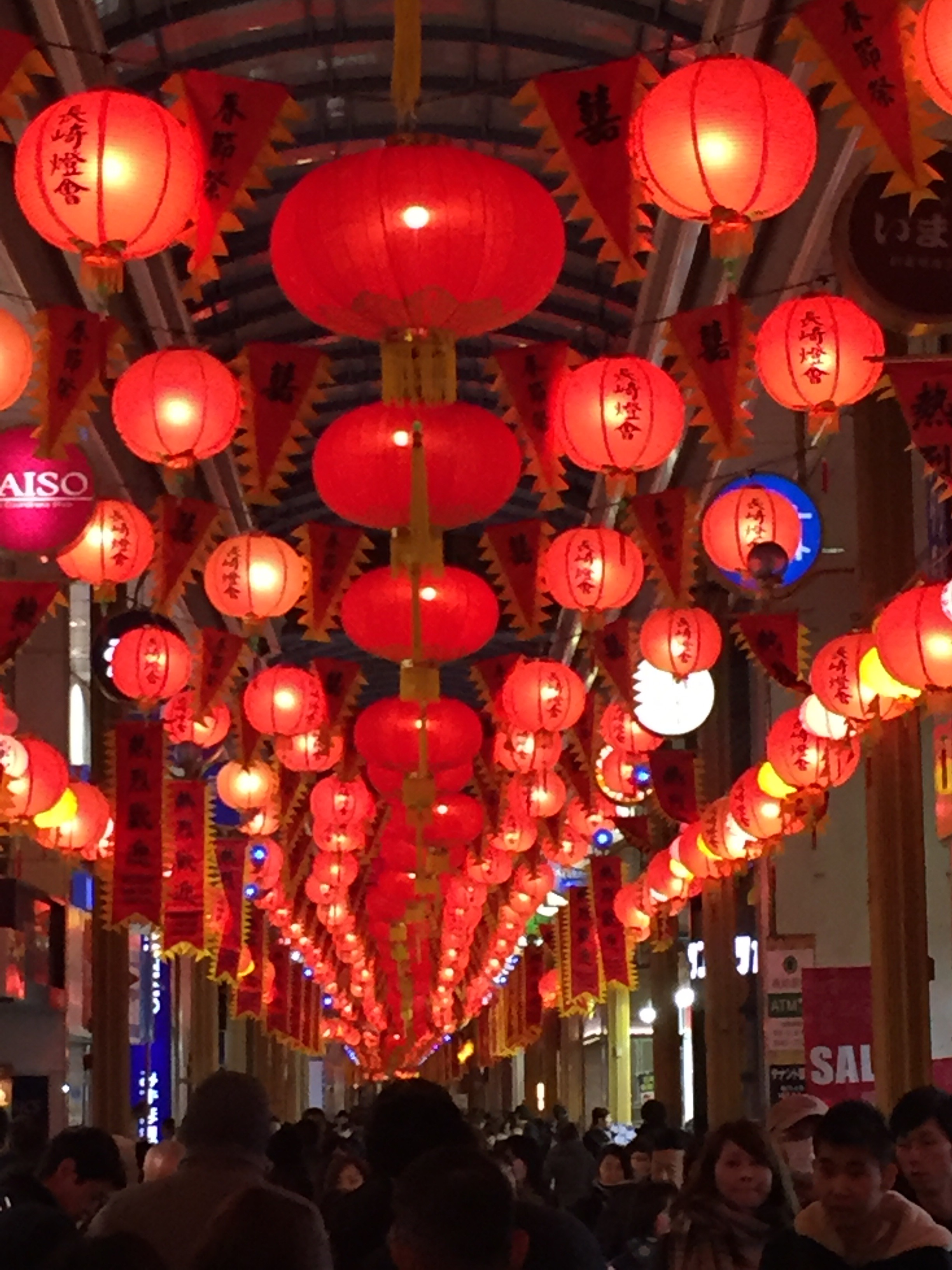
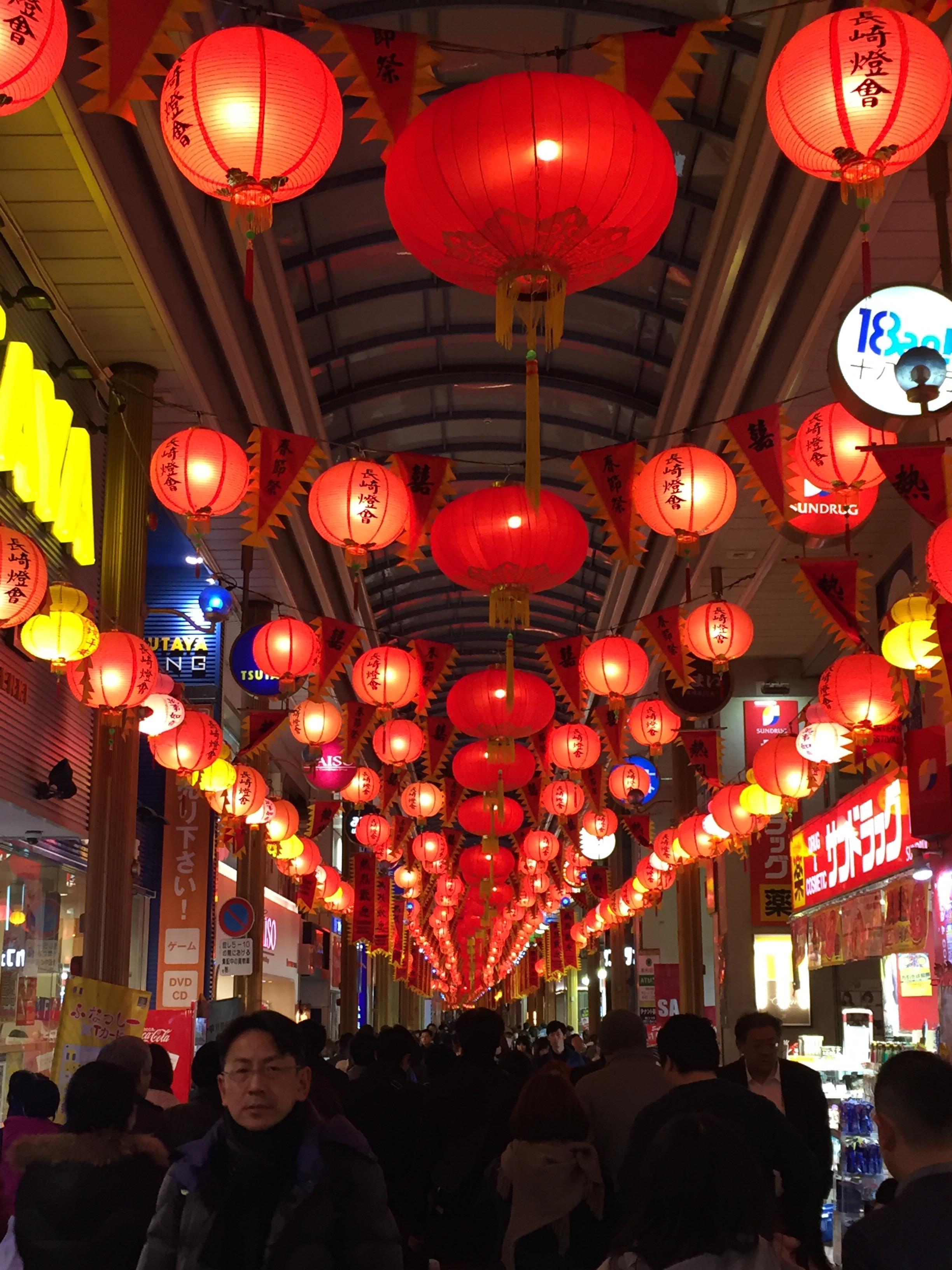
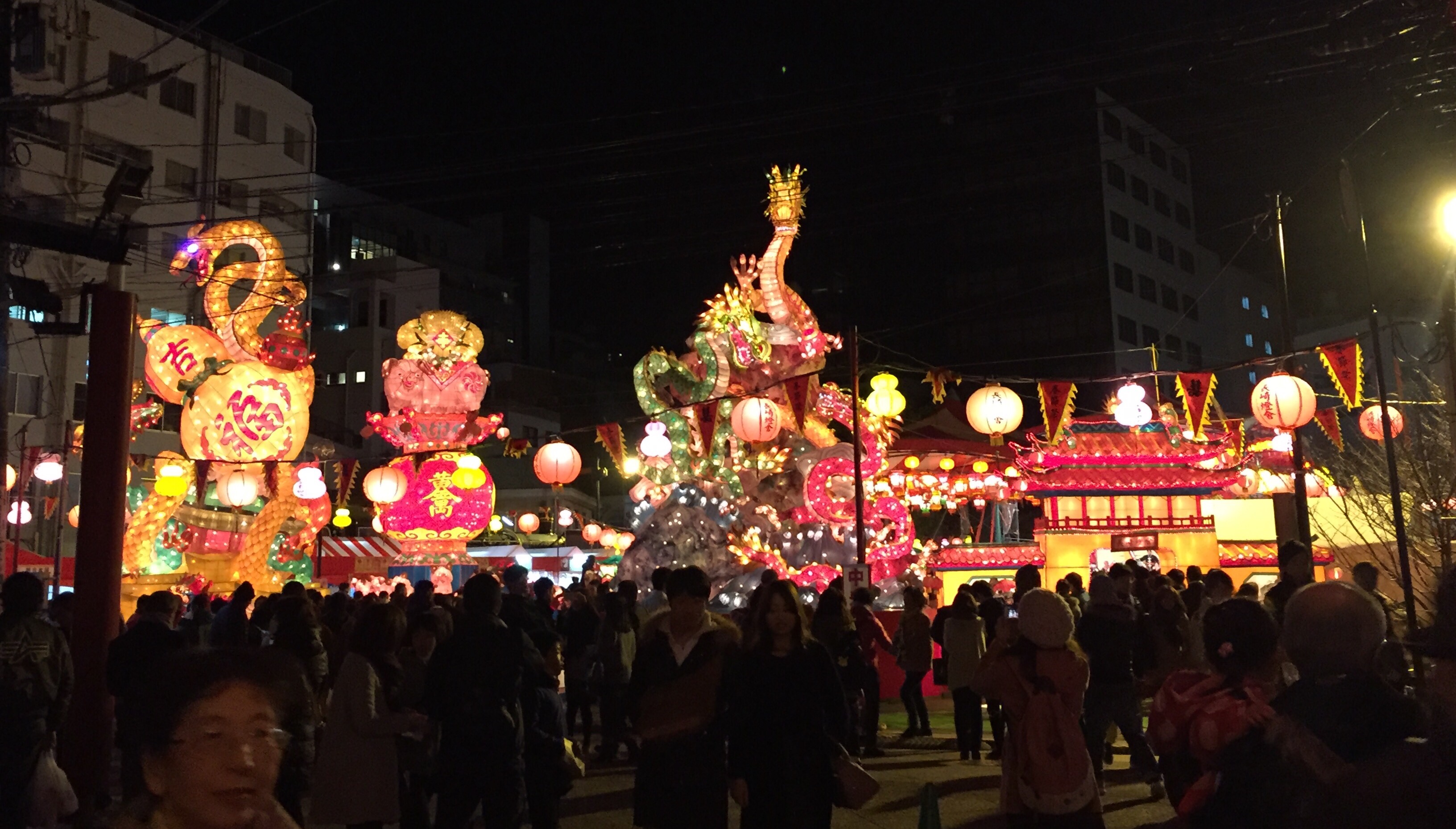
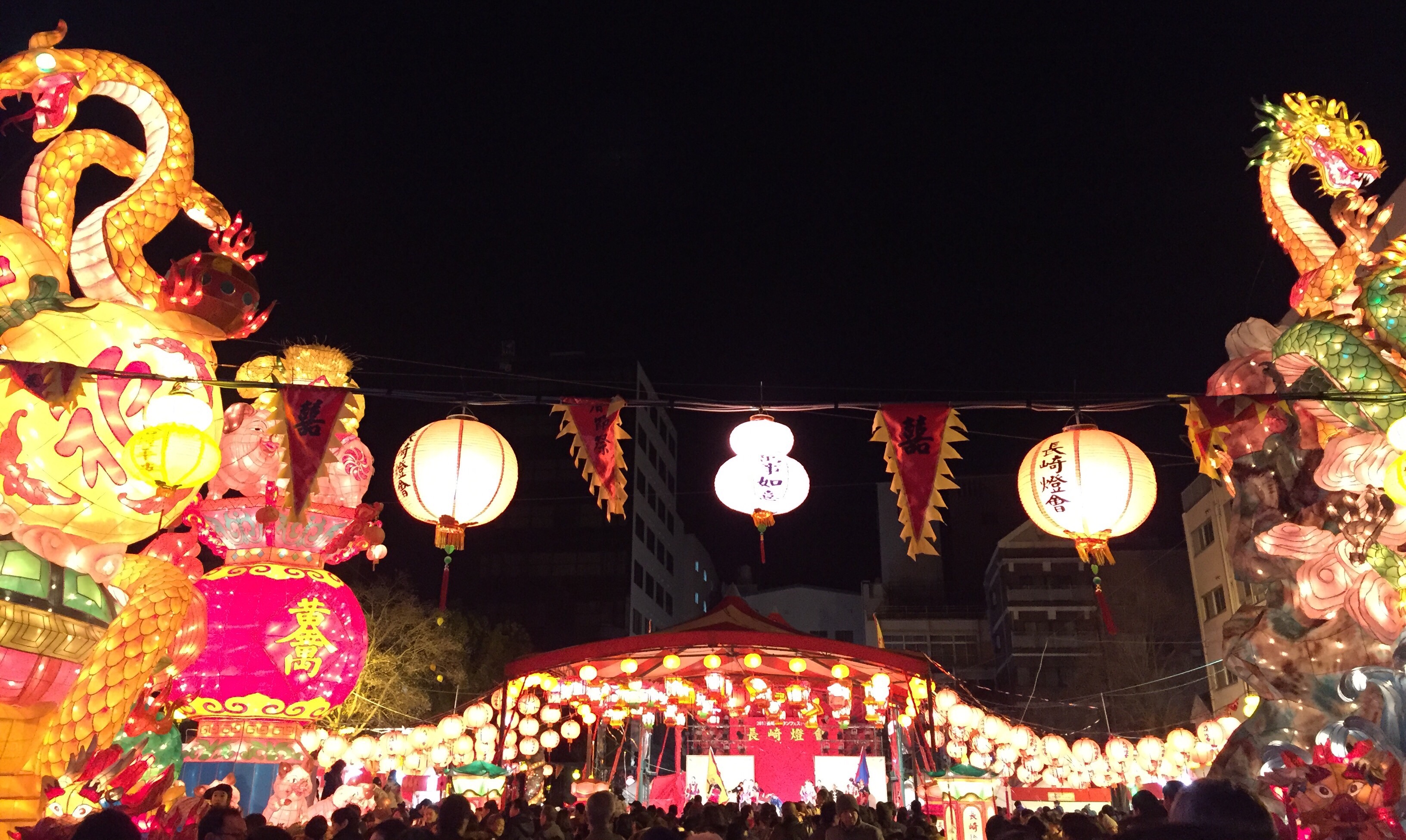
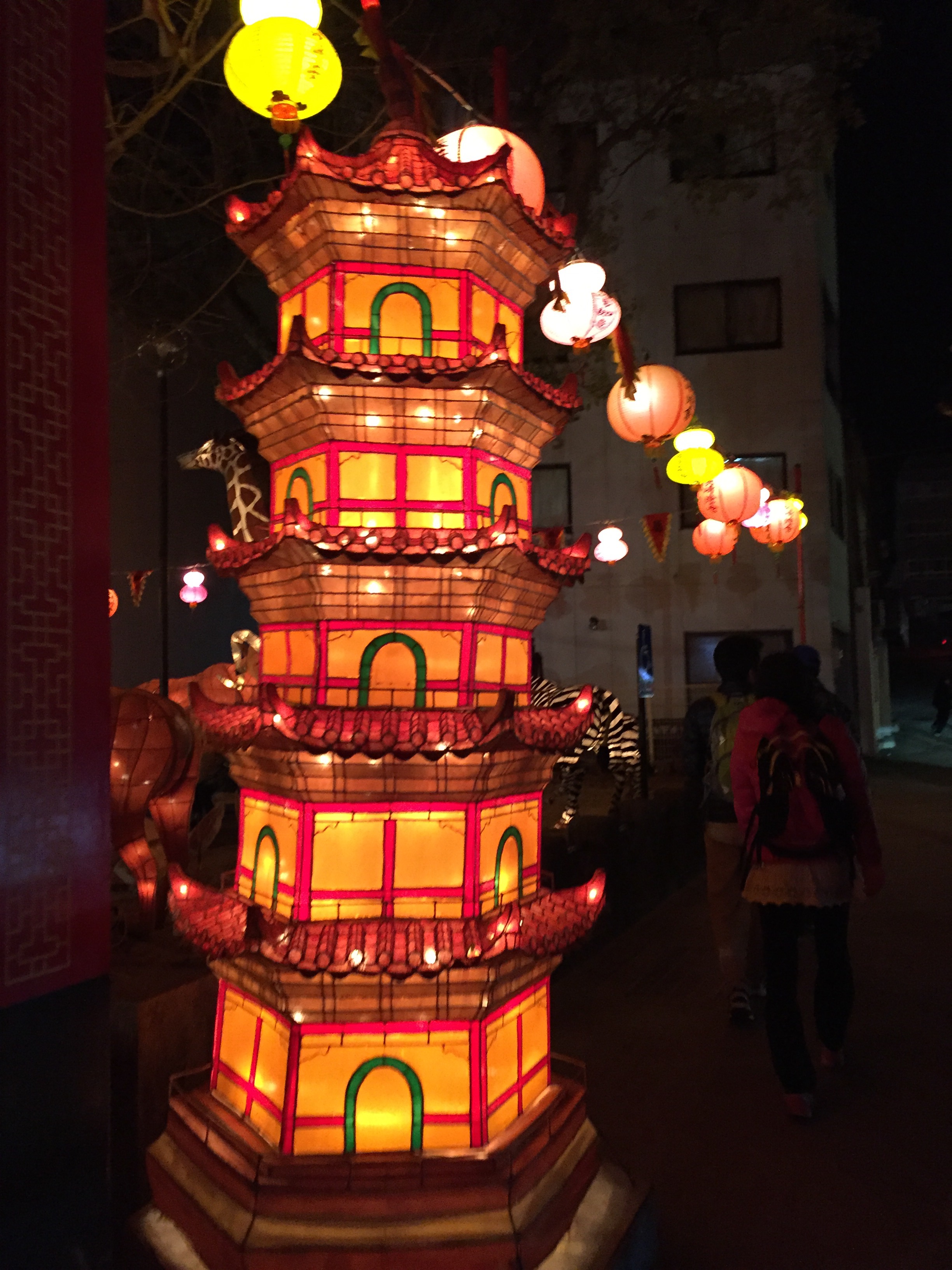
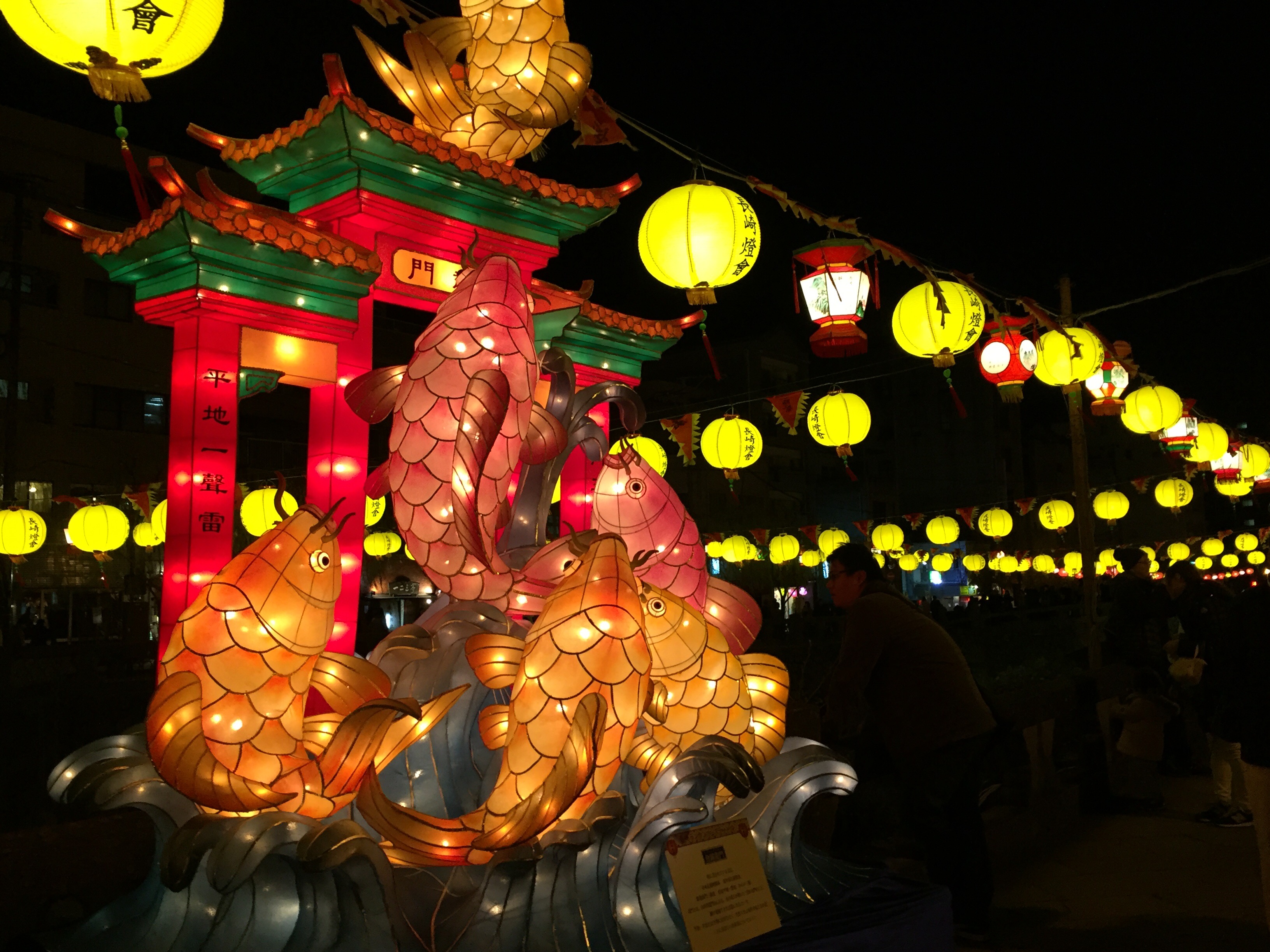
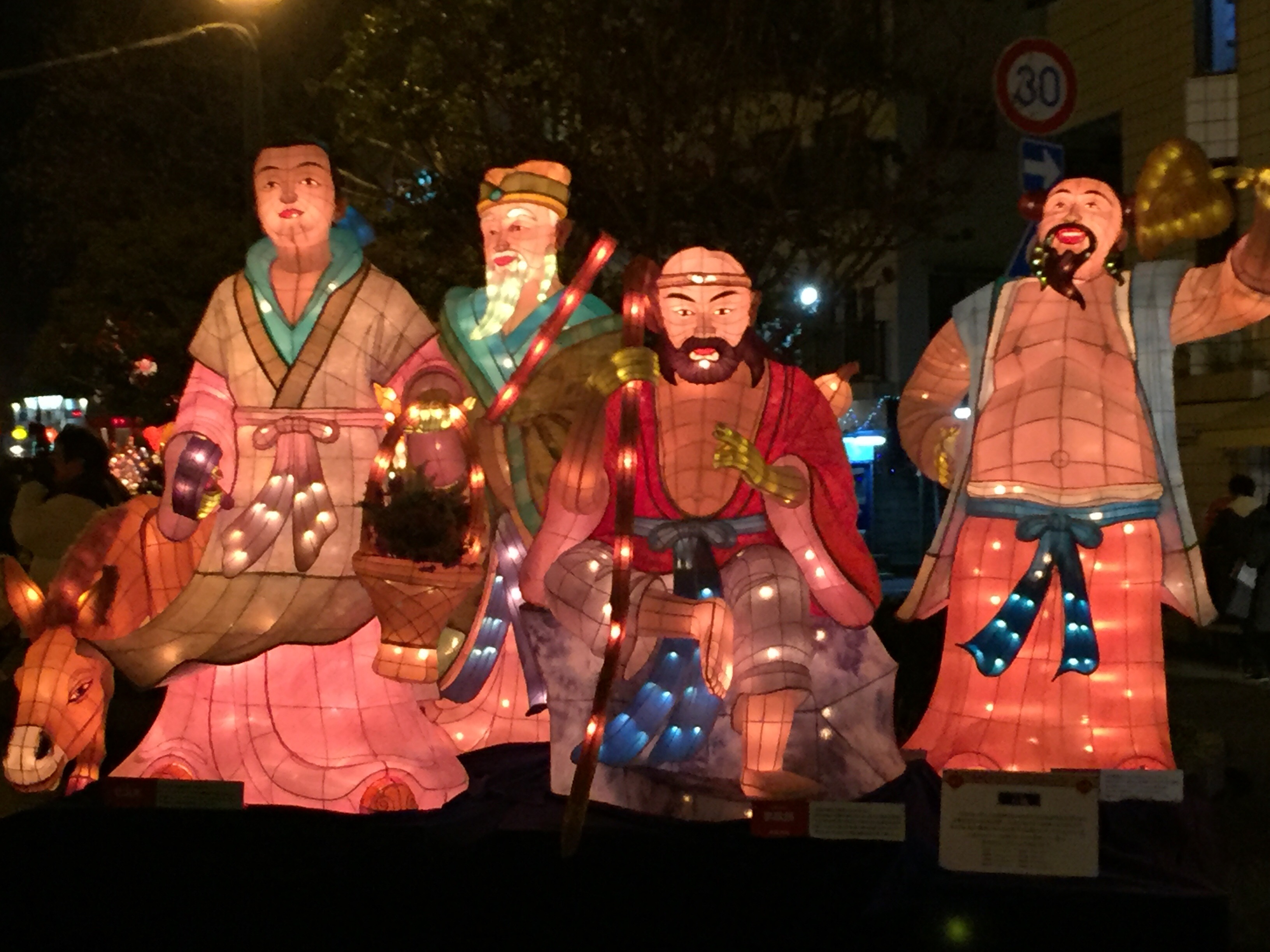
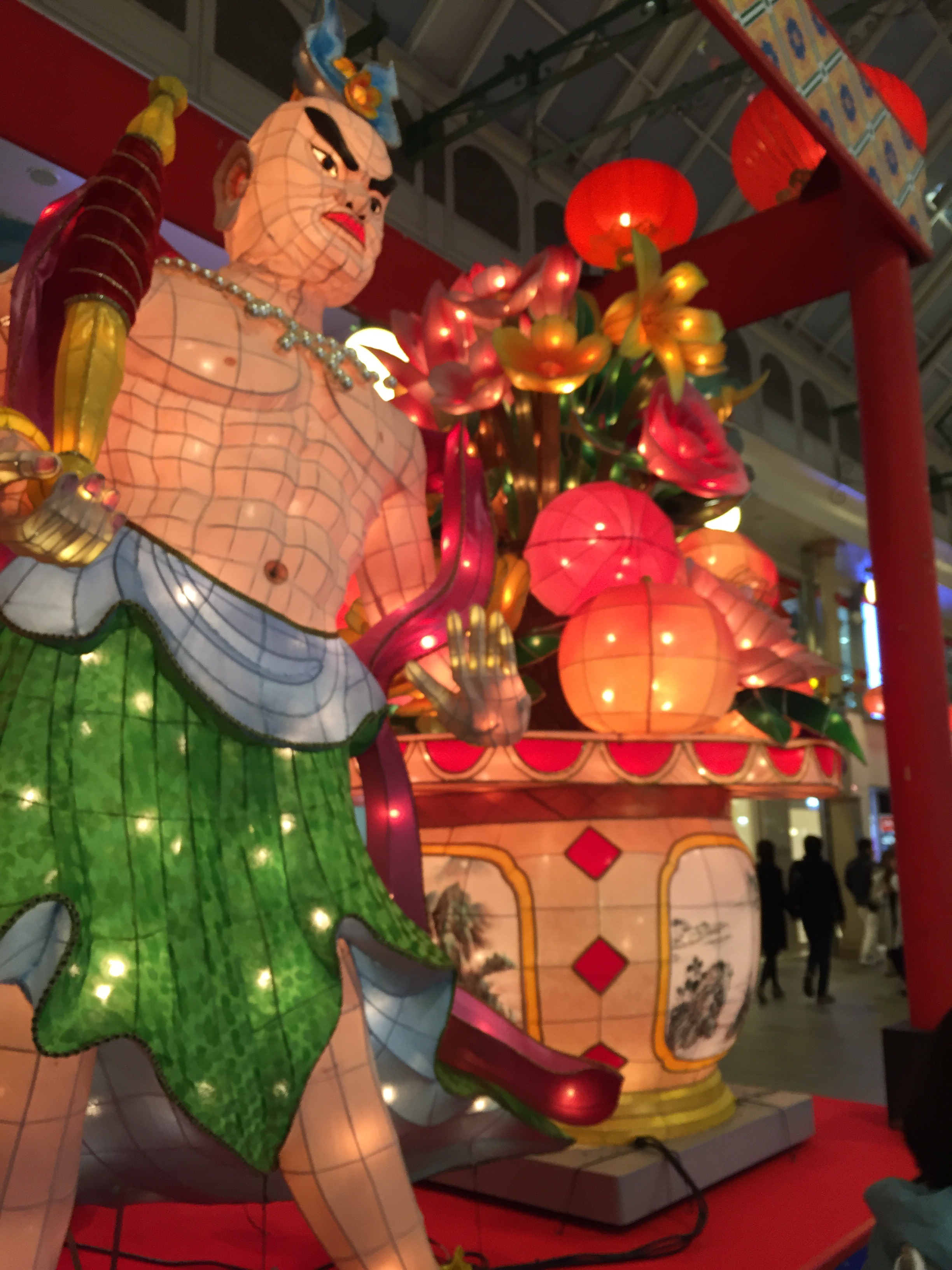
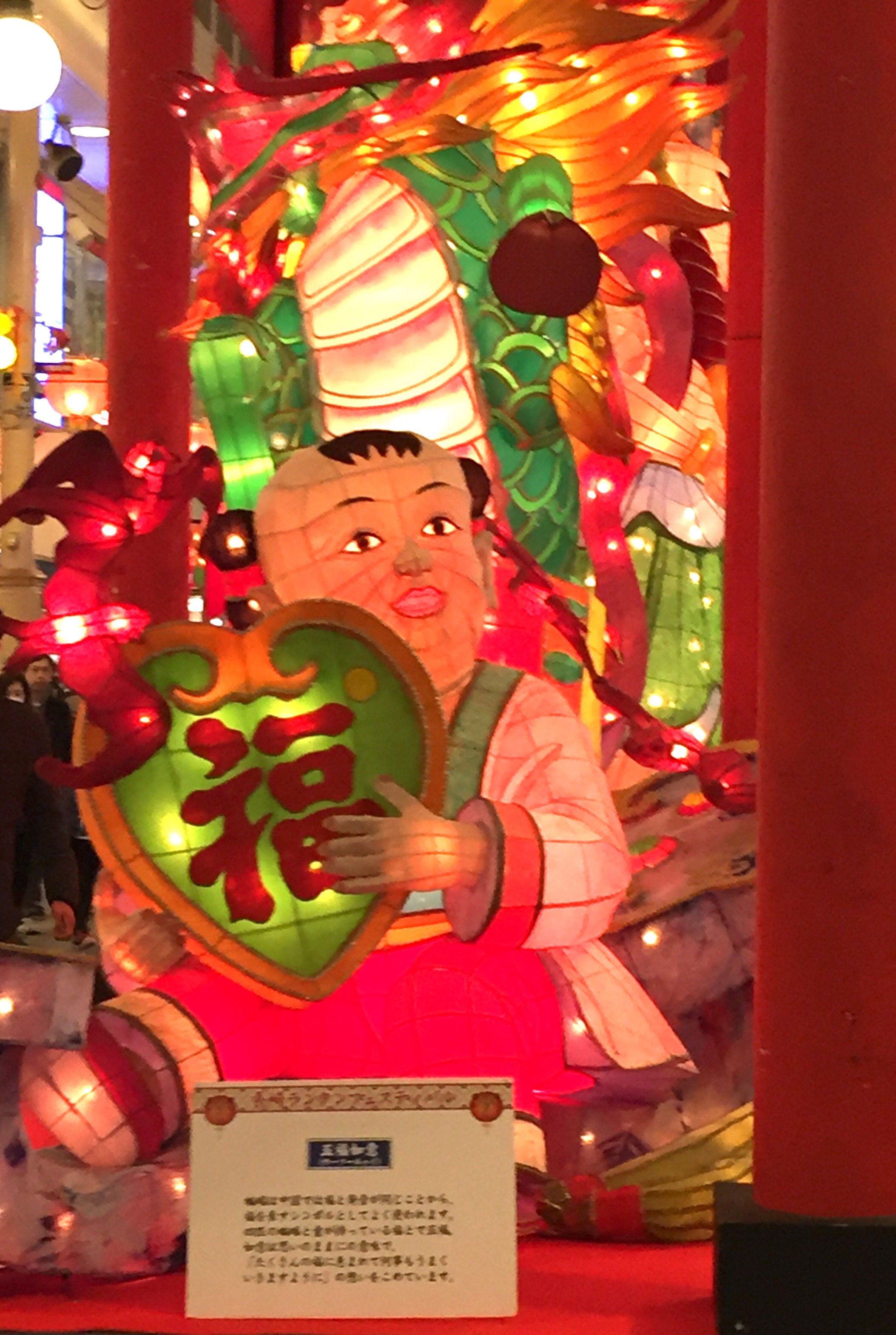
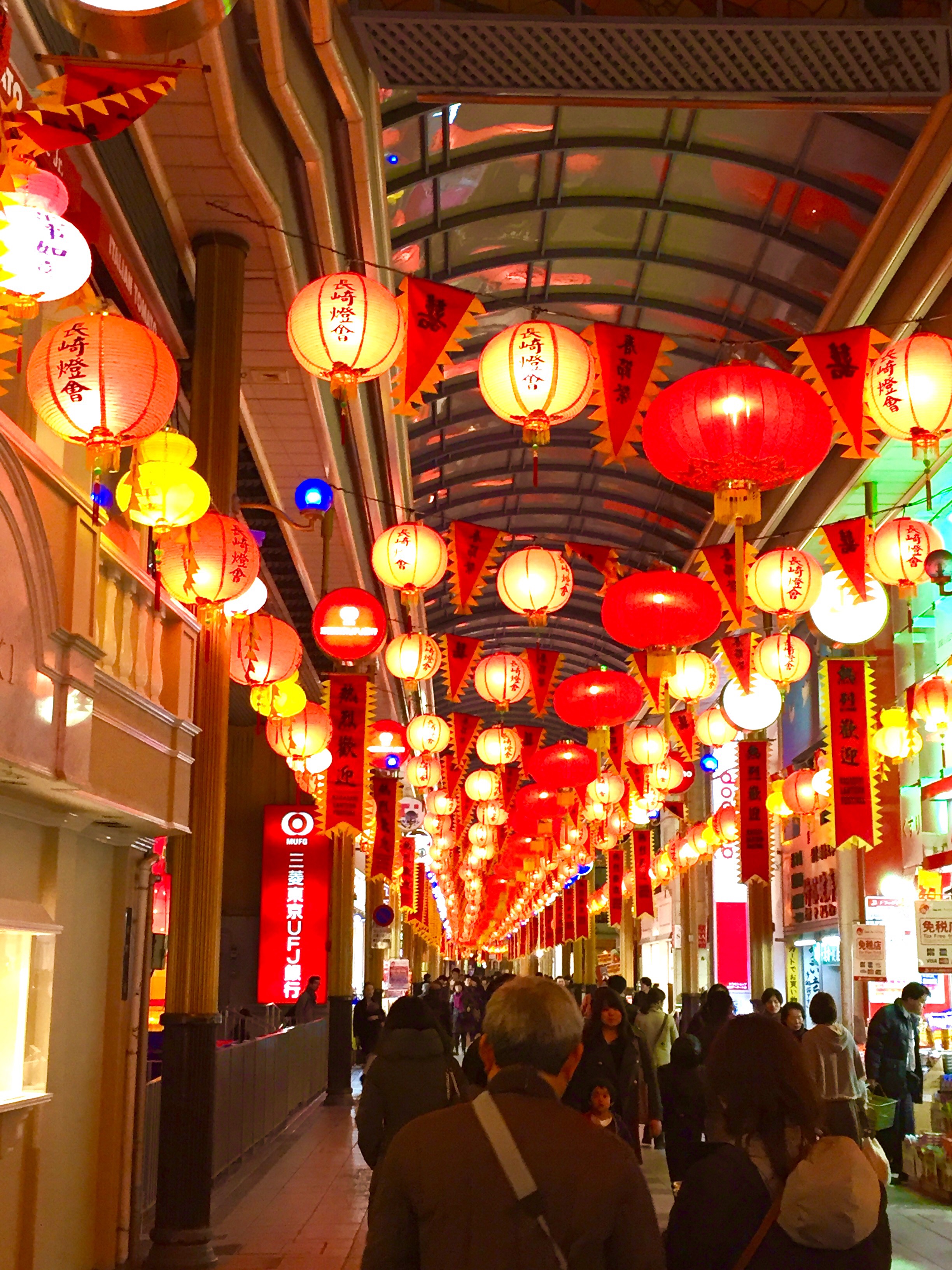
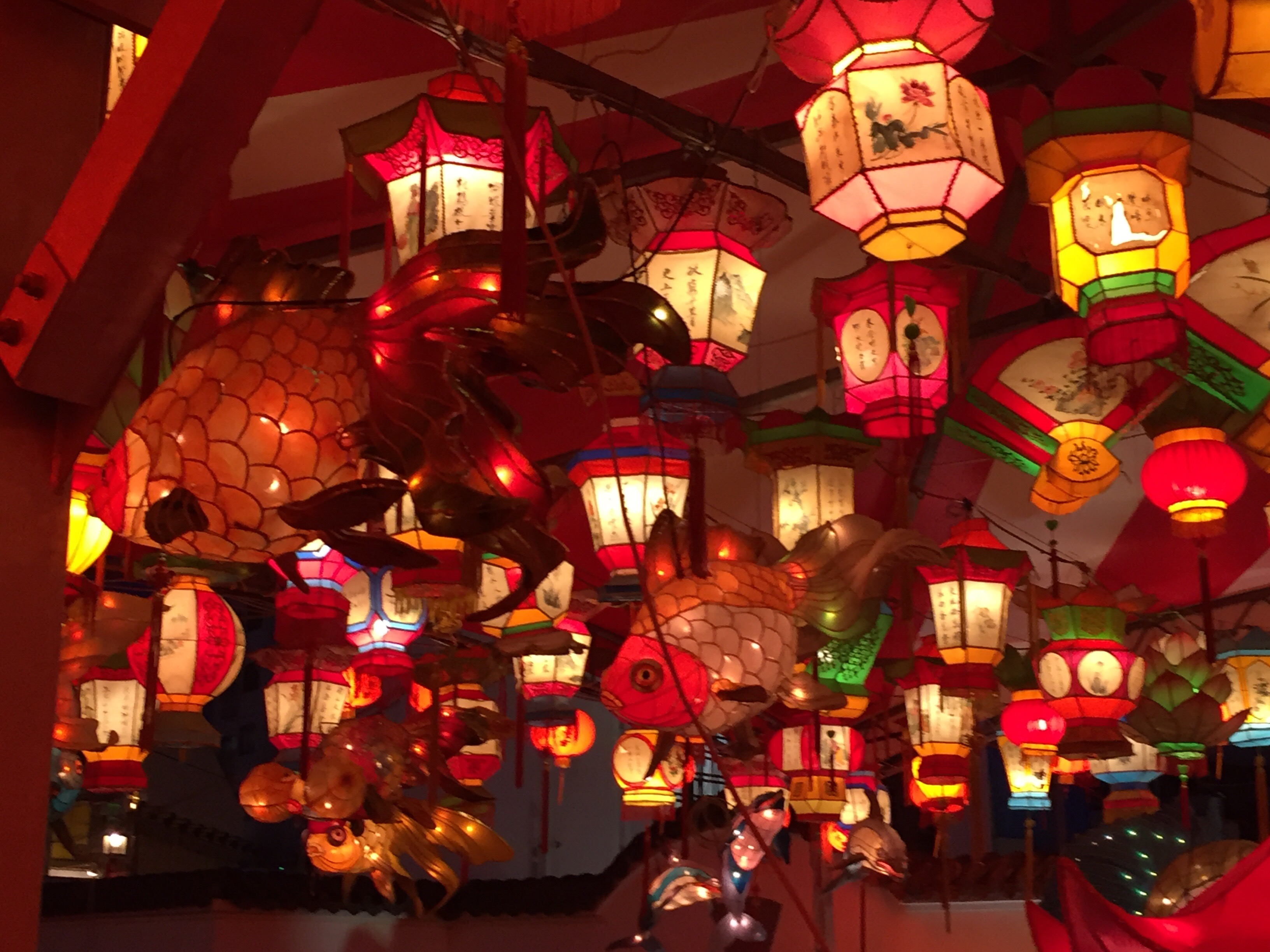
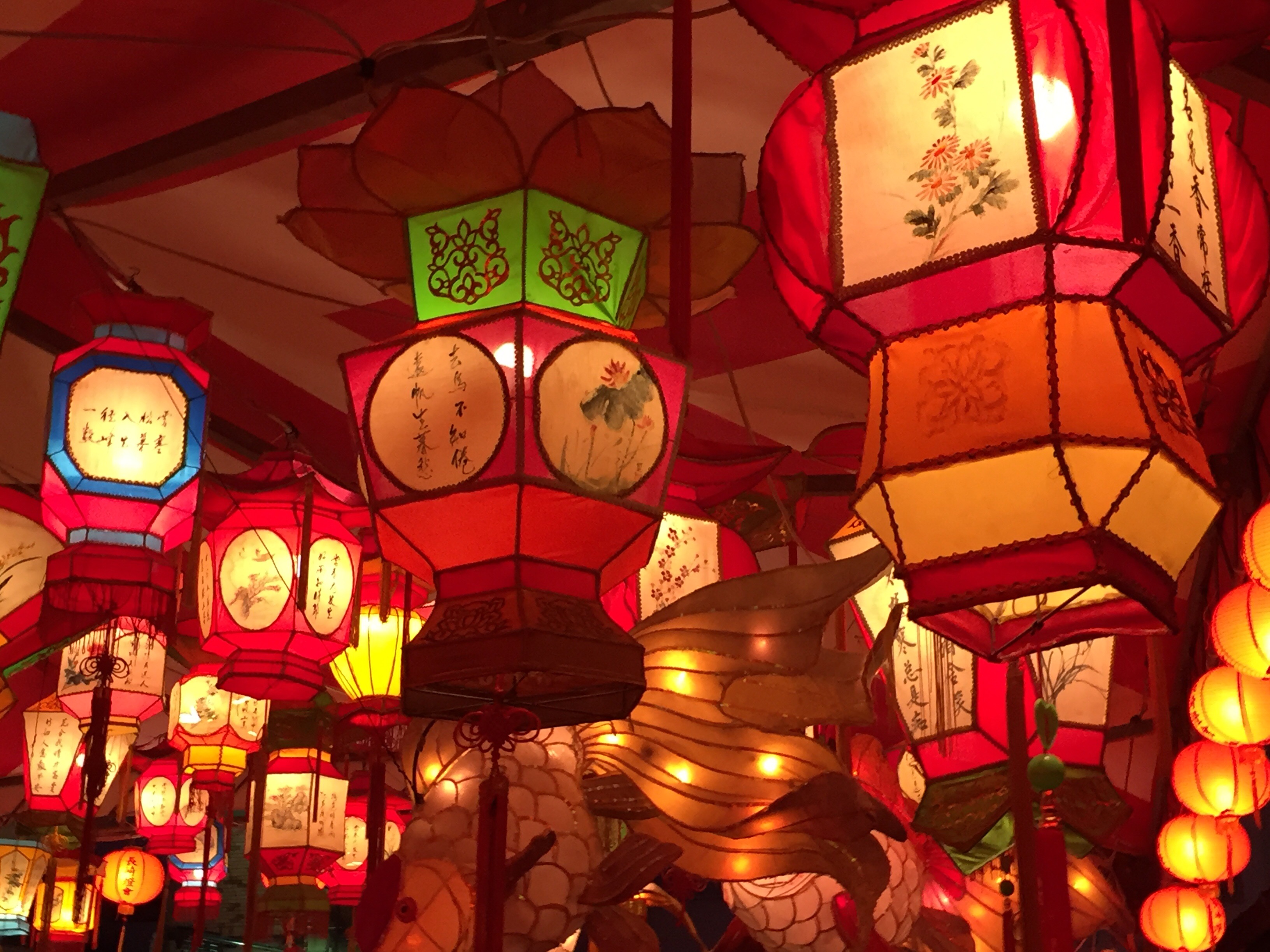
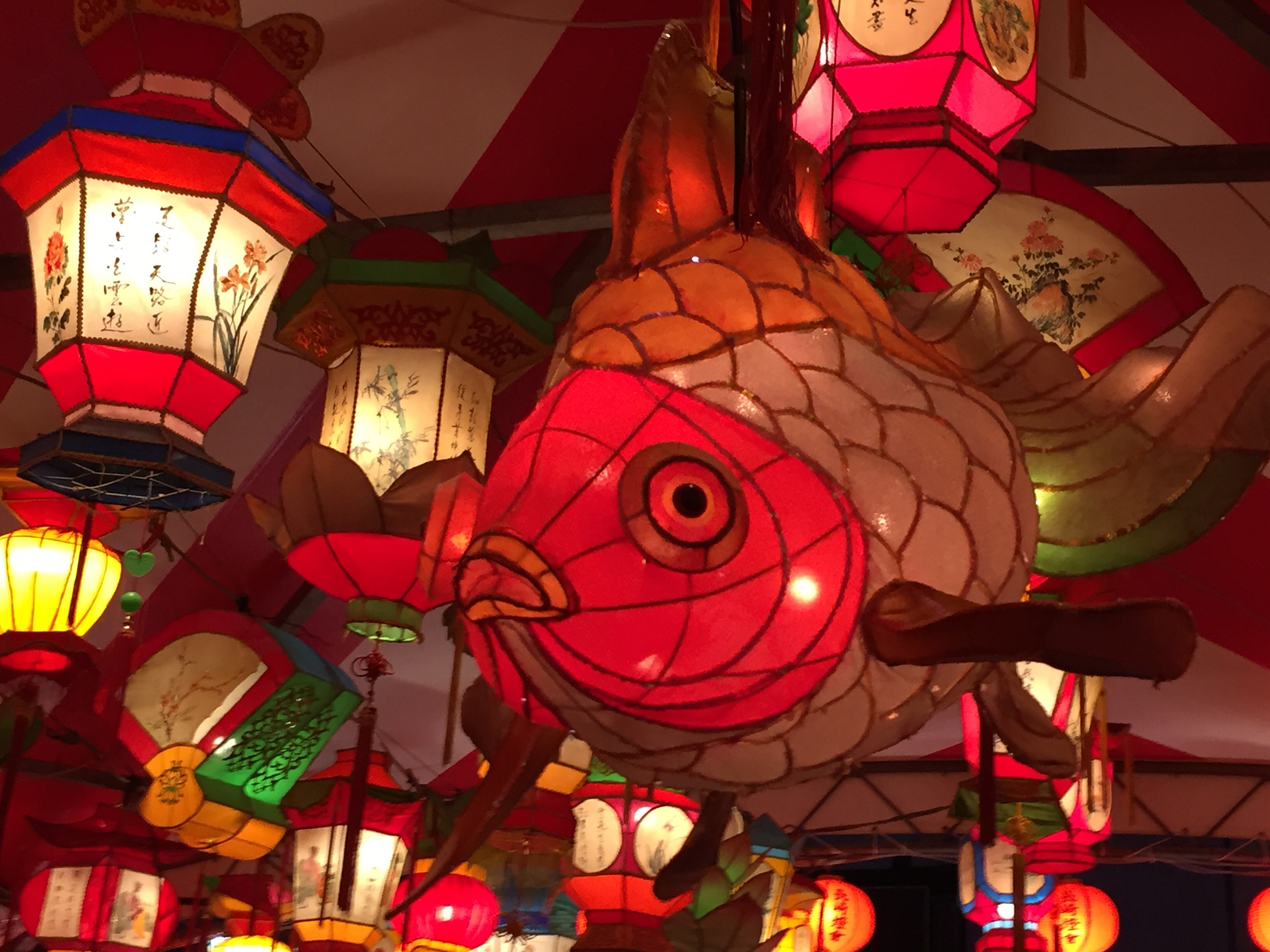
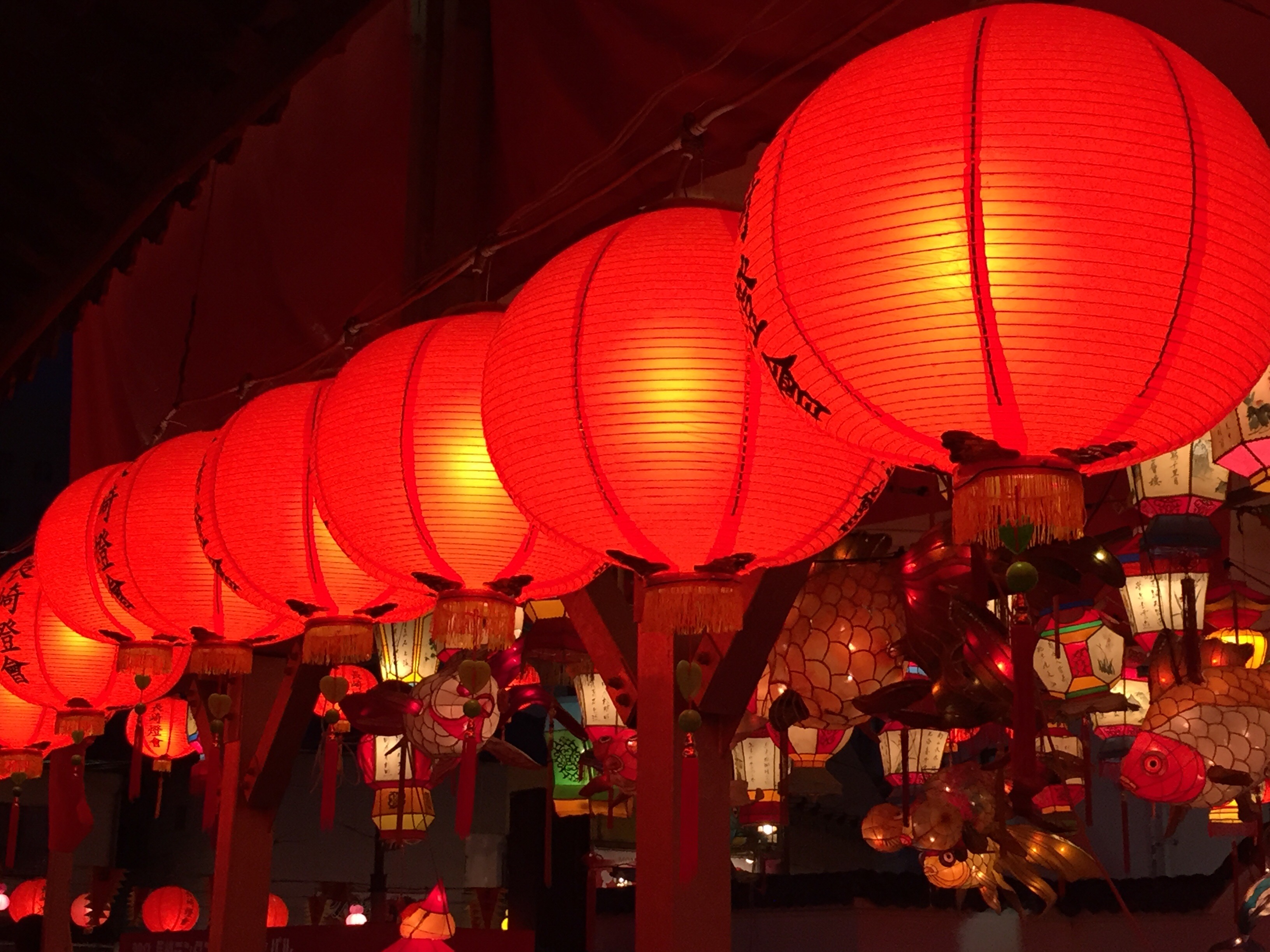
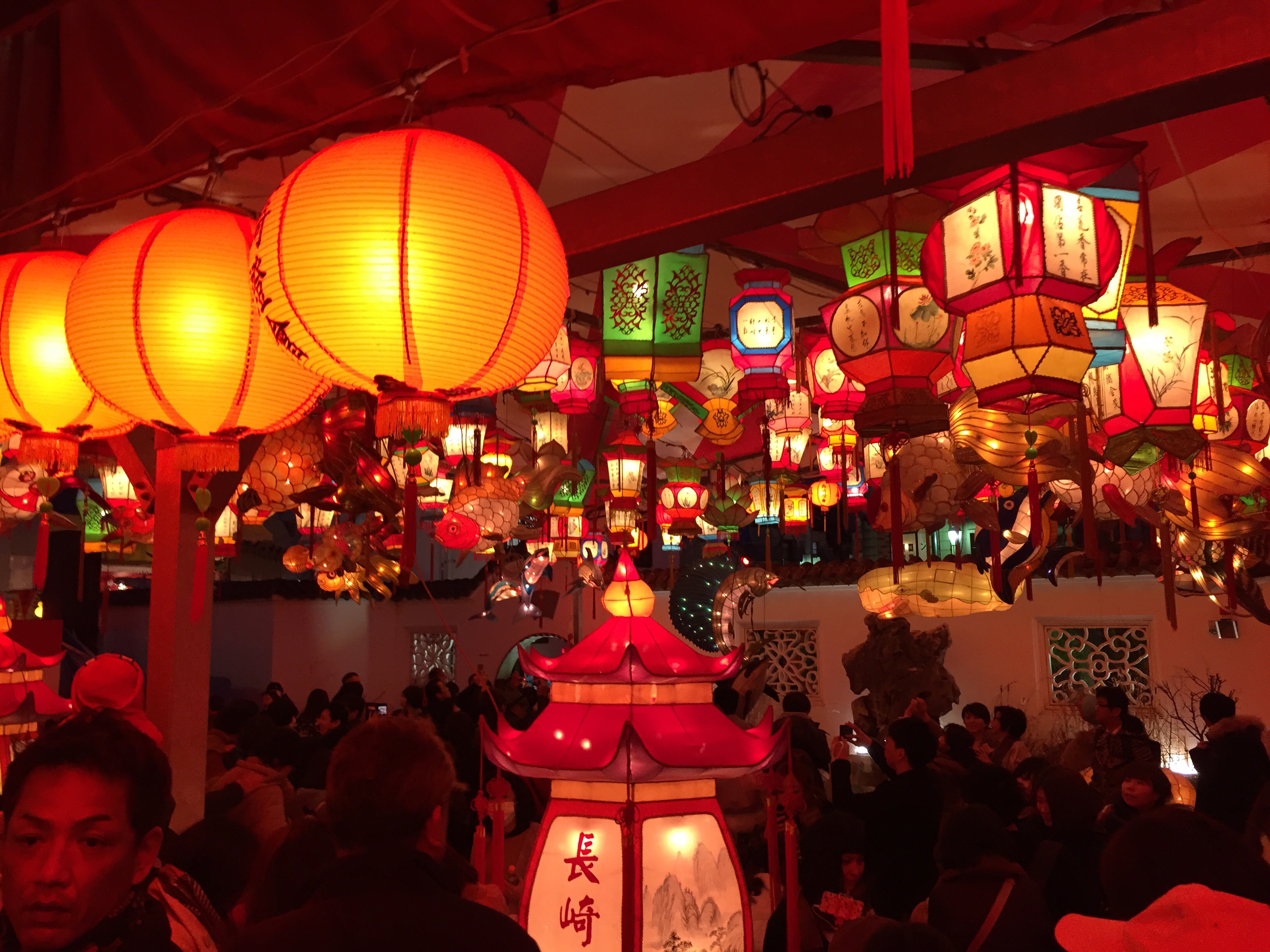
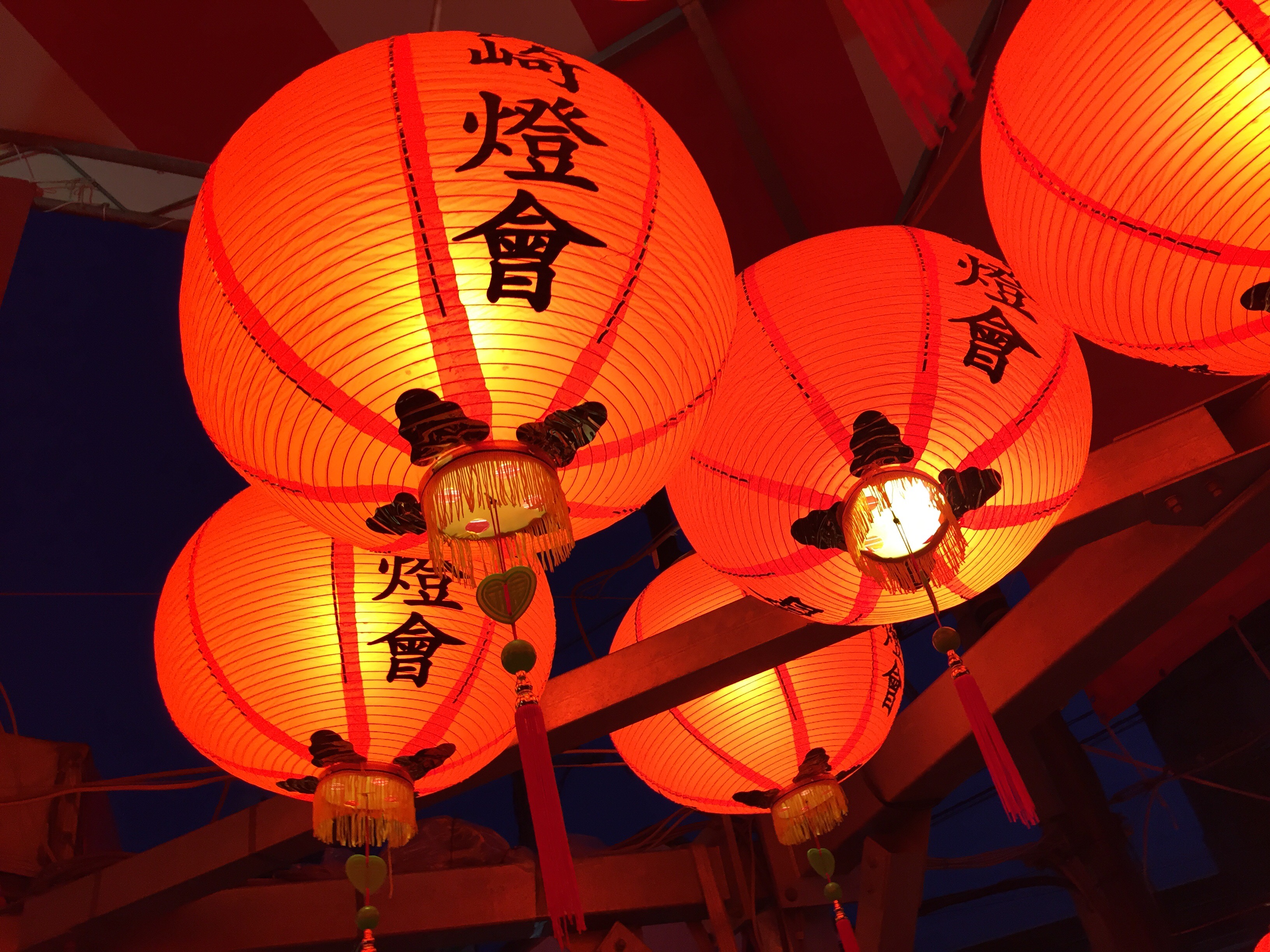
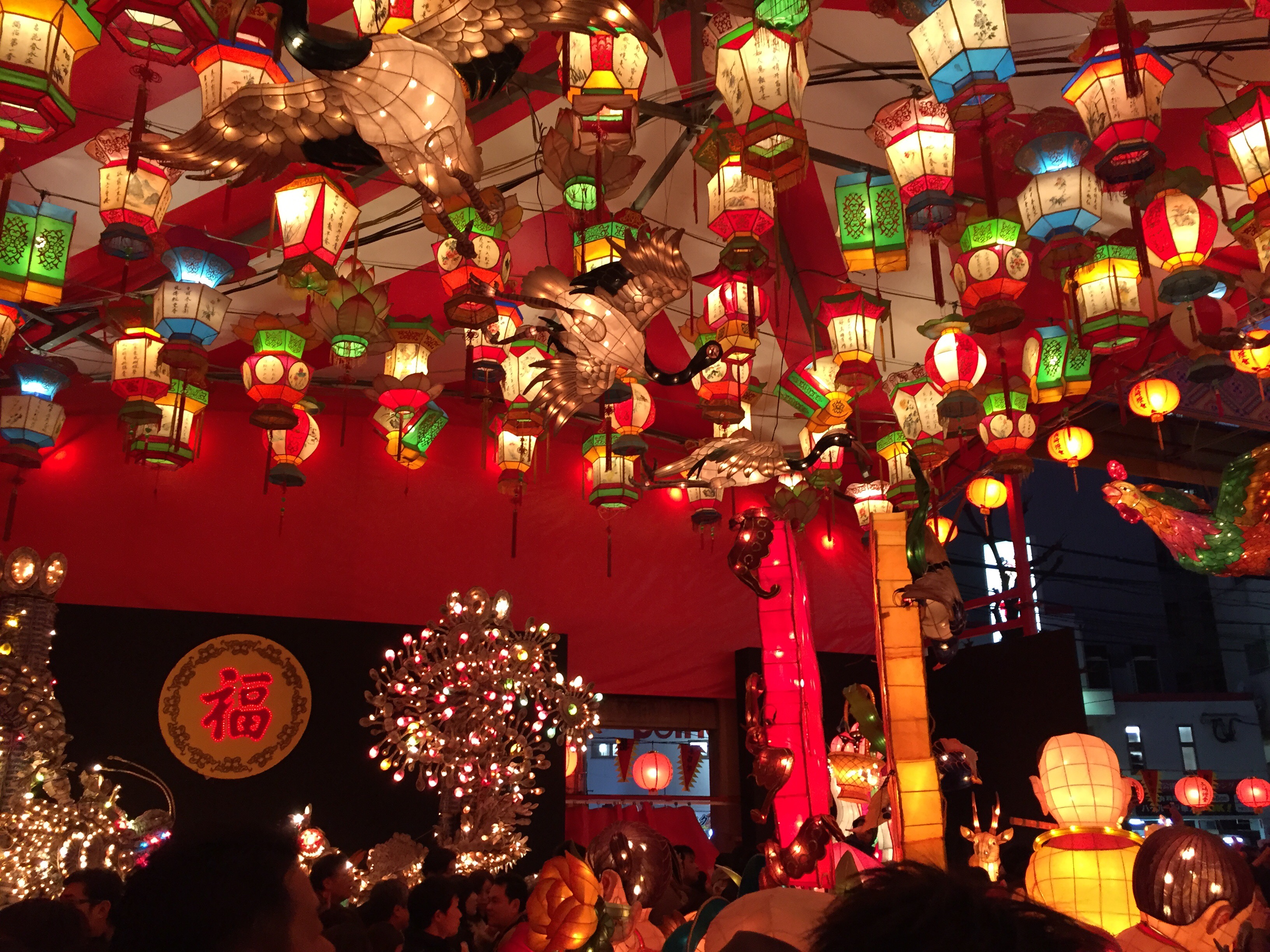
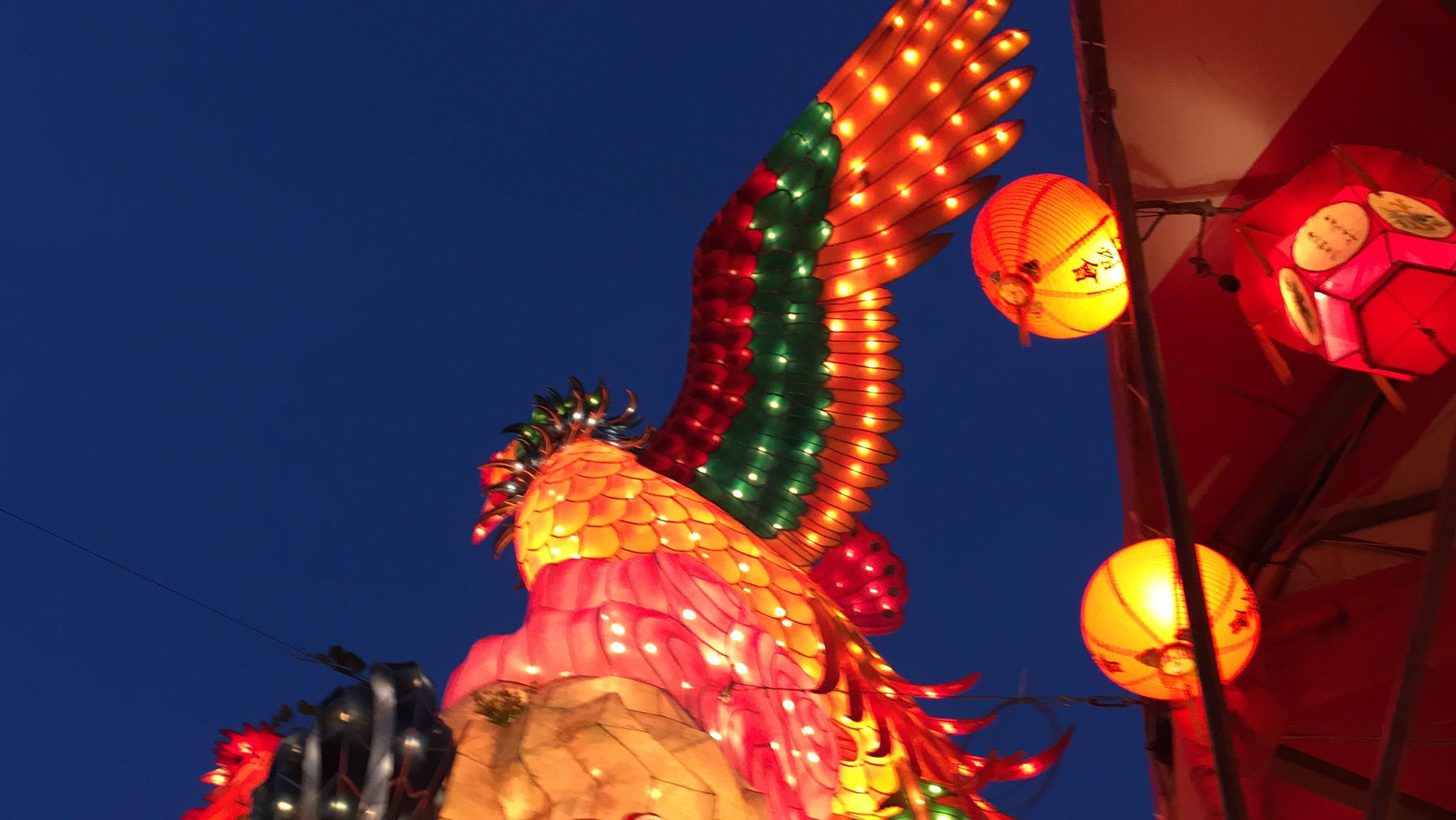
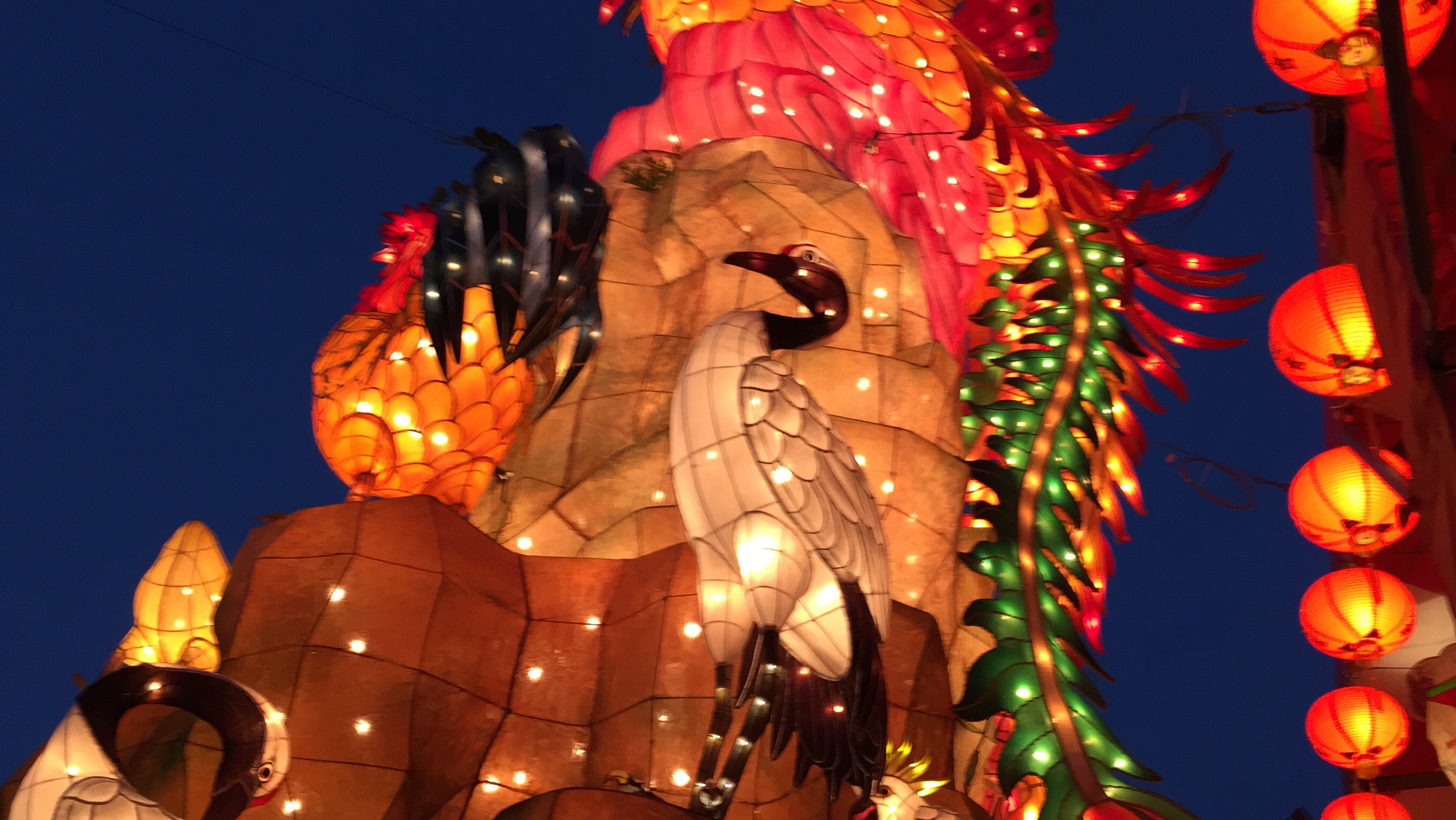
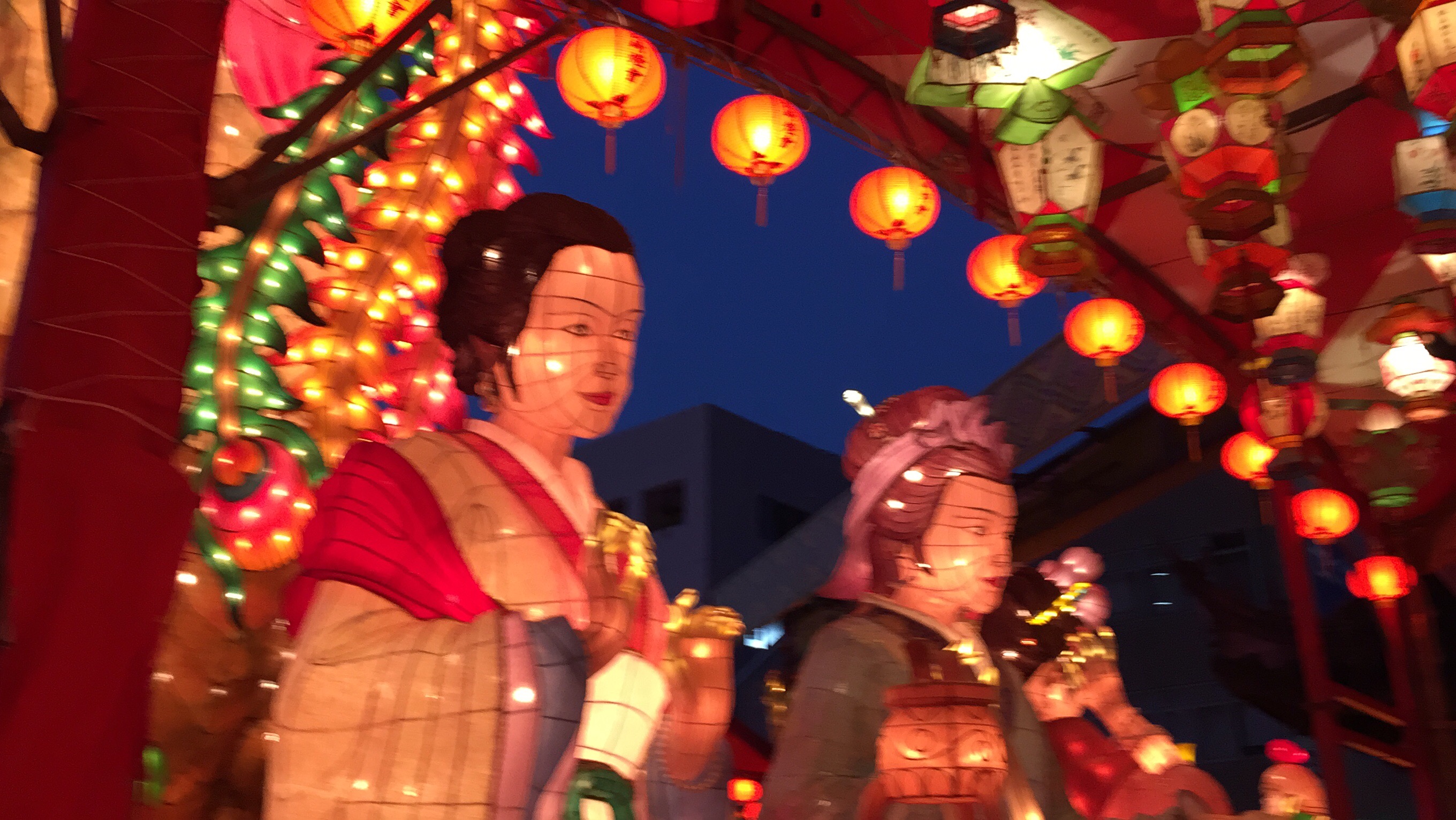
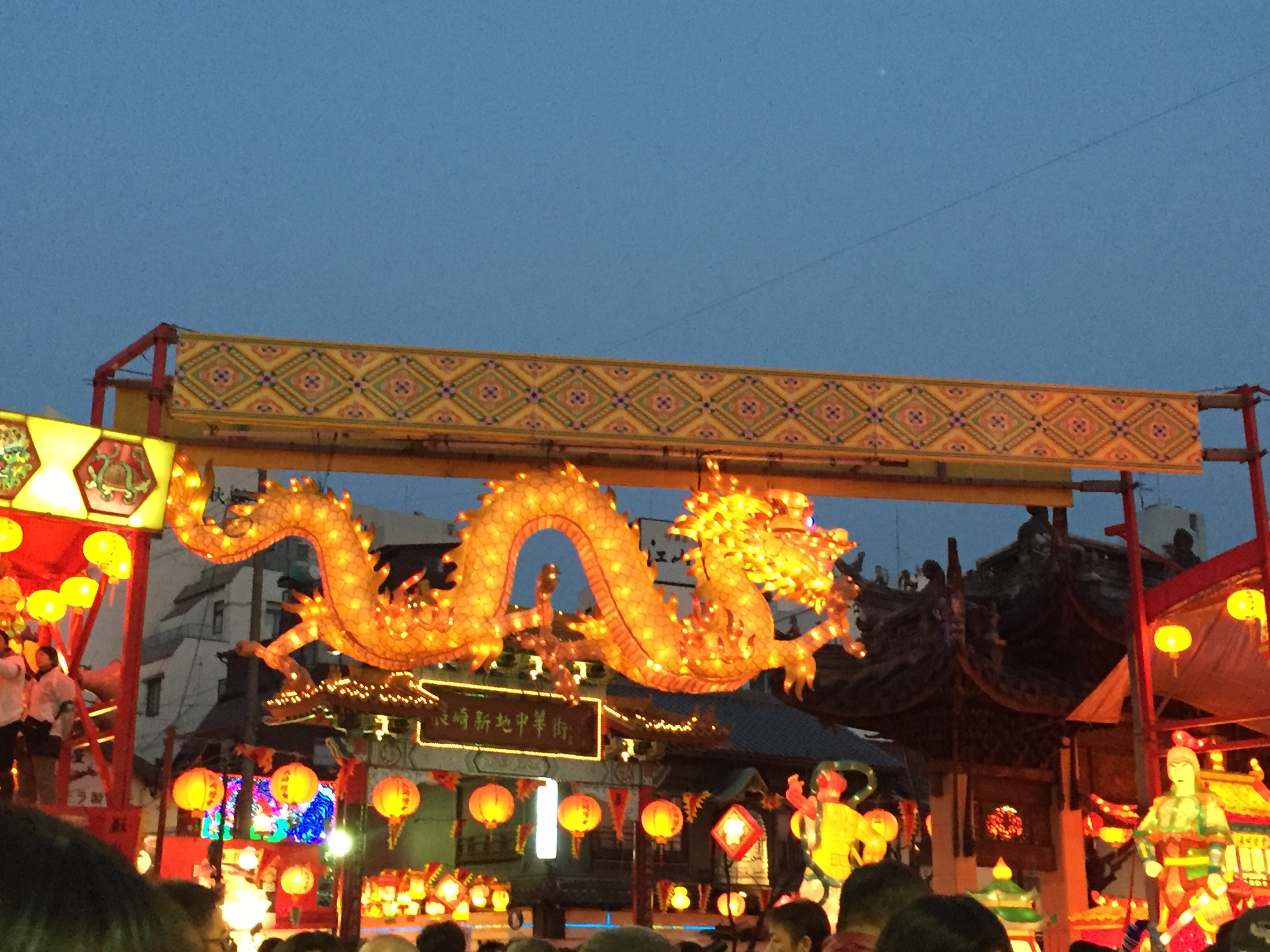
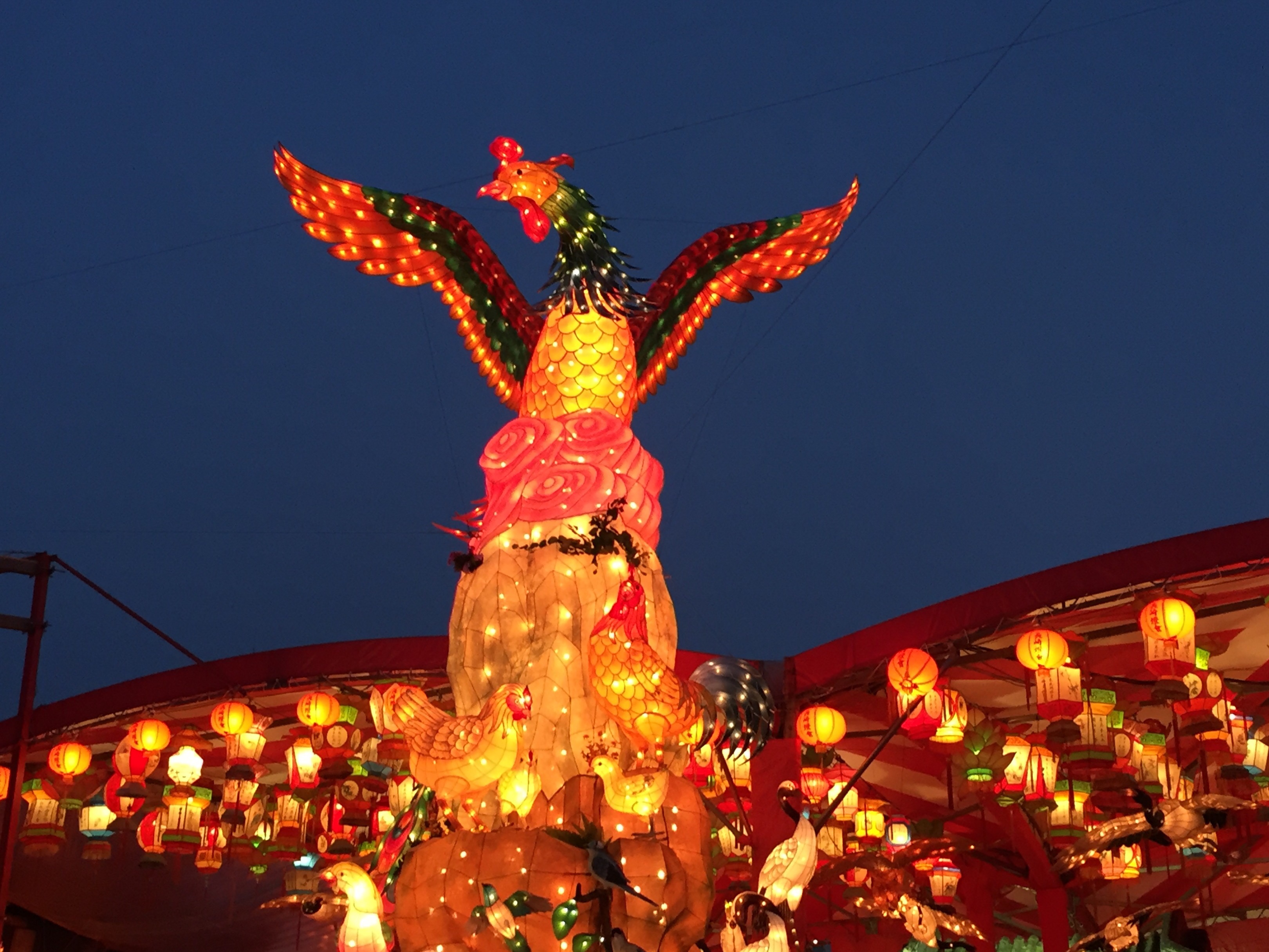
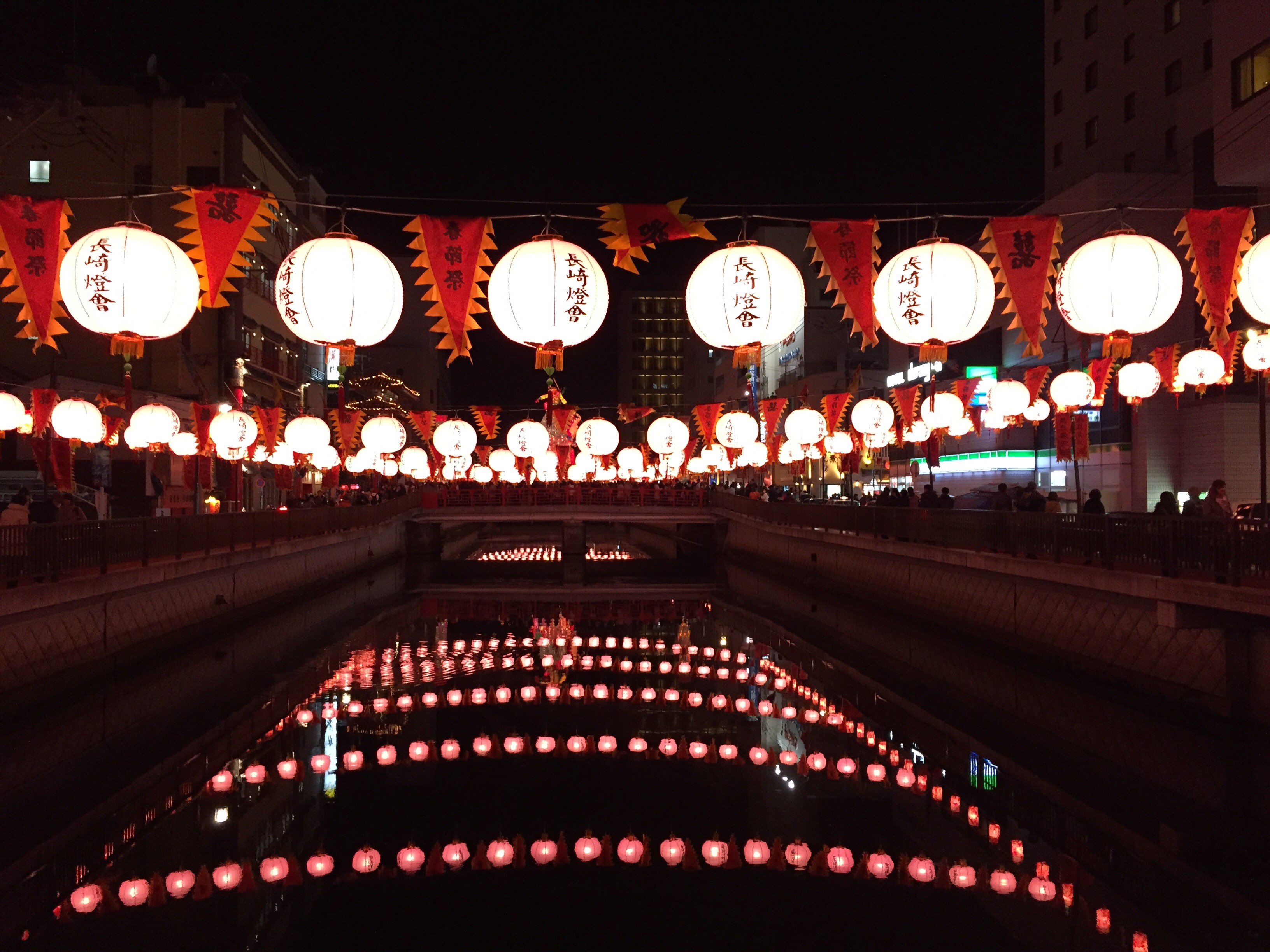
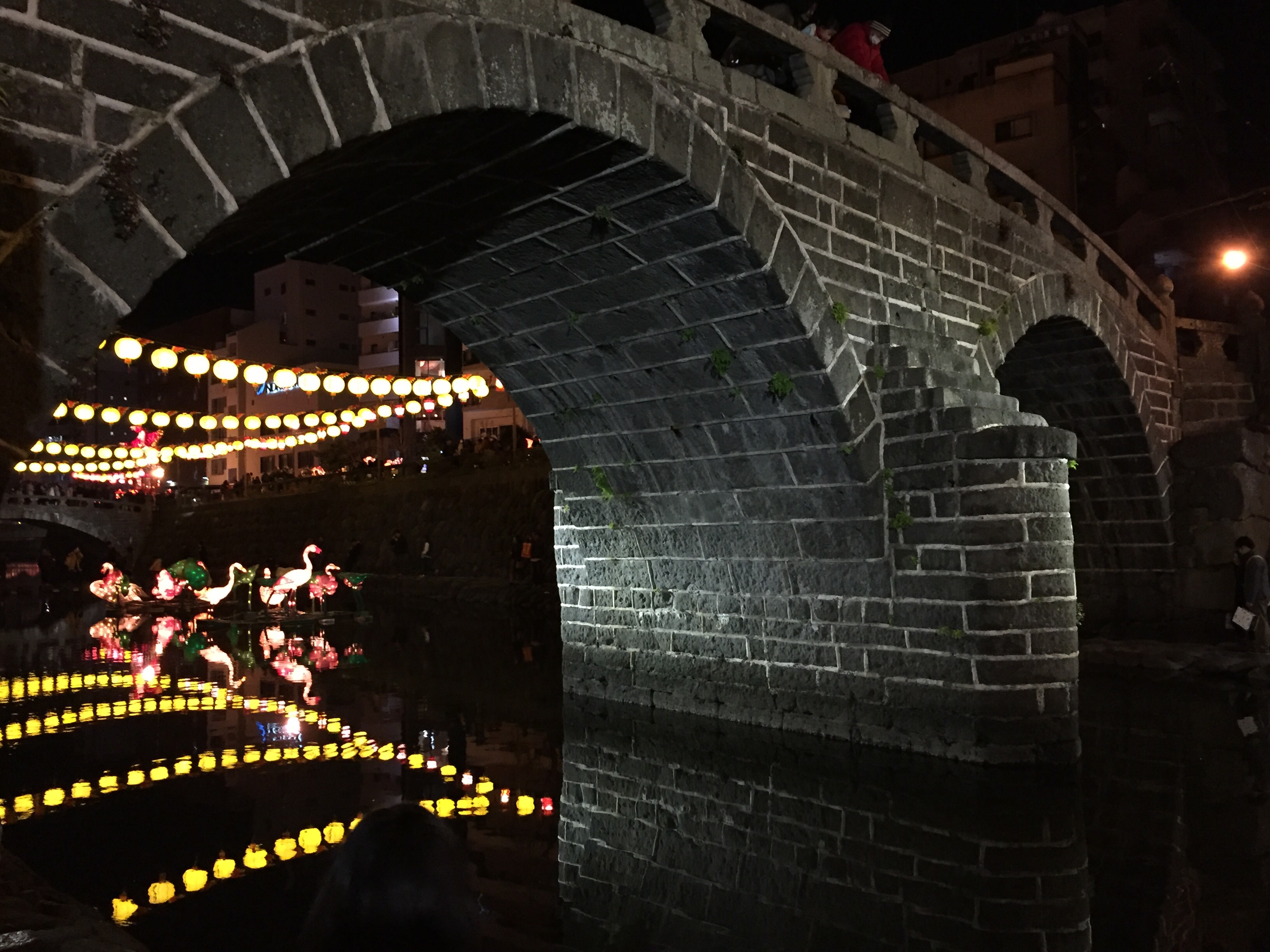
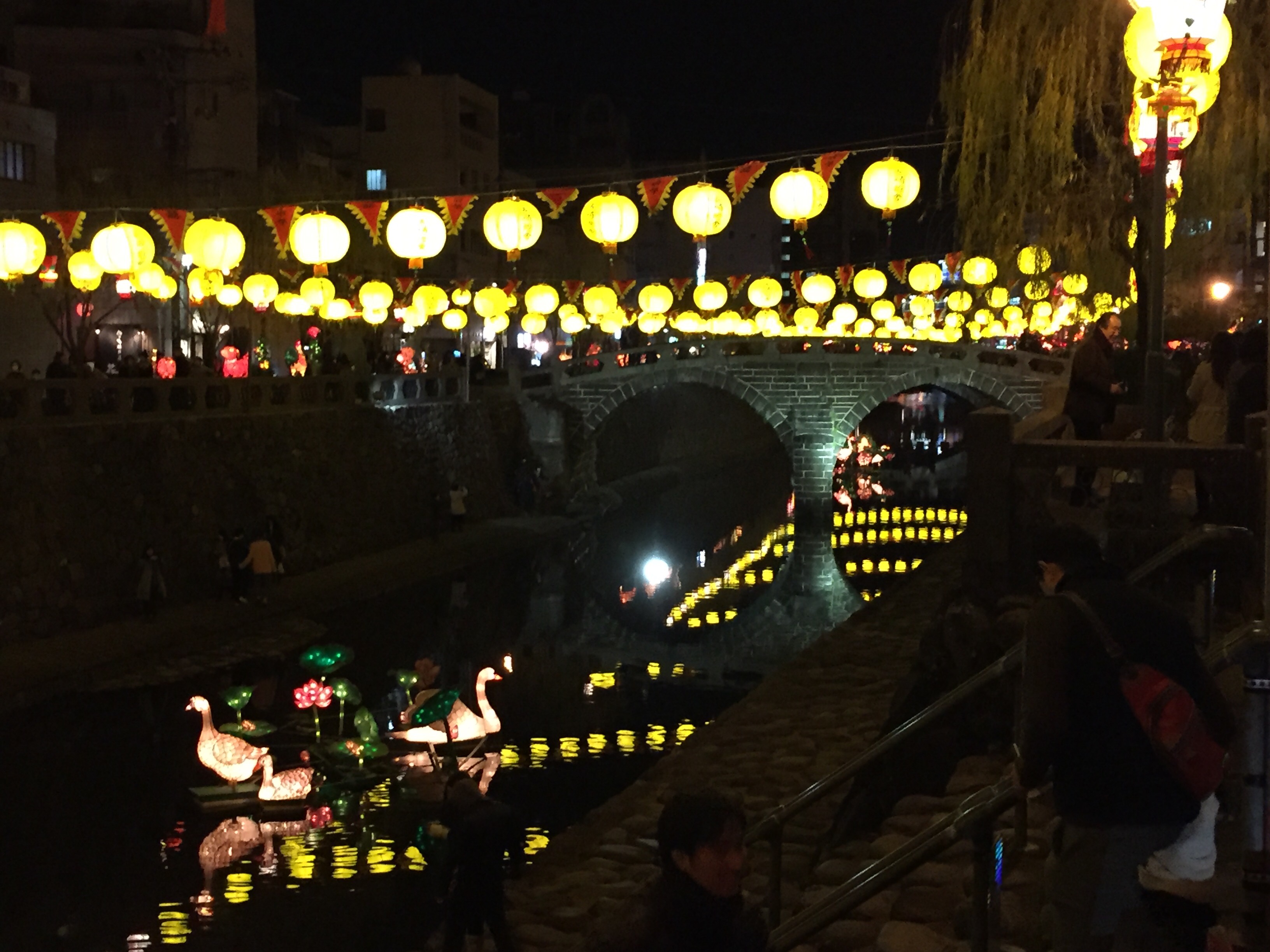
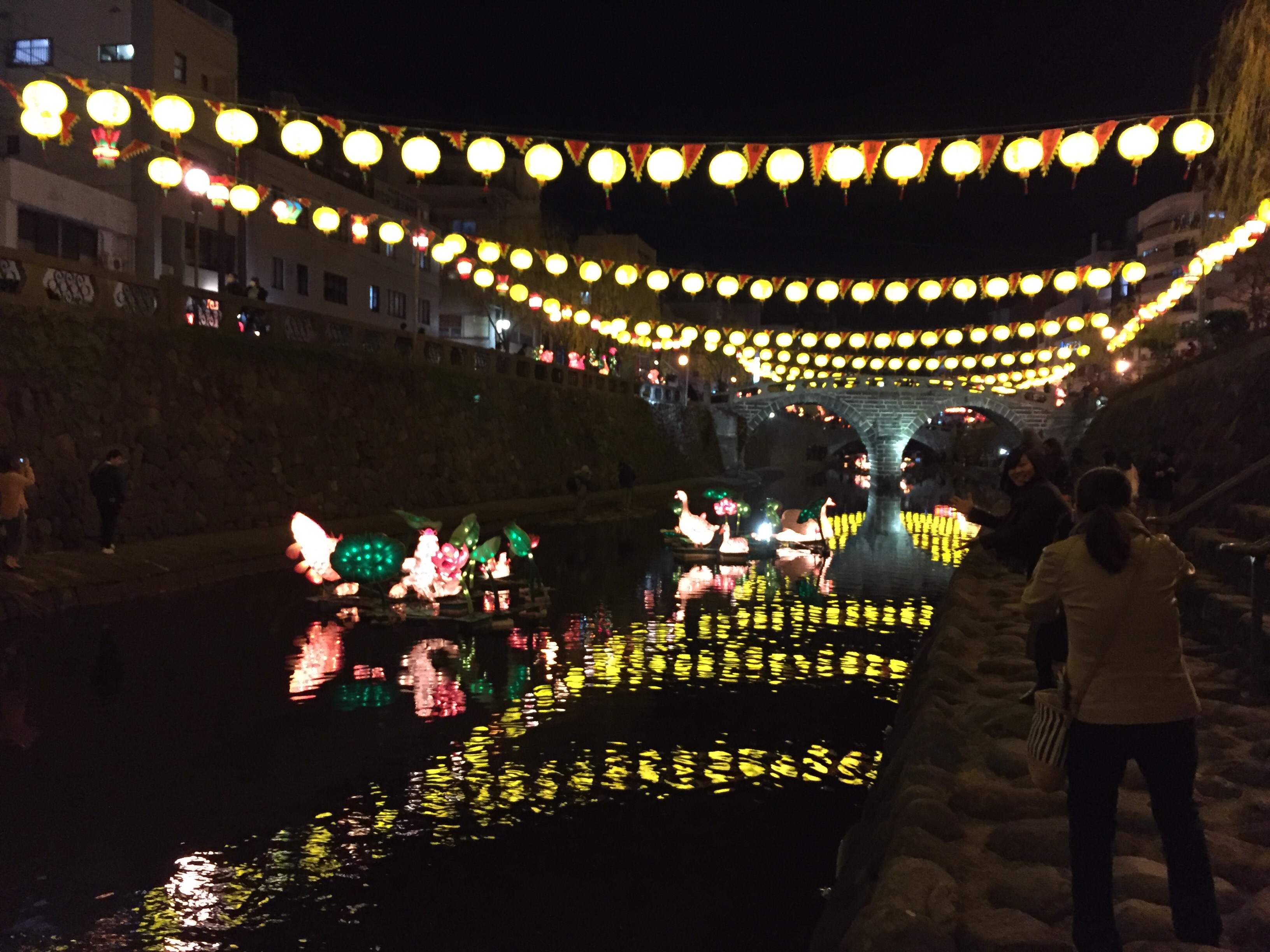
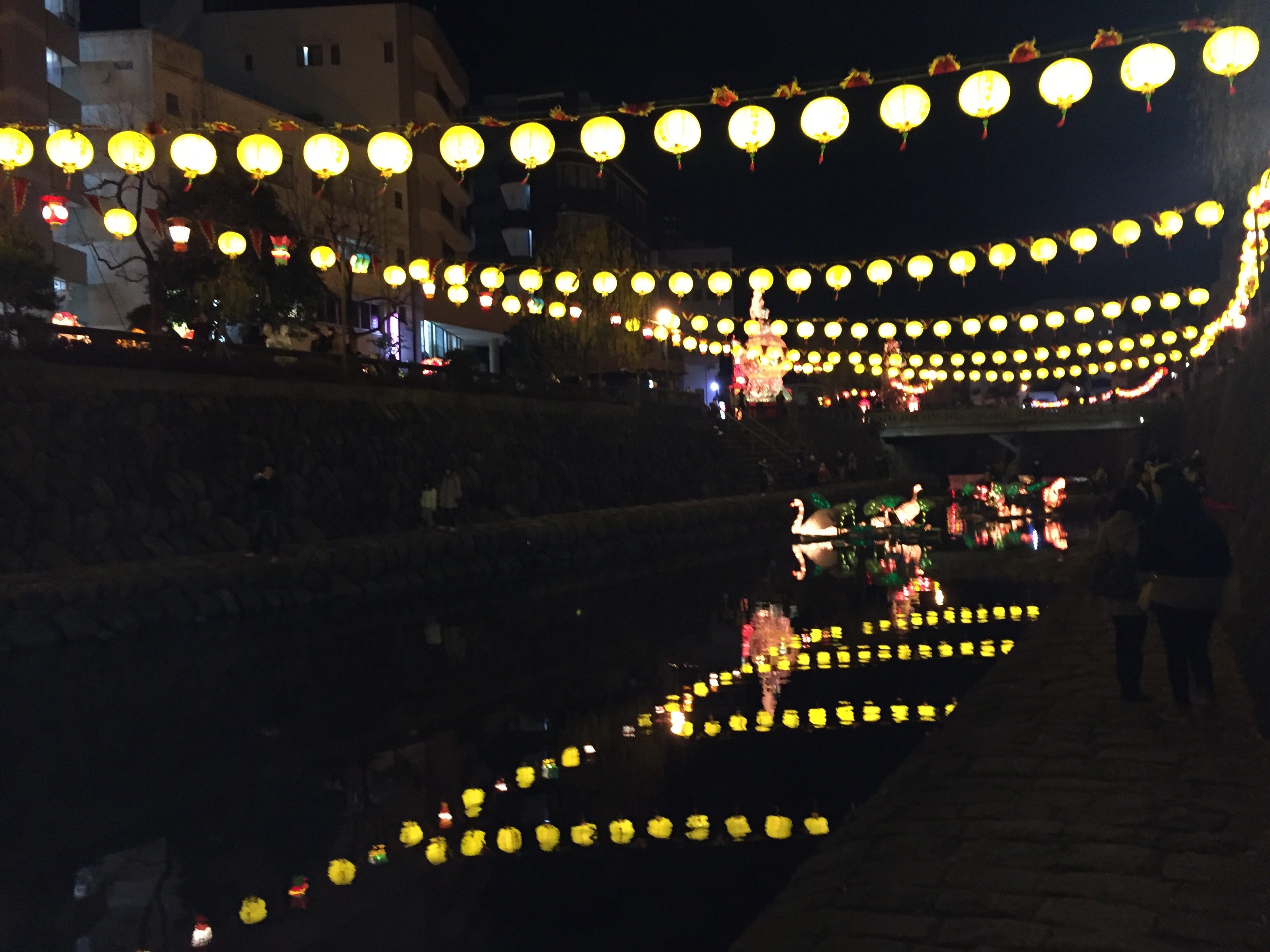
    Nagasaki City, in Kyushu Japan, celebrates The Lantern Festival every Chinese New Year.

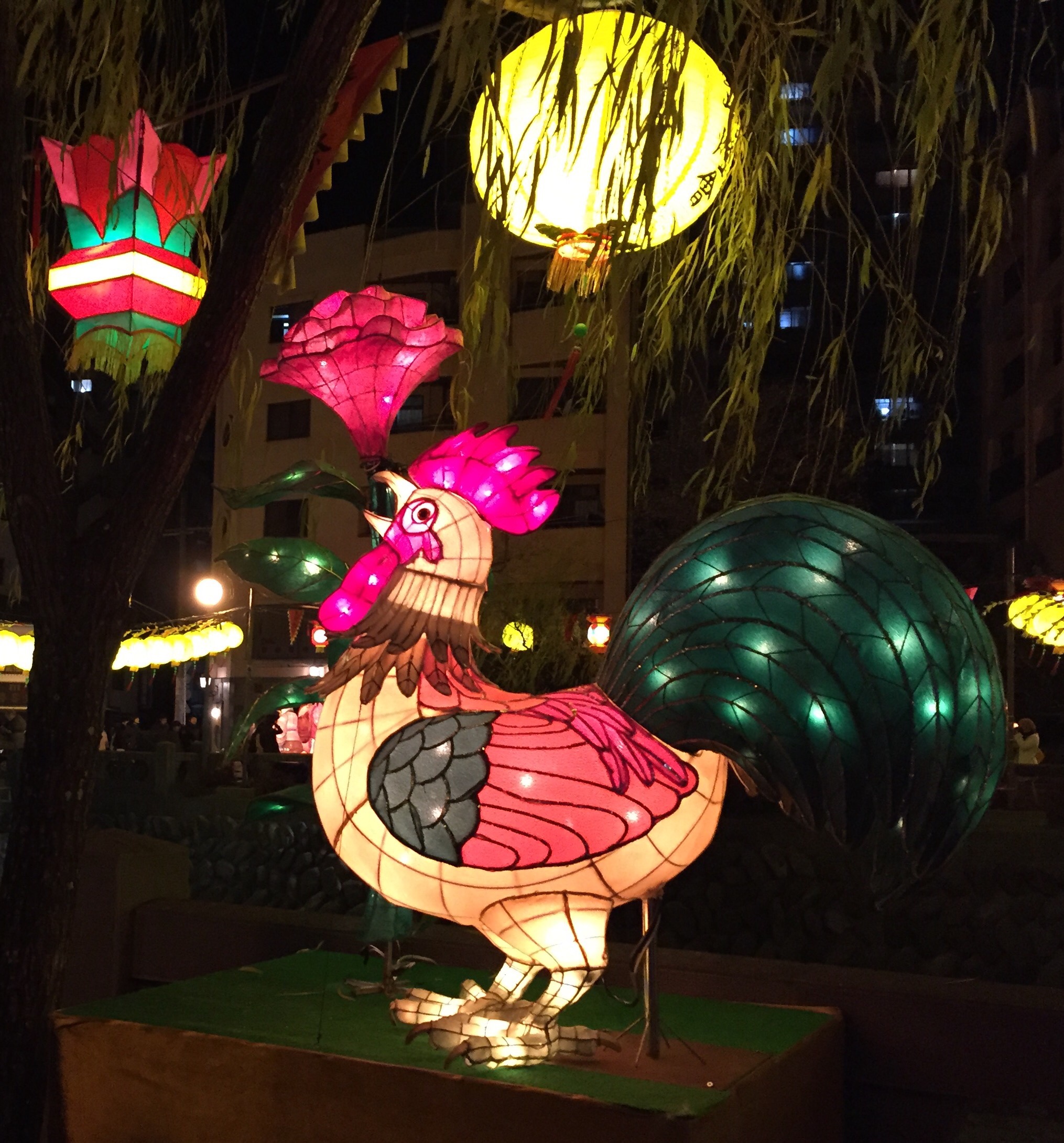
    This year, the Year of the Rooster, celebrated on January 28,2016, marks the opening of the two-week Chinese Lantern Festival in Nagasaki.

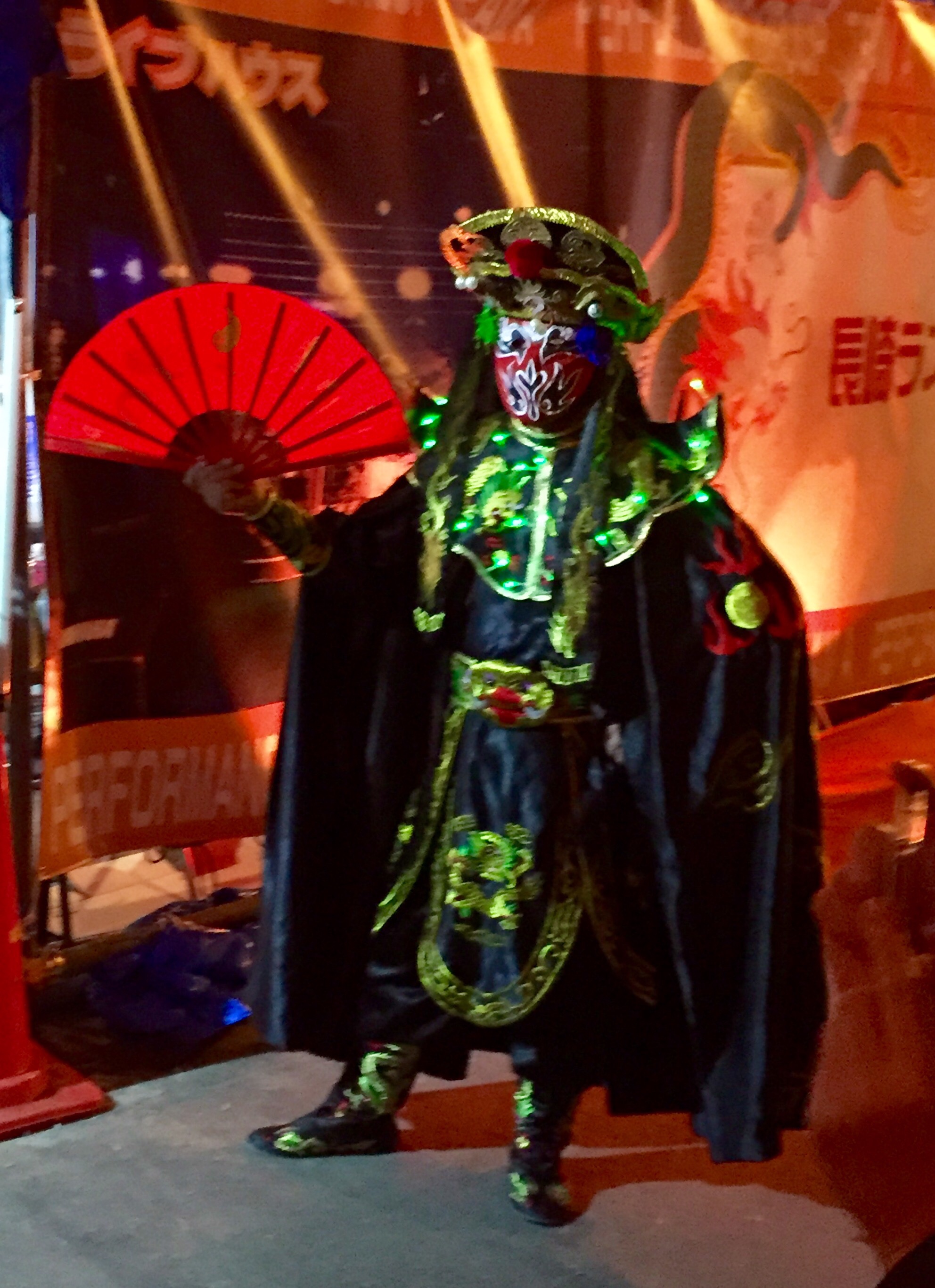
    Below are some of the photos I took. Yes, its only a few because I take a lot of photos like crazy. Blame it to the aspiring photographer in me. Or maybe I just love festivals.

    [wpvideo qHmq4fD8]

    [wpvideo 2LYmyBYa]
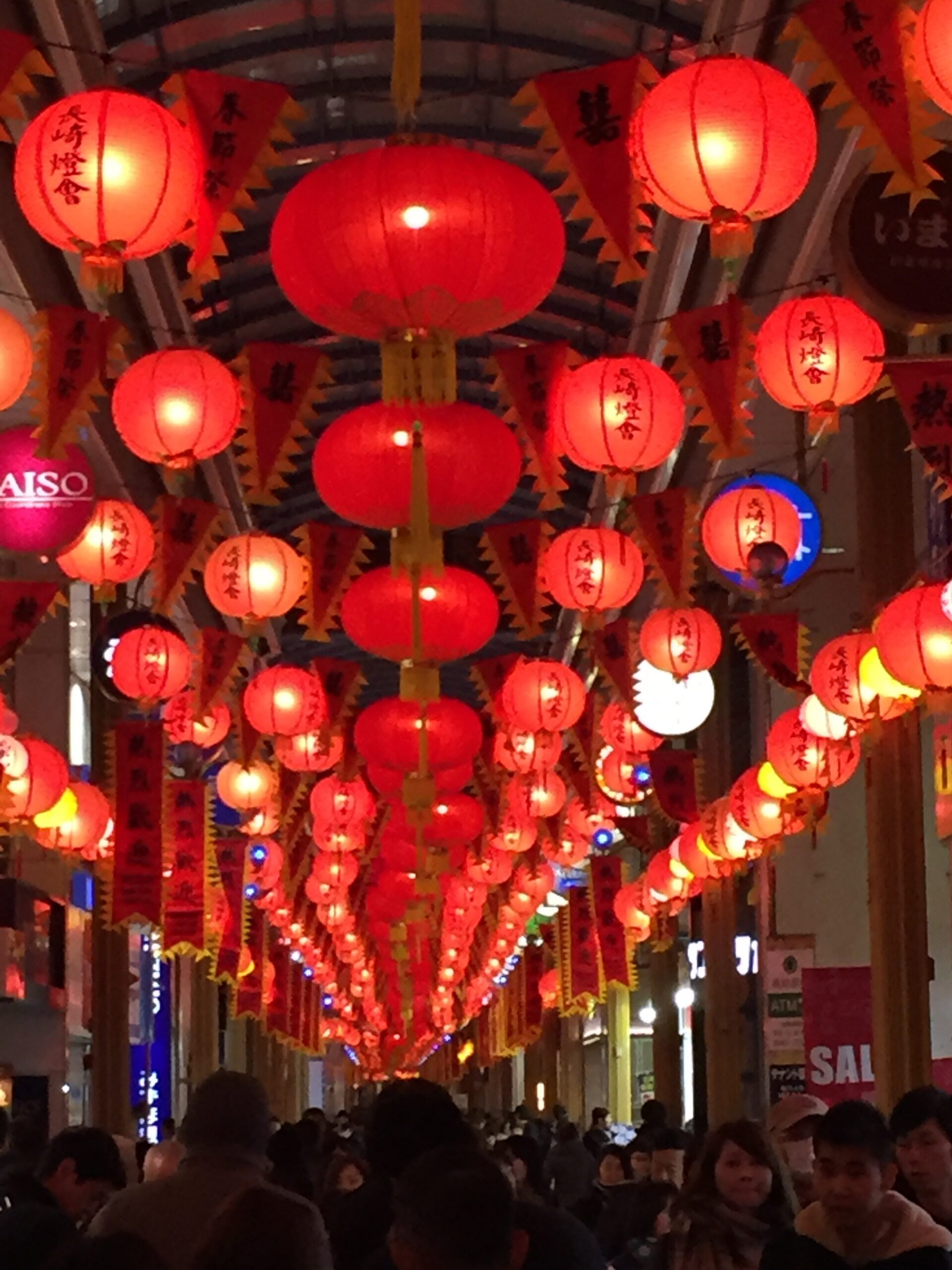
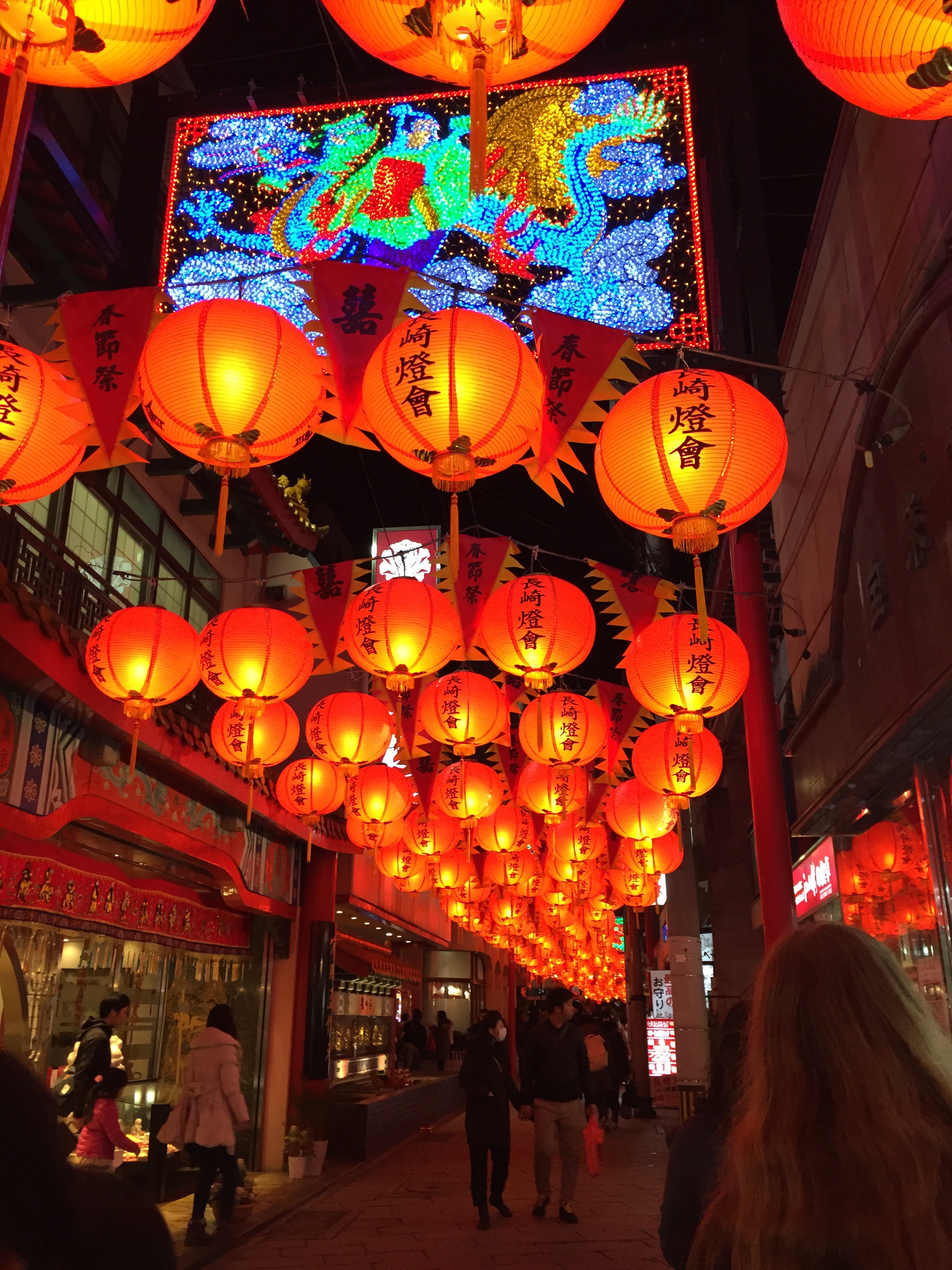
    The lanterns in Chinatown

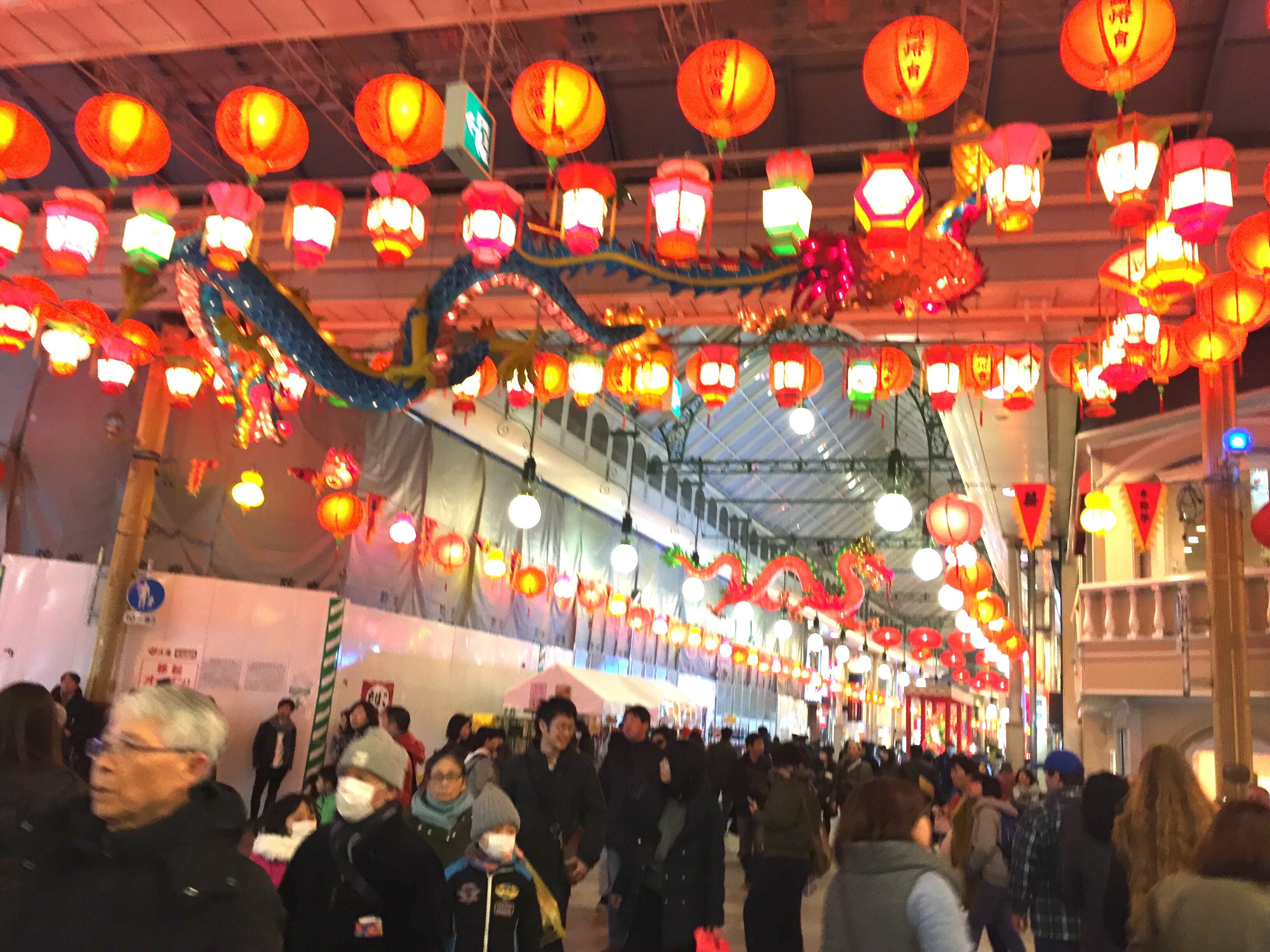
    The place was filled with people. You can feel the festive mood.

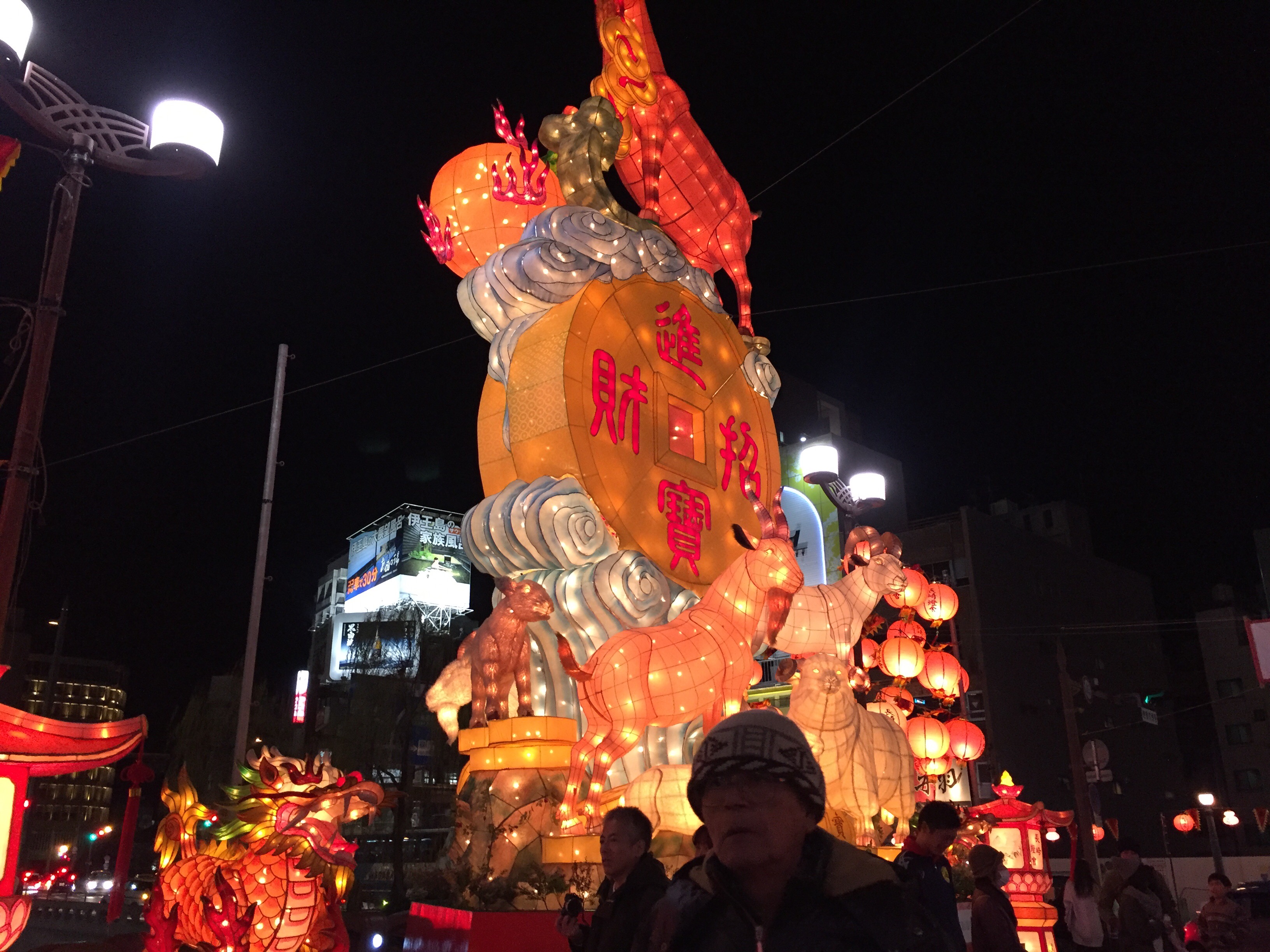
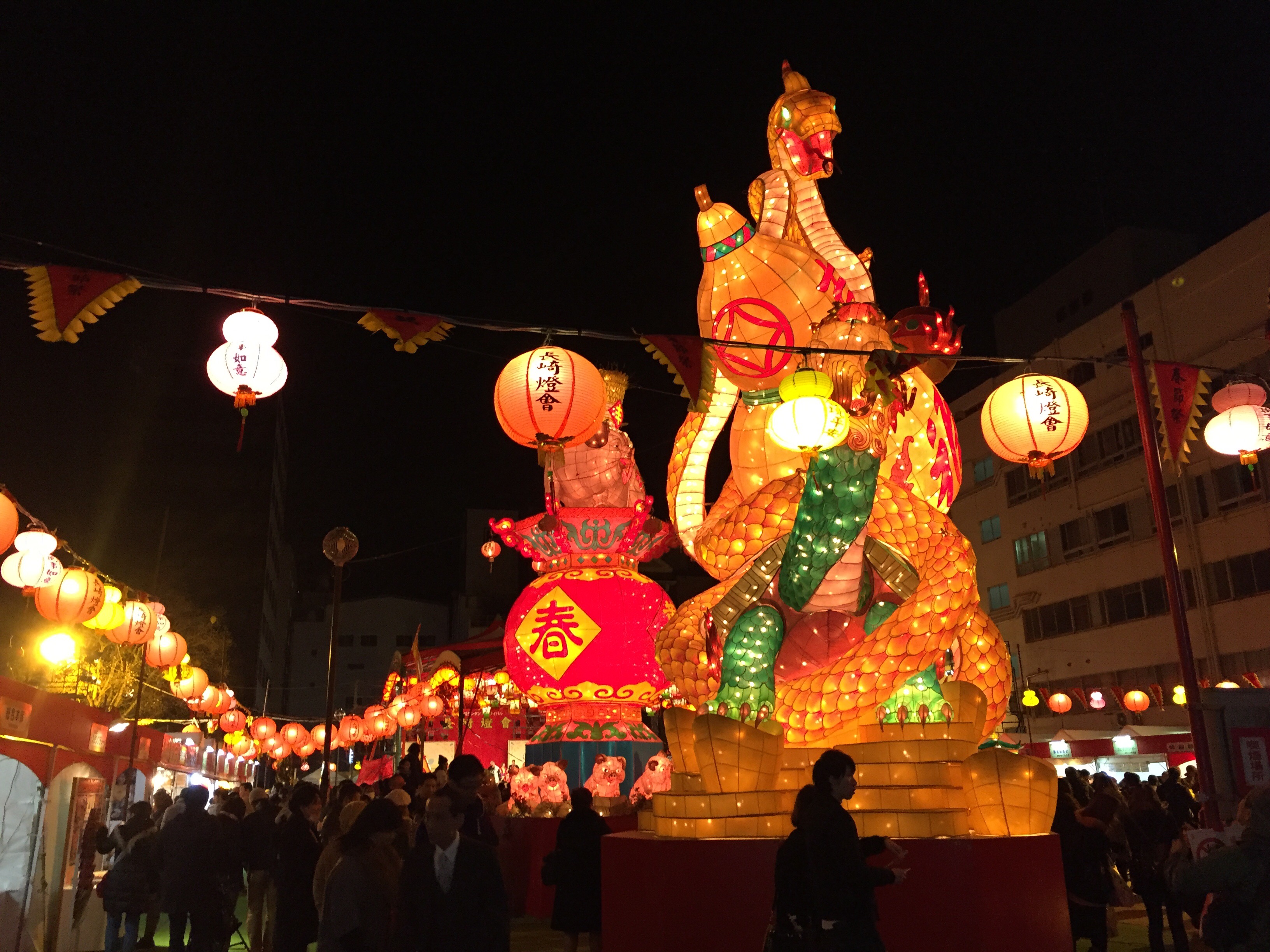
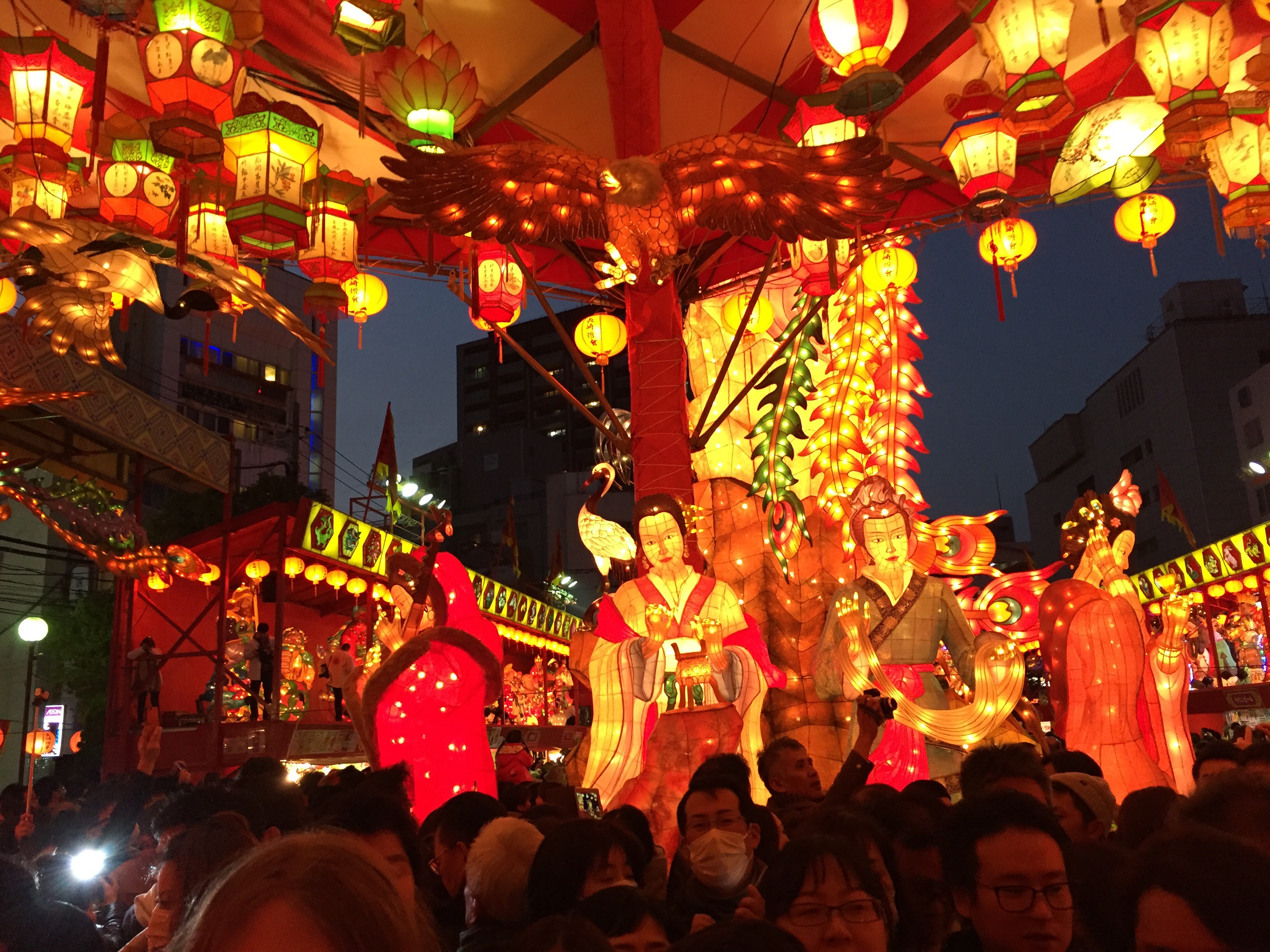
    One of the giant lanterns that lit up the city.

    Another giant lantern.

    This year’s animal.

    People climbing  up the stairs to the shrine to pray.

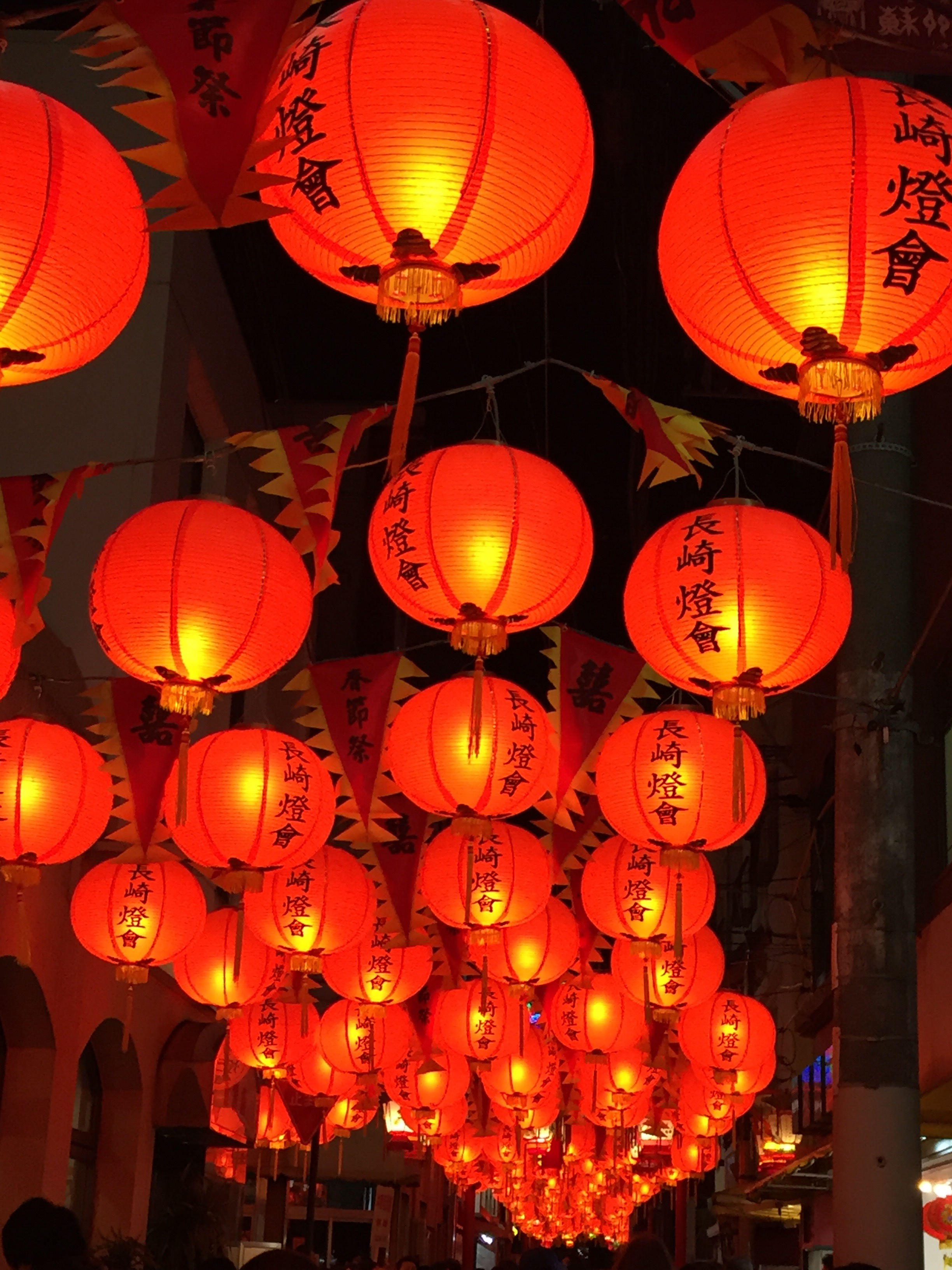
    Lanterns in close up.

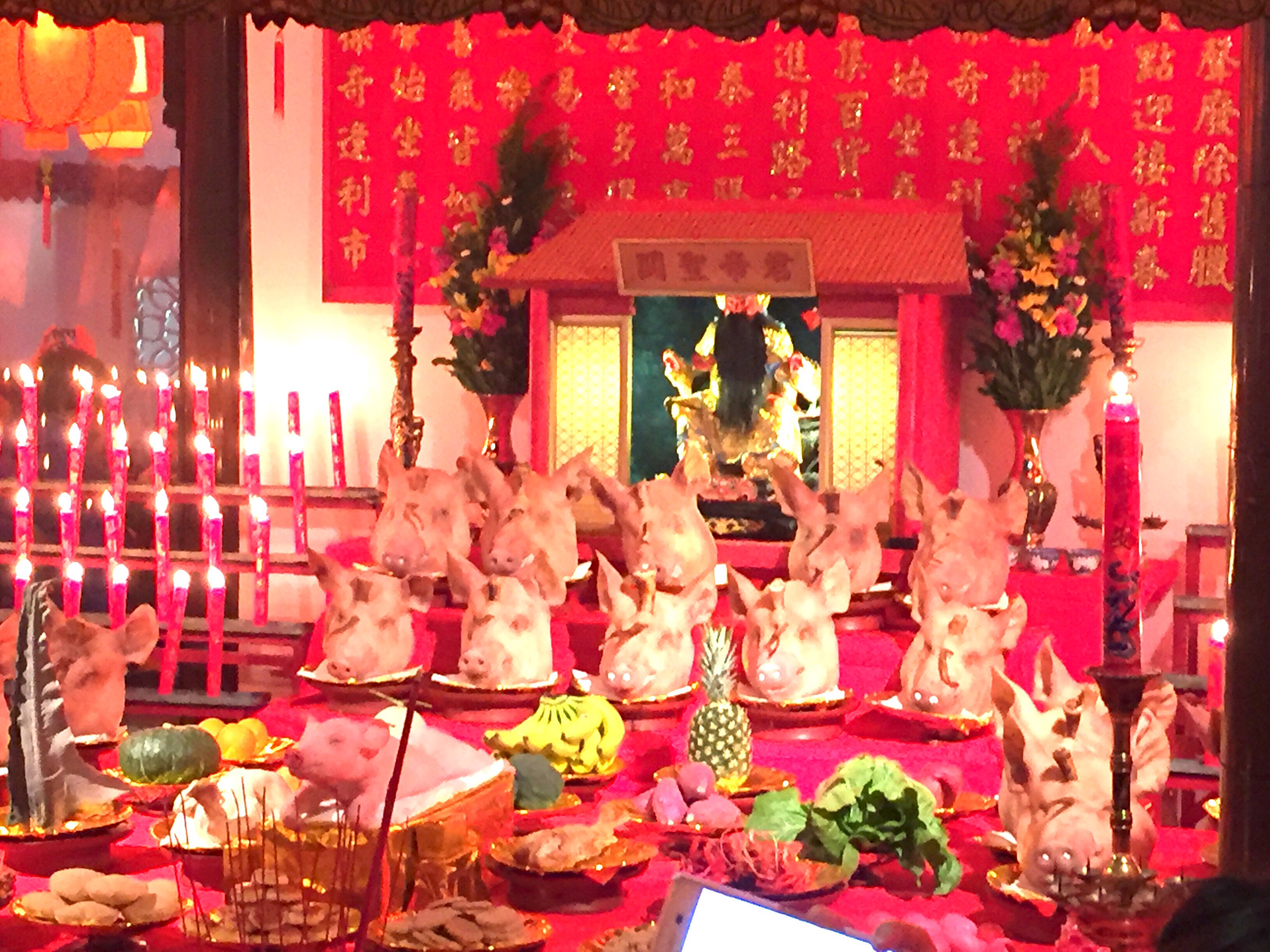
    The altar where a great crowd of people wanted to see (pray?).

    The dragon – symbol of Chinatown.

    The tallest lantern-the Rooster.

    The Megane Bashi. Megane is eyeglasses in Japanese. The bridge looks like an eyeglasses if seen from afar. The two arches with its reflection on the water look like eyeglasses. 

  • What do you do when you can’t sleep at night?

    I am sure I am not alone when this matter. There are many sleepless nights in my calendar just like many of you out there. It usually happens to me in the weekends.

    My mind is awake. My eyes are wide open. My fingers are busy with my phone.

    What do you usually do when you can’t sleep at night? As for me, I usually just surf the internet. Scan the timeline of my Facebook. I read posts which catch my interest. Sometimes, I stalk on somebody’s profile ( like you do, right? 🙂 I just wonder what some people do, how they are nowadays.

    I like reading comments of posts, too. I admit, most of the time I just go straight to reading the comments rather than reading the whole article. It is amusing reading people’s comments. The differences of each individual’s personality are revealed by their reactions/comments on certain issues.
    I like googling things, too. Just random things that come to my mind. I like reading articles.

    Sometimes, I feel I can do better. There are times I want to do something else. Like make money, more money than what I earn from my day job.

    When that idea comes to my mind, I start goggling ‘how to start a business’. But, in the end, I’m still on my bed…nothing happens. It just keeps me more awake. Thinking and thinking.

    So, I thought, I’d rather write.

    But this article reflects what’s on my mind. Just random things. I don’t even know what it is.

    :-/

  • Japanese Elementary School Tour  Part 2

    Japanese Elementary School Tour Part 2

    Hello everyone! Here is the second part of our school tour. Come on! Let’s go outside the main building.

    Gymnasium

    city.tomisato.lg.jp

    Here is the gymnasium. The gymnasium is one of the most important and most memorable places in school because this is where the school ceremonies are held. Opening ceremony, entrance ceremony and closing ceremony are held in the gymnasium. P.E classes are sometimes held here too. On rainy days when kids can’t play outside, they play in the gymnasium instead.

    Swimming Pool (Pu-ru)


    gakko.shikokucho.jp

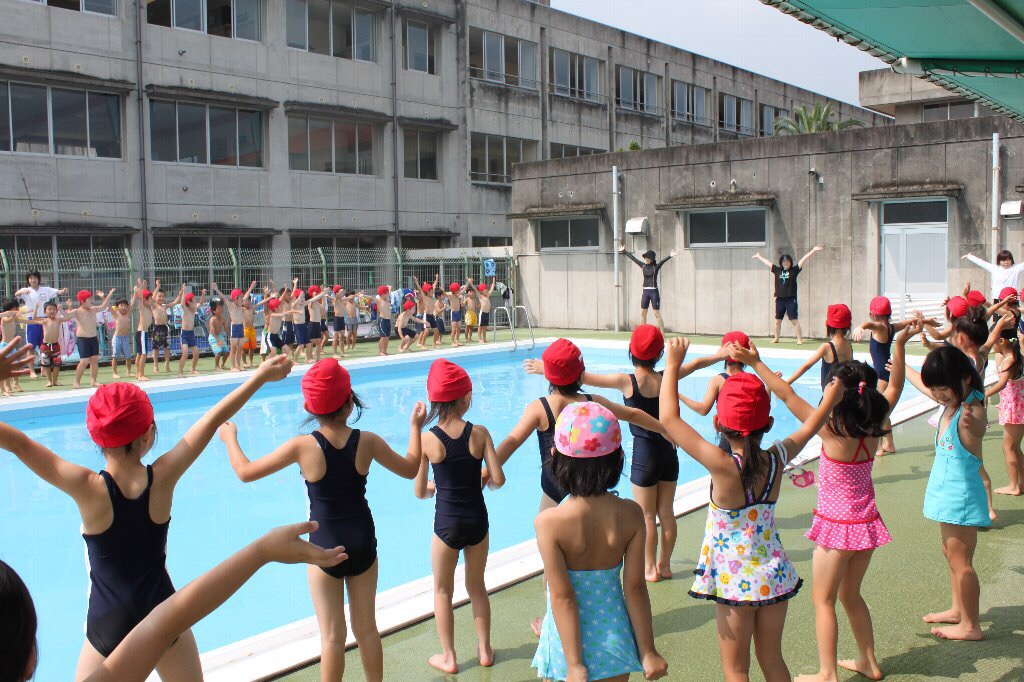
    It doesn’t matter if the school is big (with hundreds of students) or small (with just thirty students all in all), there will always be a swimming pool in its grounds. Elementary students learn swimming twice week starting around the month of June until the end of the first semester before the school closes for summer vacation. This is one thing about Japanese elementary schools that I really like because we don’t have it in our country. We just learn swimming by ourselves.

    Playground (Undojo)

    Author’s photo

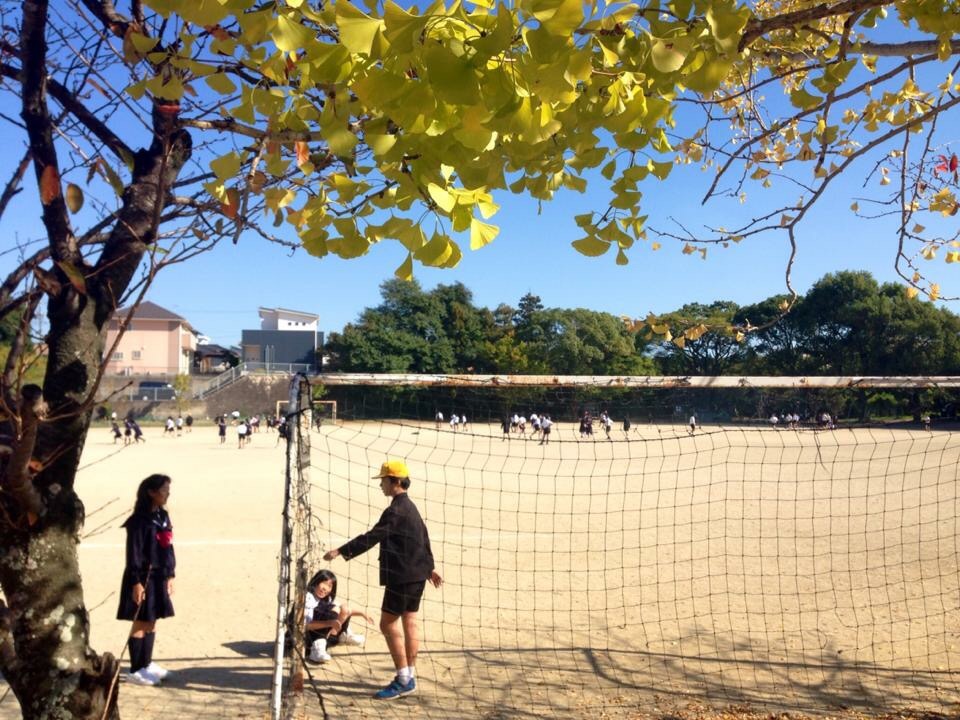
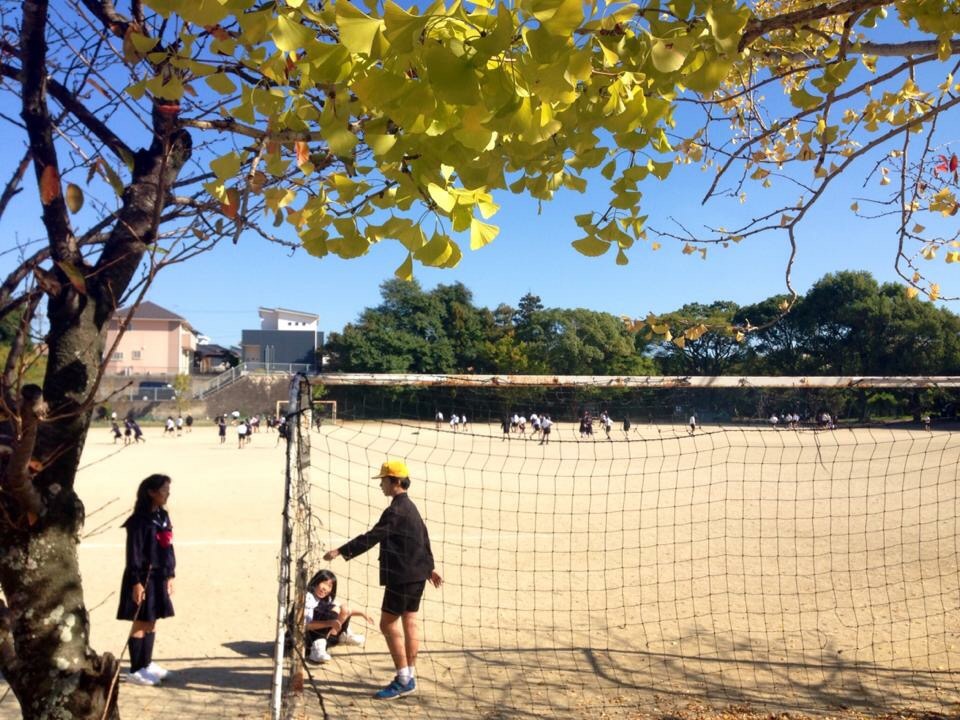
    All study no play will certainly make the Japanese children go bored. So the school has a wide playground for the kids to play. They also do their P.E classes here. And of course, this is the venue for the sports festival. It is also very safe and kept clean. No trash or broken glasses whatsoever or anything that could hurt the kids. By the way, If you use your Google map and just wander about, and see a light brown spot on it, that is a school playground! So it’s easy to find a school in Google map by its playground.

    Classrooms (Kyoshitsu)

    blog.tochipro.com

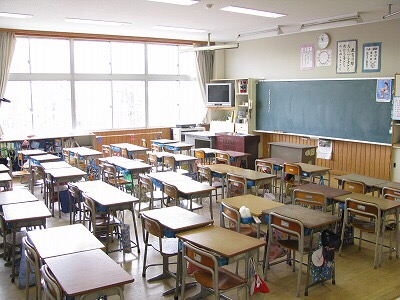
    This is the students’ classroom. Each classroom is equipped with audio video systems. The most number of students in a classroom is forty. Nothing more than that. School in the countrysides has less (I had 8 and my friend has only 3). The classrooms are very well-ventilated with big sliding windows and enough light bulbs. Doors are sliding, too. Each room has (always) two doors. Each of the chair has drawers for the students’ stuff and at the back of the room are cabinets to hold the students’ bags.

    Music Room (Ongakushitshu)

    city.ebina.kanagawa.jp
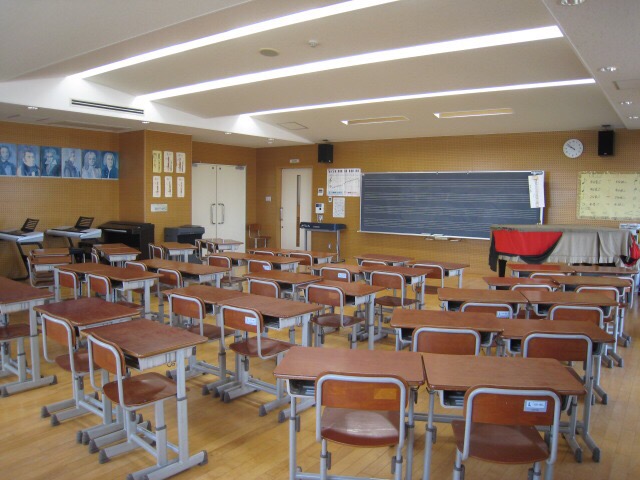
    In the music room is of course the musical instruments and the star of these instruments is the piano. I like the elementary music in Japan. They always sing songs and the music echoes all over the place. So sweet to hear the kids singing. Such innocent voice.

    Science Room (Rikashitsu)

    tue.edu.city.iwakuni.yamaguchi.jp

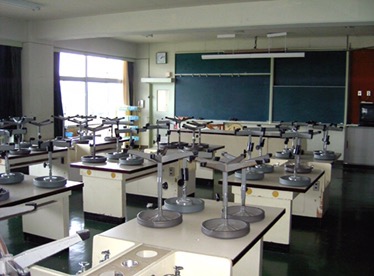
    The advancement of technology starts here.This science room is fully equipped. A real laboratory. Complete with all equipments and experiment tables.

    Arts and Crafts Room

    atoriepepe.ti-da.net
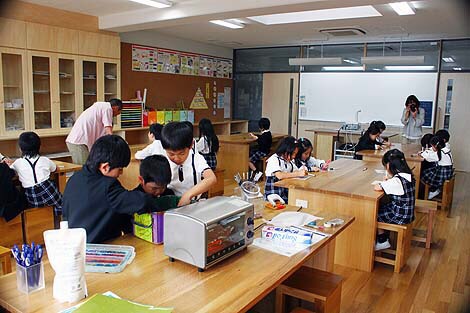
    For the artistic and creative hands, this room is heaven. Many students like arts and crafts and when they do it, they are serious. It is really an art. They usually display their work of art in the school lobby and hallways.

    Multi-Purpose Room (Tamokutekishitsu)

    sunface.or.jp

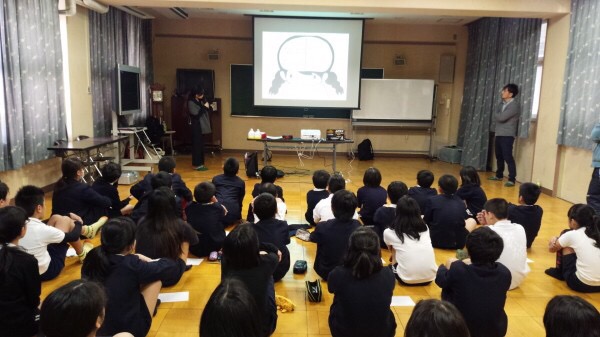
    As the name implies, the multi-purpose room is used for just any purpose. It could be a meeting room for students’ club, a changing room (for P.E uniforms) but more often, it is used as the English room. English classes are held once a week in the elementary schools.


    Home Economics Room (Kateikashitsu)

    el.aso.ac.jp
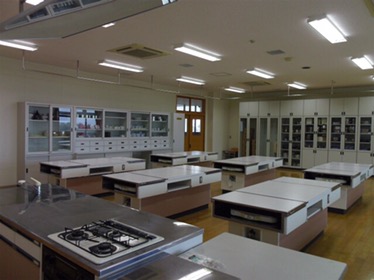
    Like the other rooms, the home economics room is also fully-equipped to develop the kids ability more specifically in cooking. It has stoves in every table and the cabinets are full of kitchen tools and equipments.

    Broadcasting Room(Housoushitsu)

    weblog.city.hamamatsu.szo-ed.jp
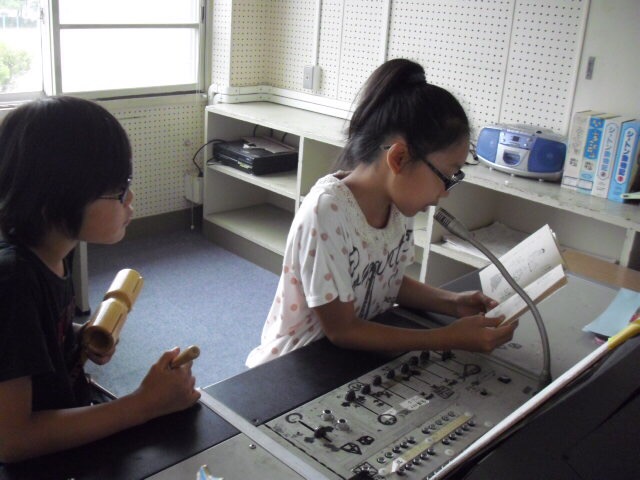
    For the young journalist, this room is a very good place for practice. Selected elementary students use the broadcasting room in the morning before classes start (to greet everyone) and during lunch time (to do some announcement and explain the lunch ingredients and nutrition). Teachers also use this for some important announcements.

    Computer Room (Pasokonshitsu)

    ed.city.izumisano.osaka.jp
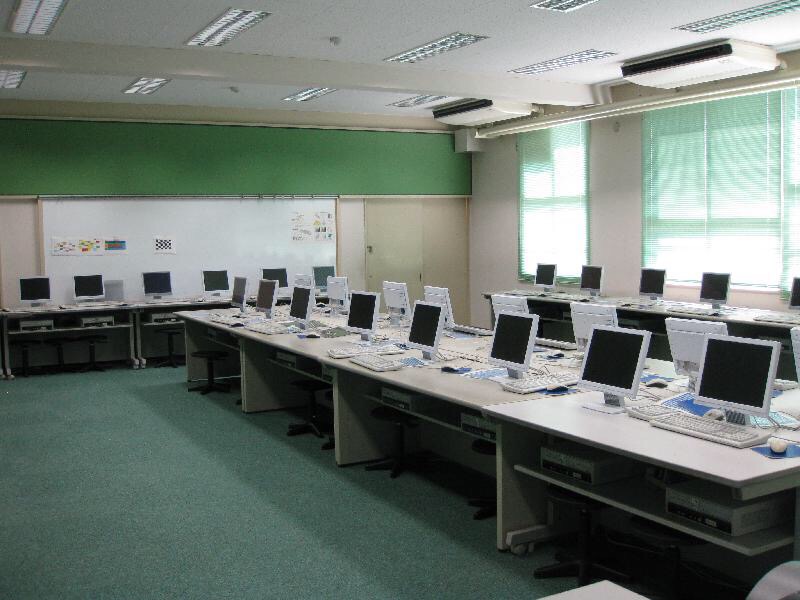
    Japanese kids start learning about computers in elementary schools. And they have enough high quality computers to speed up their learning. All schools have Internet connection.

    Hand-washing Area (Araiba)

    cms.edu.city.hiroshima.jp
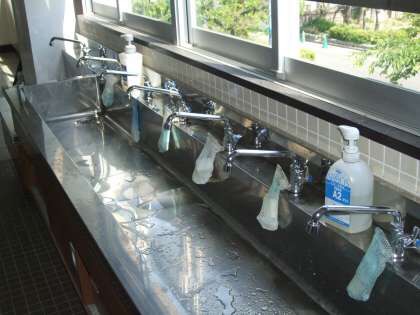
    I would like to mention this area in our tour because this is very important for the kids health. Hand-washing areas are found in every corner or alley of the school. Students are trained to wash they’re hands before and after eating and after playing.
    And there is one place I almost forget to mention which is liked by many students. It is the place where the school keep its pet animals. It is usually rabbits that are kept in that ‘cage’. It’s a big cage and students are trained to take care of the animals.

    Conclusion

    Japanese is being praised around the world for its advance technology, rich culture, clean environment and well-mannered people. If any country would like to imitate Japan, I think it is better if they start imitating Japan’s educational system. Invest in quality education and the rest will follow to the road of success.

  • Japanese Elementary School Tour Part 1

    Japanese Elementary School Tour Part 1

    Japan is a highly educated country. It’s government invest a great amount of its resources on the education sector which is evident on the school resources and facilities. Educational institutions all over Japan are  fully equipped and is therefore a very good training ground for schoolchildren.
    In this article, I will take you inside a Japanese elementary school for you to see and take inspiration in creating an excellent learning environment. Let’s now start our school tour.

    Entrance (Genkan) 

     
    seturakai.seesa.net
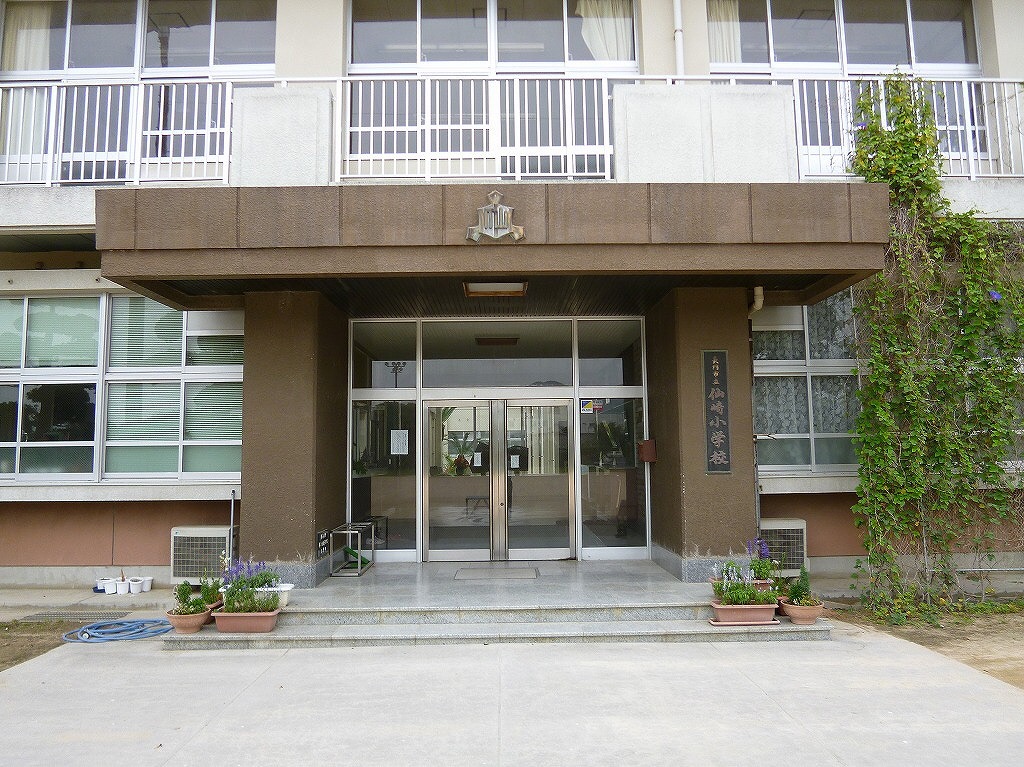
    It is very common to have a floor step (a step or two) in the school entrance. It is always elevated from the ground. In the entrance, you will see the school logo and the school name. Take note that the entrance for students is separate from the entrance for teachers and other school workers.

    Shoebox (kutsubaku)

     
    suginami-school.ed.jp

    schoolnet.edu.city.yokosuka.kanagawa.jp
    In Japan, one needs two sets of shoes when going to school. Outdoor shoes and indoor shoes. Upon entering the school entrance, outdoor shoes are put in the shoebox and indoor shoes are used. These shoeboxes are labeled per grade, per class, and per students on each box. The same goes with the teachers. Don’t worry if you visit a school. There are always indoor slippers ready for visitors.

    Hallway (Roka)

    todagumi.com
    Right after the entrance and the shoeboxes is the hallway. The hallway leads to the different parts of the school. This is also where posters and announcements are being displayed.

    Principal’s Office (Kochoshitsu)

    asahi.com
    tokiwae.blog.fc2.com
    The Principal,’as the school’s highest official has a very nice working space, the Principal’s office. It usually has sofa to entertain special guests and a nice long table to conduct important meetings.

    Teachers’ Room (Shokuinshitsu)

    tatemono.art-saitama.jp
    education.city.nonoichi.ishikawa.jp
    The teachers before and after their classes stay, meet and work in the Teachers’ Room. Each teacher has her own table and chair. The tables are lined-up side by side and fronting each other. The tables are grouped according to grade level. The top three school officials (Principal, Vice-Principal and Head Teacher) are positioned in one side of the room with their tables also lined up.

    Registrar’s Office (Jimushitsu)

    tue.edu.city.iwakuni.yamaguchi.jp
    tochigi-film.jp
    The Registrar’s office is where the non-teaching personnel work. School visitors can inquire from here. Teachers also get their school supplies from this room. Everything a teacher needs in class: paper, clips, rubber bands, laminating film, etc.)

    Printing Room (Insatsushitsu)

    cms.gifu-gif.ed.jp
    As the school is a paper tiger, a printing room is indeed necessary. Here teachers can do their photocopying and other printing needs. This room is complete with paper cutters and all sizes and sorts of paper.

    Toilet (toire/benjo)

    komei.or.jp
    Toilets are found on each floor of the school. Boys are separate from girls, as well as the teachers toilet with separate females and males.
    Toilets are supplied with unlimited tissue and hand soap. It is kept very clean. Indoor slippers are not used inside the toilet. Toilet slippers are used instead.

    Library (toshokan)

    caritas.or.jp
    Usually on breaktime between the second and third period and after lunch students go to the library. Japanese elementary schools really promote reading among students. They even have a chart to show who has read the most number of books and they also have a regular list of reccomended books to read.

    Clinic (hokenshitsu)

    weblog.citi.hamamatsu-szo.edu.jp
    School clinics are so cool and relaxing. A very accommodating place for kids who get sick while in school. Plus, the school nurse is very kind. The school clinic gets crowded when it’s time to measure students height and weight or if they have dental or eye check up, and in winter when flu spreads.

    Pantry (kyuushokushitsu)

    kurodamich.exblog.jp
    Most schools have their own pantry where the school lunch is being prepared. This area gets very busy during lunchtime when students get their food and utensils and later when they return them after eating. Other schools don’t have pantry but there is a separate area called kyushoku center located where they prepare the lunch for the school’s within the community.
    Let’s have a break. Sit back and relax. Let’s continue our school tour in the next article. In the next part, let’s go outside the main building of the school and see what’s around. See you in a short time.