Death is the only thing we know that is going to happen for sure, but still surprises us every time it comes. And it’s never a pleasant surprise. It’s devastating. Heart-breaking.
The unacceptable truth that no matter what we do, no matter who we are, each one of us will end up as a memory.
I’ve experienced the pain and emptiness that death has left behind many times already. I had a dear friend and co-teacher who was taken away by lung cancer. Within three months she was gone. I cried so hard from the bottom of my heart. Also, a college classmate was taken away by breast cancer a year ago. As far as I know, two of my former grade six students passed away due to some kind of disease. They died at a very young age. Heart-breaking. One former student was also a victim of attempted rape and homicide. There’s no escape from death. Even here in Japan, in my four years of teaching, two co-teachers already in two different schools did not escape death. One, a young male teacher taken by cancer and the other a retired teacher returning to teach as part-time. She died due to aneurysm. Even the principal of one of my previous schools, again by lung cancer. The most painful was when my dear father passed away just after my dear cousin was buried three years ago. It was a double tragedy. We buried two love ones within a month. I did not cry the moment my father passed away because I pretended to be strong for my family especially for my mother. But I regret it. I should have cried. I should have not stopped them cried. I should have let it out. All the pain. All the frustration. Everything in my heart. The indescribable feeling when you lose someone dear…forever. Life is unfair. It is always is. When my father died, I have asked myself many times ‘Why do we have to live when we all are gonna die?’
I still mourn for my father’s death. I think of him everyday. He’s in my thought. He’s in my dreams. That’s where he stays forever. And all the lives of those I know who were taken away by death.
And the most recent, a former co-teacher, now, a school principal passed away just this morning. A sudden death. Very shocking. Very heart-breaking. How can a seemingly healthy man, very active, a great father, husband, friend, mentor, educator, a community leader be gone like that.
Life is scary. Death is lurking around the corner. Watching us and waiting for the perfect (imperfect) time to grab us in our feet and put us down. Prepared or unprepared, we leave this world while the ones who are left behind are drowned in pain.
Mati, the place where I spent the first nine years of my life. I was born in Davao City, the biggest city in the island of Mindanao, but because of my father’s job as a Red Cross Administrator, we moved to a region down south, Davao Oriental, with Mati as its capital town.
I have rich childhood memories in Mati that keep coming back every time there’s a trigger. Like one day, when my husband and I were talking about our last trip to the Philippines, when we met this very cool taxi driver who coincidentally we had a ride two times within our ten-day vacation. He’s a good taxi driver who kept us entertained during the ride with his talk about many things and one of them, bananas. Bananas in the Philippines sometimes just pop out from nowhere and you can see them everywhere even in a big city like Davao. Much more in the countryside, like Mati, and that banana topic opened a stocked memories of my very precious childhood in Mati.
BANANAS, BANANAS
I remember how my siblings and I played outside of our backyard pinching and poking holes on the banana trunks with sticks and watching the sap flow out from it upon pulling out the sticks. We used to say that banana trees are peeing or crying. I know it’s not very nice poking banana trunks but we were kids and we didn’t see it like that. We enjoyed watching the water flow like it’s magic. And of course, our parents scolded us for doing that. That we should not ‘hurt’ the banana trees.
We used banana trunks to feed our pigs we raised in our backyard. We call banana trunks ‘bani’ in our local language. We sliced bani thinly and mix it with ‘tahop’, grounded husk of rice grain. It’s too expensive feeding pigs with commercial feed in the market so we settled with bani. My mother used to ask us to cut the bani when it’s feeding time for the pigs. We of my siblings took turns doing it . Sometimes we liked it, most of the time we didn’t. It’s a menial job. We did it in our backyard, where we had a small pigpen and a small duck’s pool.
THE DUCK’S SWIMMING POOL
That backyard in our house in Mati is mostly where are precious childhood memories happened. That small duck’s pool, I can never forget. One day, my sister Dhaday and my cousin Dodong decided to ‘sail’ our big plastic basin across the green dirty duck’s pool. We put Dodong in the middle of the basin for balance and pushed it to start ‘sailing’. When the basin was already half-way in the duck’s pool, my uncle William, Dodong’s father, came and the sight of Dodong in the basin in the middle of the green dirty duck’s pool infuriated him because for him it was dangerous. But for us, it was fun. We were like aged 7 or 8 at that time. When uncle William told Dodong to get out of the pool, my sister Dhaday and I ran quickly and hid and left Dodong in the middle of the pool. Dodong was crying of fear of his father and said ‘mudunggo na lagi ko pa, mudunggo na lagi ko pa’ meaning ‘I’m gonna land dad, I’m gonna land.” That was just one of the funny childhood memories.
THE MANZANITAS TREE
Near the duck’s pool is a Manzanitas tree. Manzanitas tree bear fruits like cherries. Birds love it and we, kids, love it, too. The fruits are green at first but when they ripe, they’re red. Very red, very many and very attractive to the eyes. I used to climb that Manzanitas tree and pick all the red, ripe fruits. We used to call them apples. Apples don’t grow in the Philippines and the idea of having mini apples is very heart-warming for us. One afternoon, siesta time, when my older sister made us take a nap, my sister Lea and I sneaked to the backyard and I climbed the Manzanitas tree. She was too little, at maybe age 6 or 7 to climb the tree and I was thinking I was big enough I could do it. I was about age 8 or 9. I told Lea to stay by the foot of the tree and wait for me while I get the red ripe fruits. I was enjoying picking fruits when I heard my mother’s voice coming. I was screwed. I will be punished for sure, I thought. So, I suddenly gestured my sister Lea to not look up the tree and to pretend she doesn’t know where I was. But of course she was too little to know how to lie. She panicked when Mama asked her where I was and looked up the tree and that’s how my mother caught me climbing the Manzanitas tree. I was scolded, yeah. But that stayed as a precious childhood memory I always love to look back.
THE MANGOE TREES
I loved climbing trees. I remember we had two mango trees in our house in Mati. One big “Carabao” mango tree in the front yard and one small “Cebu” mango tree in the backyard. (These are variant of trees we call in the local language.) We used to climb that small mango tree with salt in a saucer and a kabo (small bucket)filled with water. We picked the fresh budding leaves, wash them with water, dip in salt and eat them. All of that we did up in the tree. Yeah, that sounds crazy but I don’t know where we got that idea. Somebody just started saying ‘You can eat the young leaves…oh it’s good’ and we did it and it became one of our past time activities. Of course we also eat the fruit. We like the green ones. Oh, just thinking about it makes me droll. Sister Dhaday and I used to sneak out our window in the second floor up to the rooftop where we used a dughit (catcher) to pick the mango fruits. Of course we had our salt in saucer and small knife with us to peel the mangoes. We were careful not to drop the mangoes and hit the roof to avoid any sound that alarm our family downstairs that were up on the roof getting mangoes. We’d be screwed if we’d be caught doing that and it happened many times. Papa caught us one time because while he was walking in the front of the house with Lea, Lea saw us on the rooftop and pointed to us. I remembered we hurried back inside the house and hid but of course we couldn’t escape Papa. Papa got so angry and we were scolded.
OUR GUAVA TREES
We also had our own guava trees. Lea’s guava tree in the backyard was the most fruitful of all guava trees. Maybe because there was like a bunch of compost by its foot. It bears big, oval guava fruits. But, the fruit, they’re not tasty. It tasted bland. So, even if it bears a lot of fruits, we didn’t care that much. Ate Dhaday (ate is how we address our older sisters) had the best guava tree. The fruit are tiny and green but they tasted so sweet. I think they are the native kind. My guava tree outside the backyard fence bears fruit like once or twice a year. And when it bears fruit, only the biggest, most delicious fruit you can ever have. But, yeah. What good does it make when you have to wait for months. We were kids and we were impatient like that. We love ate Dhaday’s guava tree. During siesta time, when I get to sneak, I would climb ate Dhay’s guava tree and pick guavas and enjoy them while whistling and rocking on a branch. She would get angry at me the next day because the fruits she’s been waiting to ripe are already gone. Who else is the ‘thief’ but me. Lea couldn’t climb trees. And our older siblings already lost interest in them. They did their own ‘teenager’ things.
SUGAR CANE
My older siblings, on the other hand, they did have their own sugar cane plant. We call it tubo. Cutting and munching tubo is one of the happiest thing in our childhood. We cut and share tubo equally among us like we had to measure them in equal length for if one is bigger than the other, it could start a fight. We munched tubo and enjoyed it’s very sweet, juicy taste. If you don’t know, sugar is made from sugar cane.
PLAY HOUSE, PLAY STORE
My sisters Dhaday and Lea, we used to play houses a lot. We played house in our living room where we move chairs and use cardboard boxes and blankets to design our own spaces and define territories. We also played outside in the front yard where we used the bench as our ‘store’. We sell make-believe ginanggang. Ginanggang is roasted bananas glazed with margarine and white sugar. We picked leaves for bananas skewed in silhig tukog (coconut broomsticks) glazed with gumamela oil (we mashed gumamela leaves to make the oil) and sprinkled it with bukbuk (wood particles) as sugar coating for our ginanggang. We used candy wrappers as our money to buy. The blue wrapper is valued at two pesos and green wrappers are five. Our coins were flattened soft drinks’ cap. I miss those times. Those are the real play. No touch of technology or whatsoever digital.
PLAY FIGHT
We also have memories of playing fight where we use banana trunk to make our guns and armalites. We were so creative we could make them look like real guns. Kuyang, as we call our older brother, liked playing gunfights. And we of my sisters play with him. We used the seed of plant called buyangyang as our bullets. Buyangyang seeds are red and black in color. I’ve never seen that plant since we left Mati. I don’t know if they still exist up to now. When we play gunfight, we go all over the house, to the backyard and beyond that. We hid behind banana trees and our guava trees. It was so much fun running and hitting each other with our improvised weapons.
WATCHING AND CATCHING BIRDS
When I was young. I was crazy about birds. I so loved birds to the point where I was kind of obsessed about them. I remember I would stay near the bushes in our backyard. I don’t know what they’re called. Those bushes bear tiny fruits that the birds love to eat. I used to stay near them and tweet like I was talking to the birds. One time, I hid inside the big rubber water container near the bushes and called the birds. Of course, not a single bird came to play with me. I was also almost bitten by a snake just because I always stay near the grasses and bushes to watch and talk to the birds.
There was one bird I found outside the backyard. It had a broken wing and it couldn’t fly and it kept chirping. That’s how I found it. I was so happy and kept the bird as my pet. I put him under a big wooden food cover and tried to feed him with all kinds of food I can grab and water to drink. I was hoping he would get well someday and become my best friend. Until one day, a horrible accident happened. As I stood to pick up something and went back near the bird’s improvised cage, i didn’t notice it came out of the cage and I accidentally stepped on the bird. I could hear the sound of the bone cracking as I stepped on it. It died right away. It wouldn’t move. It wouldn’t chirp. Limp. I was so so sad and I cried so hard. I gave my pet bird a ‘funeral’ in our garden and I put a cross on its mound.
Looking back, now I realized why I really don’t have many close friends outside the family. Because I grew up playing with my sisters. We had a big house and a big lot in Mati and we explored and played every corner of it. Just us of my siblings and sometimes the visiting cousins. That moment of my life is very precious I will treasure it forever.
childhood memories
We did many other things in my childhood like playing with makahiya leaves. Makahiya is derived from the word “hiya” which means shy. It is a plant that when you touch it, it closes its leaves. We also listened to AM radio drama programs like Ramine ang Batang Bronse..lol. We went to the nearby stream to bathe and swim with our older siblings` pet dogs. Haha.. We joined Flores de Mayo where we would go pick flowers together with other children in the neighborhood. Life in the countryside is much different in the city. We moved back to Davao after fourth grade and it is a totally different experience. No more trees. No more streams. It is a big city. A new life. But the memories in Mati will never fade away.
It’s a day before Christmas, when usually the spirit is up. But it seems like the other way around. I can feel the sadness in my city.
Yesterday, December 23rd, the day of our flight coming back to the Philippines, I couldn’t go to bed until around 2 AM. Yes, I was excited (I was excited weeks and even months before that), but more than being excited I was worried trying to monitor my family (and relatives and friends) in the Philippines. There was a flash flood brought about by typhoon Vinta in my hometown and our place, just by Davao River, the largest river in Mindanao, is one of the affected areas. I went to bed after knowing that they were safe and rescued.
Waking up in the morning was a mix of excitement and sadness. The aftermath of flood is as distressing as the flood itself. I’ve seen pictures and videos of our house and my neighborhood soaked in mud. Everyone was busy cleaning up their houses. Just seeing them doing that made me feel tired as if I was there scraping the mud out, too. I’ve read news of death and missing people. Just bad vibes for the season. Not a good feeling to start our trip scheduled in that afternoon.
And because of that I blamed the troubles I had in the airport coming to the Philippines. I don’t have my residence card and I lost my laptop along the way of getting through immigration without that very important card for foreigners living in Japan. Bad news after bad news.
Yet, another bad news was on the way for my fellow Davaoeños. One of the big malls in my city and the nearest to our house, NCCC Mall, is on fire. The fire started around 9:30 in the morning of Saturday, December 23, and as of writing (morning of December 24) the fire is still on, engulfing the entire mall.
Coming back to the Philippines, my family is excited to do many things in the city and one of them is going to NCCC Mall. We often go there for shopping, dining and just whatever. It’s a big part of us. I think most of us in our neighborhood go to NCCC mall for Christmas shopping or any regular day shopping. It’s not uncommon to see a friend, a neighbor, a teacher, a classmate, an ex in the mall if you go shopping there, especially for us living in that area.
It’s just sad that around these days, when people usually go shopping for Christmas, they’re cleaning their homes of flood dirt and even if they finished cleaning and they decided to go to the mall they love, it’s not there anymore. It’s turned to ashes. An ugly sight. There’s no more walking distance mall to go to. Of course, there are still other malls in the city, but there’s nothing like NCCC. It’s a sad feeling. Not a very merry Christmas this year for my hometown.
I am sure I am not alone when this matter. There are many sleepless nights in my calendar just like many of you out there. It usually happens to me in the weekends.
My mind is awake. My eyes are wide open. My fingers are busy with my phone.
What do you usually do when you can’t sleep at night? As for me, I usually just surf the internet. Scan the timeline of my Facebook. I read posts which catch my interest. Sometimes, I stalk on somebody’s profile ( like you do, right? 🙂 I just wonder what some people do, how they are nowadays.
I like reading comments of posts, too. I admit, most of the time I just go straight to reading the comments rather than reading the whole article. It is amusing reading people’s comments. The differences of each individual’s personality are revealed by their reactions/comments on certain issues.
I like googling things, too. Just random things that come to my mind. I like reading articles.
Sometimes, I feel I can do better. There are times I want to do something else. Like make money, more money than what I earn from my day job.
When that idea comes to my mind, I start goggling ‘how to start a business’. But, in the end, I’m still on my bed…nothing happens. It just keeps me more awake. Thinking and thinking.
So, I thought, I’d rather write.
But this article reflects what’s on my mind. Just random things. I don’t even know what it is.
The world is celebrating fathers’ day. Messages and pictures are flooding the Facebook timeline.
Almost everyone is telling that they have the best father in the world. That they are happy and thankful to have them in their lives.
Some of the messages are not at all an expression happiness nor gratitude. Some expresses regret and longing.
Those messages are from the people whose fathers are not anymore in the physical world.
They’re gone. They’re missed.
And I’m one of those people.
If only I could turn back time, I would spend more time with my papa. I would talk to him. Ask him questions about his younger days. About his life. His struggles and successes. Everything. Anything.
I miss my papa.
In my whole life, I only hugged him once. That was the first and last. And that was the last time I saw him alive. That was the last goodbye.
So, to all of you whose fathers are still alive, go and tell them you love them. Don’t just post on Facebook. Go to them. Give them a hug. Talk to them. Ask them questions. Not just on Father’s Day. Make every day special because nobody knows when they will be gone…forever.
April 30, 2011. When I first came to Japan as a visiting relative. I stayed for a month with my sister and in that short period of time, I fell in love with Japan. I came back as a scholar on September 24, 2012, and studied for a year and a half. During my stay, I’m so enchanted with Japan that I wanted to stay in this country for good. So, I’m here, staying for almost four years now. I have my reasons why I chose to stay in Japan, and I think many can relate with me.
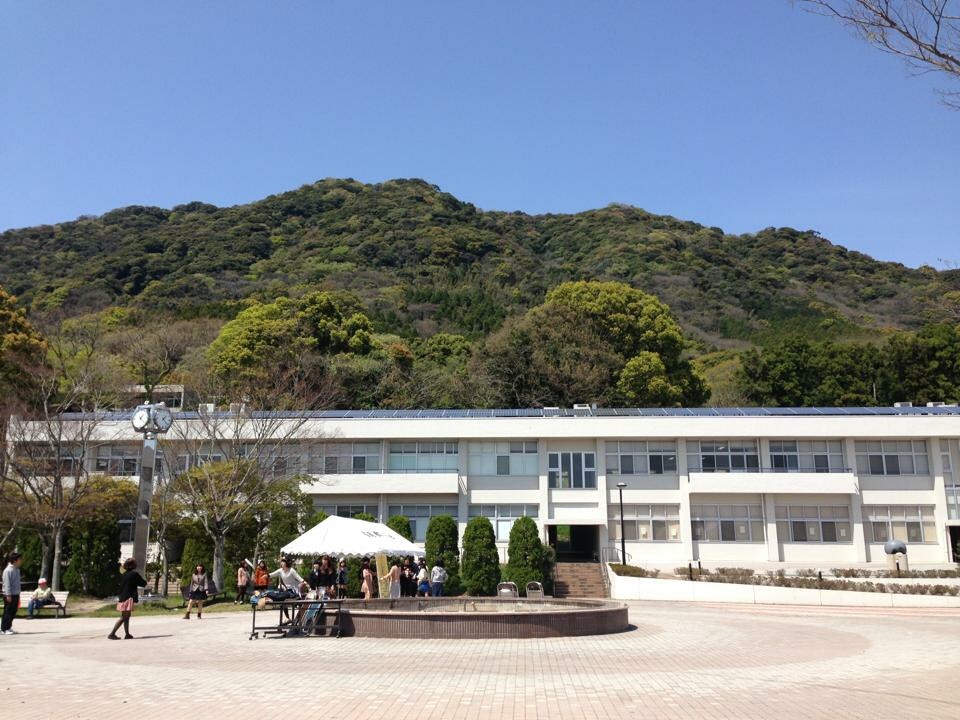
my university
5. Economic Advantage
tokyoezine.com
Japan is one of the top economic powers in the world. What I (financially) earn here (with lesser effort and work) is almost four times as much as I earn in my country. Although the cost of living is far different (it is so much cheaper in my homeland; Japan is expensive), with my earnings, I can provide myself more than enough, send money to my family back home and enjoy life without thinking so much of financial constraints.
4. Environmental Safety and Security.
welcomia.com
When I came here for the first time, I was surprised to see that there were no security guards in establishments (which is common in my country) and the policemen don’t have guns. There seems to be NO threat to security. The crime rate in Japan is relatively low. Japan was ranked as the safest country in the world in 2014 by the Organization of Economic Cooperation and Development (OECD). (You can read more about the crime rate in Japan here http://www.japantimes.co.jp/opinion/2014/01/25/editorials/crime-rate-dips-again-in-japan/).
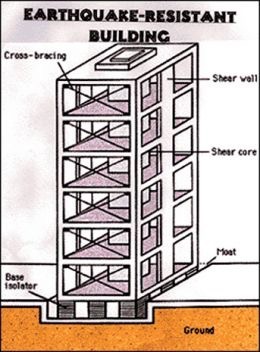
http://coolgeography.com.uk/ In terms of natural calamity, we know that Although Japan is prone to earthquakes and other natural calamities, the buildings are built to stand against strong shake and the emergency information system is very apt and advanced that whenever there is heavy rain pour or earthquake, cell phones alarm and disseminate automated messages regarding calamity and safety. Moreover, it is very clean in Japan. No pollution. The environment is clean, safe and secured.
3. Spirit of Equality and Harmony
japantoday.com
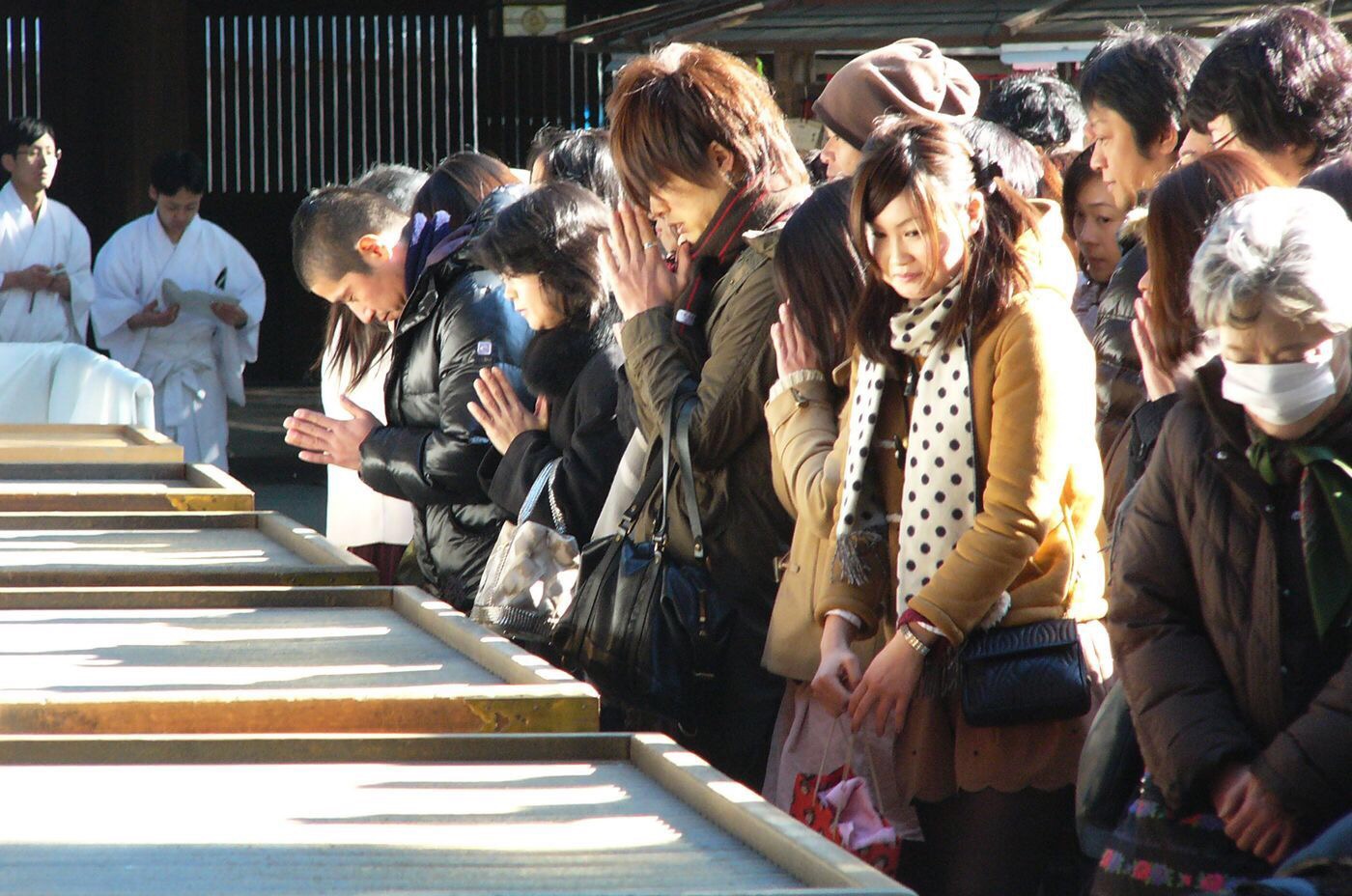
In Japan, harmony is very important. Japanese people follow rules and try to avoid conflict as much as possible. They are very harmonious and very disciplined. They follow rules and always think of others. You can see that when they get on the train, when they take escalators, when they go to the restaurant, they always fall in line and wait for their turn. Here, there seem to be no rich and poor. No “untouchables”. Here, a politician is just a worker, like everybody else. Everyone’s equal. Japanese give importance to uniformity, too. You can see that in the way they dress. Very few, almost nobody wants to stand out with bright-colored, printed dress. Subtle colors are prevalent. Everything is just smooth and neutral.
2. Advance Technology
http://en.wikipedia.org/
japantimes.com.jp
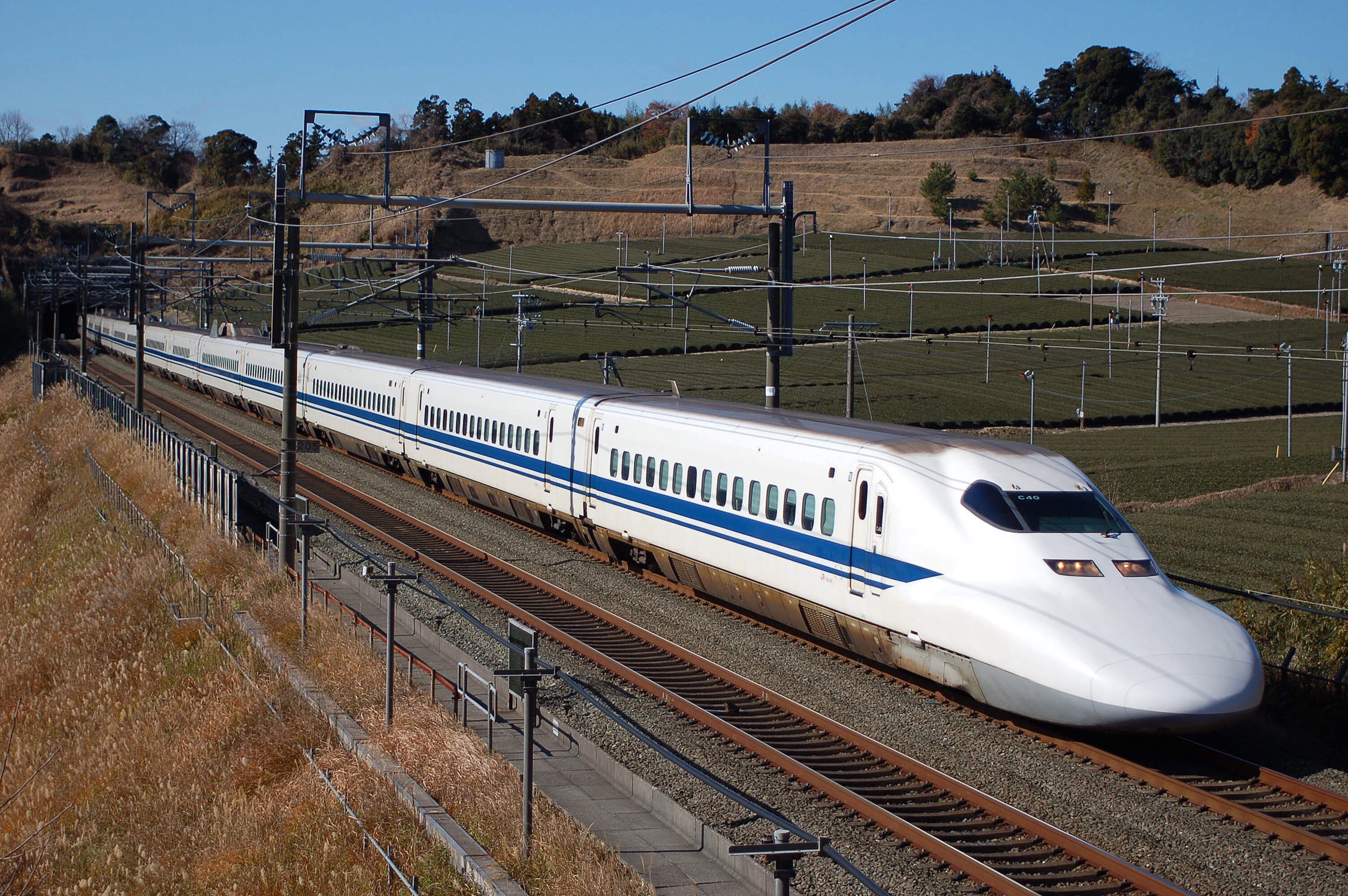
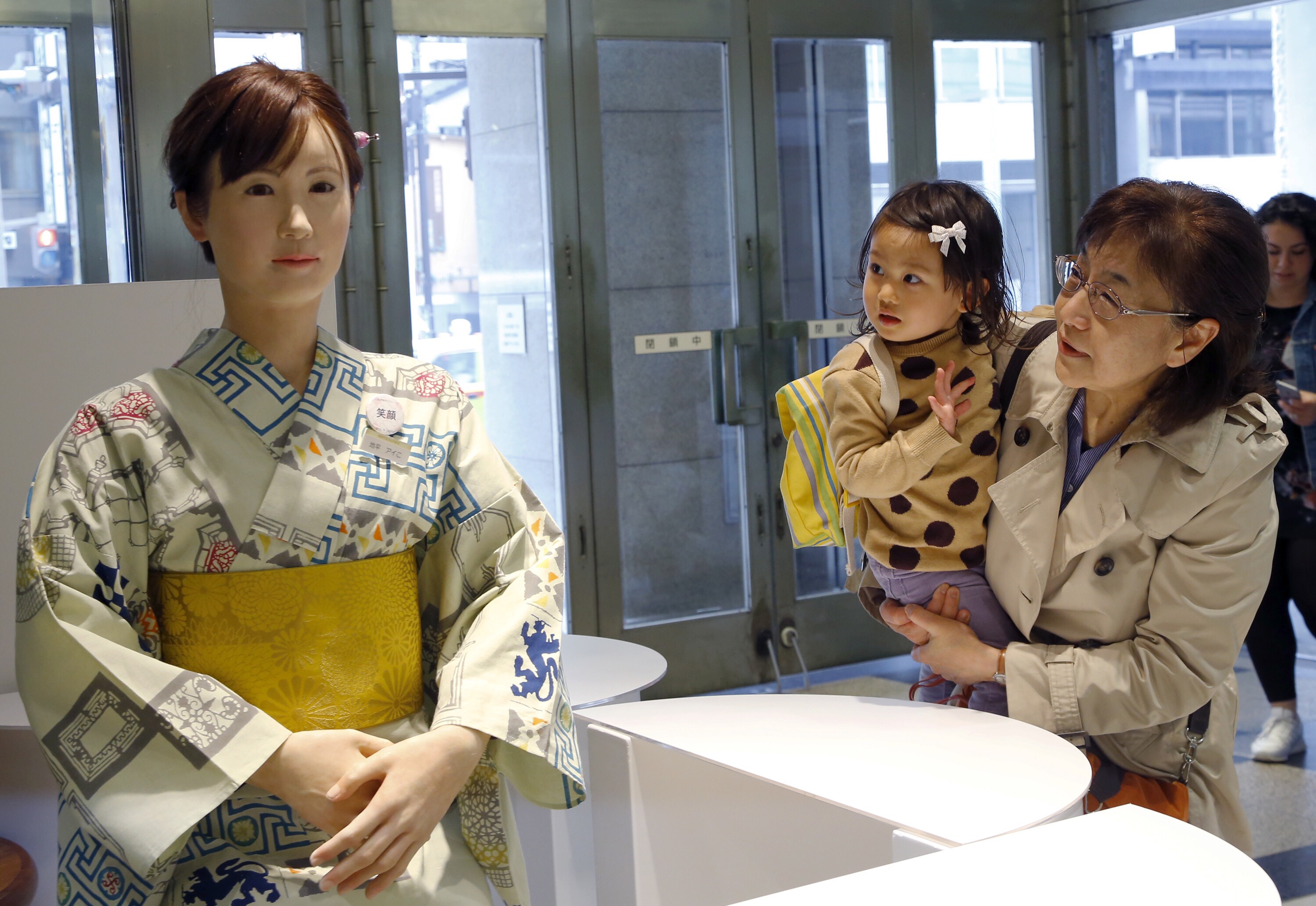
Undoubtedly, Japan is so far, very advanced in terms of technology. I can easily travel anywhere using its hi-tech transportation system: the bullet train, the efficient and always on time local trains, subways, and buses. The world is just a touch away using my smartphone with a very fast and reliable internet connection and free Wi-Fi in big cities. There are hi-tech toilets, vending machines, automatic doors, and (some places in Tokyo) robotic receptionist which makes Japan a really awesome and very convenient place to live.
1. Travel and Leisure
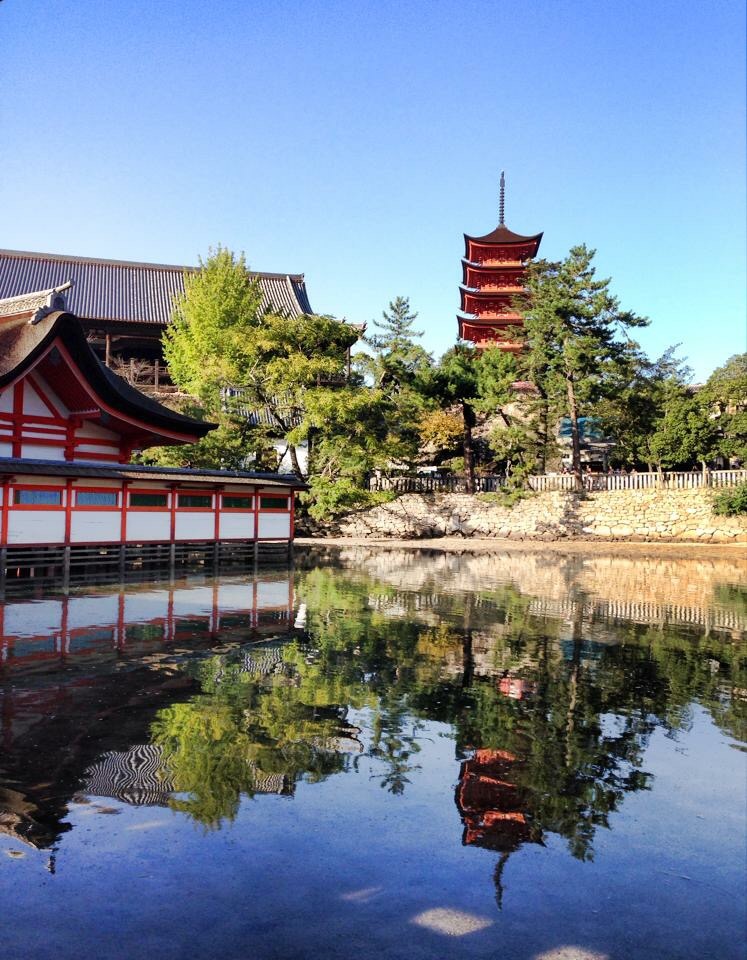
I took this photo in Miyajima
Most of all, living in Japan is like living my life on a grand vacation holiday. There are so many places in Japan worth visiting.
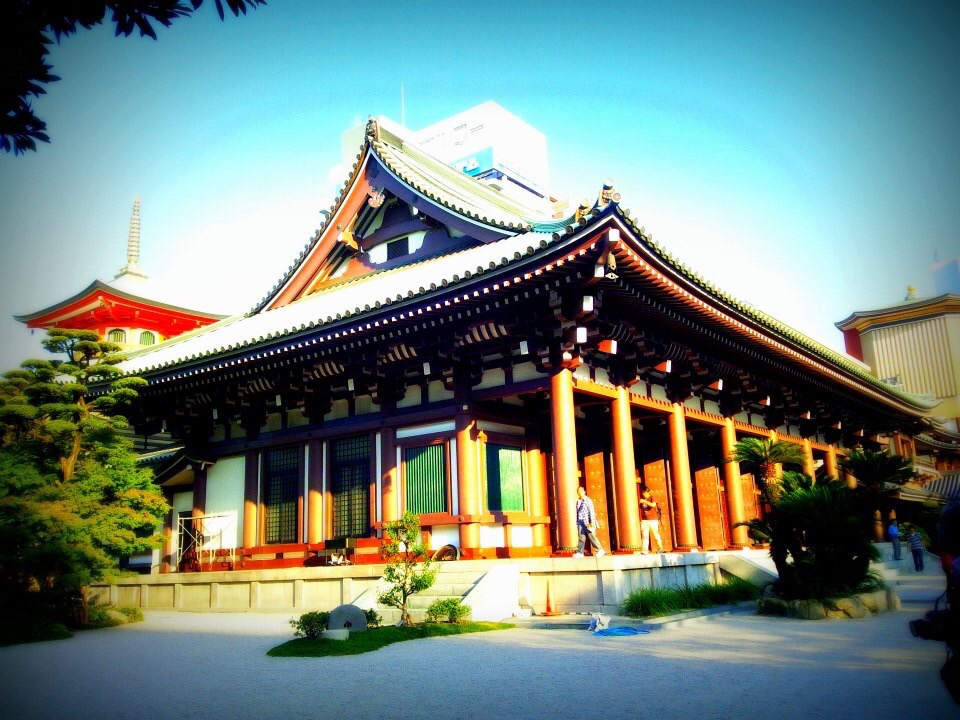
From the simple temples and shrines in my neighborhood to the grand ones in Kyoto (and many other places), the historic sites like Nagasaki and Hiroshima and the many world heritage sites scattered all over Japan. There are hot springs where I can have ultimate relaxation. The food is excellent and healthy. What else can you ask for?
“Love is a many splendored thing” as the popular old song goes. There are so many definitions of love. I bet you know more than three. I consider it as the universal language of the soul; the core of humanity; the essence of existence. Whoever you are, wherever you are from, we all feel and express love. But, how do you express it? There are so many ways to express it, and one of them is basically, by saying the magic words “I love you.”
Magic words or abused words?
kevinriner.com
In some countries, the words “I love you” is often used. Not only couples and family members use it, but even friends do, too. It is always flowing, always abundant. Sometimes, it can change a woman’s bad mood to good mood in a snap like magic. It is not unusual to use these words upon waking up, leaving to work, as ending to a couple’s phone conversation, or in any random occasions, such as expressing thanks to a favour granted by a friend. “Oh, I love you! You are a very generous friend! I can always lean on your shoulders when times get rough”, with matching hugs and kisses. Too often used, these magic words, becomes abused words.
Saying “I love you” in Japan
funmozcar.com
In Japan, saying “I love you” is quite different. The literal translation of “I love you” in Japanese is “Ai shiteiru”. However, “Ai shiteiru” is rarely used. Love in Japan is expressed in a varying degree.
1. Suki.
“Suki” literally means like or fondness. It is used to express your fondness about something (things, food, hobbies, etc). “Ringo ga suki” (I like apples), “Sakka ga suki” (I like soccer), “Nihon ga suki” (I like Japan). If you meet someone and you think you like her or him, you may say “Kanojo ga suki” (I like her), “Kare ga suki” (I like him). This is very casual expression of liking and may be used during the first stage of dating.
2. Daisuki
davidshigure.deviantart.com
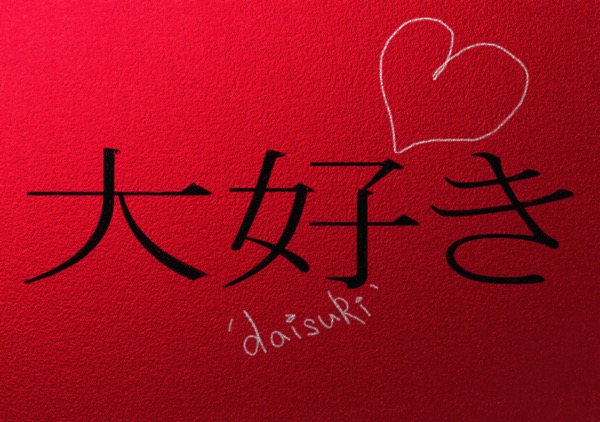
“Dai” means big and “suki” means like, therefore in a literal meaning, “daisuke” means to like very much; In English we may say “I’m crazy about animes”, in Japanese that is “Anime ga daisuki”. It is a step higher than the less casual “suki”. It is important to point out that “daisuki” also means “I love you”. In actuality, it is more often used by couples to express love rather than “ai shiteiru”.
3. Ai shiteru
coolchaser.com
“Ai” (love) is considered a very special word in Japan. So special like a precious and expensive kimono inherited from the great, great ancestors. So special that you should not use it every day. It is only used for a few important occasions. “Aishiteiru” is rarely used, like wearing kimono only during a rite of passage. It is used with great caution so as not to ruin its authenticity. So, when Japanese say “ai shiteiru”, it means they’re very serious, very real, and often said in private rather than in public. That’s why they prefer to say “daisuki” to (maybe) preserve the meaning of real love and don’t lose its meaning. Do you agree?
Special Note:
When a Japanese guy wants to be a girl’s boyfriend, he might not say “daisuki” rather he will say “tsukiate kudasai” (Be my steady date./Go out with me.)
“Life is like a box of chocolates, you will never know what you’ll get”. “Love comes from the most unexpected places.” These two sayings remind me of the love story of my friend who thought will never find someone to love and to love her, but when she came to Japan, her black and white love story came to life in a colorful surprise.
The Princess
My friend’s photo
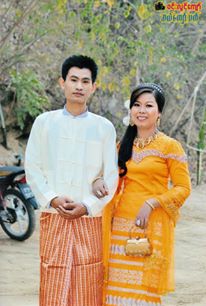
My friend, let me call her Princess (as she is the princess of her own love story), was my closest buddy during my student life in Japan. We met on the first day when we came to Japan. We were under the same scholarship program, studied in the same university and lived in the same apartment building ( we lived next door to each other). Upon meeting her on the first day, I felt close to her right away even though we were totally strangers and came from different countries. She have this calming feature, very kind and calm appearance. She has long black hair and a natural tanned skin. A very simple thirty-year old lady. She is a high school teacher in her country, the youngest and the only daughter among three children. In her country, she told me that her routine was school and home, home and school and that she never had a boyfriend ever since. She focused her attention on her career and came to Japan to study for professional advancement. One time, she told me that she might not marry at all because she finds herself unattractive and no man will love her for real. …But she was definitely wrong.
The Prince
my friend’s photo
The Prince in this story, is a 27 year-old guy from the same country where my friend comes from. A scholar like us, he studied in the same university and also lived in the same apartment compound where we lived, but in a different building. This guy, like my friend, had never had a girlfriend ever before. He is tall and has a slim body type. He seldom talks and always have this shy look in his eyes. But when my friend gets in trouble, like that one time when she needed a laptop for our presentation, he was always there to help. Small things like how to use the (Japanese) washing machine, air conditioner, etc, he was always the hero. That’s how they get closer and closer.
How they met
Author’s photo
Our Kaikan (international students’ dormitory) was huge. There were seven buildings named A to G. About a hundred international students were housed in that dormitory. In our Kaikan, it was common for the residents (usually people from the same country) to get together and have cooking parties on weekends. It is hard when you live abroad by yourself and there are times you really get homesick so having friends around who speak your language and eat the same food is a great relief. That is how they first met. They never met in their own country but they met in Japan. It was an instant attraction like two searching souls who have finally found their mates. But it was hard at first, because both of them are kinda shy and no experience. But when love moves, it moves mountains. They started first as friends sharing experiences, to close friends helping each other and then after a few months, to first-time lovers.
The Present
My friend’s photo
To make the long story short, after a year and a half of studying and dating in Japan, they’re now both back in their country. They had finished their scholarships. They did not only get the educational advancement they came for in the first place in Japan but they also have found the love they’ve been waiting for. At present, they just celebrated their first wedding anniversary . the Princess and Prince living happily ever after.