All About FoodAnything Under the SunDiaryJapanJapan LivingPhilippines
Halo-halo in Japan

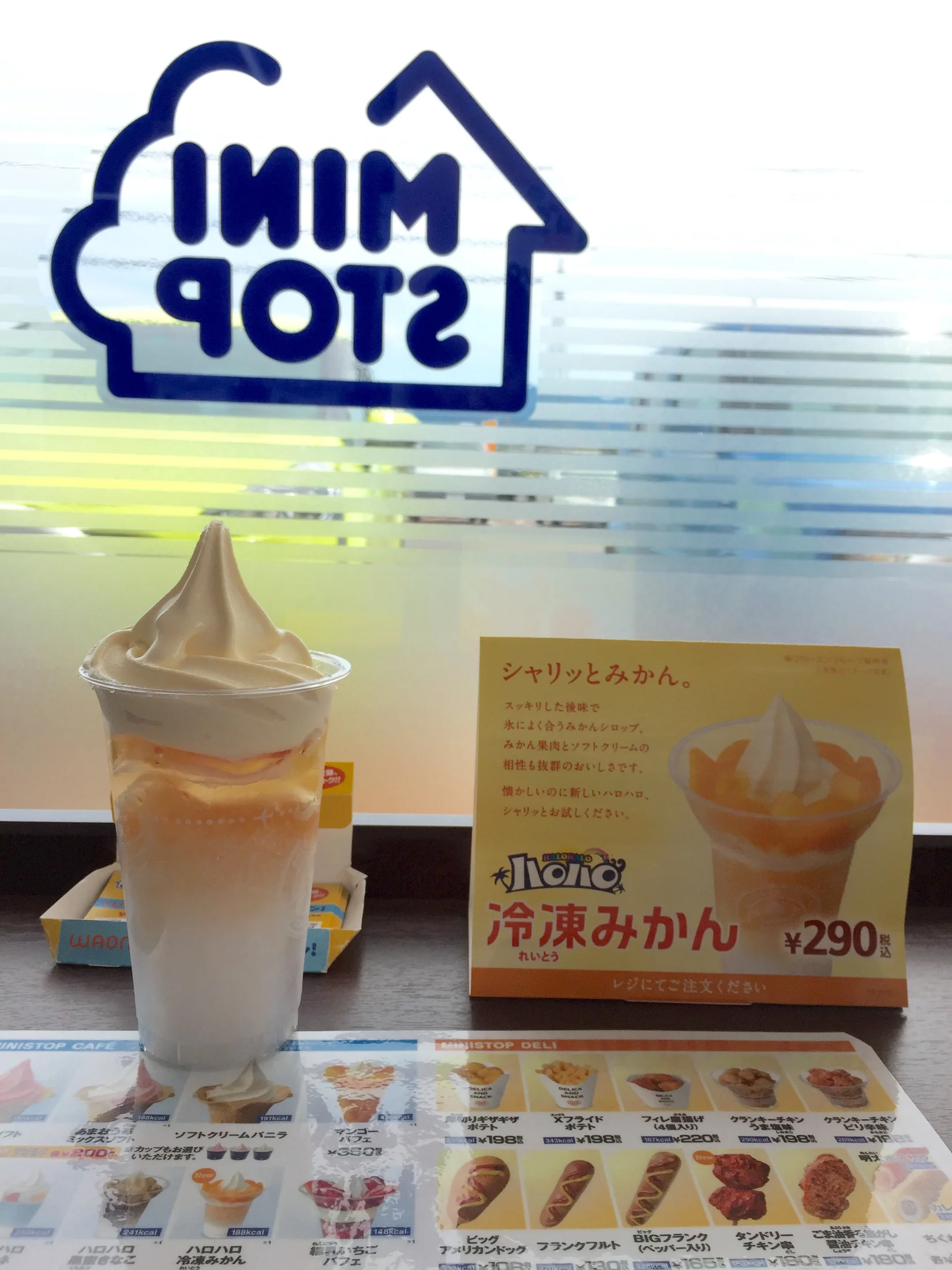
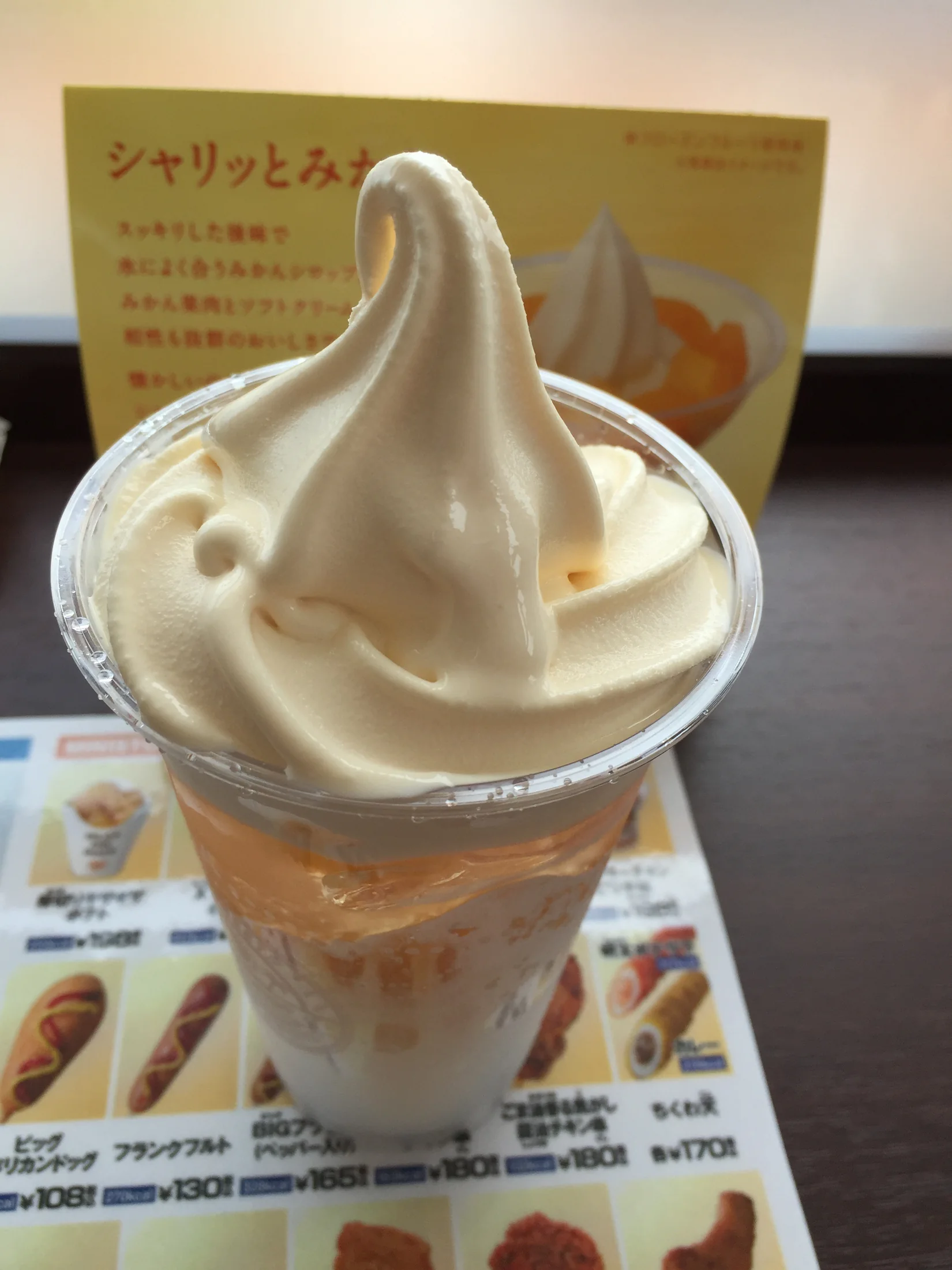
I was a little bit disappointed because I was expecting to have the kind of Halo halo that I know.
Instead, what I got is the one below.
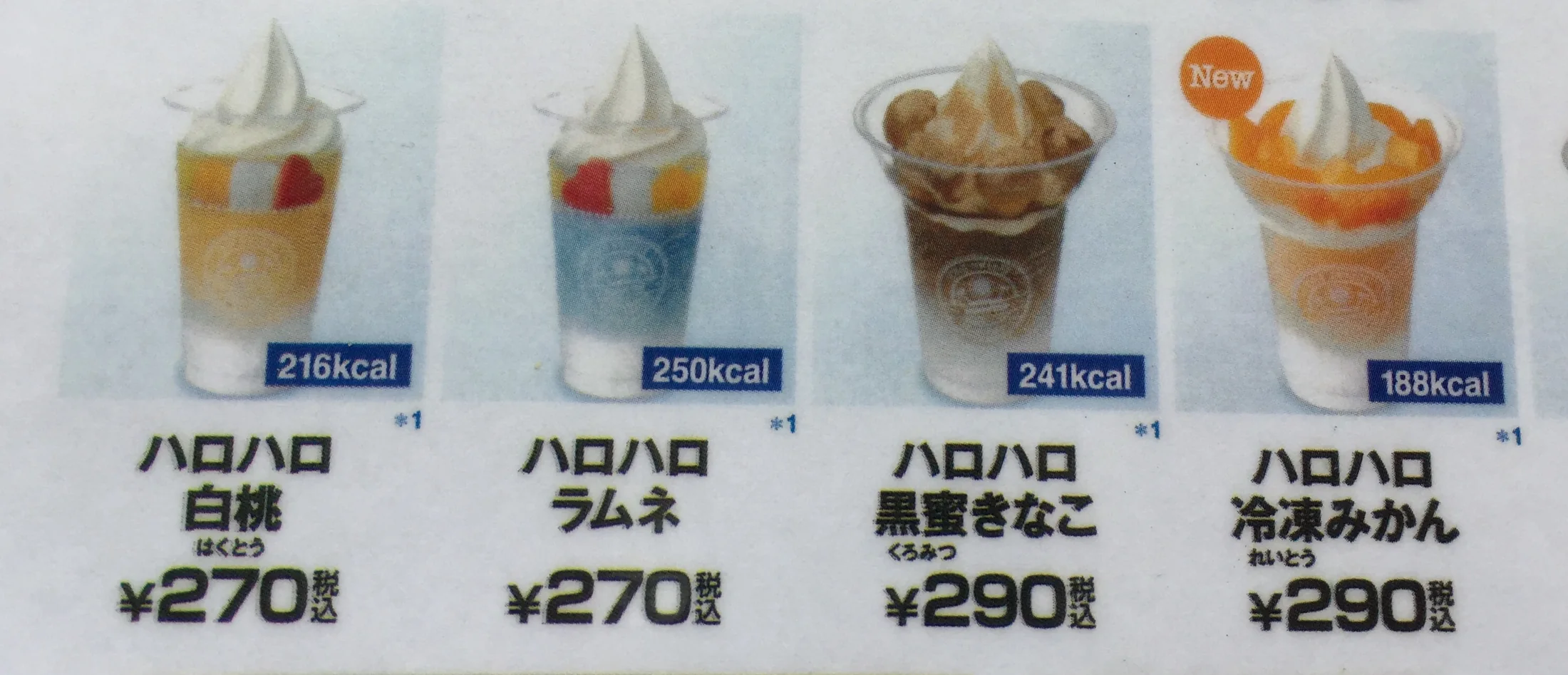
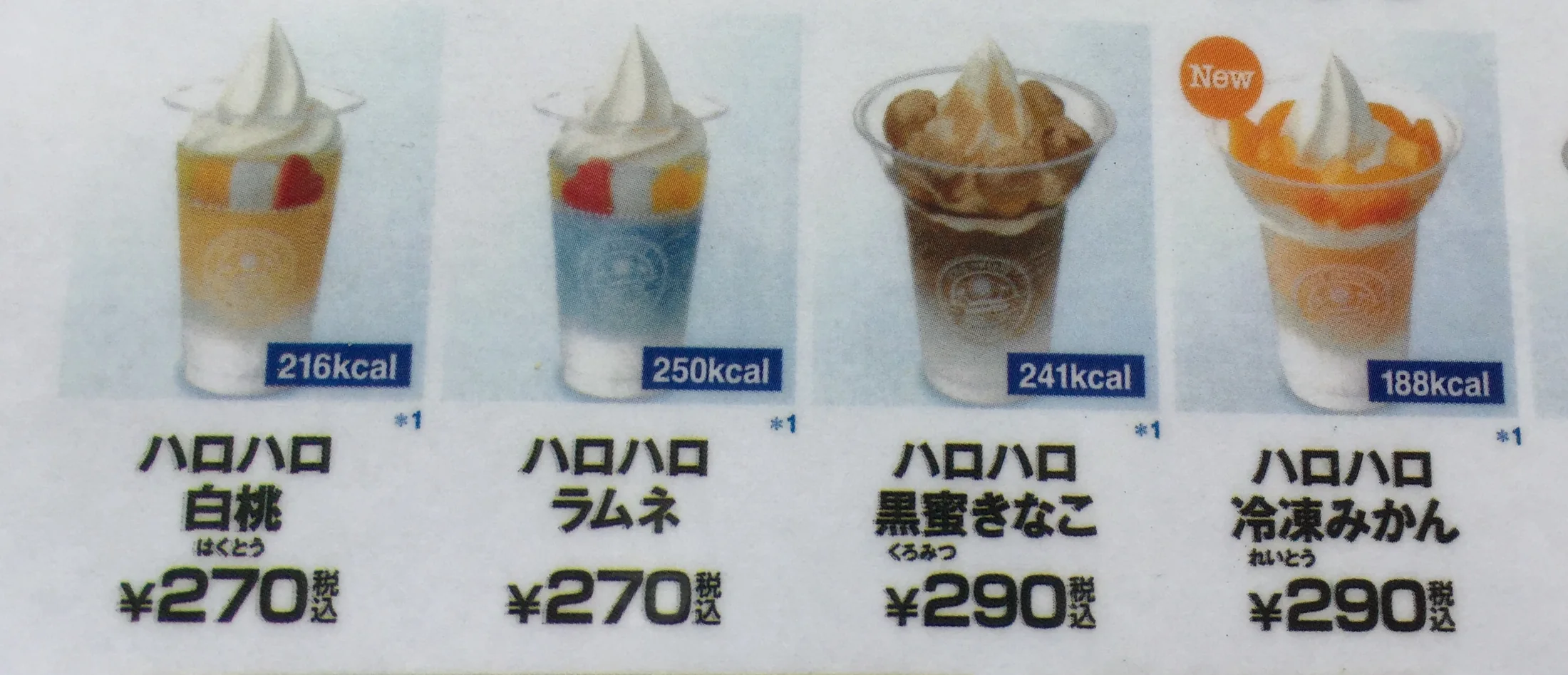
There are four choices of Halo halo in Moni Stop. From left to right: Halo halo hakutou (white peach), Halo halo ramune (lemon soda), Halo halo kuromitsukinako (soybean in blackhoney?), and Halo halo reitou mikan (frozen oranges). I got the the first one on the left. It cost me ¥270 yen. It’s far from what I know Halo halo is but it’s good as what it is.
Philippine Halo halo
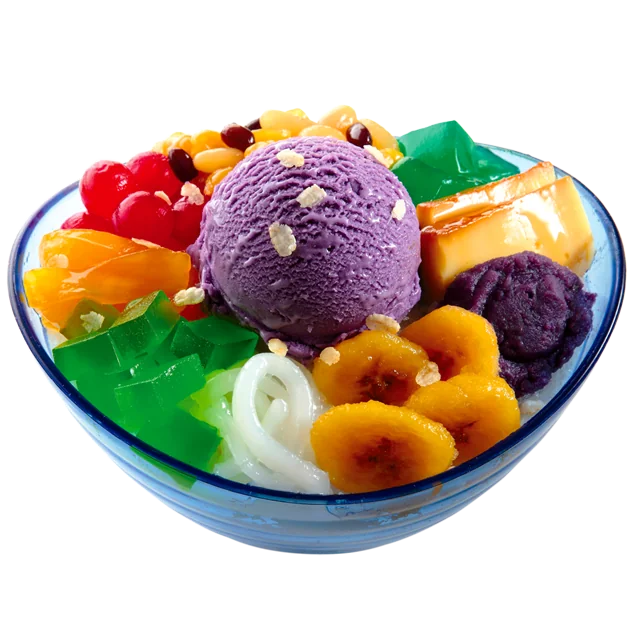 Halo halo is a famous dessert in the Philippines. It is made of finely crushed ice, top with fruits (usually jackfruit, banana, avocado,) sweet corn, red and green gelatin, ube, nata de coco, sago, sweet buko (coconut flesh), sweet beans, cornflakes, sugar, milk and finally ube ice cream on top. Halo means mix in English. You have to mix it before you eat it to enjoy this awesome dessert at its best.

One serving of Halo halo is about ₱40.00 equivalent to about ¥100.00. “Yasui!!!”, means cheap. As what my students said.
Reader responses