All About FoodAnything Under the Sun
Whale for School Lunch and Other Stories of Food Culture Shock

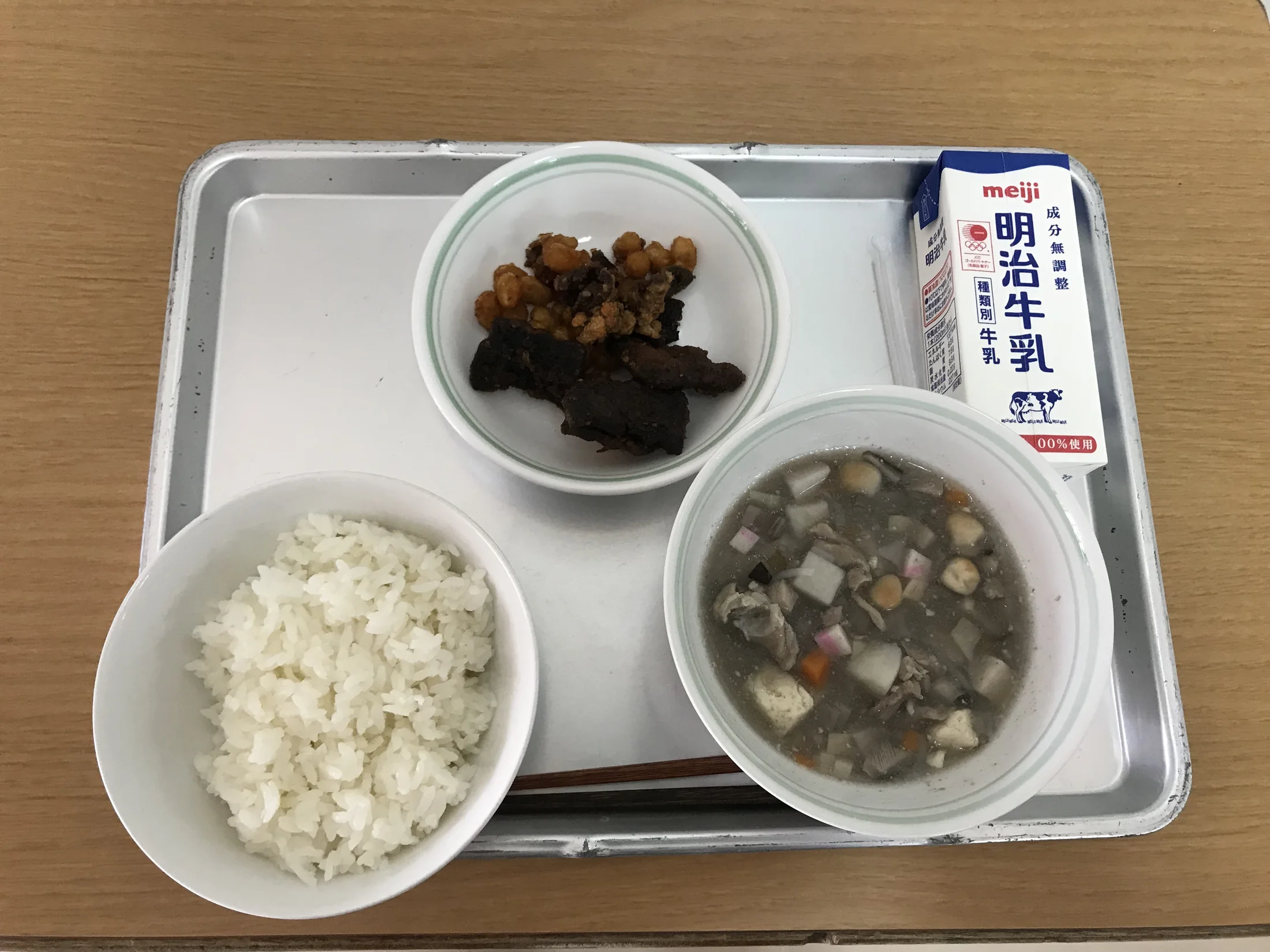
Yes. I had whale for school lunch! It was a shock for me. I heard the teachers say ‘kyou wa kujira da ne’ (today is whale) during lunch preparation. I help in setting up lunch for non-adviser teachers. And that day, I was the one serving the main dish, which was, yeah, you guessed it right, whale.
I said ‘hontou desu ka?’ (Is it really?) and they confirmed it, yes. I didn’t know what to do at first. It was in front of me. I don’t know. I’m not a picky person when it comes to food but when I think of whales, I think of Free Willy, the movie, and I consider whales as some sort of pet. And isn`t it they`re considered as endangered now? I know I have to do more research about this but that exact moment I couldn`t imagine myself eating it.
I found myself in a predicament. I can’t be saying no. I’m in Japan and I’m in school as a teacher. Japanese are very particular about eating what’s on your plate. You have to eat everything on your plate like it is washed and cleaned. Nothing should be wasted.
One of my co-teachers said ‘If you don’t like it, just put it back, it’s okay’, but no. I’m not doing that. I have to be a Roman since I’m in Rome. So, I said it’s okay. I’ll just think it’s a fish, a big fish.
And so I went to my assigned classroom to eat lunch with students. Everyone seemed fine and enjoying their lunch. I was scared at first bite but it was not really bad. It was good actually. It tasted almost like chicken. Or something like beef. Something like tuna black meat.
The next time my school will serve kujira for lunch, my reaction will not be the same for sure. There is always first time for everything and that was mine for whale meat. And the interesting part is that it happened in the school.
Basashi
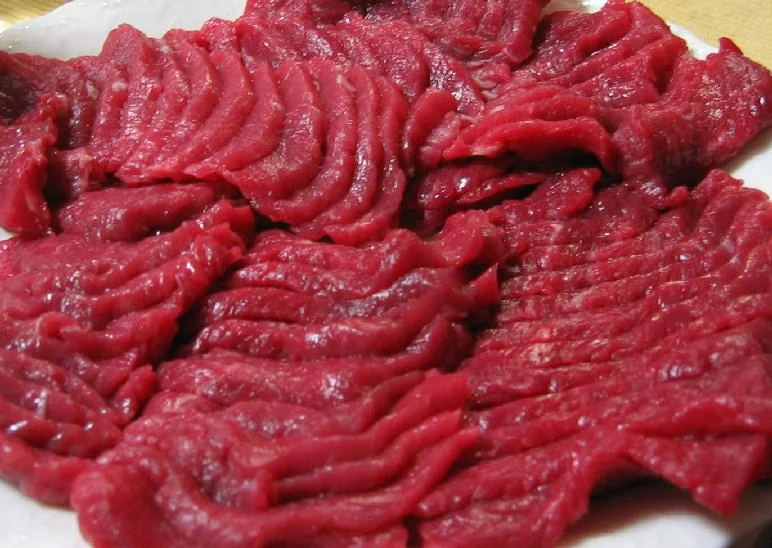
That situation reminded me of the first time I had basashi (horse meat), only that it was a little bit different. I was having a good dinner at my sister`s house and they were serving sashimi of different kinds of fish. And then, they served something they called `special sashimi` on the table and they let me try it. It was good and after a few more bites, I was told it was horse meat. And you can imagine my face like I have a straight mouth that extends up to my ears. I was enjoying the food until I was told what it was. And that was because of the image I had in my head, that horses are pet. They provide some sort of transportation in my father`s hometown, bukid, as we call it in our language. The taste was not bad, it was good, and I never heard of any Japanese died from eating basashi. Basashi is in fact, one of the most expensive kind of sashimi.
How about in China?
When I was in a Japanese class of eight students, each of us came from different countries (Philippines, Myanmar, China, Thailand, Laos, Egypt, Iran, and Malaysia), I learned many things about the differences in food culture. I remember one day when we had the topic `Breakfast in my Country`, my Chinese classmate showed us a map of China showing the different regional specialties. We were surprised to see pictures of animals in the map that we considered pet (cat) or dangerous (scorpion), but for them they consider it is a delicacy. I couldn`t tell if it was a joke or for the sake of fun when she mentioned that they eat anything in their country.
Lechon
Photo unavailable in the source archive.Balut
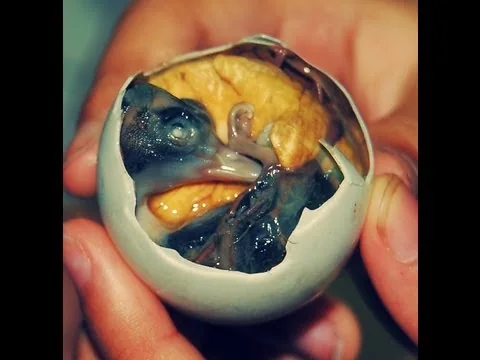
The same with balut (duck egg with embryo). For most non-Filipinos, eating balut is gross. As in GROSS. Well, not all Filipinos like balut but I have to tell you, I do eat balut and most of us in my family like it. It`s good and nutritious. You should try. 🙂
It is very interesting to talk about differences in food culture. I will talk about it more in my next article.
Reader responses