Tag: Japan

  • 3 Things to Look Forward on Rainy Days

    3 Things to Look Forward on Rainy Days

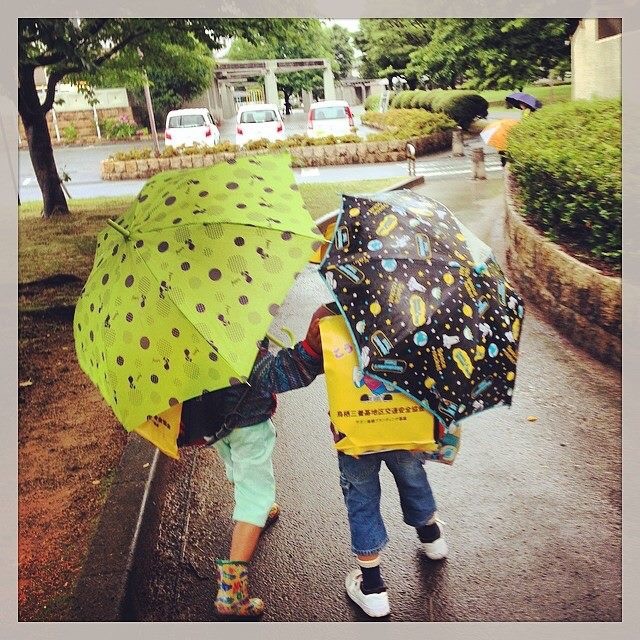
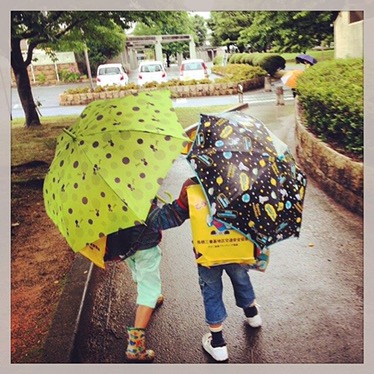
    Rainy days are here again. In most parts of Japan, rainy days start around the beginning of June and last up to about six weeks. The amount of rainfall varies from day to day. Some days will have few showers and some days will have a really heavy downpour. One rainy day, when I was going home from school, it rained so hard that it flooded on the streets. One student even had his umbrella broken. The playing field turned into a shallow lake. To my amazement, I took a video (even though I was in a difficult situation.) Here’s the video link if you want to see it. http://youtu.be/bzV5lZFF62g  
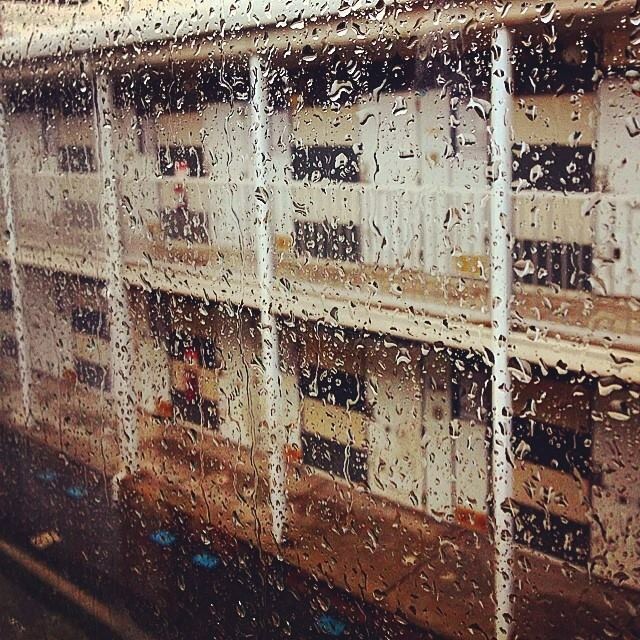

    Many of us don’t like rainy days. It’s dark. It’s wet. It’s gloomy. I really don’t like going outside when it rains. It’s a nice time to just sit and relax, read a book or watch tv and be a couch potato. But, just imagine doing this for the whole duration of tsuyo as what they call it in Japan. What a waste!

    Rainbows
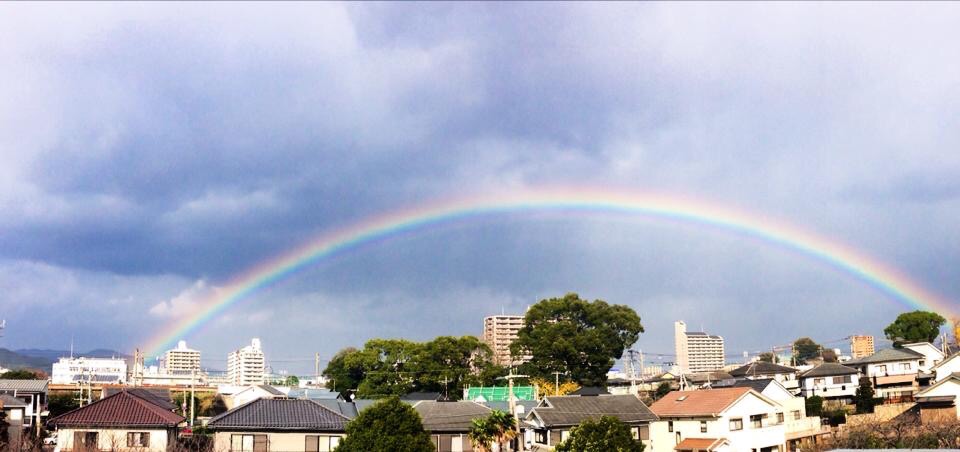
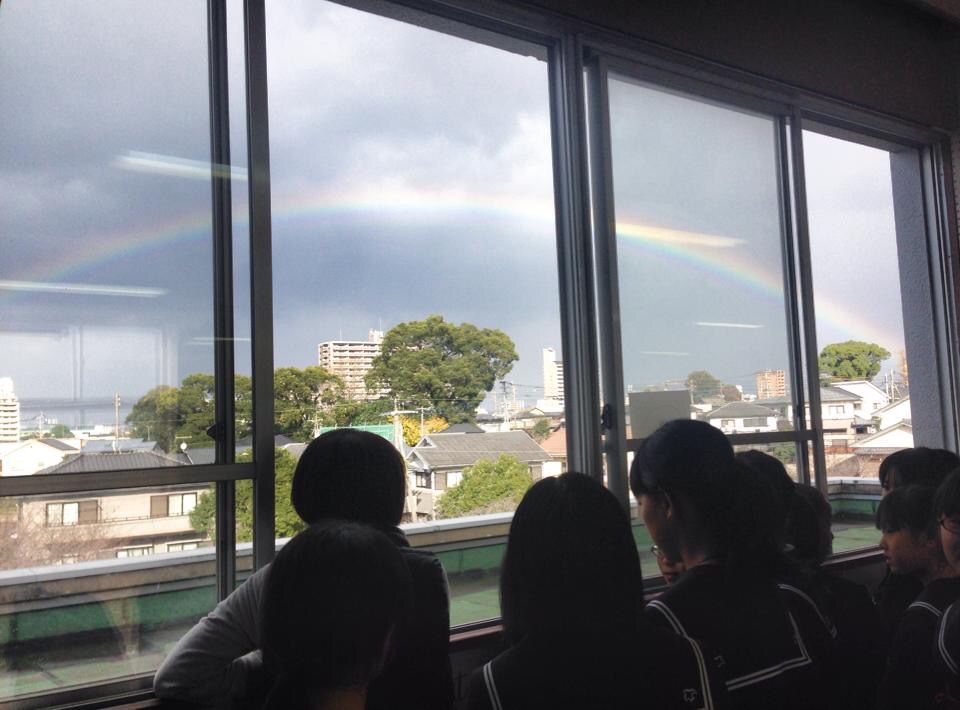
    So, what to do? There is a saying that says, “There is a rainbow after the rain.” Literally, yes, it’s true. I have even seen a double rainbow here in Japan. Not only once but many times. And to think, I have never seen a double rainbow in my own country in my 30 plus years of existence on earth! Isn’t that nice? Yes! Rainy days are not that bad after all. (You may get to experience things you haven’t experienced before).

    Ajisai
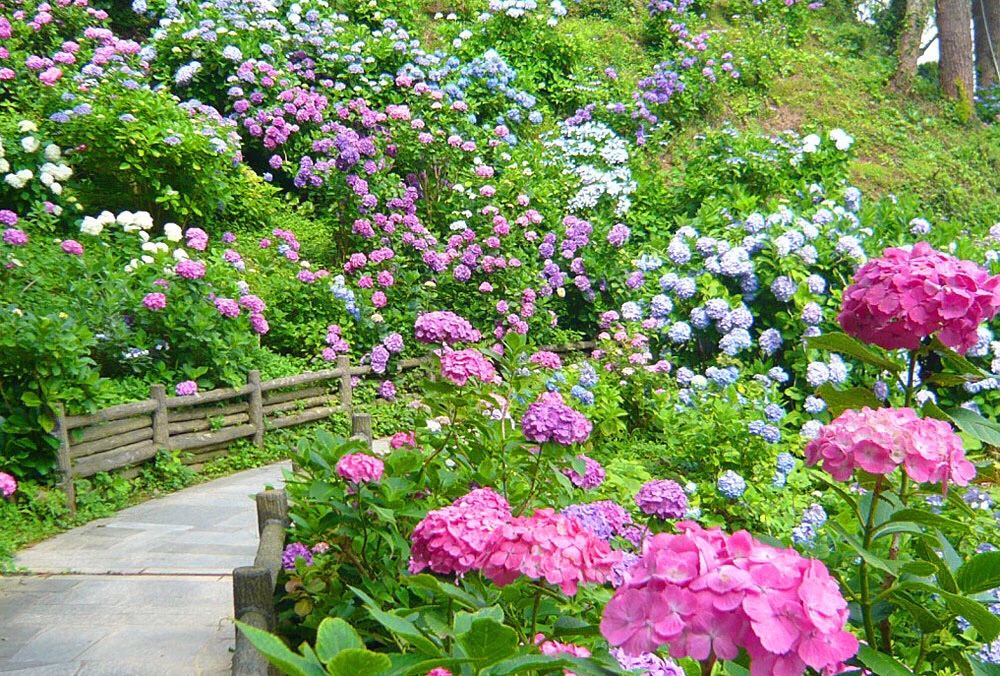
    namebio.org


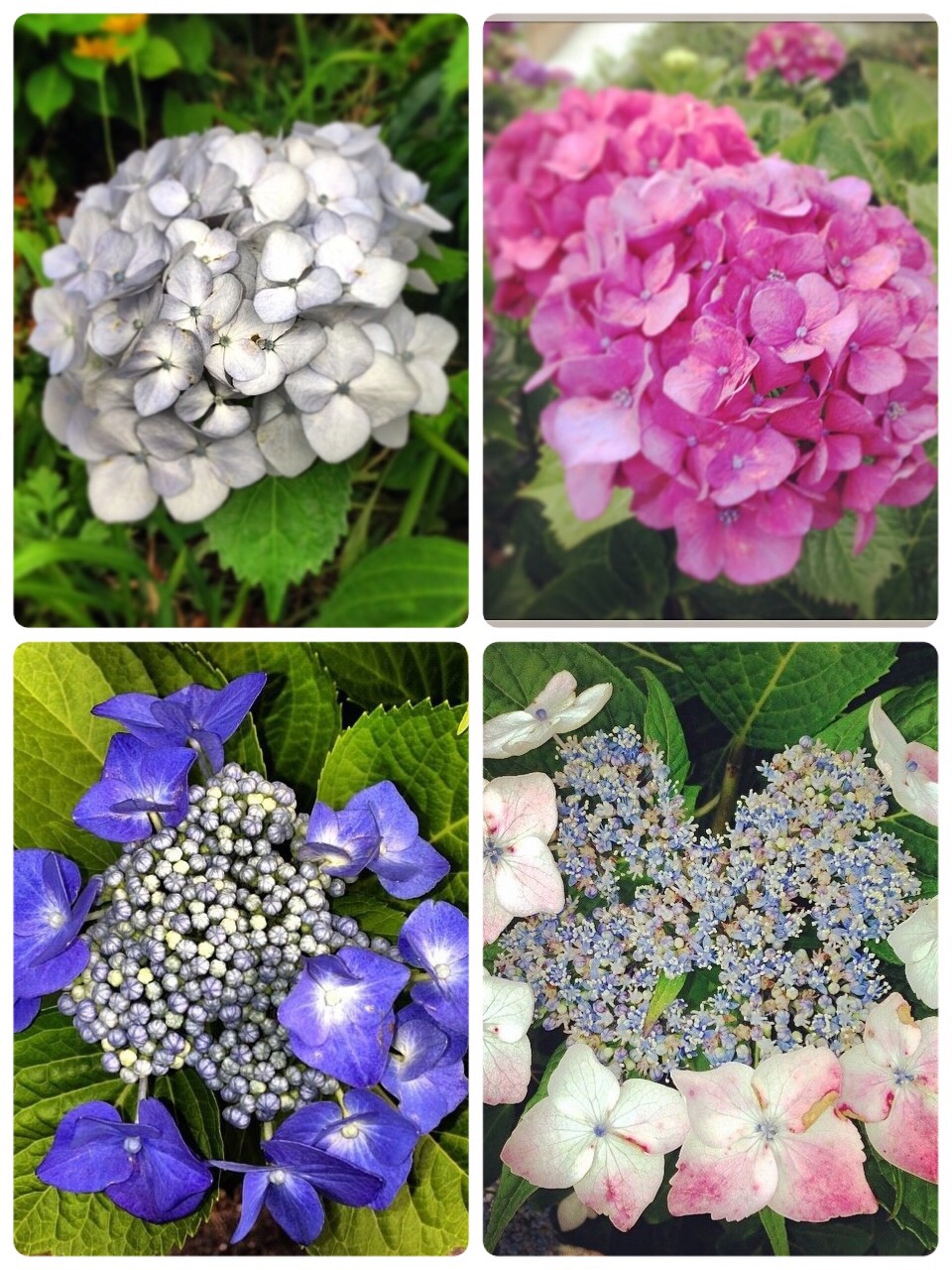
    And what more? Of course, there is the rainy season star of the garden – the ajisai or hydrangea. Hydrangeas bloom during rainy season. There are many varieties of hydrangeas and they grow everywhere. They bloom so beautifully they make the rainy days so colorful. Take a walk and you will see them on the roadside or in the neighbors’ garden. I so love hydrangeas and that makes me look forward to the rainy days.

    Firefly Festival
    mymodernmet.com

    huffingtonpost.com
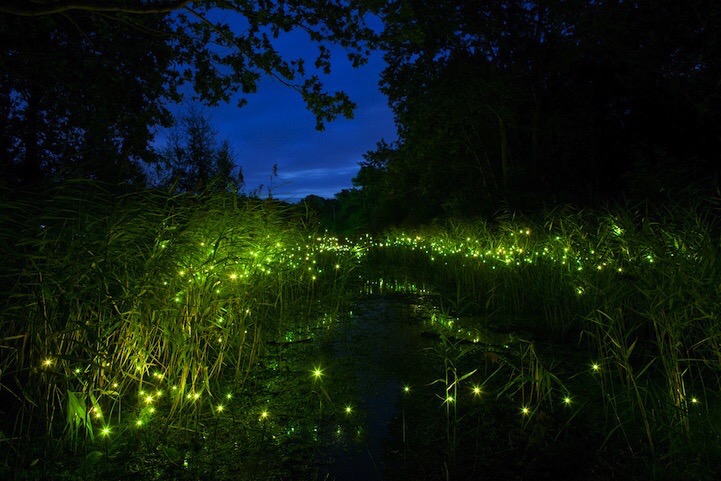
    Fireflies. Amazing little creatures. Imagine yourself watching thousands of fireflies glittering in the dark night on an occasion they call
    Hotaru Matsuri. I’ve never been to a firefly festival but tomorrow (June 5,2015) I will. I used to live in a big city in Fukuoka Prefecture before and the access to places which hold Firefly Festivals were difficult. But now that I live in a countryside, with the Hotaru matsuri just a 20-minute bus ride away from me. I’m not gonna let this opportunity to escape. If you happen to live somewhere close to Miyawaka, come, let’s go to Hotaru Matsuri in Wakita, Miyawaka.

    224-1 Wakita, Miyawaka, Fukuoka Prefecture 822-0133

  • How to say “I love you” in Japanese

    How to say “I love you” in Japanese

    What is love?
    iloverelationships.com

    “Love is a many splendored thing” as the popular old song goes. There are so many definitions of love. I bet you know more than three. I consider it as the universal language of the soul; the core of humanity; the essence of existence. Whoever you are, wherever you are from, we all feel and express love. But, how do you express it? There are so many ways to express it, and one of them is basically, by saying the magic words “I love you.” 


    Magic words or abused words?

    kevinriner.com

    In some countries, the words “I love you” is often used. Not only couples and family members use it, but even friends do, too. It is always flowing, always abundant. Sometimes, it can change a woman’s bad mood to good mood in a snap like magic. It is not unusual to use these words upon waking up, leaving to work, as ending to a couple’s phone conversation, or in any random occasions, such as expressing thanks to a favour granted by a friend. “Oh, I love you! You are a very generous friend! I can always lean on your shoulders when times get rough”, with matching hugs and kisses. Too often used, these magic words, becomes abused words. 


    Saying “I love you” in Japan

    funmozcar.com
    In Japan, saying “I love you” is quite different. The literal translation of “I love you” in Japanese is “Ai shiteiru”.  However, “Ai shiteiru” is rarely used. Love in Japan is expressed in a varying degree.

    1.      Suki. 

    “Suki” literally means like or fondness. It is used to express your fondness about something (things, food, hobbies, etc). “Ringo ga suki” (I like apples), “Sakka ga suki” (I like soccer), “Nihon ga suki” (I like Japan). If you meet someone and you think you like her or him, you may say “Kanojo ga suki” (I like her), “Kare ga suki” (I like him). This is very casual expression of liking and may be used during the first stage of dating.      

     2.      Daisuki

    davidshigure.deviantart.com

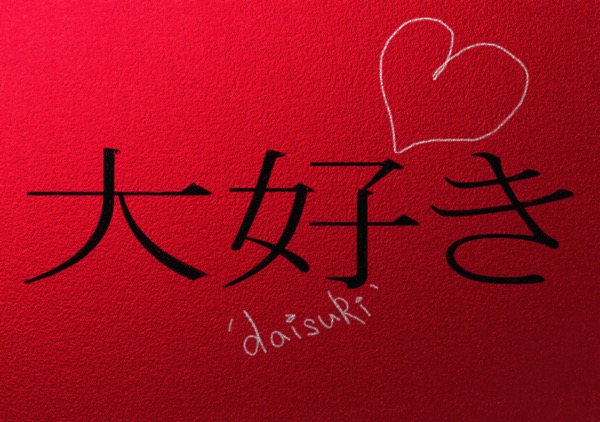
    “Dai” means big and “suki” means like, therefore in a literal meaning, “daisuke” means to like very much; In English we may say “I’m crazy about animes”, in Japanese that is “Anime ga daisuki”. It is a step higher than the less casual “suki”. It is important to point out that “daisuki” also means “I love you”. In actuality, it is more often used by couples to express love rather than “ai shiteiru”. 

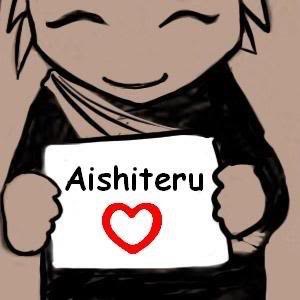
    3.      Ai shiteru        

     coolchaser.com

    “Ai” (love) is considered a very special word in Japan. So special like a precious and expensive kimono inherited from the great, great ancestors. So special that you should not use it every day. It is only used for a few important occasions. “Aishiteiru” is rarely used, like wearing kimono only during a rite of passage. It is used with great caution so as not to ruin its authenticity. So, when Japanese say “ai shiteiru”, it means they’re very serious, very real, and often said in private rather than in public. That’s why they prefer to say “daisuki” to (maybe) preserve the meaning of real love and don’t lose its meaning. Do you agree?


    Special Note:

    When a Japanese guy wants to be a girl’s boyfriend, he might not say “daisuki” rather he will say “tsukiate kudasai” (Be my steady date./Go out with me.)


  • Why do so many Japanese commit suicide?

    Why do so many Japanese commit suicide?

    We have seen and heard it in the news. Not once, not twice, but many times. They do it in the privacy of their rooms. Or in a far-away mountain where no one can see. But, worse, within the public’s eyes like in trains, and the latest, in the zero-accident but now tarnished record shinkansen, where most likely innocent people could be affected. In the latest high profile suicide act committed inside the Shinkansen, one innocent passenger also died due to suffocation. Many Japanese has committed suicide. But, why? Why in such a beautiful country would some people chose to end their lives? I’ve tried to search for some answers to this query and let me share the answers with you.
    worldknowing.com

    1. Overrated 
    etsy.com

    Suicide happens everywhere. A sad fact that some people on their individual struggles on this lovely earth choose to not continue fighting and make a permanent rest. “Jisatsu” as called in Japan, suicide is a universal occurrence. Japan is not alone. And more importantly, Japan is not the leading country with high suicidal rate. In fact, Japan is only at the eighteenth out the twenty-five countries with the world’s highest suicidal rate. On the fifth spot is Lithuania, Sri Lanka fourth, South Korea third, North Korea second, and Guyana on the top (http://list25.com/25-countries-with-the-highest-suicide-rates-in-the-world/2/). Japan  is not even in the top ten list.

    In my own opinion, it might be because Japan’s crime rate is really low and the news companies has nothing else to talk about but the self-inflicted crime such as suicide. In other countries, there are more pressing issues in the society that talking about those who commit suicide takes a back seat. Media plays a big role about societal issues. The more the issue circulates in the media, the more it appears to be prominent than what it is in reality.

    2. Societal Attitudes
    Maybe you have read somewhere how good and harmonious the Japanese are. How well they follow rules as embedded in their “atarimae” culture. Atarimae in English means natural, reasonable. They do what is right because it’s “atarimae”. It is the natural thing to do. It is natural to throw garbage in the proper place. It is natural to fall in line and wait for your turn. It is natural to resign from your job when accused of something. And sometimes, it is natural to end your life when you are in trouble and the trouble you are in causes troubles to others. Like when a head of a company fails to do his job and put the company in a terrible situation. Or an old person suffering from a disease and needs to be taken care of by his family. They don’t want to trouble others so they chose to end their lives. Japanese also value honesty and integrity. That when they are put into a disgracing situation, a scandal that tarnishes their names and reputation, they find it very difficult to handle and impossible to repair. A situation that can only be escaped by disappearing. Of course, this does not happen to every Japanese. Only to a very few.

    3. Historical Values 
    io9.com

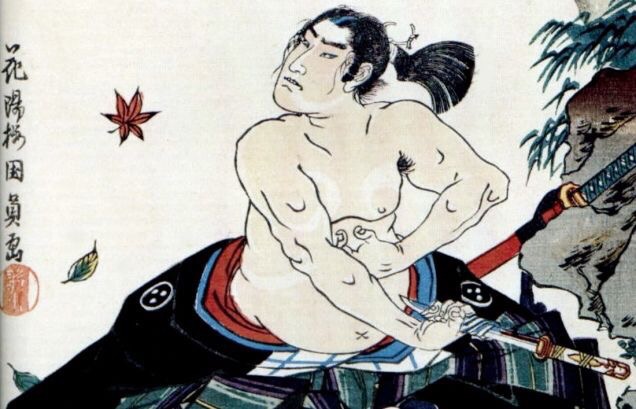
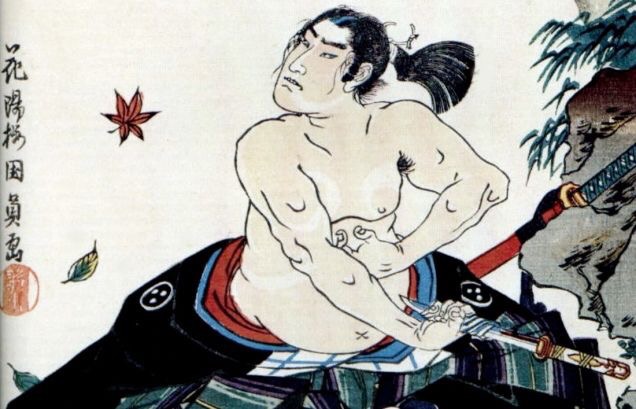
    In the old Japanese society, a ritual suicide by disembowelment called “seppuku” also called “harakiri” was formerly performed by Japanese samurai. Seppuku literally means “stomach cutting”. The samurai committing seppuku would use a small knife called a dagger and cut their stomach while another samurai acting as their second lopping off their head. This highly ritualized form of suicide, a part of samurai’s bushido (samurai’s way of life) was abolished as a capital punishment in 1873. But even after the abolishment, voluntary seppuku goes on in the military grounds. This behavior is said to be widely praised by propaganda. I bet this could be one of the reasons why some Japanese still commit suicide. It is in the culture. It is in the history.

    In the end, we cannot really tell the reasons why some Japanese commit suicide because I believe that the best person who can tell us is the person committing the act itself, which, unfortunately, is impossible to achieve unless you see them and talk to them in the other side of the world.

  • Sports Festival, the Japanese way

    Sports Festival, the Japanese way


    happystorm.x.fc2.com

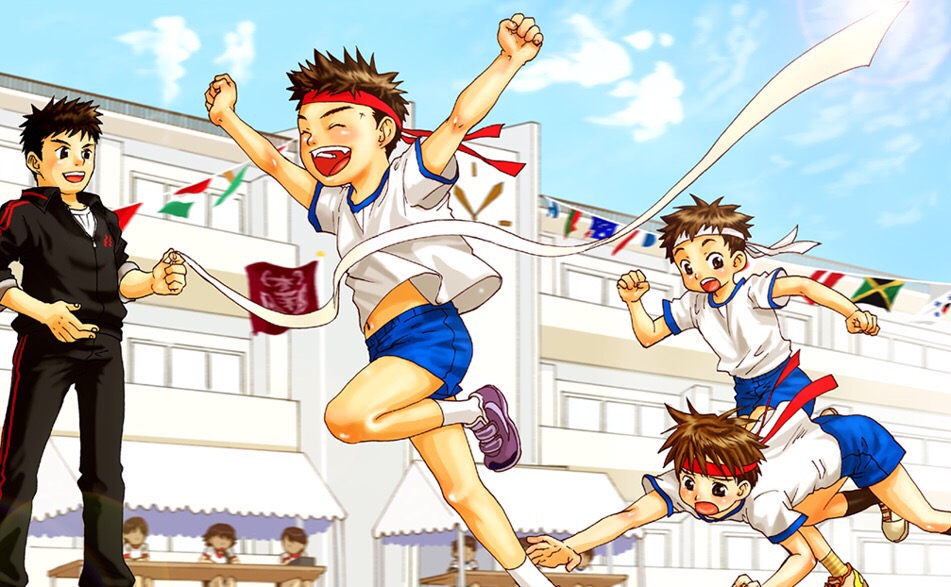
    Many schools are having their annual Sports Festival or what they call “undokai” (運動会). The entire school and the community, especially the teacher-advisers and students are pushing themselves very hard to come up with a very organized and fun undokai. Strenuous rehearsals are done many times a week.

    Everyone is looking forward to the big day, which is usually a Saturday or a Sunday. With all their might, strength and agility, kids perform in various events.

    1.      Oodama okuri 大玉送り

           tsubaki-e.esnet.ed.jp
    This is a really fun and exciting Sports Festival event and is sure to make you shout and tingle. Literally, “oodama” means giant ball and “okuri” means to send. Students are divided into teams (two-four) and are given a giant ball (colored according to their team) which they have to push with their hands above their heads starting from the front line to the back and forth in the shortest possible time. You can view this video and see how fun it is.
    http://youtu.be/X3VbYoO0P9k


    2.      Tama ire 玉いれ

    allabout.com.jp

    [wpvideo Yl64nq5b]

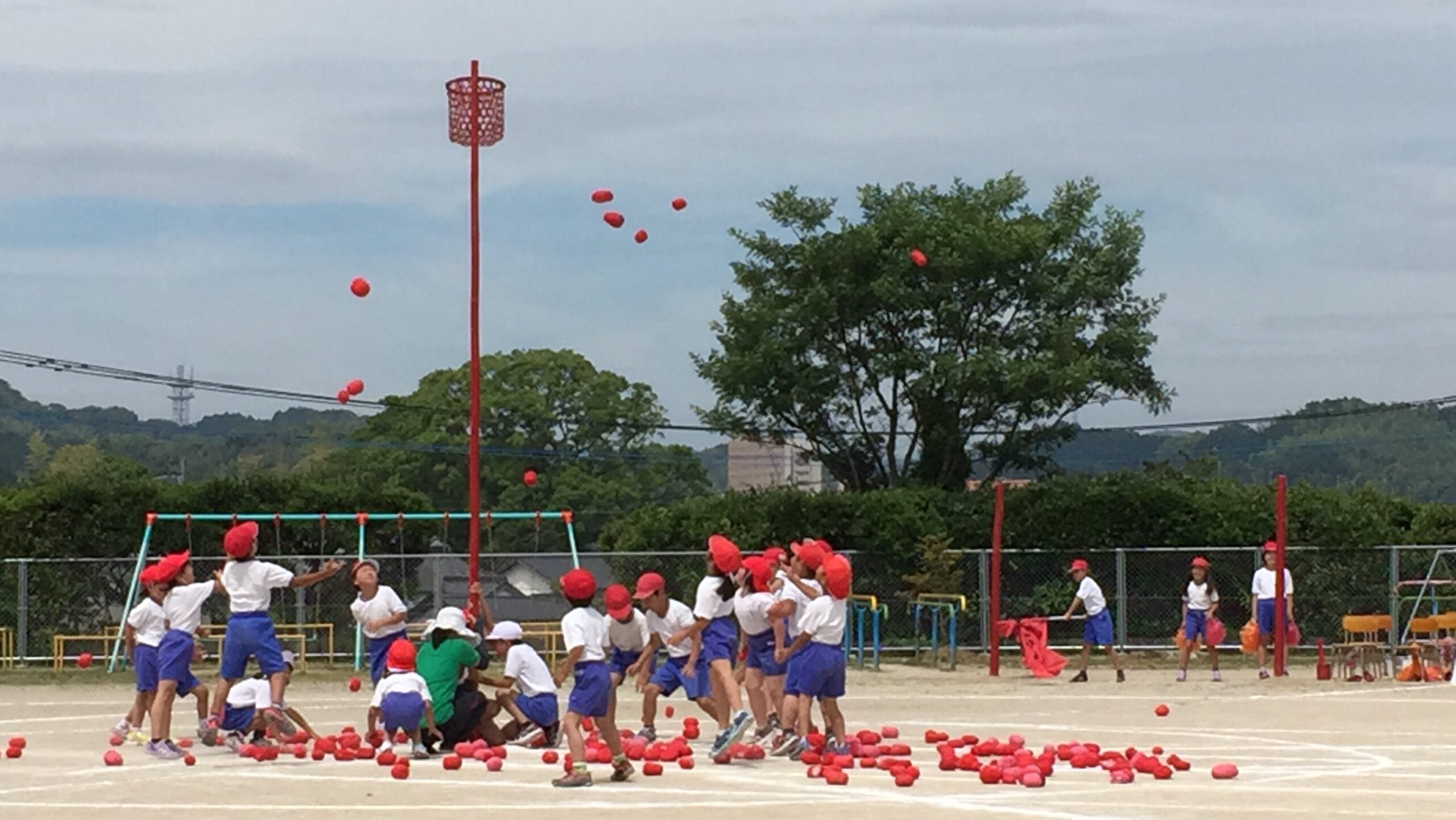
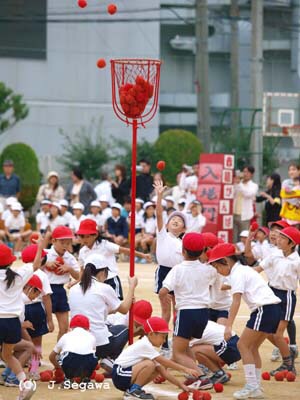
    ​Another fun event that uses ball, tama ire (ball-toss game) requires speed and accuracy. To explain, “tama” means ball and “ire” means to enter, it is a game which balls (usually made of cloth) are thrown into a basket on a high pole within a specified time. The team that has more balls in the basket wins. Watch the video here


    3.      Mukade 百足     

           ar75ts.exblog.jp
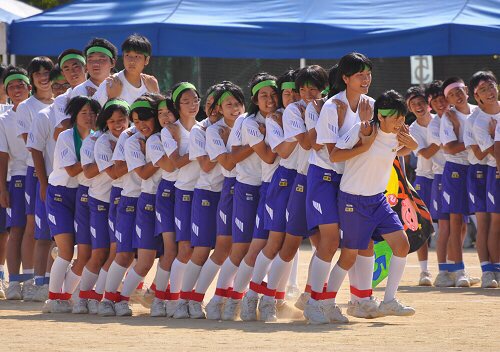
    “Mukade” means centipede. It’s not a game using that creepy centipede bug, so don’t be scared. It is centipede race. It is a running contest where students in the same team form a line or two and tie their legs together and run. Coordination and timing is very important in this game. Just imagine running fast with one of your legs tied to another leg.


    4.       Taifu no me 台風の目

          cms.edu.city.hiroshima.jp
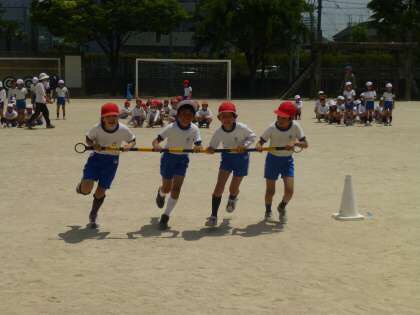
    The mechanics of this game is first, a group of students from a team carry a pole and then run as fast as they could and must rotate on a barrier twice like the eye (me) of a typhoon (taifu). I think that this is the only time that the word “typhoon” means fun.


    5.       Kumitaiso 組体操 

           hiromiphoto.com
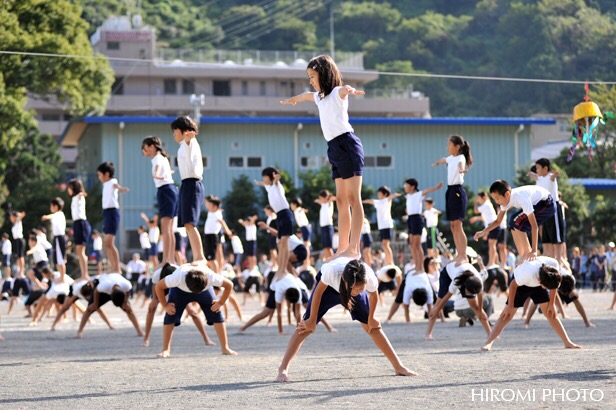
    I consider this as the ultimate event in the Sports Festival. Kumitaisou is a coordinated group gymnastics. It is breathtakingly awesome. It requires strength, concentration, coordination, teamwork and balance. Kumi組み means group, tai 体  means body, and sou操means maneuver. Watch the video and see for yourself.
    http://youtu.be/PEMdfqZFiR0

  • How to distinguish Japanese from Korean and Chinese

    How to distinguish Japanese from Korean and Chinese

    Can you tell if a person comes from a specific country? Before coming to Japan, I had no idea how to distinguish Japanese, Korean and Chinese from one another. I had quite a few experience (when I was in the university as an international student) of trying to speak Japanese to a fellow student who I thought is Japanese, but after all, turned out to be Korean or Chinese (who is new to Japan and cannot speak Japanese). To avoid future embarrassment of assuming someone is not, let me discuss their similarities and differences. This is according to my observations and the opinions of my friends with who I discussed the subject.

    twitter.com

    Similarities

    1. Skin.

    preview.ph

    Japanese, Korean and Chinese, generally, have the same skin characteristics. It is popular that their skin is more resistant to aging and that they have fair, light porcelain-like skin. It is due to extreme sensitivity to environmental factors and chemical effects of some products, which can disrupt the pH balance. For this reason, advertising about skin beauty care in Asian countries is very economical as Japanese, Korean and Chinese (especially girls) have to be more careful with products and treatments they use on their skin. It is even impressive to see the number of skin care products build on the myth that Asian skin would look amazing and healthy for a long time. so, it is hard to tell who is who if you only look at their skin. 


    2. Body built


    theatlantic.com

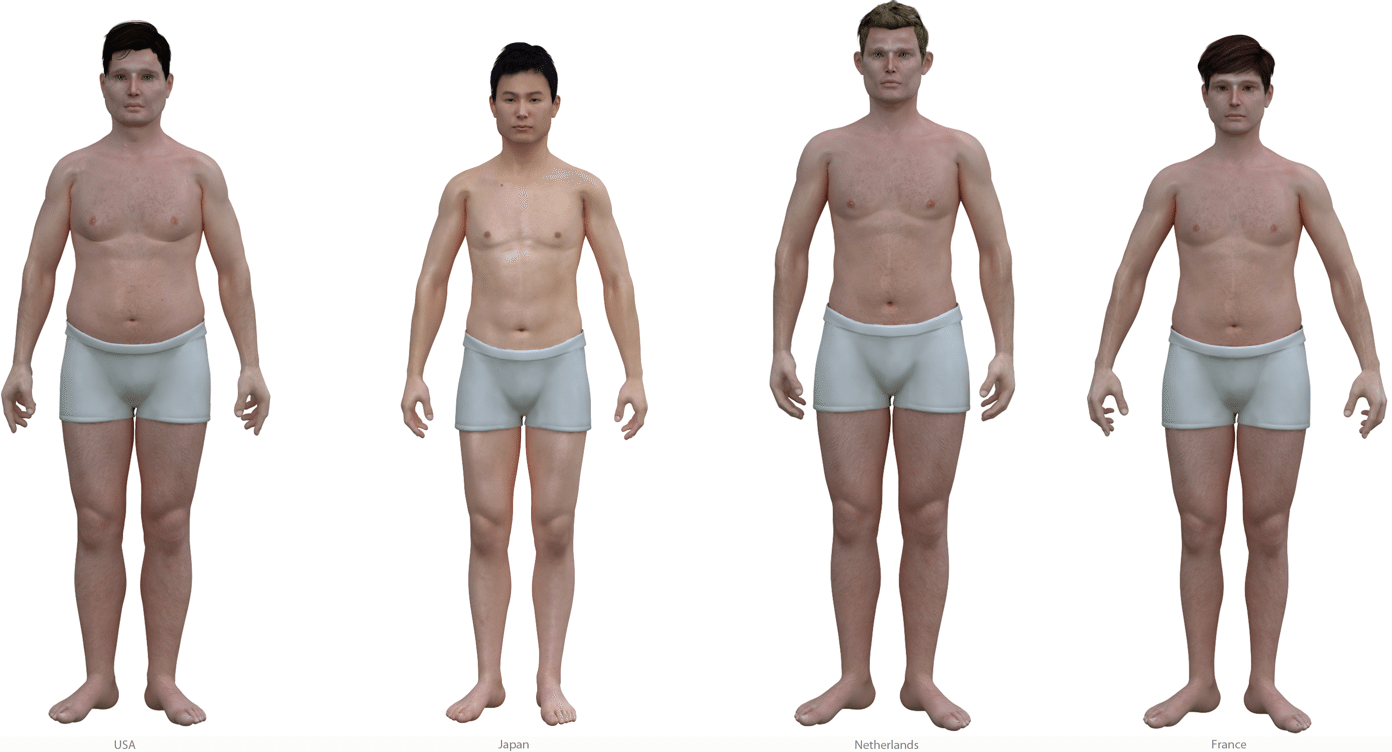
    There are of course differences in body built among Japanese, Korean and Chinese people.  As human as we are, we can be fat, thin, big or small. It all depends on our individual diet and consumption, not to mention our genes. Although we have a general impression as to how, for example, an American body tend to be (tall and big). Asians, specifically Japanese, Korean and Chinese, are typically of slim body built and kind of short in terms of height. But be careful not to label all of them slim and short, because, as I have said, everyone is different. Some can still be tall, big and fat.


    Differences

     1. Facial Features.

    onehallyu.com

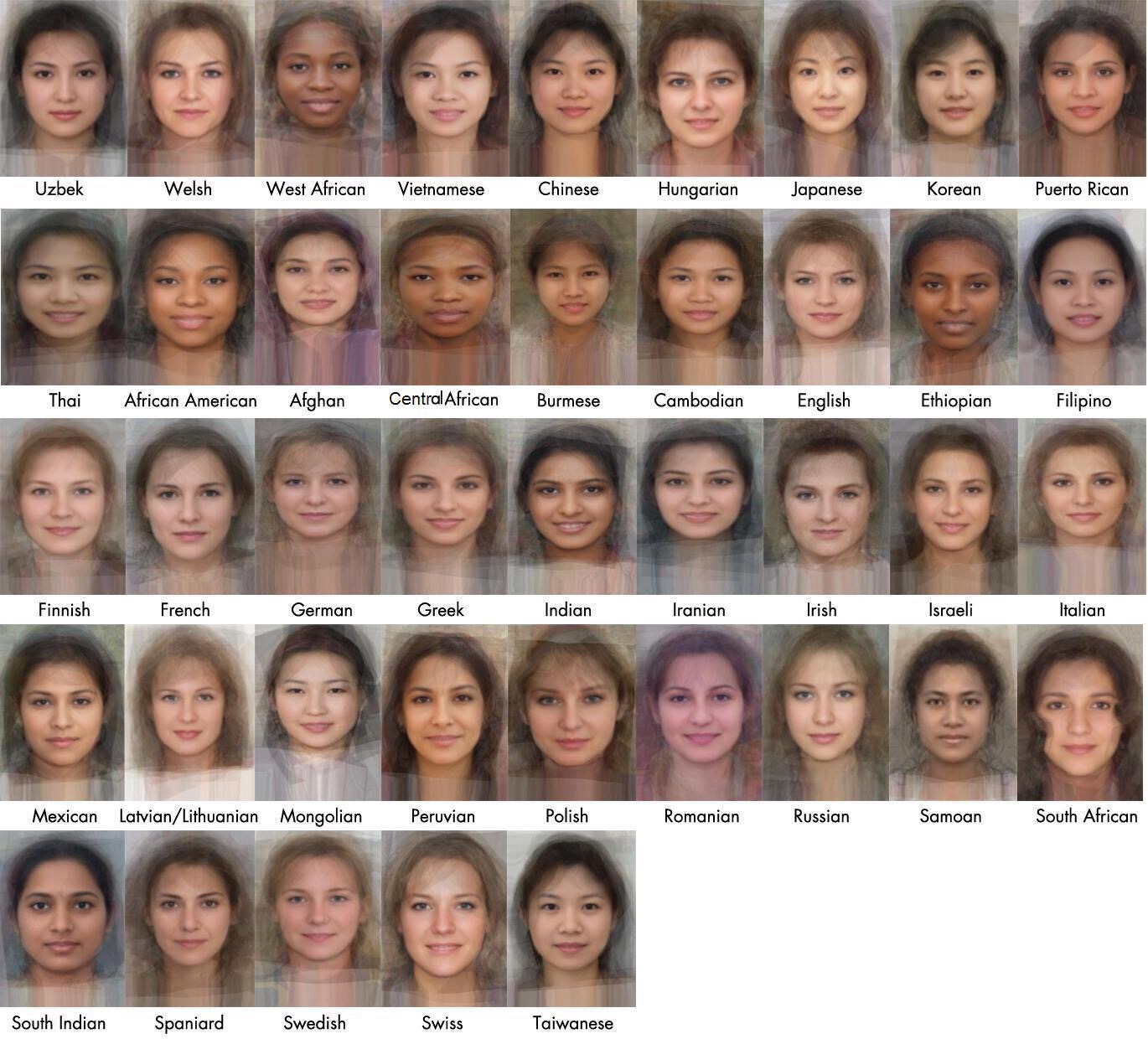
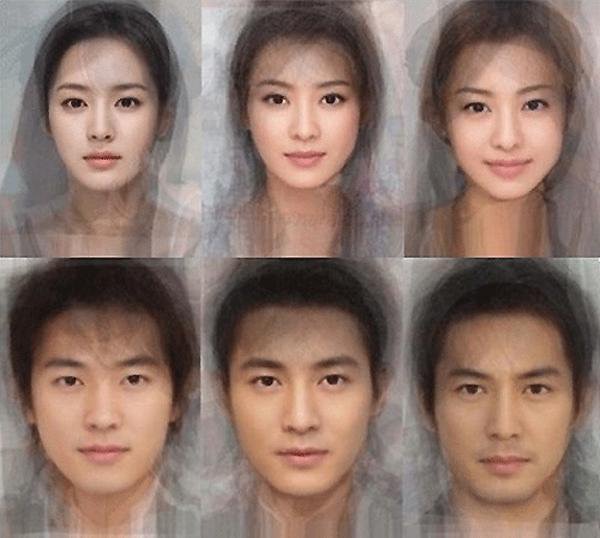
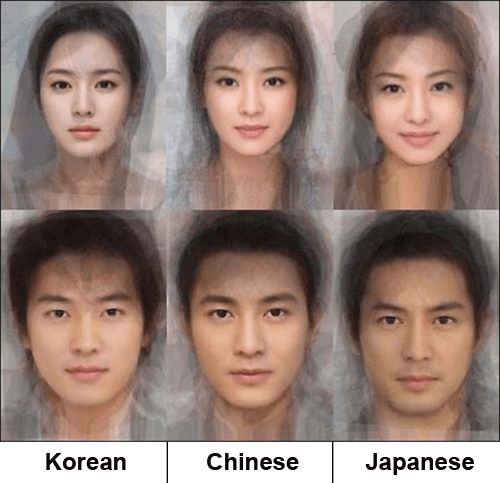
    They may look the same, but if you are a keen observer, there are a few distinguishing characteristics. The Japanese face is generally longer and wider, while the Korean face often has a more prominent jaw and high cheekbones. The Chinese face is typically round in shape. When it comes to the windows of the soul, the Japanese eyes are often described as angled upwards, contrary to the Chinese eyes which are usually angled downwards. Koreans often have smaller eyes.


    2. Dressing style

    Japanese street fashion


    thetokyogirl.com

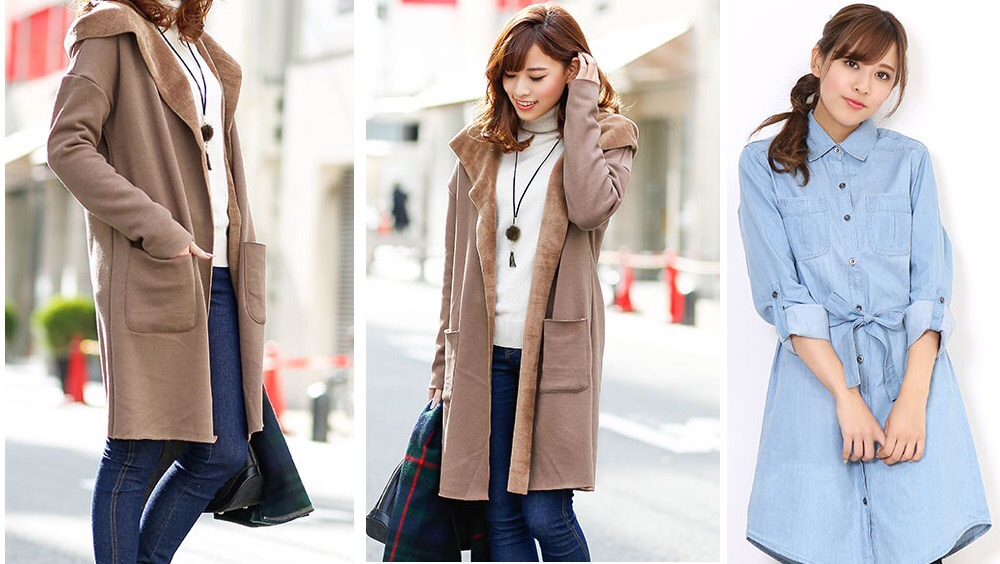
    My Japanese friend told me it is easy to tell whether a person is Japanese or Korean. Just look at how they dress. Japanese people value harmony and uniformity, hence, when they dress up, it is something aimed to blend with the majority. Plain, simple and subtle colors are the key to typical Japanese attire. Nothing that stands out. I observed that wearing suit is very common in Japan. May it be a final (research) presentation in school, a job internship, a job interview, graduation; Japanese usually wear suits, in black and white (inner). Very seldom you can see a coloured inner. 

    kore.am

    Contrary to Japanese, most Koreans wear bright and more colourful attire. I remember my Korean friend said in her culture presentation in school, that, unlike in Japan, they can wear nice colourful dresses when they do their internship and especially during job interview. Chinese, on the other hand, due to its high cultural diversity is difficult to distinguish


    Even up to now, after living for quite some time in Japan, it is still challenging for me to tell which is what, and who is who. Even people of the same race can look different. It is hard to generalize. We can never actually generalize. As the saying goes “Everyone is unique”.

  • Mask, a Must?

    Mask, a Must?

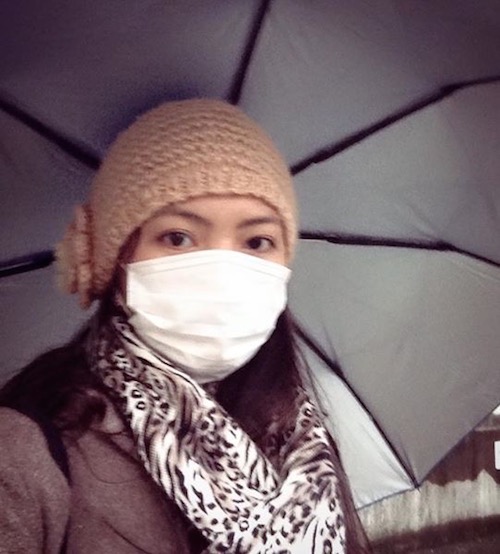
    When I first came to Japan as a visiting relative, I was surprised to see a lot of people wearing masks. “What’s going on? Is there an epidemic?”, I curiously asked my sister who is married to a Japanese and has been living in Japan for many years. She explained that in Japan, it is normal for people to wear masks as protection from diseases and allergies.
    (Photo from http://www.arishaintokyo.com/stuff-and-things/mask-yourself-from-the-flu/)
    Back in my home country, if you wear a mask in any public place or even in the comfort of your own house, you will get that kind of look from the people around you as if you are suffering from a serious disease.
    In my short visit to Japan, I could not avoid feeling weird every time I see a number of people around me wearing masks in public places. I felt like I was in a danger zone or in a scene from a disaster movie that anytime I can get sick and that I need to wear a mask, too, to protect me from the invisible enemy.
    Out of curiosity, I tried wearing one. I was not feeling comfortable with my nose and mouth covered. I felt suffocated. I did not like it. The first time I wore it was not a pleasant experience for me.
    When I came back to work in my country as a teacher, I tried wearing one while writing on the board to shield me from chalk dust and as expected, my students asked me if I was sick.
    Fast forward two years later in a public elementary school in Japan where I worked as an English teacher, I was so surprised when one winter morning, all my studentts wore masks, except me.
    Most of the teachers, too, wore masks . It was the flu season, so  everybody wore masks to avoid catching and spreading the virus.
    It is the one of the Japanese way of being polite and considerate to others. If you’re sick, wear it so as not to spread the virus.
    You can’t get sick and be absent. It’s a crime! But, that is, of course, an exaggeration. Japanese are very work-oriented people and being absent from work or school will mean a big deal.
    Masks are worn not only to avoid catching and spreading disease but I was told that it is also a way of keeping you warm in winter days. Winter in Japan gets really cold so wearing layers of clothing and a mask helps to keep you warm.
    So, is it a must to wear a mask? Well, come and experience Japan and decide it for yourself.
  • A Love Story Made in Japan

    A Love Story Made in Japan

    “Life is like a box of chocolates, you will never know what you’ll get”. “Love comes from the most unexpected places.” These two sayings remind me of the love story of my friend who thought will never find someone to love and to love her, but when she came to Japan, her black and white love story came to life in a colorful surprise.

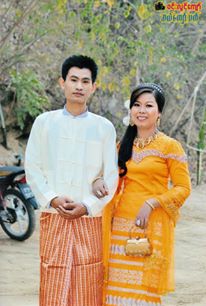
    The Princess


    My friend’s photo
    My friend, let me call her Princess (as she is the princess of her own love story), was my closest buddy during my student life in Japan. We met on the first day when we came to Japan. We were under the same scholarship program, studied in the same university and lived in the same apartment building ( we lived next door to each other). Upon meeting her on the first day, I felt close to her right away even though we were totally strangers and came from different countries. She have this calming feature, very kind and calm appearance. She has long black hair and a natural tanned skin. A very simple thirty-year old lady. She is a high school teacher in her country, the youngest and the only daughter among three children. In her country, she told me that her routine was school and home, home and school and that she never had a boyfriend ever since. She focused her attention on her career and came to Japan to study for professional advancement. One time, she told me that she might not marry at all because she finds herself unattractive and no man will love her for real.  …But she was definitely wrong.
    The Prince


    my friend’s photo

    The Prince in this story, is a 27 year-old guy from the same country where my friend comes from. A scholar like us, he studied in the same university and also lived in the same apartment compound where we lived, but in a different building. This guy, like my friend, had never had a girlfriend ever before. He is tall and has a slim body type. He seldom talks and always have this shy look in his eyes. But when my friend gets in trouble, like that one time when she needed a laptop for our presentation, he was always there to help. Small things like how to use the (Japanese) washing machine, air conditioner, etc, he was always the hero. That’s how they get closer and closer.

    How they met


    Author’s photo

    Our Kaikan (international students’ dormitory) was huge. There were seven buildings named A to G. About a hundred international students were housed in that dormitory. In our Kaikan, it was common for the residents (usually people from the same country) to get together and have cooking parties on weekends. It is hard when you live abroad by yourself and there are times you really get homesick so having friends around who speak your language and eat the same food is a great relief. That is how they first met. They never met in their own country but they met in Japan. It was an instant attraction like two searching souls who have finally found their mates. But it was hard at first, because both of them are kinda shy and no experience. But when love moves, it moves mountains. They started first as friends sharing experiences, to close friends helping each other and then after a few months, to first-time lovers.

    The Present

    My friend’s photo
    To make the long story short, after a year and a half of studying and dating in Japan, they’re now both back in their country. They had finished their scholarships. They did not only get the educational advancement they came for in the first place in Japan but they also have found the love they’ve been waiting for. At present, they just celebrated their first wedding anniversary . the Princess and Prince living  happily ever after.
  • Celebrating Birthdays in Japan and the Philippines

    Being a Filipino living in Japan for a while, I have experienced how birthdays are being celebrated in a different manner in my homeland Philippines and in my current country, Japan. There are a number of differences worth noting, for the love of knowledge about cultural differences.

    image

    (Photo from en.wikipedia.org)

    Celebrating birthdays, I bet, is universal. Whatever race we are, wherever we are born, it is a fact that a birth of a person calls for celebration. It is done every year to commemorate one’s existence and life on earth. Like in most countries, birthdays are also celebrated in Japan and the Philippines. How is it celebrated? That’s the question I will try to answer.

    1. Most Celebrated Birthdays

    In the Philippines, the most celebrated birthday of a child is the first birthday. Expect balloons and party hats, souvenirs and cake, food and music. And expect all your invited and uninvited neighbours to come and celebrate. When a girl turns eighteen and if the parents can afford, a Debut Party is to be expected. It is the grandest birthday celebration of a young woman.

    image

    The Debut is the Philippine’s traditional coming-of-age birthday celebration. For the woman, it is celebrated with the traditional 18 roses, 18 candles, 18 tokens, the debutante’s pretty gown in a wedding-like celebration. For the man, the coming-of-age is at the age of 21, but with less formal or no grand celebration at all. The next grand celebration is at the age of retirement, which is 60 (voluntary retirement) or 65 (compulsory retirement).  Filipinos life span is shorter compared with the Japanese, so expect big celebrations at old age (70, 75, 80 so on).

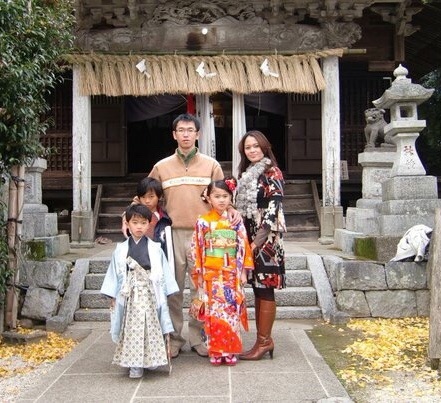
    In Japan, where uniformity is an important aspect of the society, birthdays are somewhat celebrated on a nationwide level. For children aged seven, five and three, families celebrate on a national festival called “Shichi-go-san”, which literally means seven-five-three. Girls of age three and seven and boys of age three and five are celebrated, and parents pray for their children’s good health and growth. Children are dressed in their traditional clothes – the very expensive and fine kimono, and parents take them to the shrine to pray. Shichigosan is nationally celebrated every 15th of November.

    image

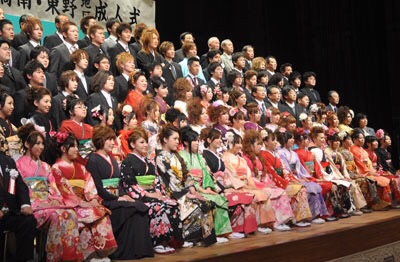
    For the coming-of-age celebration, men and women aged twenty, gather in the city or town hall and celebrate “seijinnohi” or the Coming of Age Day. Women wear their finest and very expensive kimono called furisode with matching make-up, while men wear their finest suit or their traditional dress called hakama.

    image

    (Photo from minamishinshu.jp)

    1. Simple or Grand?

    In the Philippines, birthdays are big events. It is highly celebrated within the family and relatives and the circle of friends. Sometimes, weeks or even months before the big day, everyone looks forward and prepares for the big celebration.  Of course, not every year is a big celebration. It depends on the individual family’s financial capacity. If you have the gold, celebrate like a star. But, if you just have a dime, settle for a simpler celebration. Rich or poor, may it be a hotel celebration with a hundred guests or pansit (noodles) celebration with the family, birthdays are hailed in the Philippines.

    In Japan, birthday celebrations are usually celebrated in a simple manner. No extravagance, no big celebrations. Parents usually celebrate their kid’s birthday by simply preparing a small and family-exclusive party. Adults may go out with their intimate friends and celebrate.

    1. Give or take?

    One thing I observed about celebrating birthdays in Japan is that the celebrant is exempted to pay part of the bill. On my first birthday in Japan, my Japanese friend set up a dinner party with our other international friends and at the end she did not allow me to pay since it is my birthday. It is the complete opposite of my experience in the Philippines. When I celebrate my birthday, my friends and co-workers expect me to give them a treat. Take them out to a nice restaurant and pay for their meal or invite them in your house and prepare food for everybody to feast. In the Philippines, generally, the celebrant is the one who spends.

    1. Feast or meal?

    Big birthday celebration in the Philippines is like having a feast. Filipinos love to cook and eat and love to entertain guests. Expect lechon (whole roasted pig) on the table which everybody loves, and a lot more food, including pansit, lumpia and adobo. Not to mention the drinking session that will follow after. There are also games and karaoke singing.