Tag: Japan

  • April – the Start of a New Beginning in Japan

    The end of March is, in fact, one of the busiest times for moving companies, as university students relocate closer to their chosen universities or entire families move to accommodate a husband’s new job.

    Alongside excitement, there are also uncertainties and anxieties. Kindergarten parents, while mostly excited, may feel a bit worried about parent-child separation. Similarly, new students moving up to higher grades or levels may experience anxiety about meeting new friends or coping with new challenges. First-time employees or transferred workers may also feel uncertain about fitting in and being productive right away.

    Nevertheless, this season is filled with hope. It’s a fresh start, the beginning of another cycle towards the fulfillment of our goals. Like cherry blossoms, the cycle begins: we bud, we bloom, the flowers fade, and the leaves sprout. We are ready to face another year full of challenges and uncertainties, but most of all, a year full of determination and motivation to navigate life’s ups and downs.

  • 11 Things in Japan That Surprised Me As a Filipino

    11 Things in Japan That Surprised Me As a Filipino

    I came to Japan in the spring of 2011 when my sister who lives in Japan invited me for a month-long spring vacation. During my stay (and even up to now) there are several things that surprised me.

    11. There are many elderlies. It is a known fact that Japan is an aging country. When I first came here, I was surprised to see people looking beyond their sixties/seventies working as traffic aid, gardener, and even working in the malls. In my country the Philippines, most people you see around are young. Mall workers are usually in their 20s to early 30s. It is also uncommon in the Philippines to see groups of elderly hanging out in a restaurant or taking a walk in the park. Whereas in Japan, this is fairly common.

    10. People wear masks. I was very surprised to see many people wearing masks when I first came to Japan. I asked my sister if there was a spreading disease or something but she said people wear it for protection, especially for people who are having kafun allergies, which was fairly common during springtime. In the Philippines, if you wear a mask, people will speculate that you are ill and need to wear a mask to avoid spreading the “contagious disease”. When I came back to the Philippines, my students were all very surprised and kept asking me if I were sick when I wore a mask to protect me from chalk dust from writing on the blackboard.

    https://maryanila.com/post/maryanilasasil.wordpress.com/393

    9. Some fruits, vegetables, and spices are oversized. I was so amazed when my sister took me to the supermarket. The ginger was big and the other vegetables were as well. Eggplants, tomatoes, and bell peppers were bigger than the usual size I have seen in my country. Eggplants also came in different shapes. The round eggplants amazed me the most. That feeling of amazement from seeing something different is a precious experience. I don’t get that same feeling anymore for being here for a long time already.

    8. There are many buildings they called apartments and mansions. I was also amazed by the buildings in Japan. There are many apartments and mansions. The smaller buildings are called apartments and the high rise are mansions. Some are government housing dedicated to low-income families. In the Philippines, big houses are called mansions, and the mansions in Japan are what we call condominiums. Although condominiums in the Philippines usually have more elaborate designs and hotel-like lobbies, complete with amenities such as swimming pools and clubhouses. These are for Filipinos who can afford them. Housing in the Philippines is still way behind developed countries. People below the poverty line mostly live in shabby houses in lots that they don’t own. ‘Squatter’ as they are called. I hope one day the Philippines can also provide government housing like in Japan to improve the living conditions of the impoverished.

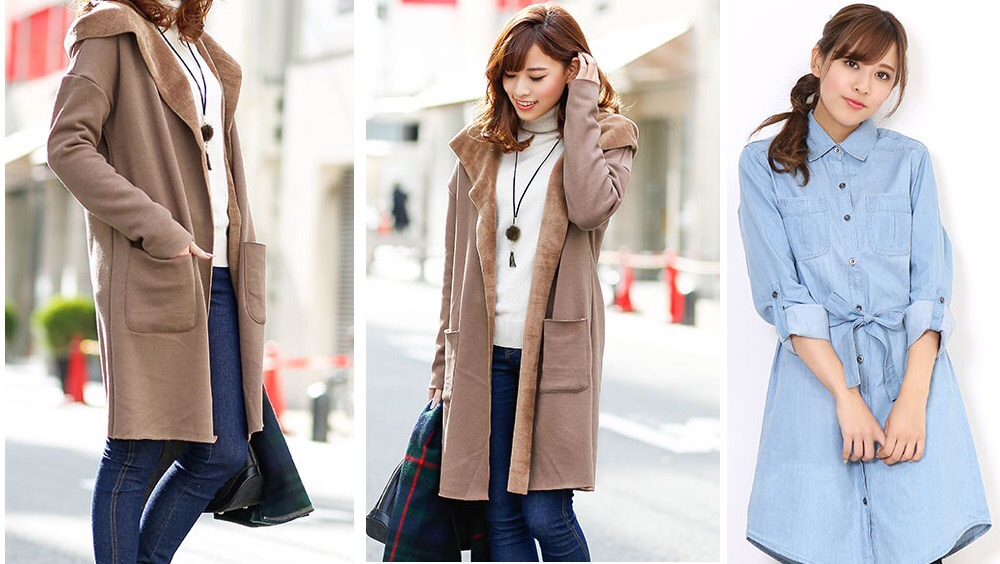
    7. Most people wear subtle colors. Unlike in the Philippines where color and variety is the more popular trend, in Japan, I noticed that this was not the case. Most Japanese wear colors that don’t make them stand out from the crowd. They like to blend in and match the season. Pastel colors are the trend in spring. I also noticed that most Japanese don’t wear revealing clothes. Filipinos on the other hand, have no problem wearing colorful, sometimes showy attire. We like to be different and it is okay to stand out in the crowd. When we went to Huis Ten Bosch, a famous tourist spot in Kyushu, I made sure to wear the most colorful attire to match the happy and festive mood I had. That time, I was told that my outfit was really colorful and “medatsu”. Medatsu means to stand out. I thought it was a compliment. Maybe it was or maybe not. Now, that I have been here for a long time, being medatsu is rather a thing to be avoided. It is better to blend in than to stand out in Japan.

    6. People bow when they greet. When my sister said Konichiwa, which means hello, I noticed that she did a slight bow to the person she was greeting. I noticed that other people do it too. Vendors and restaurant staff sometimes do it by welcoming their guests. The funny thing is sometimes I noticed my sister do a slight bow even when talking on the phone. In the Philippines, bowing is not a common practice. Instead, we move our heads or eyebrows up with a smile to greet a friend coming our way.

    A tip: when you leave Japan, try to sit on the window side and watch the airport workers wave goodbye and bow to the leaving plane.

    5. Japanese money bills are big and always look new. In the Philippines, we call Japanese money “lapad” which means wide. Before coming to Japan, I didn’t know that Japanese money is actually big in size, the reason why it is called ‘lapad’. Japanese money bills are always crisp and new. In the Philippines, it is not unusual to see folded (sometimes dirty, stapled, and marked) bills, Recently, when the Philippine government released a new one-thousand peso bill with a strict handling guideline that says no folding of the bill, there was a mass uproar against it.

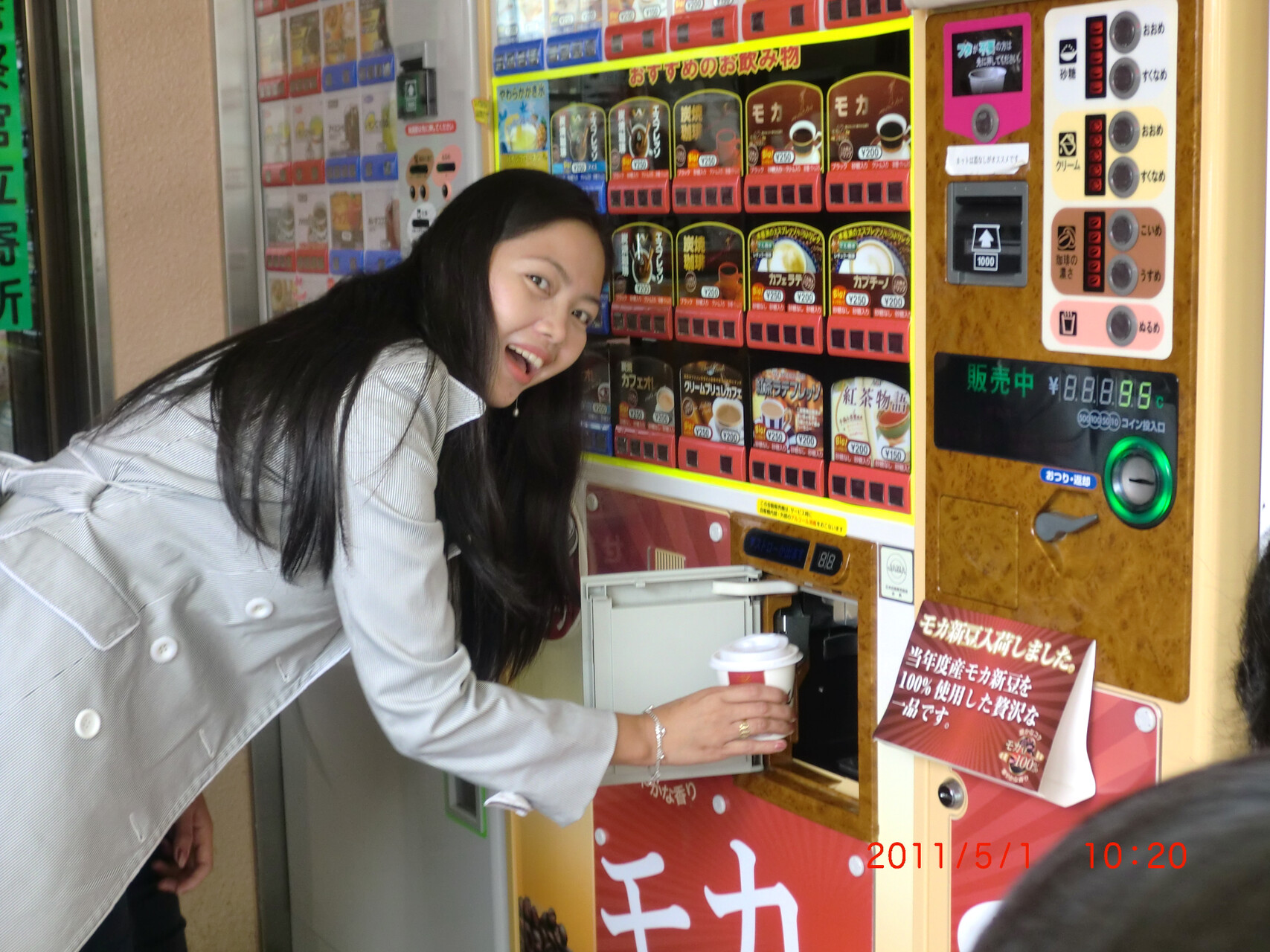
    4. Vending Machines are everywhere.

    Vending machines are everywhere in Japan. They are in train stations, bus stops, near a park, tourist spots, or outside an apartment complex. Or just along the streets. Vending machines are not limited to bottled drinks. There are also those that sell ice cream, coffee, hot choco, cigarettes, and snacks. I was surprised to see one selling condoms! Whereas in the Philippines, I haven’t seen or experienced buying in a vending machine. We have “sari-sari store” – a small residential shop that sells anything. Sari-sari means variety. The more complete and wide the selection of merchandise a sari-sari store has, the more popular it becomes in the neighborhood. Sari-sari stores are also everywhere. In a busy neighborhood, you will be surprised to see the number of sari-sari stores and that most houses have their own sari-sari.

    https://www.facebook.com/reel/648557470394369/?s=fb_shorts_tab&stack_idx=0

    3. Toilets are fantastic!

    Nothing beats Japanese toilets! I was very impressed with its very high technology and efficiency. Most toilets in shopping malls are very clean, have an automatic flush, and have different buttons for different purposes. Bidet’s water pressure – Strong? Gentle? Do you need a massage? Do you want to flush with a little water? A lot? Do you want to hide the sound of your pee with a recorded sound? Go ahead. Just press the right button. Make sure not to press the “call an emergency” button or else the alarm will sound and a couple of responders will come to your “rescue”. I had trouble one time I was in a hospital to visit a patient. I wanted to flush but pressed the wrong button. The alarm sounded and two nurses came. My mom also accidentally pressed the emergency button in a toilet at a subway station. Two women came rushing to the site. But, not all toilets in Japan are that hi-tech. The very old traditional style squat toilet still exists and usually found in a community park or old buildings. For women, watch where you face when squatting and how far your legs are apart if you don’t want to get your feet wet with the splash. In most households in Japan, toilets are high-tech. My sister’s toilet automatically opens and closes its lid and automatically flushes when you leave. Philippine toilets are pretty much basic. A small cubicle, a toilet bowl usually with no cover and if you’re lucky, some tissue paper. Don’t be surprised to be asked to pay for toilet fees in some malls or bus stops, too. Also a different fee for pee only and poo.

    https://www.facebook.com/reel/1926606887699633/?s=fb_shorts_tab&stack_idx=0

    https://www.facebook.com/reel/1832445813780571/?s=fb_shorts_tab&stack_idx=0

    2. People line up for their turn. I was very impressed with how disciplined and patient Japanese people are. They line up getting on and off a bus or a train. They line up to go up and down the escalator. They are always very patient and just wait for their turn. No complaints. No overtaking. Everything is in order. Whereas in my country, most people are impatient and just want to be the first. Many jump lines which sometimes can cause disagreements. Even inside the church when taking communion, in Japan, they do it by the proximity of the seat to the priest. But in the Philippines, everyone just flocks towards the priest to be the first. There are many instances that I can compare and contrast Japanese and Filipinos but this “waiting in line” in Japan is something that the whole world, especially my country, should learn and adapt to.

    1. It is very clean and orderly in Japan! The cleanliness and orderliness in Japan will impress every visitor. I loved how the streets are very clean and clutter-free. There are no trash that can be seen on streets. There are no broken roads and almost no open dirt that could turn to mud on rainy days. There are no excessive posters on building walls. Cars and other vehicles look new and well-maintained. Public toilets are clean and free. There are no beggars or obvious homeless people in sight. Houses are clean outside. Parks and playgrounds are plenty. Flowers and greeneries are everywhere. I never heard a car honk and even myself have never ever used the horn while driving for almost seven years already. Traffic is smooth. Japanese people dress nicely and neatly. No loud noise from car stereos or neighbors’ karaoke. It is peaceful, clean and orderly.

    I fell in love with Japan the moment I arrived here. I wished to stay longer and it happened. I wished to stay even longer and now I am still here. A permanent resident and settled. I now call Japan my home. But despite that, there is still no place like my original home – the Philippines – where even though there is a big social disparity, everyone finds happiness in the littlest of things. People celebrate the littlest success. Scarcity doesn’t matter when Filipinos want to celebrate. And that is one thing hard to find in Japan. Japanese are frugal, practical and private people whereas Filipinos are celebratory and mostly open and happy people.

    https://maryanila.com/post/maryanilasasil.wordpress.com/608

  • My Toddler, My Life

    Having my daughter is definitely the best thing that happened to me in my whole life. She is my source of happiness and inspiration since the day I conceived her, to the the day she was born and more now that she is a toddler , an active two-year old little girl. She’s the sweetest, most helpful, most cheerful and most short-tempered little best friend I have ever had.

    Having her by my side keeps me busy and occupied and never alone even for a minute. Yes, my little one is so clingy. She goes wherever I go (even in the toilet). She gives me hugs and kisses. When I cough a little bit, she asks if mommy is okay and run to give mommy water to drink. She likes everything about mommy, most especially, mommy’s boobie. Those are her sleeping pills, her teddy, her toy, everything that she needs. She still never give them up despite her age.

    She likes to play with me with her little kitchen set, her puzzles, flag cards, and other toys. She likes mommy to blow bubbles with her. She helps mommy in the garden, too. She likes watering the plants and using her shovel to scoop garden soil. She even help mommy wash the dishes and hang the clothes at her age. Her favorite part is clipping the clothes with the clothespin. With washing dishes, it’s more like playing with water for her. But it’s fine coz she just wants to be with mommy.

    But, there is one special moment she wants mommy not to come near her. That moment that she’d rather hide behind the curtains or in the corner of her mini-slides. The moment that she is focusing her attention and energy to excrete something down below. She is not ready yet to use that small room mommy calls the toilet where a thing mommy calls potty is there waiting for her to sit on. I guess mommy has to wait for her readiness to do it.

    She loves to sing and dance. She likes incy wincy spider, number songs, and many others but she likes the birthday song the most. She even makes her own song by creating her own lyrics. She likes playing her toy fabric piano and dance to the tunes it plays. Doe a deer is her favorite tune in it.

    Having a toddler is not all smiles and giggles and smooth playtime. There are, of course, many moments of tantrums and throwing a fit just because one puzzle would not fit and she hates it right away or when she can’t make the tallest tower with her blocks. Or because she does not want to leave the park after hours of playing. Those moments she wants to keep watering mommy’s plants even though it’s flooded already and mommy stops her. Or those times when her diaper needs to be changed and mommy had to chase her or stop her from wiggling.

    The most difficult part, the scares from time to time. One time she ate fish and choked a little bit and it scared mommy to death she cried. And the latest that happened the other night, was also a choking scare.

    My toddler has been playing with a coinbank with real coins for a while now (like maybe two months).
    I was dumb ( realy dumb) to think it was good for her psychomotor development (precision in inserting coins) and I thought she is old enough to play with coins and not put them in her mouth which she never really did, until last night!!

    She was playing with her coin bank in the living room when I left to use the toilet. Her dad was with her and when I was walking down the hallway back to the living room, I heard my DH panicking that our girl was eating the coins!!😱
    He saw her spit few coins and I saw her spit a ten yen coin!!! I hurried and checked her mouth and there were no more. But we were not really sure if she swallowed some or what.

    I called #8000 to consult and they told me to observe her for signs like vomiting, coughing, pointing to her throat and to take her to the hospital right away if any sign is observed.
    I could not sleep well last night.

    Fast forward the next morning, I took her to her pedia to have her examined and good thing nothing was seen on her x-ray. And her doctor said if she swallowed any coin it will just come out naturally in her stool in a few days.
    Sigh! I’m now relieved a little bit but is still thinking about what if she swallowed it and all the worse thing that could happen.

    Definitely, a lesson for me.

    No objects smaller than a ping pong ball within her reach and never leave her unattended! Never!

    Having a toddler is like riding a roller coaster. It’s fun and exciting and scary at the same time. There are ups, there are downs and definitely there is an abrupt end. Children these days they grow so fast! She was just a little immobile, wordless tiny creature two years ago and now she is an always on the move tiny human – hopping, jumping, singing, dancing and talking. Few years from now she will be a school child, a teenager, a young adult, a professional. I only hope I could live that long to see her evolve into a wonderful wonderful person – a beautiful one as she is always is to me.

  • How I learned Japanese in 3 months

    Before coming to Japan, I only knew two words. Oishi (Yummy) and arigatou (thank you).

    When I came to visit for one month in 2011, I learned a few more words.

    Words that are used in everyday life:

    ohayou gozaimasu (good morning)

    konichiwa (hello)

    konbanwa (good evening)

    oyasumi (good night)

    itadakimasu (grace before meal)

    gochisosamadeshita (grace after meal).

    ittekimasu (I’m going – when leaving the house)

    itterashai (take care – to someone leaving the house)

    tadaima (I’m home)

    okaeri (I’m happy your back in the house)

    And words used by my sister raising her children (just by listening to her everyday)

    oide (come here)

    dame (No/not allowed)

    yamete (stop)

    abunai (dangerous)

    hamigaki (brush your teeth)

    shukudai (homework)

    tabete (eat)

    sugui (wow)

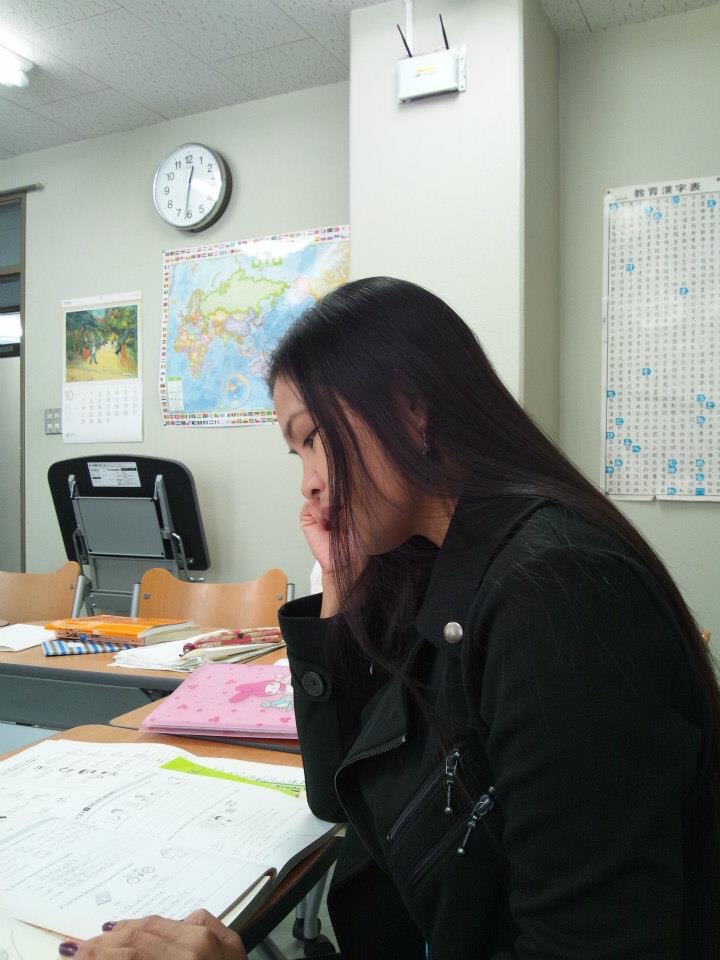
    The following year when I came back as a government scholar, learning Japanese was the main objective for the first semester.

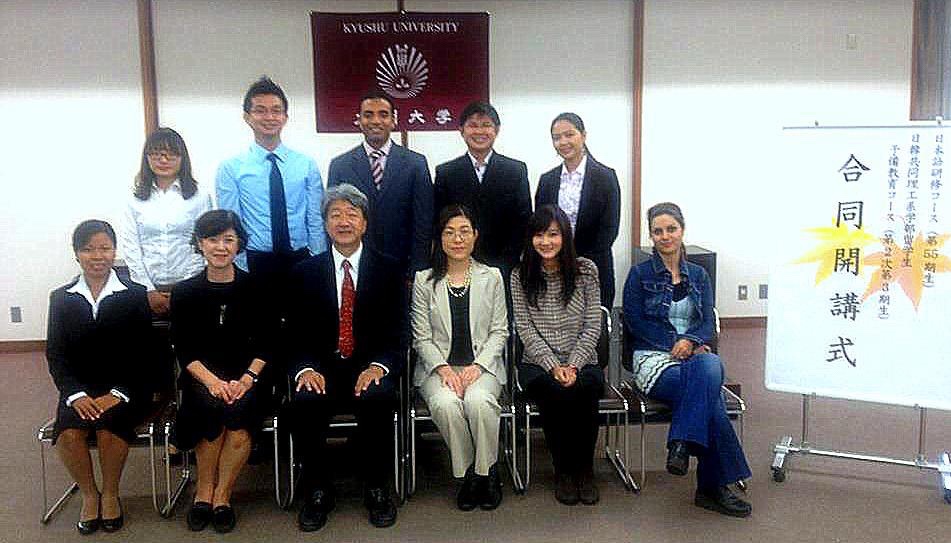
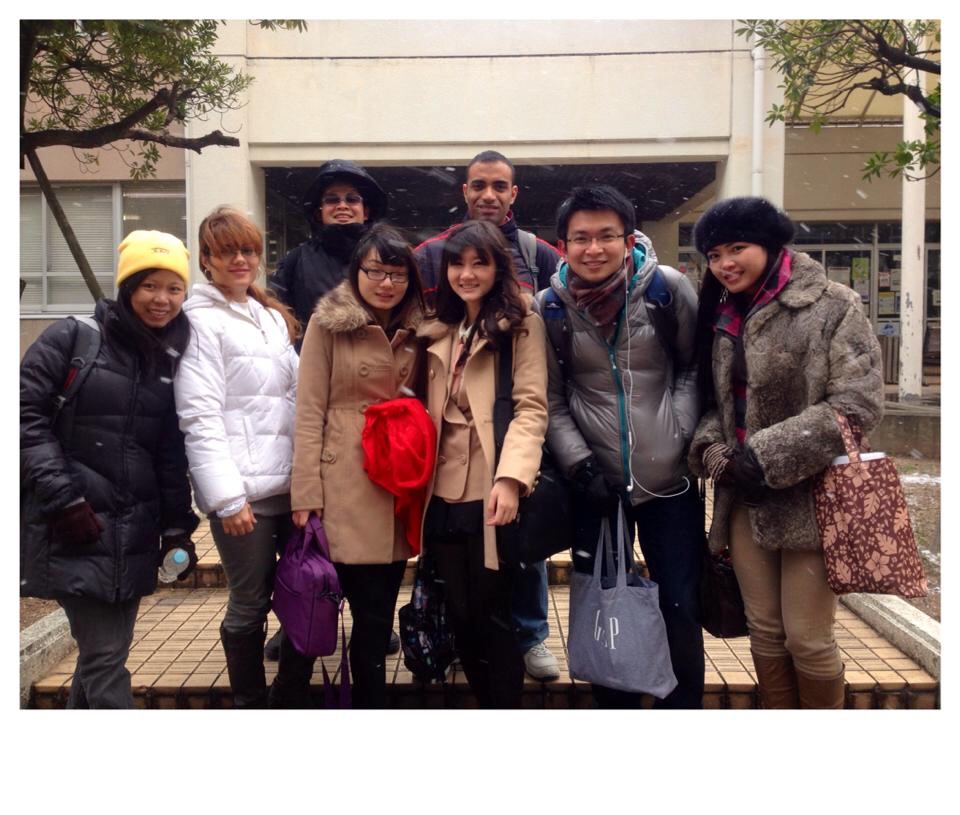
    We were eight students in our class. One from each country: Philippines (me), Myanmar, Thailand, Iran, Laos, Egypt, Malaysia, and China.

    So, how did I learn Japanese? Let me enumerate the methods below.

    1. Memorize hiragana and katakana. These are the basics like the alphabet. Katakana are for foreign/loan words and hiragana are for Japanese words. My university asked me to memorize katakana and hiragana even before coming to Japan. I can’t remember exactly if it was both or just one of the two but I’m sure it was the first task as a student.

    2. Increase vocabulary. By mastering hiragana and katakana, I learned to read words and thus increased my vocabulary. In my university, we were taught tons of new words everyday like twenty to thirty words depending on the lesson. We have to master those words because we were given a quiz everyday, five to ten words. And if we make a mistake, we had to write the words several times to fit on a whole sheet of paper. You don’t wanna do that, trust me.

    We also learned vocabulary by reading stories and learning the dreaded kanji.

    3. Conversation practice. This is the most important part, putting the learned language into practice. In my class, we always have kaiwa no renshu (conversation practice). We were paired with our classmates to do specific conversations and sometimes converse with the teacher. There was a recorded kaiwa test where we had to talk to the teacher and answer her questions. We listened to the record for evaluation.

    4. Make a (PowerPoint) presentation. Believe it or not, with very little vocabulary, we were told to make a presentation of our country almost every week. The purpose is to increase vocabulary, share our culture and gain confidence in speaking. We had Japanese tutors who helped us in our Japanese. I remember the first presentation was Watashi no Kuni no Asagohan (My Country’s Breakfast). We also presented about our countries houses, tourist spots and many more. And the final presentation- about our major.

    5. Write a diary. Once a week, every Monday, we were asked to submit a diary. This was also very hard in the beginning because of not enough vocabulary and knowledge of the language. But this really helped us learn the language on our own, translating every word and sentences we wanted to say in Japanese. This was when google translate became handy. And the app imiwa? is also very helpful. I highly recommend it. After the teacher checked our composition, we were asked to read it in front of everybody. Oh, I still remember a few times I couldn’t read my own writing. Lol.

    6. Watch movies and anime. This was my way to learn Japanese outside of class. Even before coming to Japan, I started watching Japanese movies and anime. A few of my favorites are Sen to Chihiro no Kamikakushi (Spirited Away), Hotaru no Hakka (Grave of the Fireflies), and Hachiko. I watched it in Japanese with English subtitles. I know it’s hard to learn a language this way but I kind of picked up some Japanese words and phrases. I was drowned in tears with the last two movies. My ultimate favorite anime is Chibi Maruko – which I still watch even up to now. I used to watch it everyday. I learned many things from Chibi Maruko- from daily Japanese family life to school life and events and Japanese culture and celebrations. The language used is fairly easy too because the main character is a third grade student.

    7. Talk to locals. There’s no better way to learn a language than using it to talk to the natives. You will be surprised how much you will learn naturally by engaging in conversations with the Japanese. I learned a lot talking to my Japanese tutor and my Japanese friends words and phrases I never learned in class. I was advised to have more Japanese friends and spend more time with them than hanging out with fellow foreigners/kababayan where you tend to use English or Filipino/Bisaya.

    Japanese Intensive Course

    I started learning Japanese officially in late October 2012 and we finished in early February 2013. It was called the Japanese Intensive Course. I salute all my teachers. They were all really good.

    During that rough three months, I learned to speak basic conversational Japanese and I was even able to give a (memorized) speech in full Japanese at the podium in front of everyone during the closing ceremony.

    Never Enough

    But, that was not enough. Japanese is a difficult language to master given that it uses many characters – hiragana, katakana, romaji and kanji, and it has many forms – basic, polite and honorific.

    Lifelong Learning

    Even after more than seven years I am still trying to learn more. I learn new words by dealing with everyday life – medical terms when I got sick and when I gave birth, construction and real estate terms, bank terms, neighborhood association terms and the list goes on.

    It’s like filling a sack with grains everyday. But the sack will never get full but surely the grains will get plenty enough to survive.

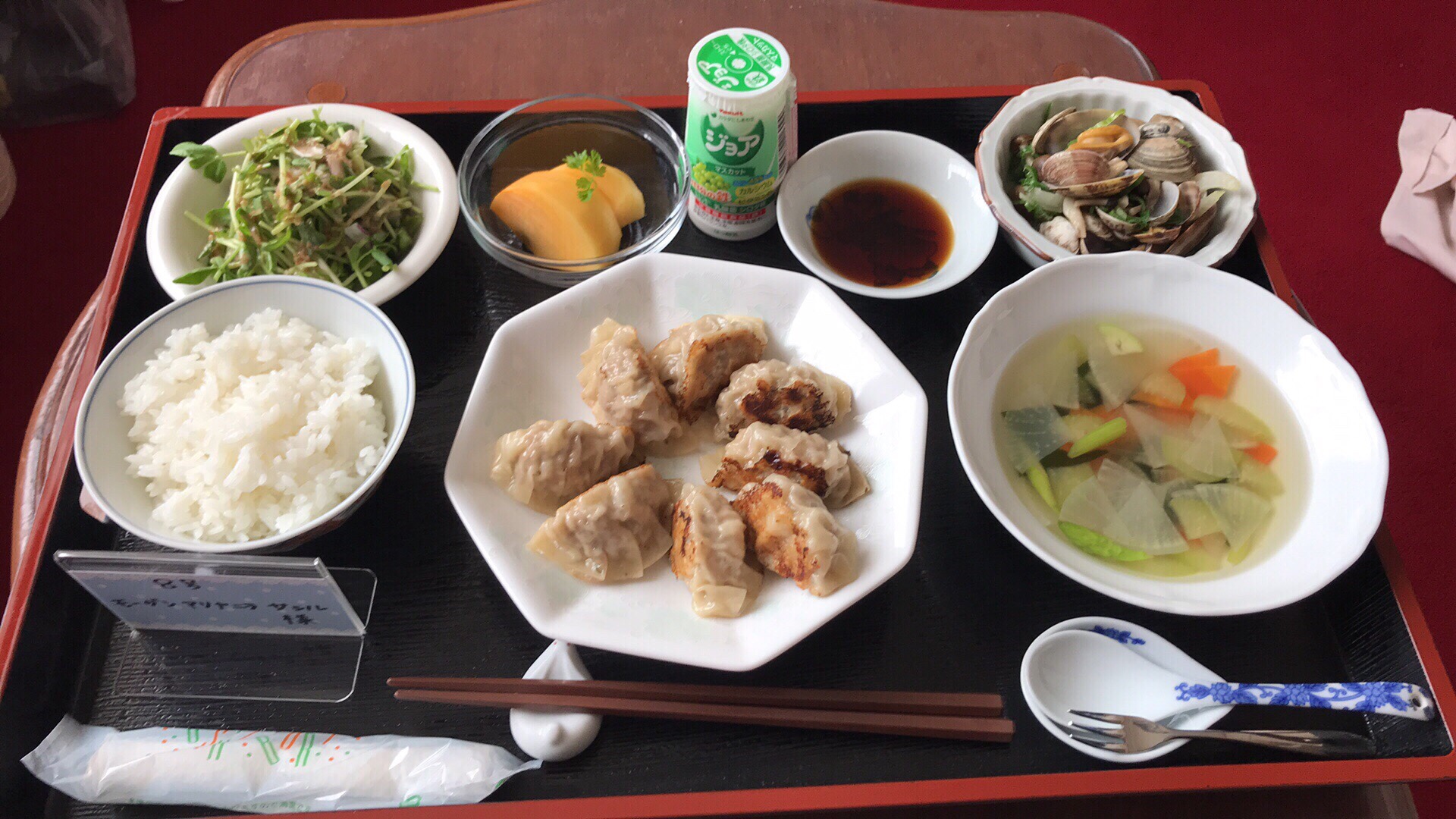
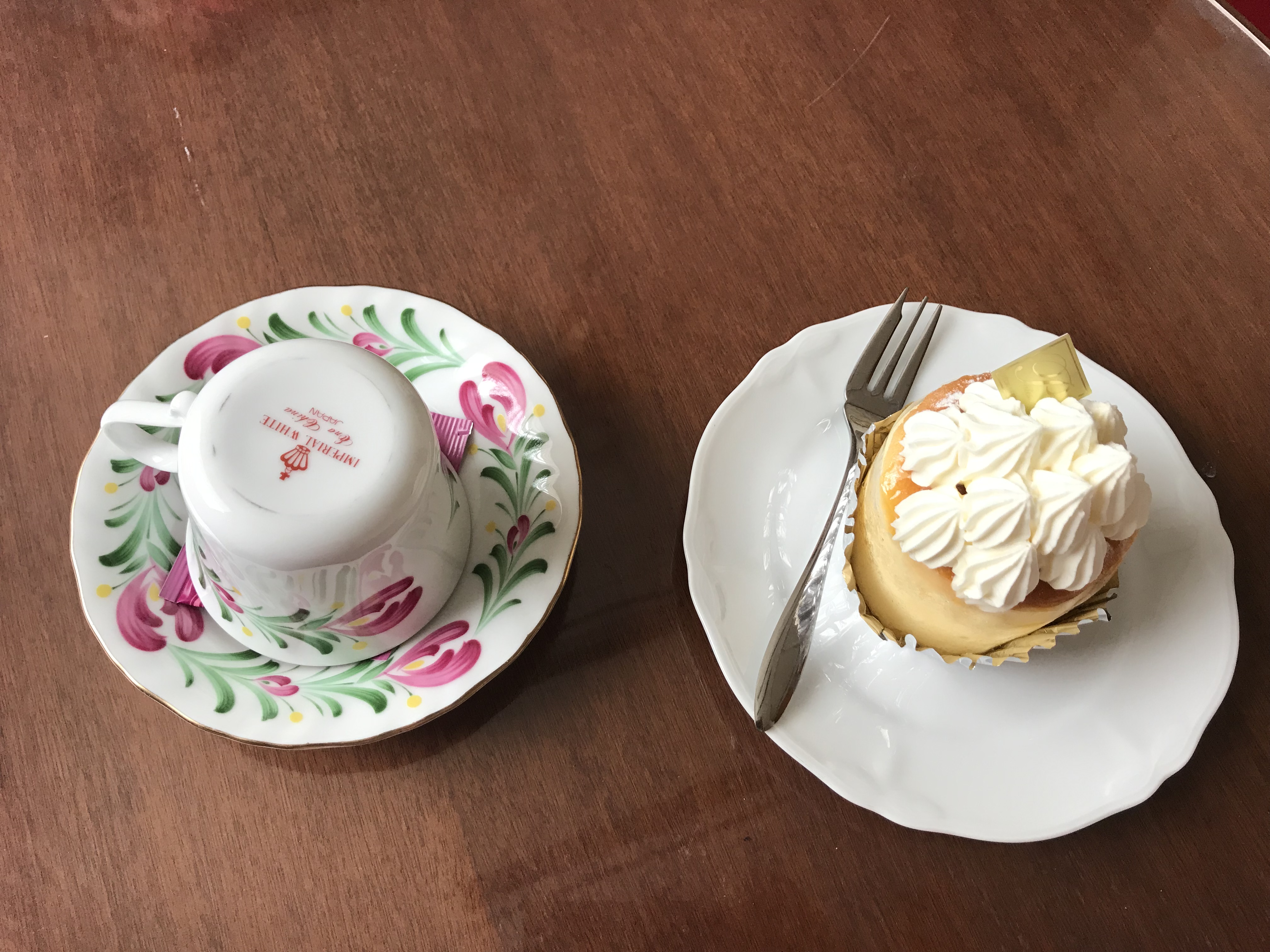
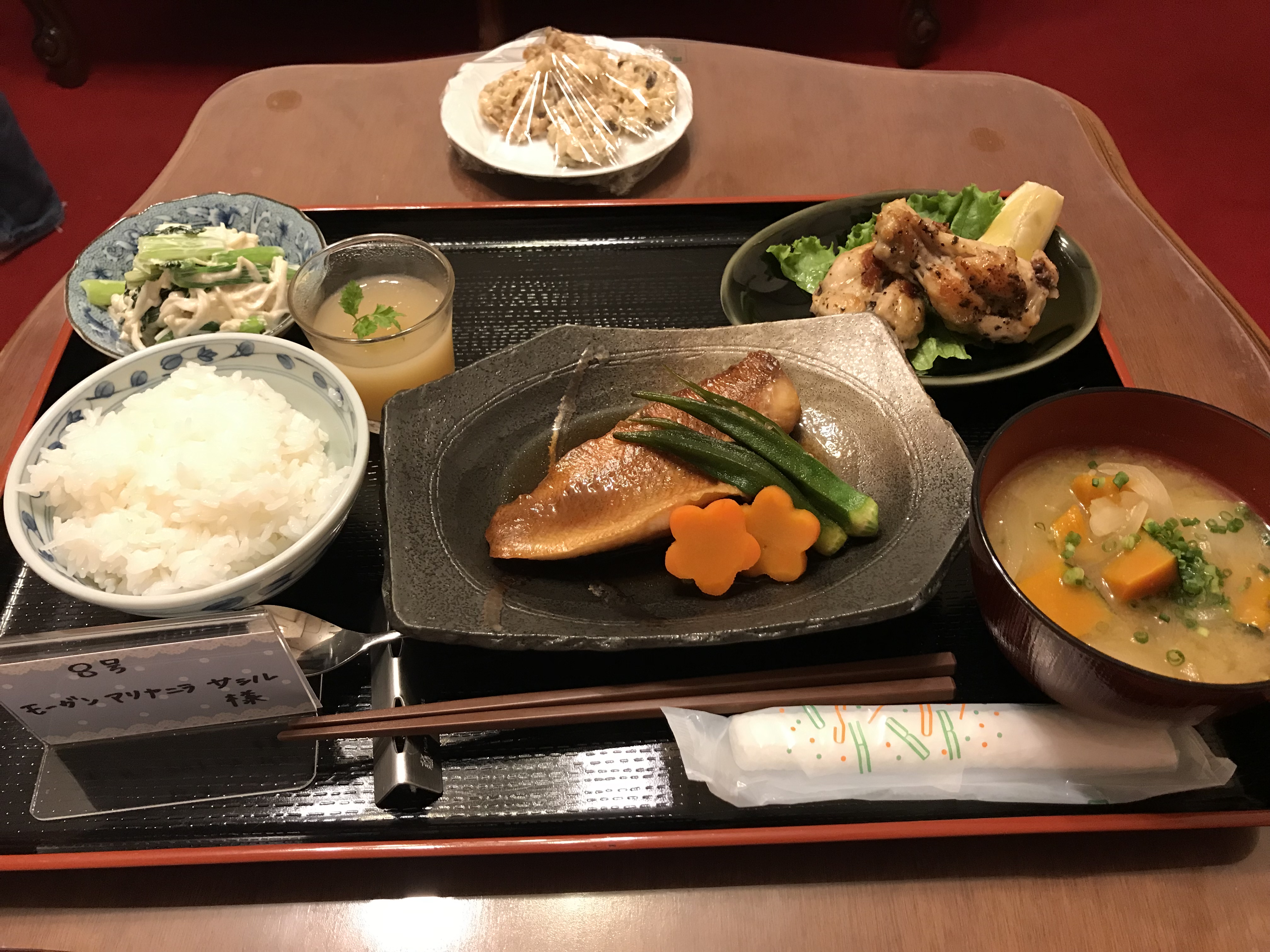
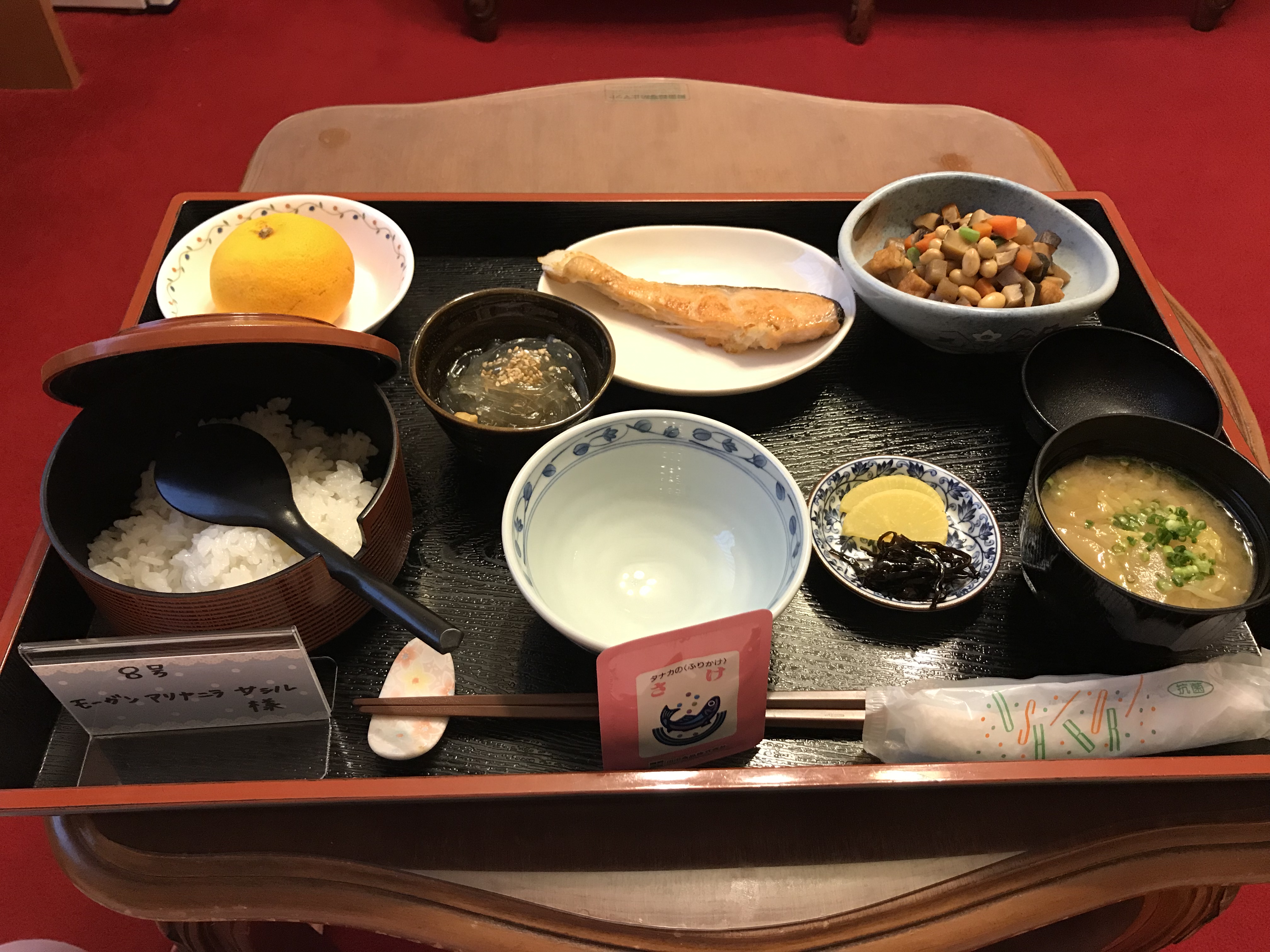
  • Food Served at my Maternity Clinic

    Food Served at my Maternity Clinic

    Food and good nutrition is an essential part in recovery from delivering a baby.

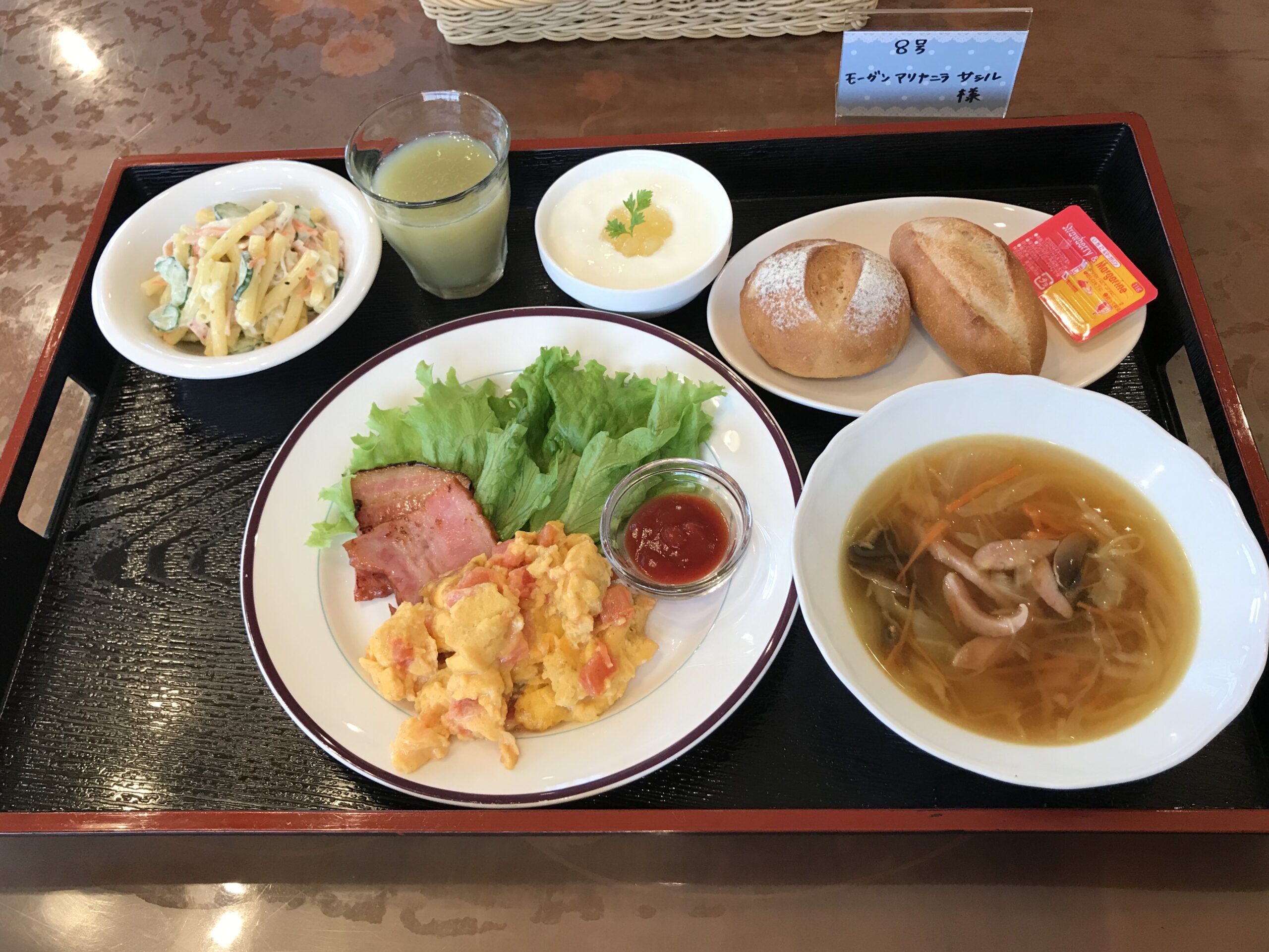
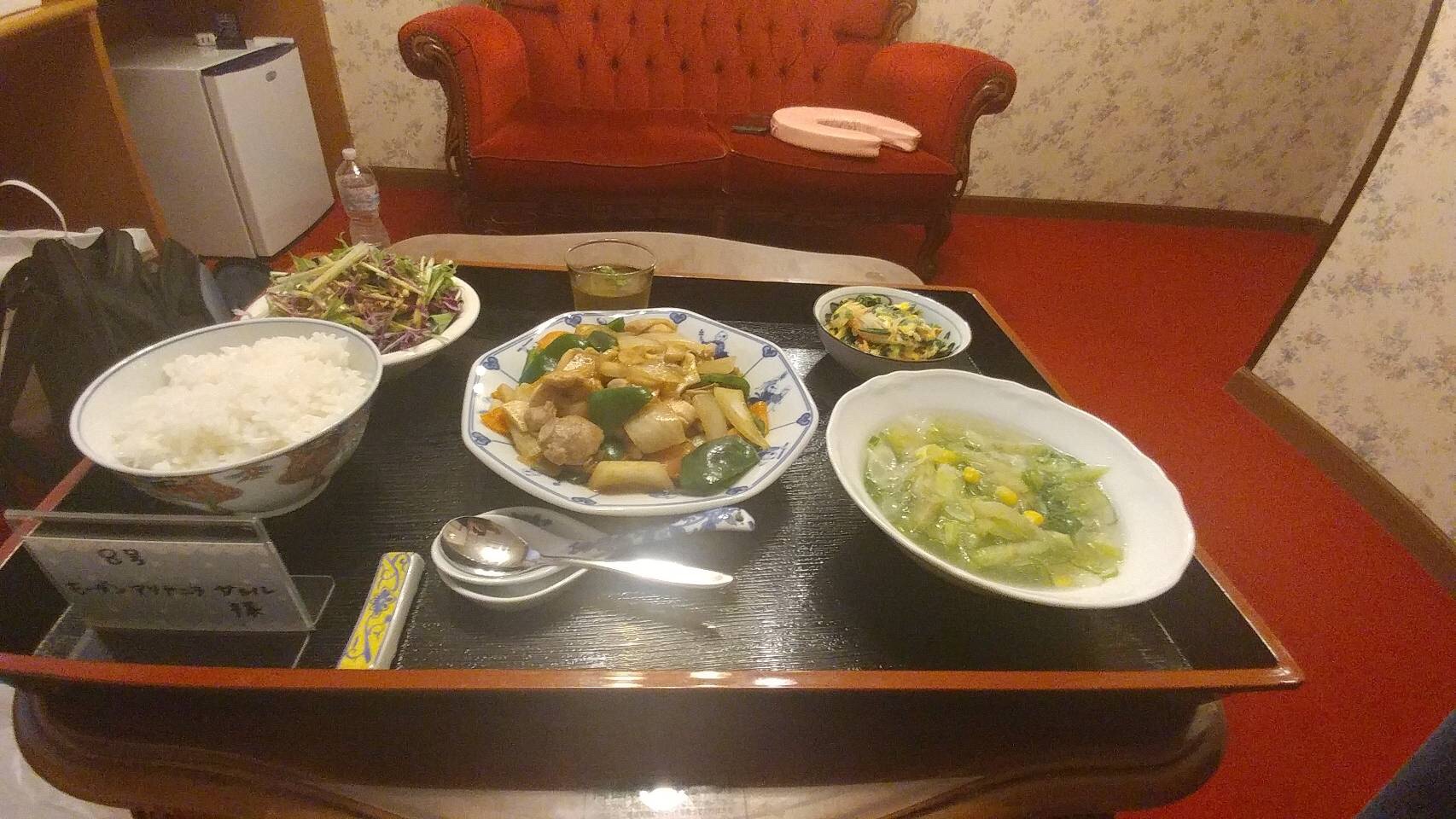
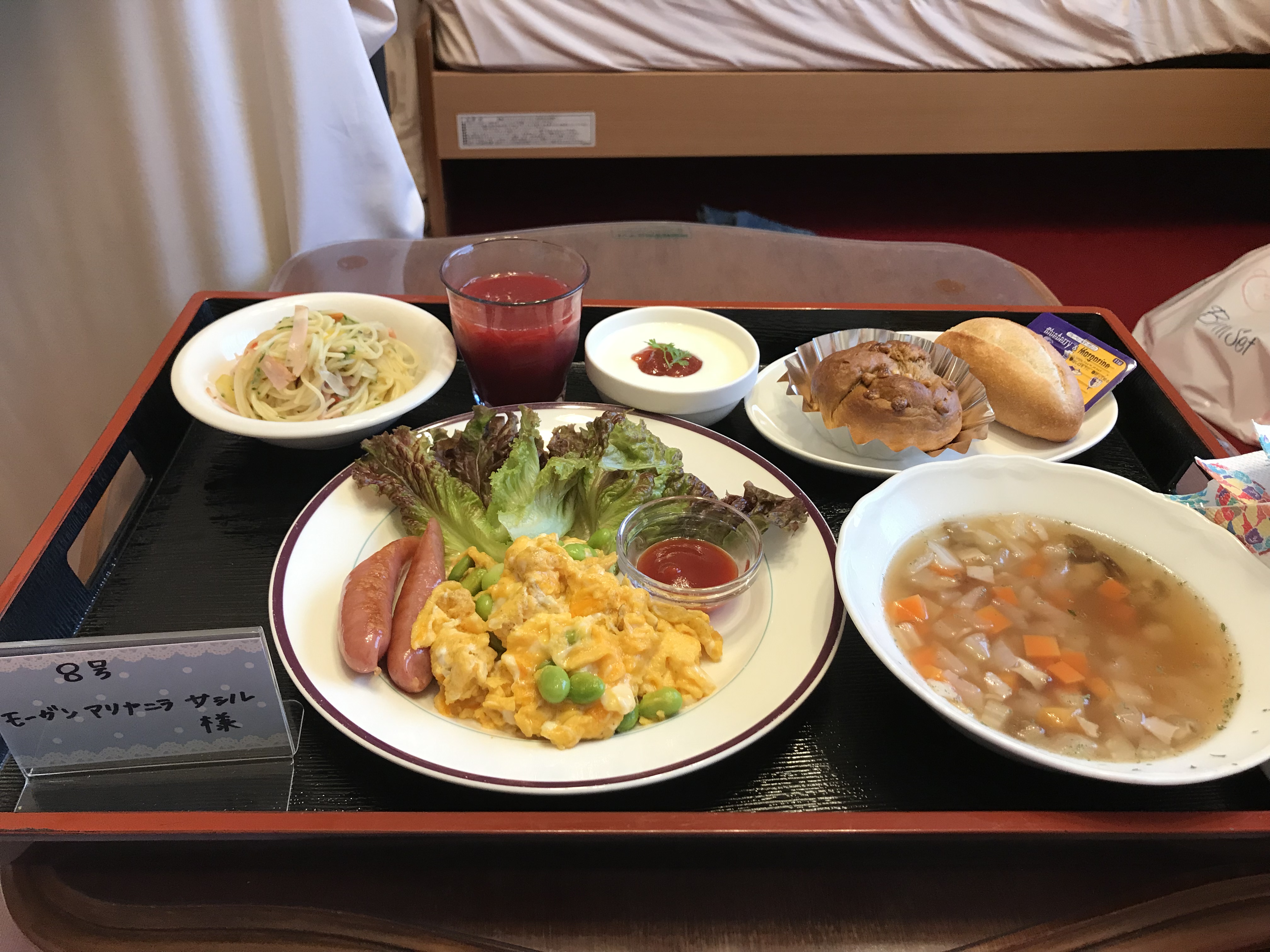
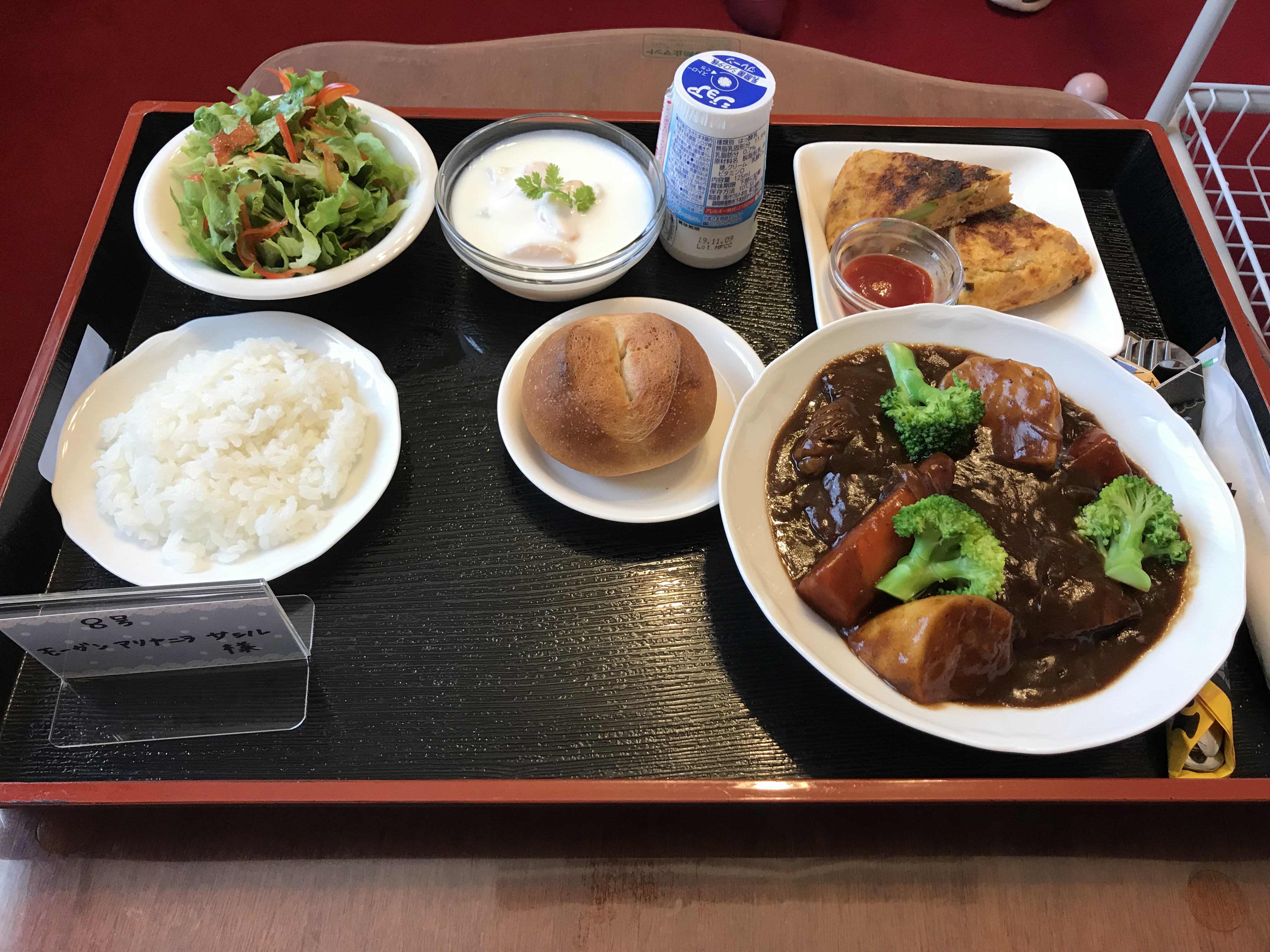
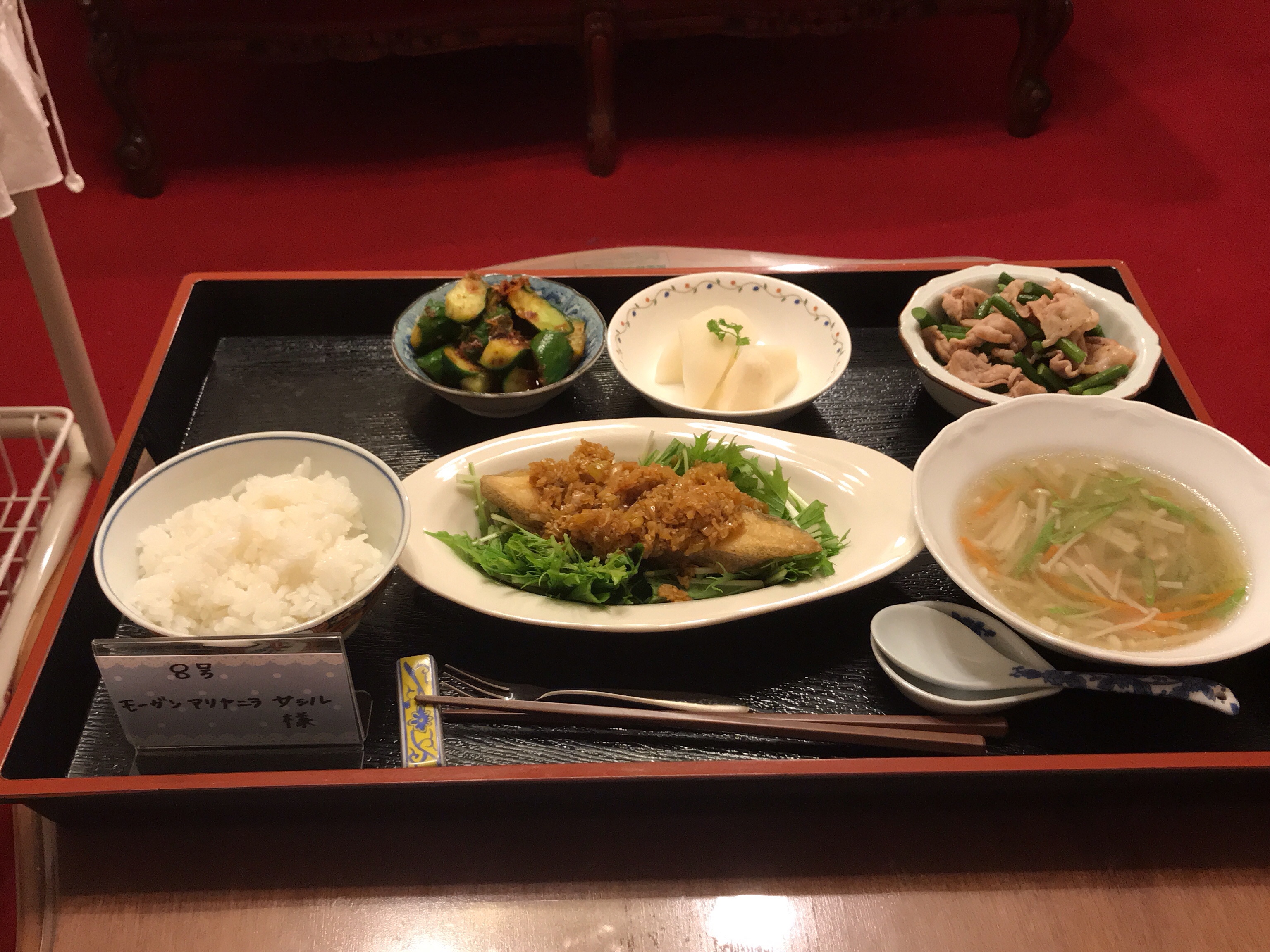
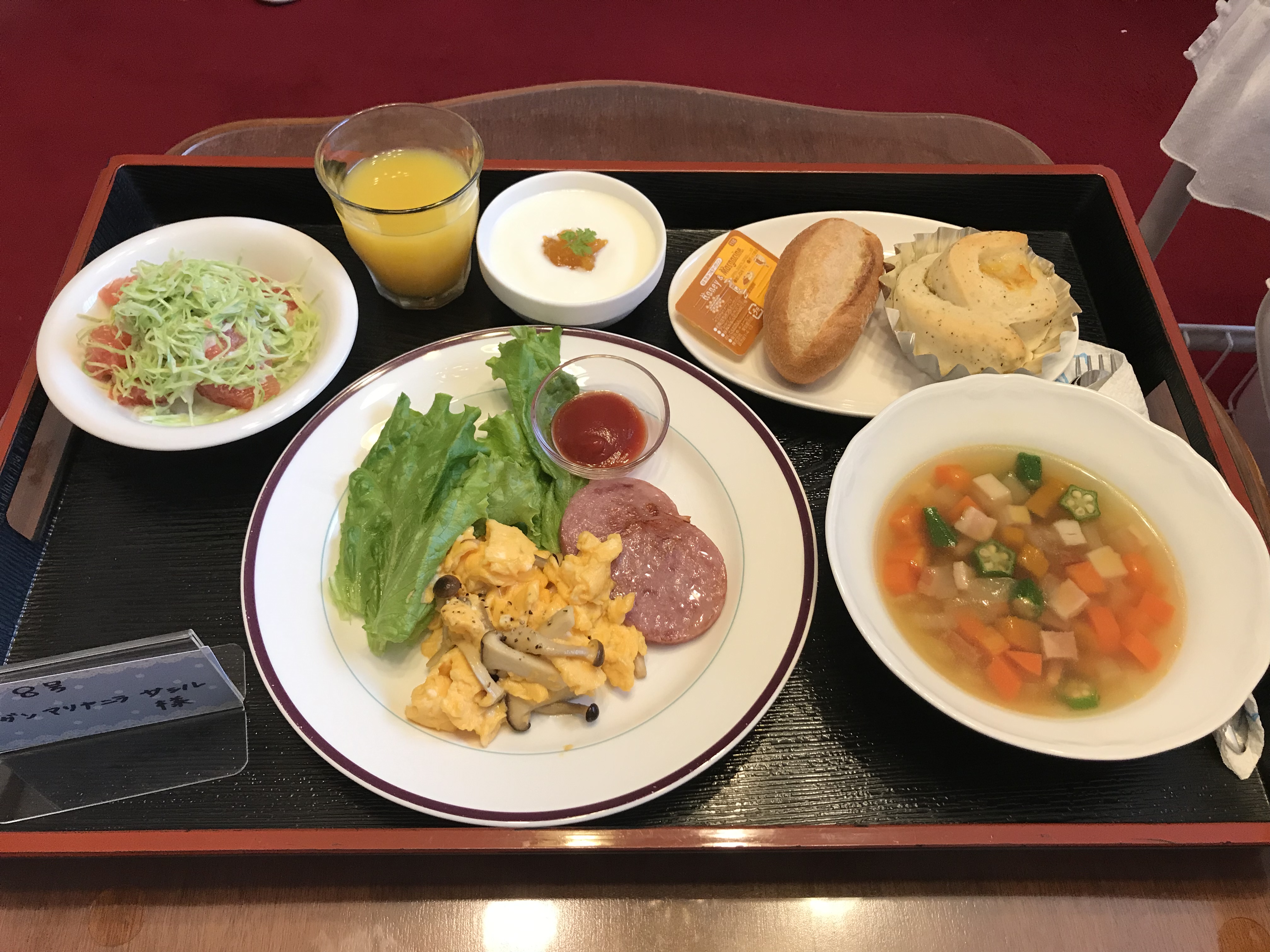
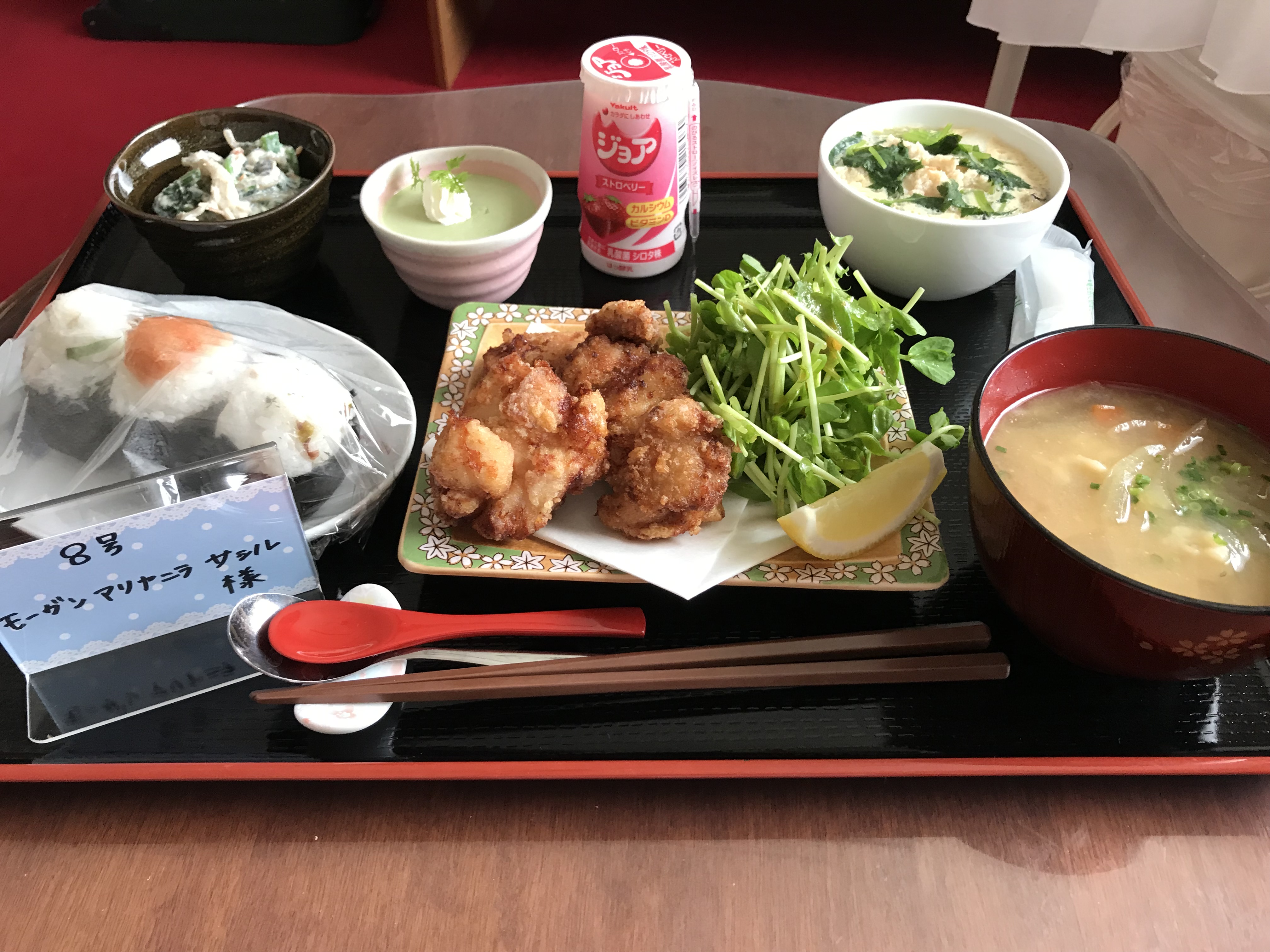
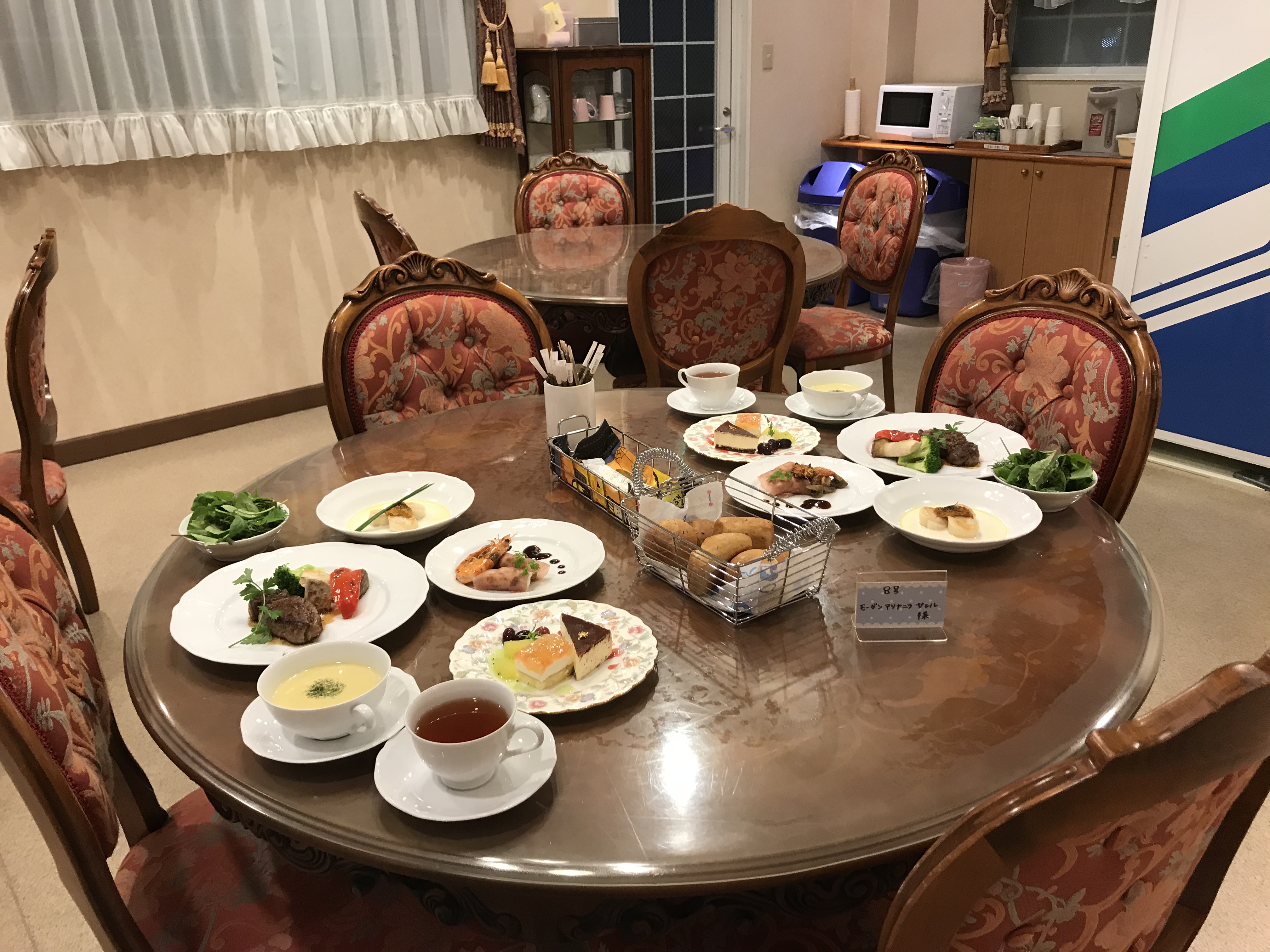
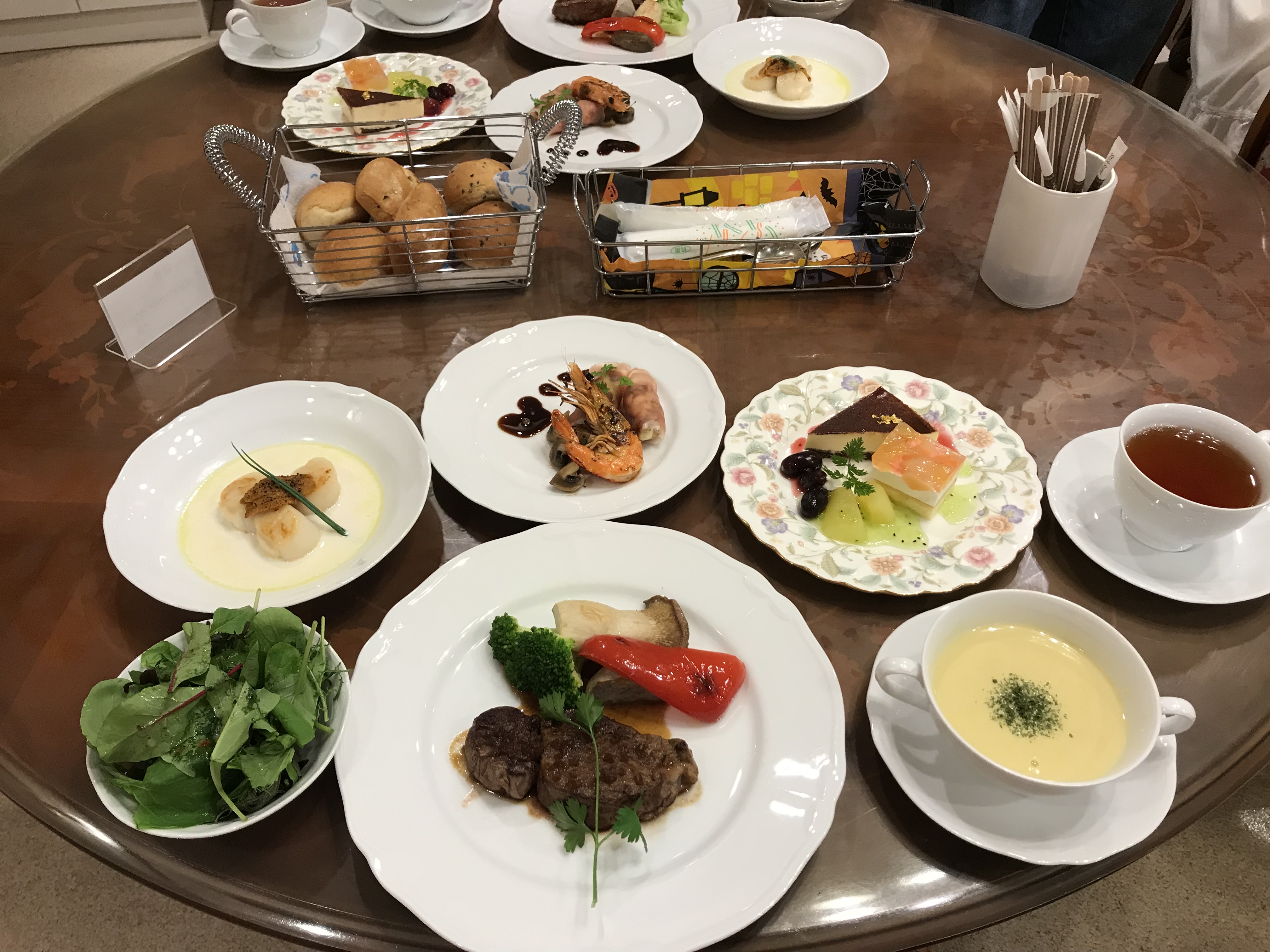
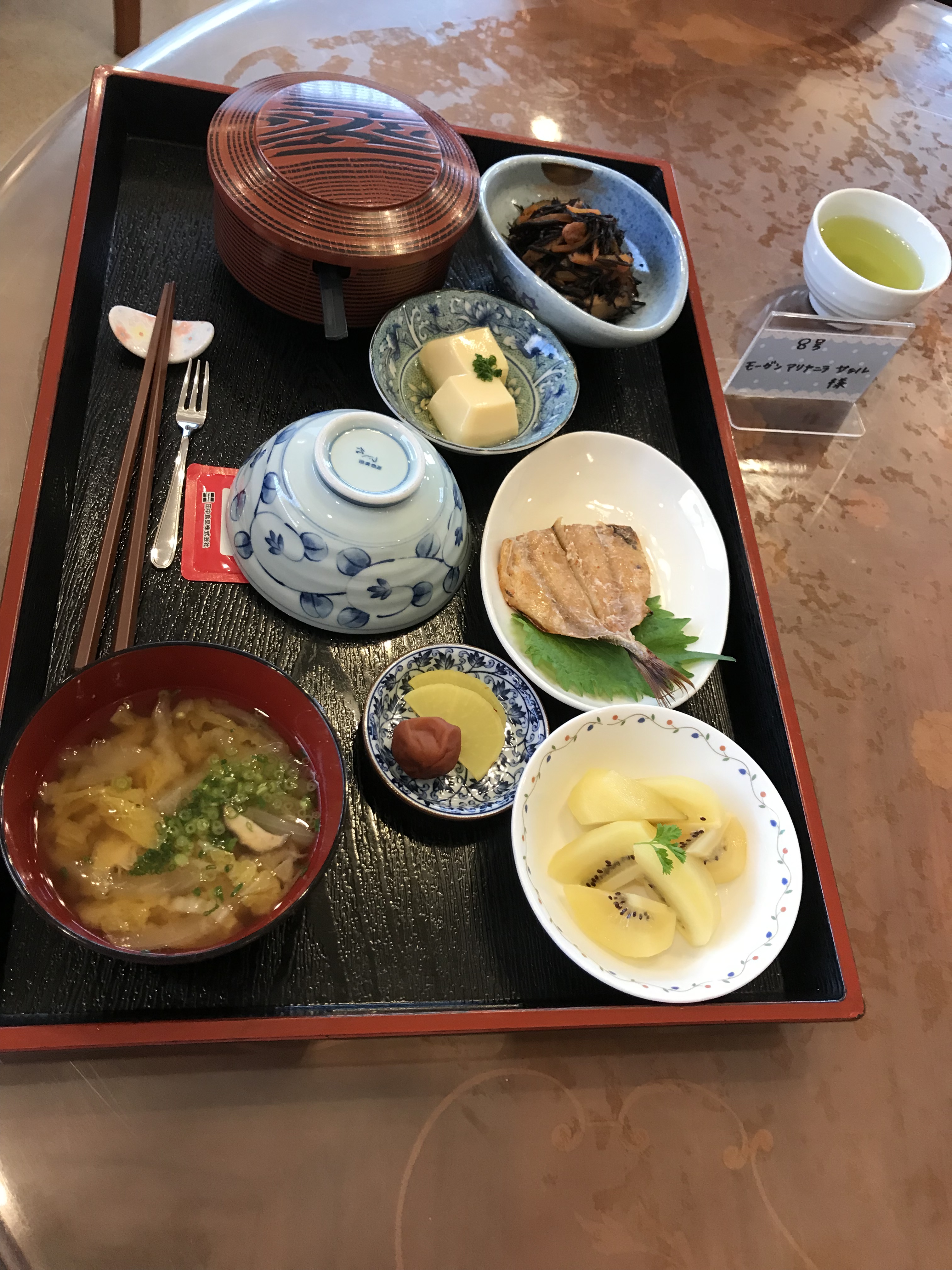
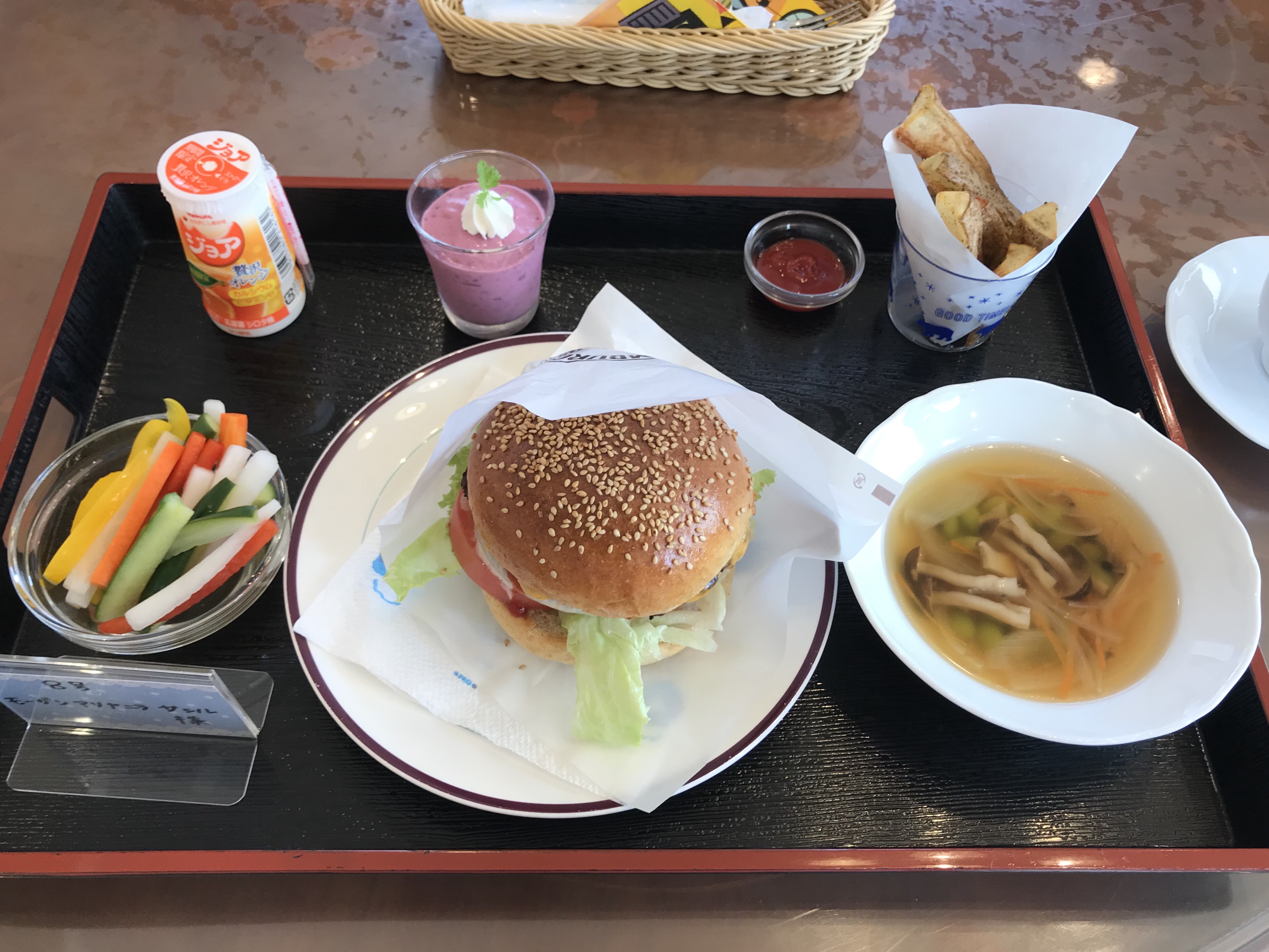
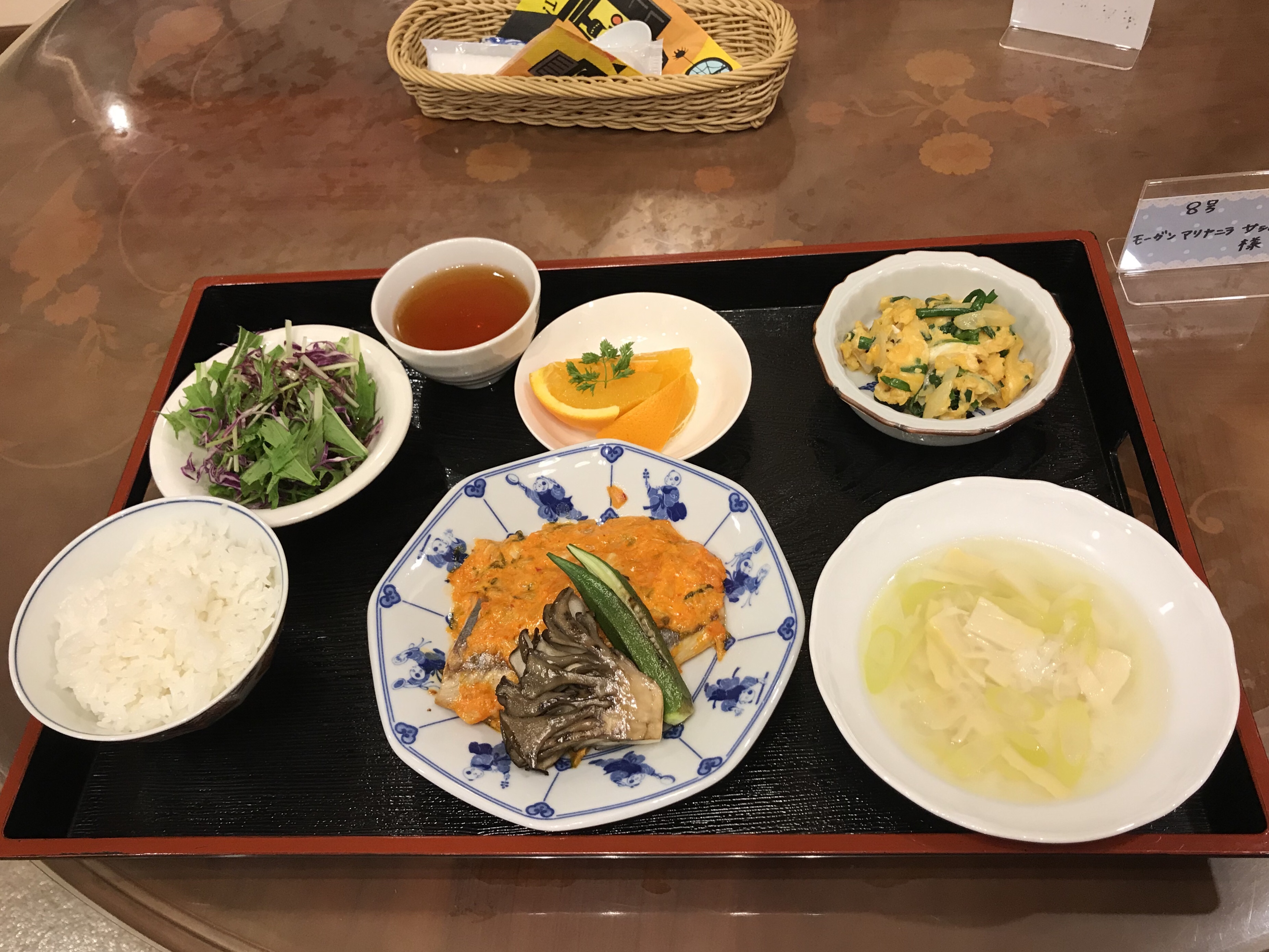
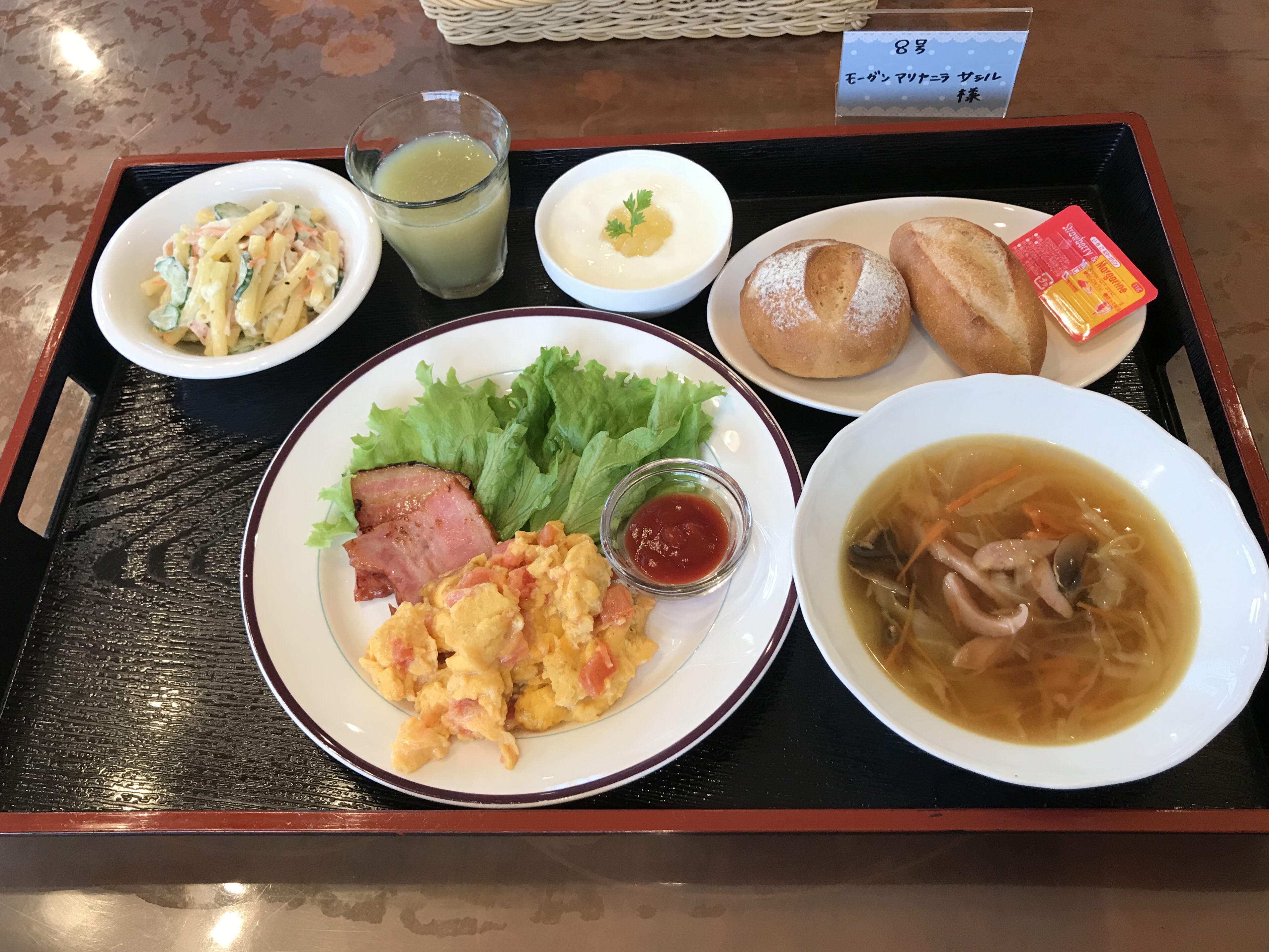
    I would like to share the meal prepared in my entire stay (six days, five nights) in my maternity clinic.

    I got admitted in the morning of Tuesday, October 22, 2019, past breakfast time (around 7:30). I delivered the baby at 12:34 in the afternoon.

    Day 1 (Tuesday, October 22,2019)

    Lunch – so exhausted I couldn’t even eat much more take a picture.

    Dinner

    Day 2 (Wednesday, October 23,2019)

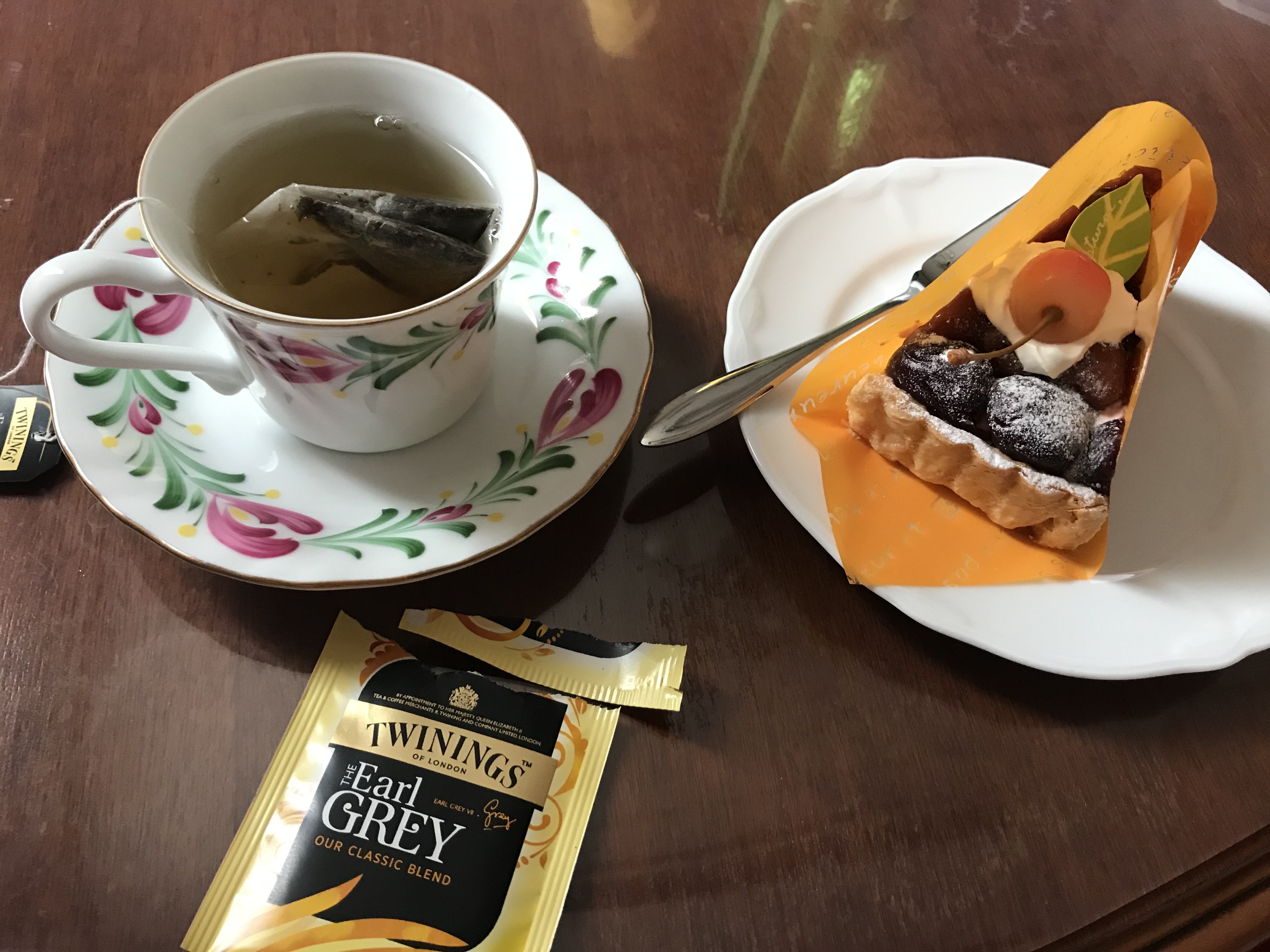
    Breakfast

    Lunch

    Snack time

    Dinner

    Day 3 (Thursday, October 24,2019)

    Breakfast

    Lunch

    Dinner

    Day 4 (Friday, October 25,2019)

    Breakfast

    Lunch

    Snack time

    Oiwai (Celebration) Dinner

    Day 5 (Saturday, October 26,2019)

    Breakfast

    Lunch

    Dinner

    Day 6 (Sunday, October 27,2019)

    Breakfast (Last meal in the clinic)

  • Look at This Public Restroom in Japan

    Look at This Public Restroom in Japan

    One of the many things I love about Japan is their toilets. You will be amazed at how sophisticated the technology is in this part of the planet. With all the buttons there are to press, you will be lost if you can’t read Japanese. And it is not just about the toilet bowl. It is everything about the restroom.

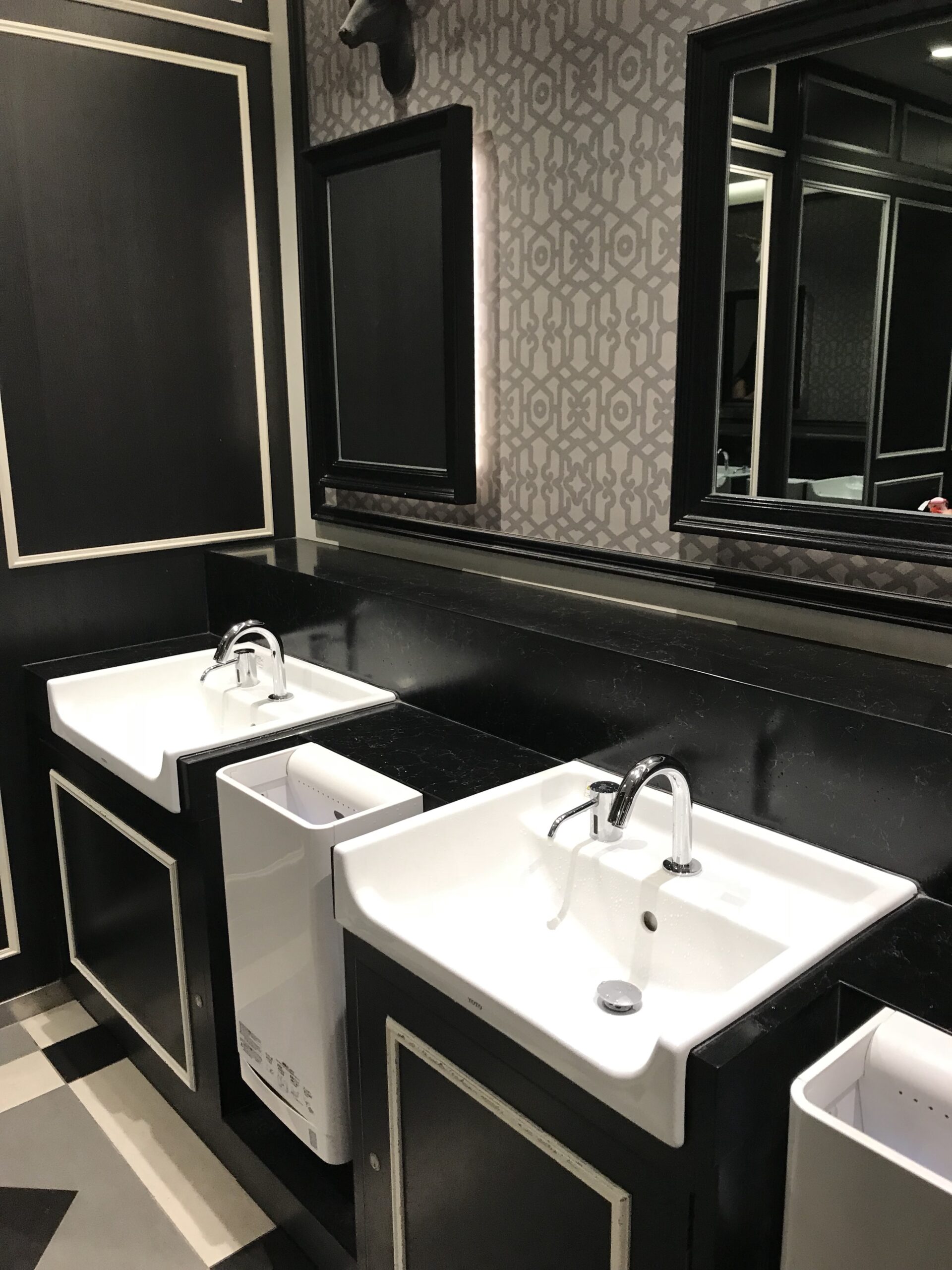
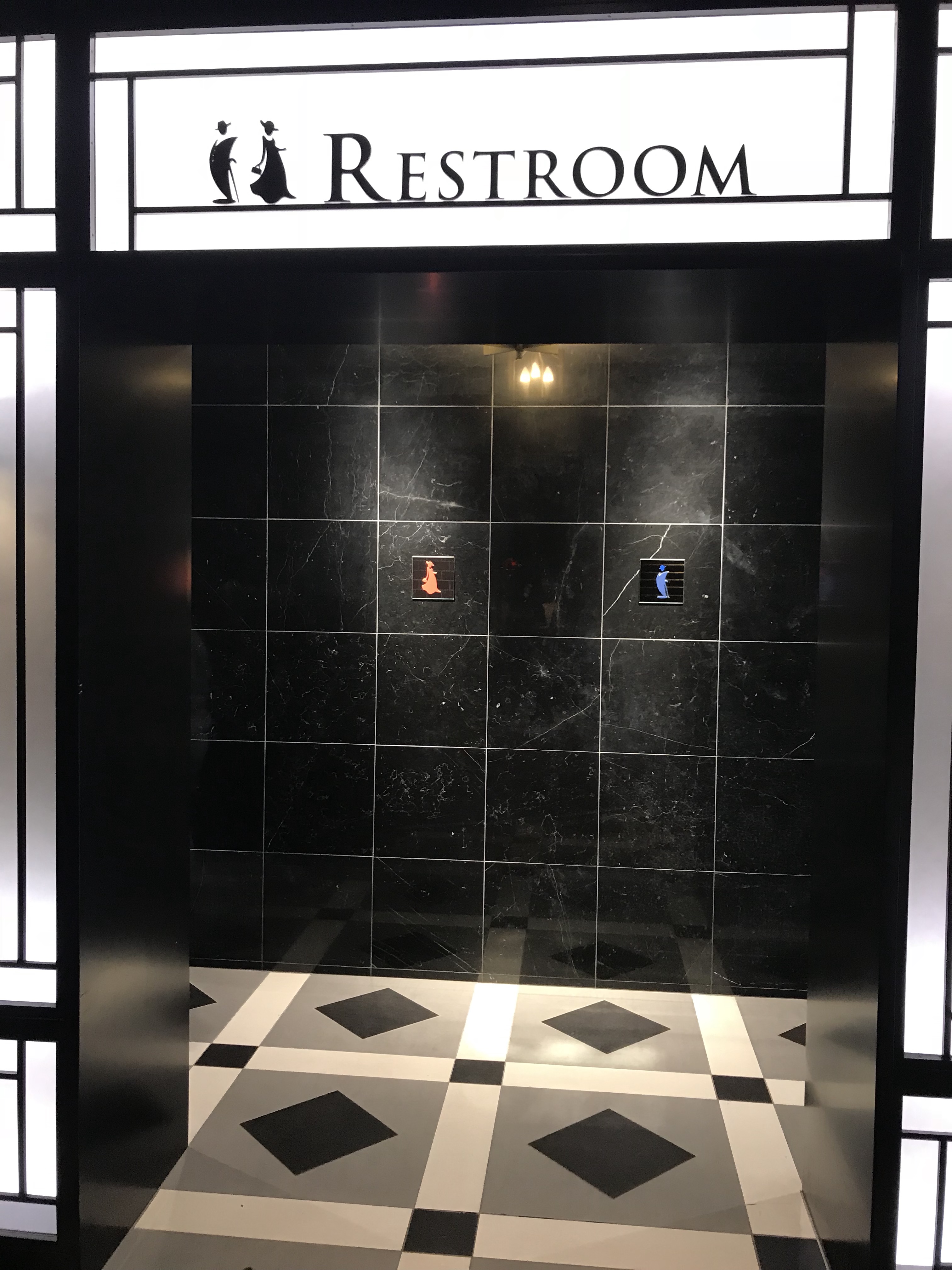
    Here is one of the many elegant public restrooms in Japan. This one is located in Tenjin Chikagai in Fukuoka. Chikagai means undergound shopping center.

    I discovered this beautiful restroom last Saturday when I went to Tenjin to bond with my cousins and my sister.

    I am one of the many female who go to the toilet many times a day. As I was trying to figure out how to get to the meeting place from the chikagai, the call of nature brought me here.

    The entrance is very sophisticated in black and white theme. And even the female and male symbols are nice. I think the best part is the floor. I like the pattern of squares and triangles. Very simple but very nice.

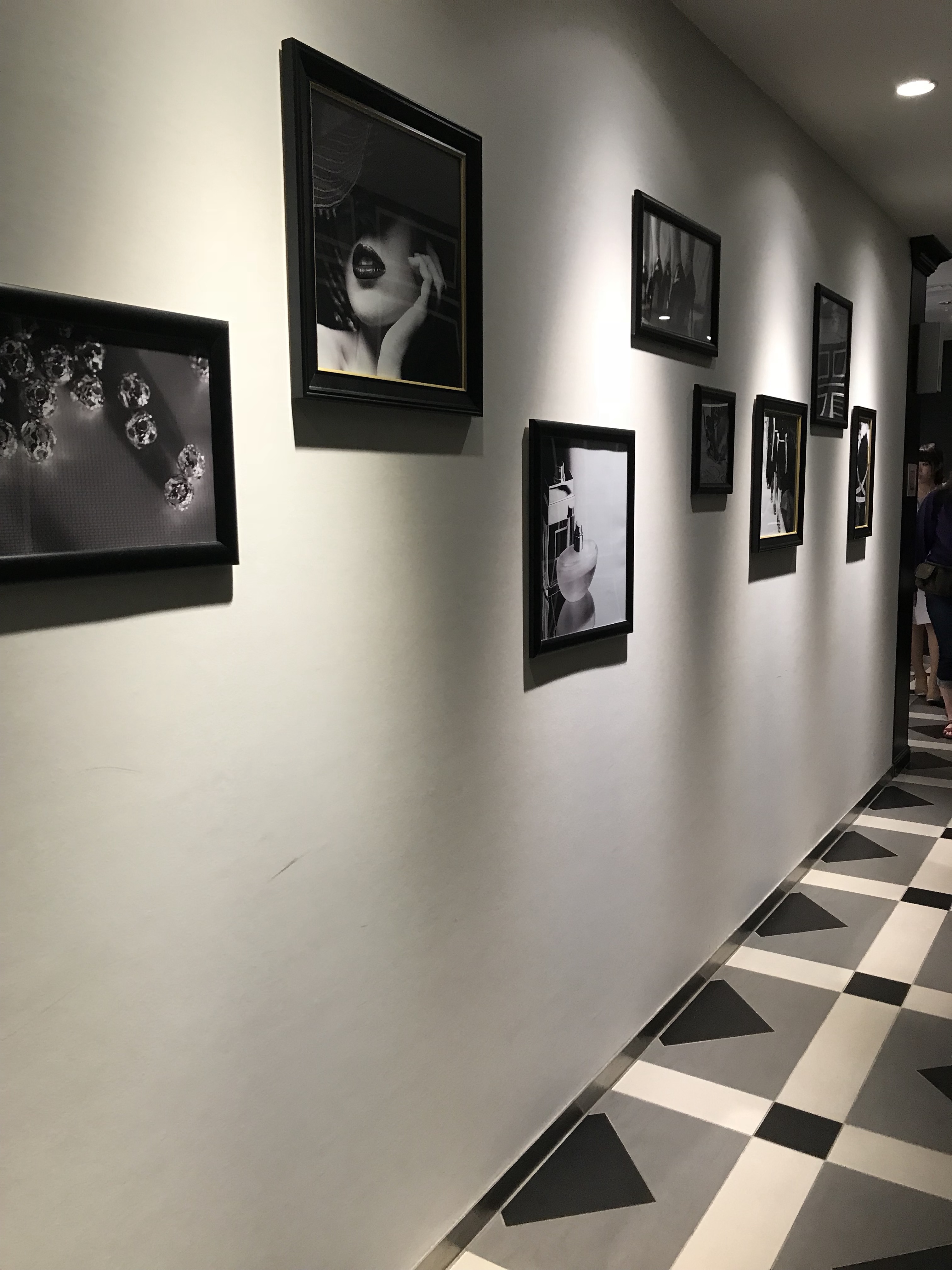
    The hallway wall is decorated with picture frames also in black and white. Unity – one important factors of design is very evident here.

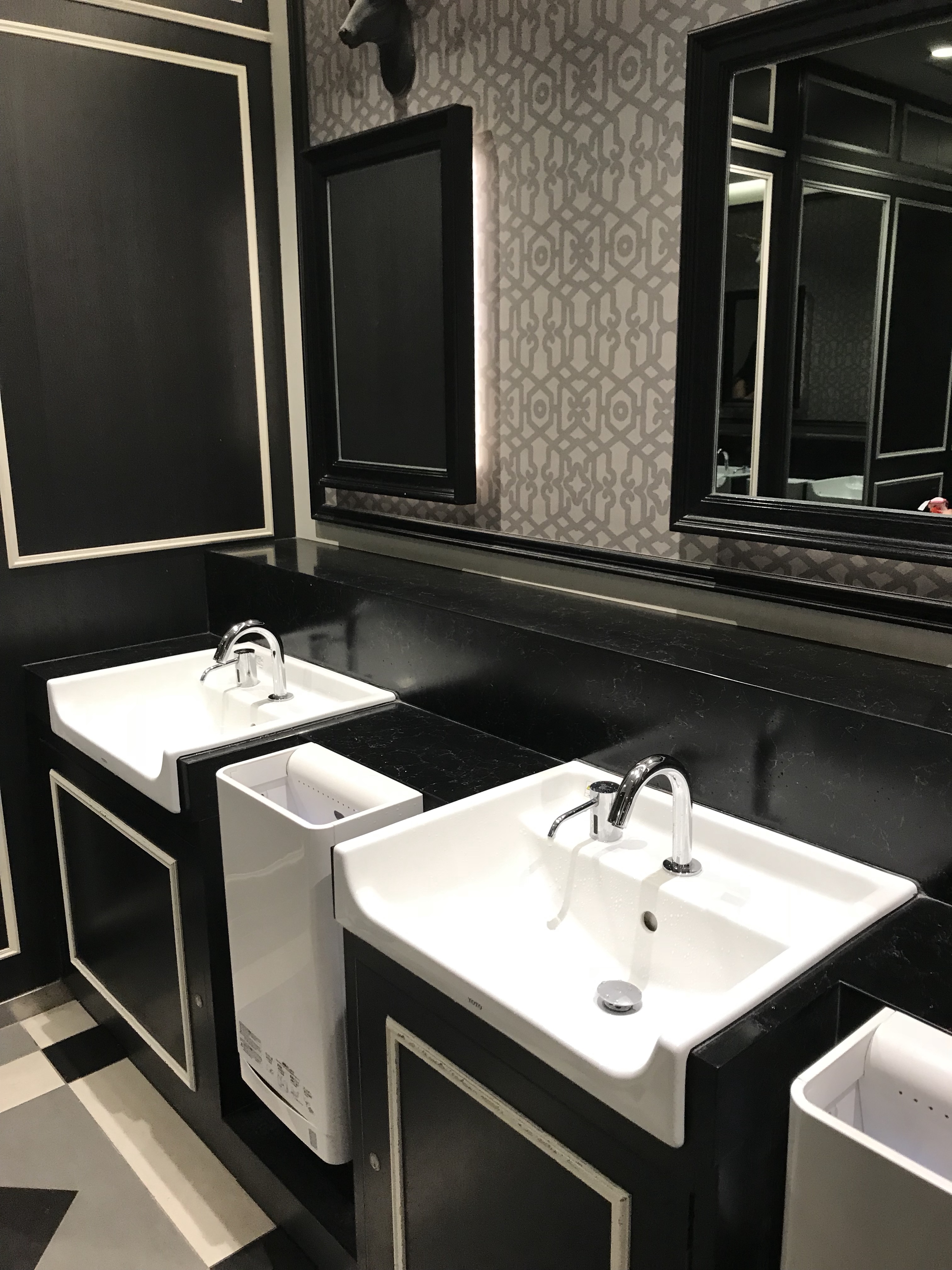
    Everything was either black or white. The mirror frame and the cabinets are black. The sink and the hand dryer are white. The wallpaper add texture and pattern to the room.

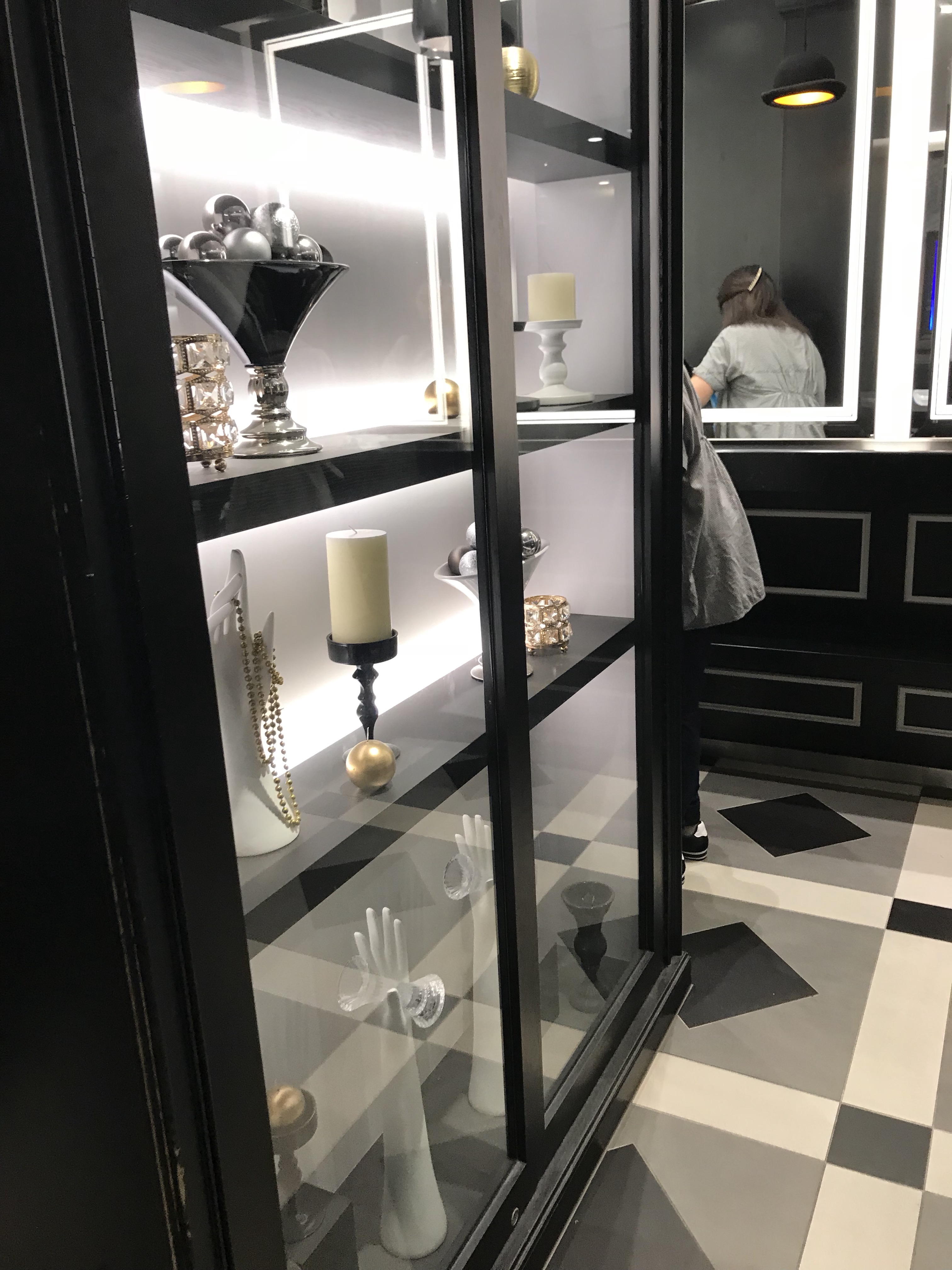
    There is also this big cabinet displaying silver and gold items. It gives the feel of luxury.

    And last but not the least, of course, my toilet selfie. The big whole wall mirror is so inviting you can`t resist for a snap.

  • How to distinguish Japanese from Korean and Chinese

    How to distinguish Japanese from Korean and Chinese

    Can you tell if a person comes from a specific country? Before coming to Japan, I had no idea how to distinguish Japanese, Korean and Chinese from one another. I had quite a few experience (when I was in the university as an international student) of trying to speak Japanese to a fellow student who I thought is Japanese, but after all, turned out to be Korean or Chinese (who is new to Japan and cannot speak Japanese). To avoid future embarrassment of assuming someone is not, let me discuss their similarities and differences. This is according to my observations and the opinions of my friends with who I discussed the subject.

    twitter.com

    Similarities

    1. Skin.

    preview.ph

    Japanese, Korean and Chinese, generally, have the same skin characteristics. It is popular that their skin is more resistant to aging and that they have fair, light porcelain-like skin. It is due to extreme sensitivity to environmental factors and chemical effects of some products, which can disrupt the pH balance. For this reason, advertising about skin beauty care in Asian countries is very economical as Japanese, Korean and Chinese (especially girls) have to be more careful with products and treatments they use on their skin. It is even impressive to see the number of skin care products build on the myth that Asian skin would look amazing and healthy for a long time. so, it is hard to tell who is who if you only look at their skin. 


    2. Body built


    theatlantic.com

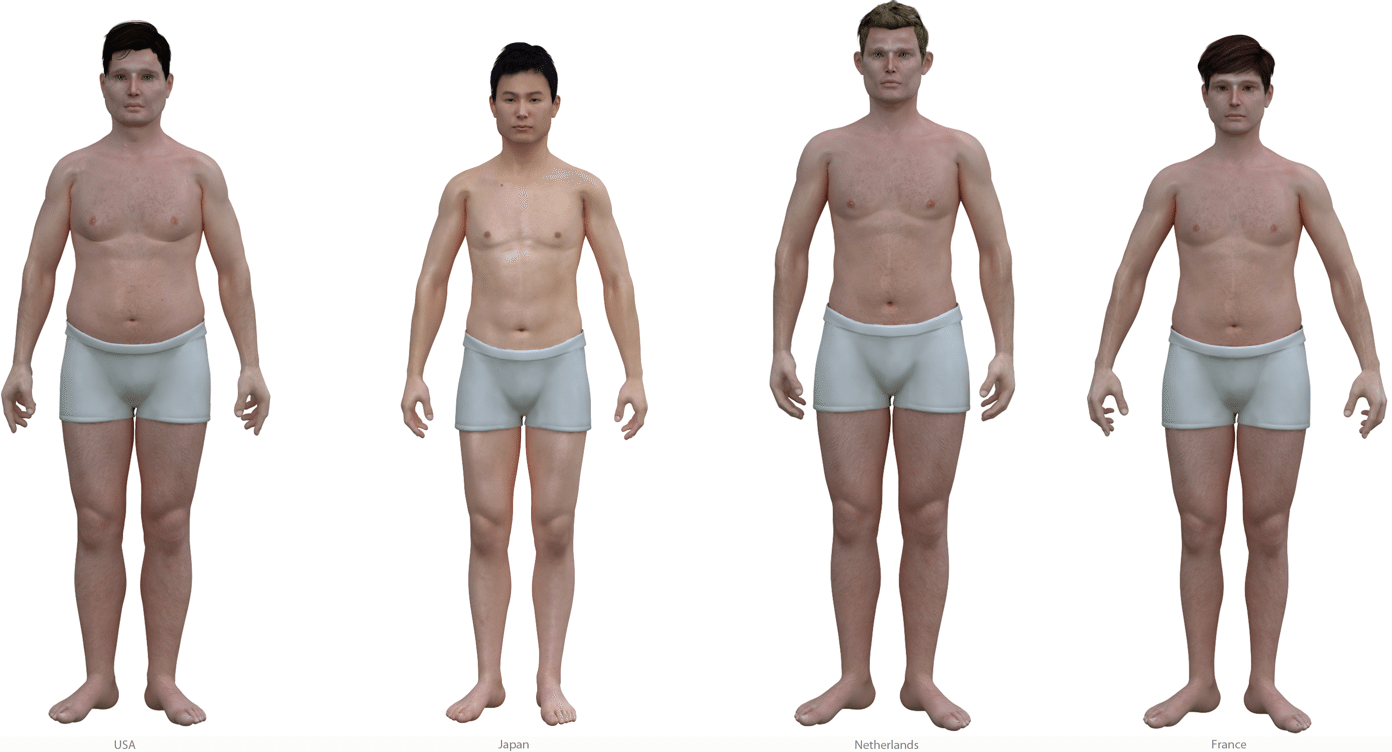
    There are of course differences in body built among Japanese, Korean and Chinese people.  As human as we are, we can be fat, thin, big or small. It all depends on our individual diet and consumption, not to mention our genes. Although we have a general impression as to how, for example, an American body tend to be (tall and big). Asians, specifically Japanese, Korean and Chinese, are typically of slim body built and kind of short in terms of height. But be careful not to label all of them slim and short, because, as I have said, everyone is different. Some can still be tall, big and fat.


    Differences

     1. Facial Features.

    onehallyu.com

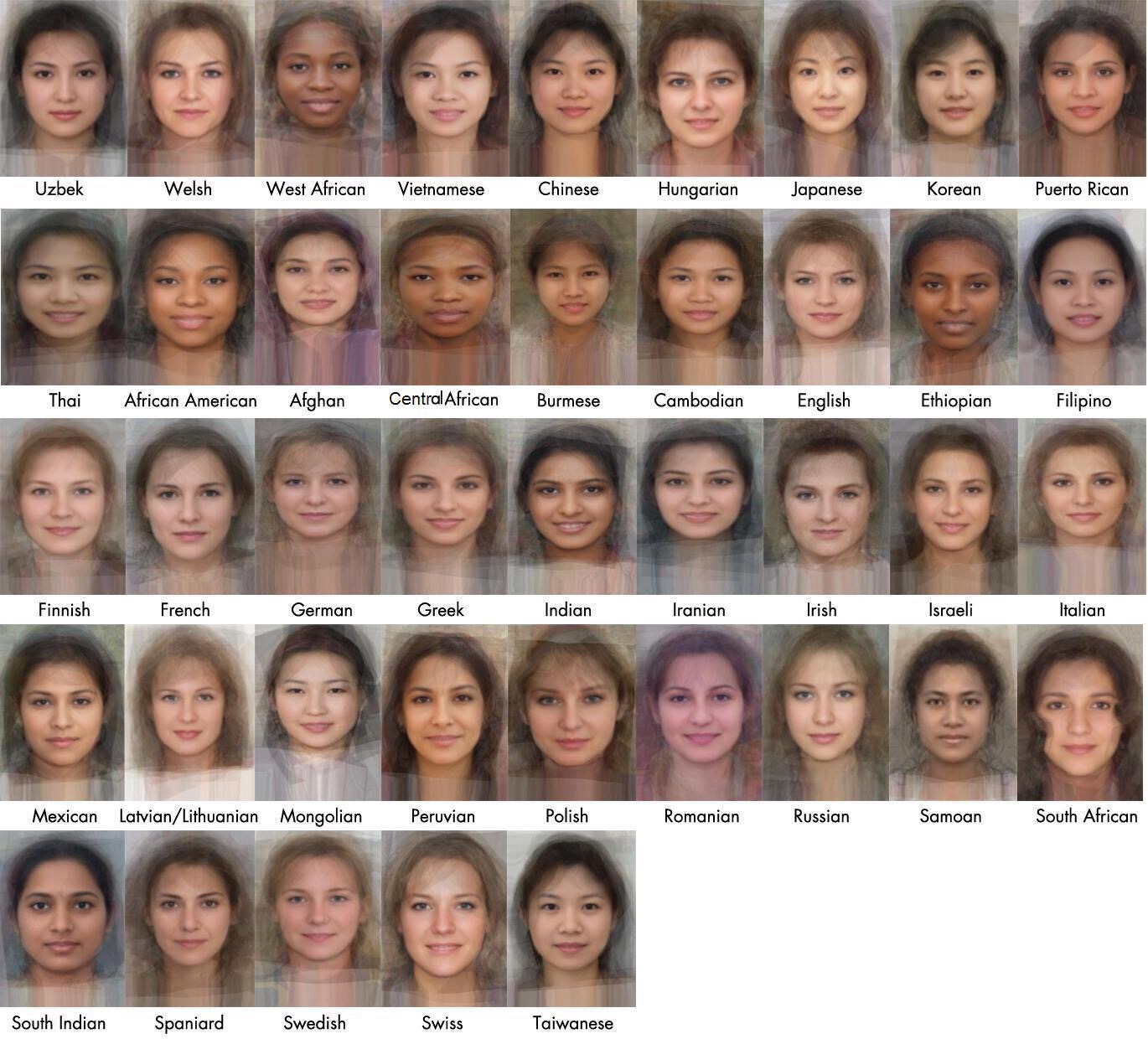
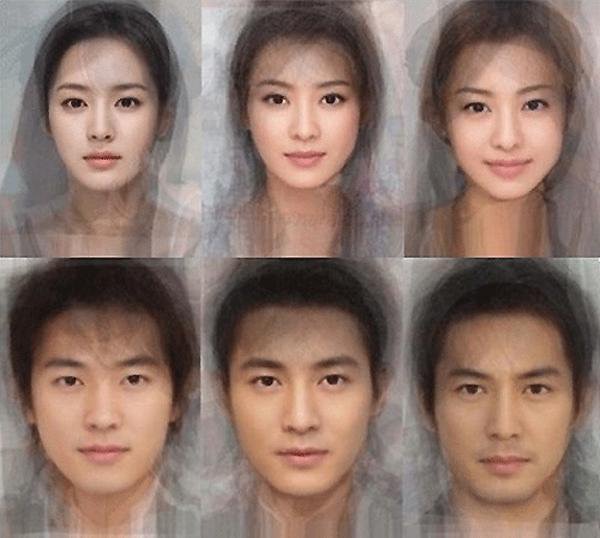
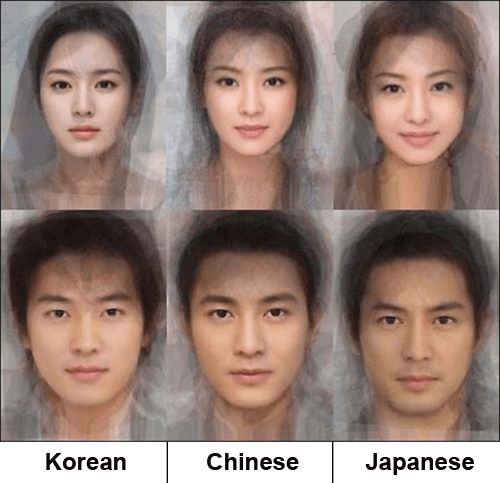
    They may look the same, but if you are a keen observer, there are a few distinguishing characteristics. The Japanese face is generally longer and wider, while the Korean face often has a more prominent jaw and high cheekbones. The Chinese face is typically round in shape. When it comes to the windows of the soul, the Japanese eyes are often described as angled upwards, contrary to the Chinese eyes which are usually angled downwards. Koreans often have smaller eyes.


    2. Dressing style

    Japanese street fashion


    thetokyogirl.com

    My Japanese friend told me it is easy to tell whether a person is Japanese or Korean. Just look at how they dress. Japanese people value harmony and uniformity, hence, when they dress up, it is something aimed to blend with the majority. Plain, simple and subtle colors are the key to typical Japanese attire. Nothing that stands out. I observed that wearing suit is very common in Japan. May it be a final (research) presentation in school, a job internship, a job interview, graduation; Japanese usually wear suits, in black and white (inner). Very seldom you can see a coloured inner. 

    kore.am

    Contrary to Japanese, most Koreans wear bright and more colourful attire. I remember my Korean friend said in her culture presentation in school, that, unlike in Japan, they can wear nice colourful dresses when they do their internship and especially during job interview. Chinese, on the other hand, due to its high cultural diversity is difficult to distinguish


    Even up to now, after living for quite some time in Japan, it is still challenging for me to tell which is what, and who is who. Even people of the same race can look different. It is hard to generalize. We can never actually generalize. As the saying goes “Everyone is unique”.

  • What makes kanji difficult and challenging and what are the ways to overcome it?

    What makes kanji difficult and challenging and what are the ways to overcome it?

    Many Japanese language learners express difficulty about the language and most of them say that learning kanji is what makes it hard.

    Kanji is one of the three set of characters, together with Katakana and Hiragana, which make up the Japanese language. While Katakana and Hiragana symbolize sounds, Kanji symbolizes meaning.

    So, what makes kanji difficult and challenging? The answer is simple -it’s the way they are written and read. Let’s discuss them one by one.

    A. Writing

     The way to write kanji is based on strokes – number of strokes, stroke pattern. For example, the kanji for number one 一 read as ichi consist of only one stroke. That is from left to right. More complicated kanji, for example the kanji for difficult, 難しい read as muzukashii, 難 itself consists of eighteen strokes.

    When writing a kanji, the stroke should follow the following order:

    1. Left to right

    2. Top to bottom
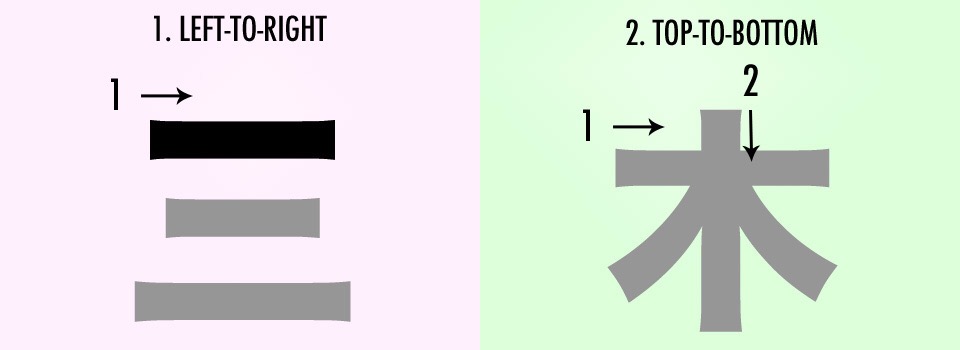
    I was always amazed by how our Kanji teacher always could tell how I wrote the kanji in the wrong order. How could she know the order just by looking at the lines? Isn’t it amazing?

    Moreover, the way to end a stroke is categorized into three.
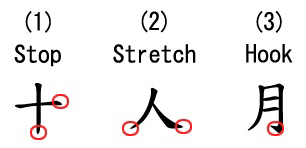
    1. Stop. Stop stoke is done by completely stopping your writing tool at the end and lifting it to start on to the next stroke. To make it simple, it looks like a straight line.

    2. Stretch. Stretch stroke is done by lifting your writing tool as you end the stroke. It looks like a curvy line.

    3. Hook. Hook is done when you make a small hook at the end of the stroke.
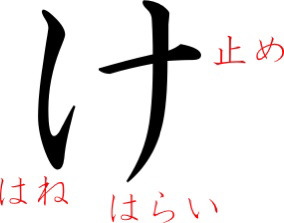
    If you fail to follow this rule, the meaning can completely change. The kanji for thousand 千 read sen, chi and dry 干 read as ho(su), kan for example look alike but they are, of course, different. The first stroke for千 is a slash stroke from right to left while干 is a stop stroke from left to right.

    Kanji characters are categorized into four patterns
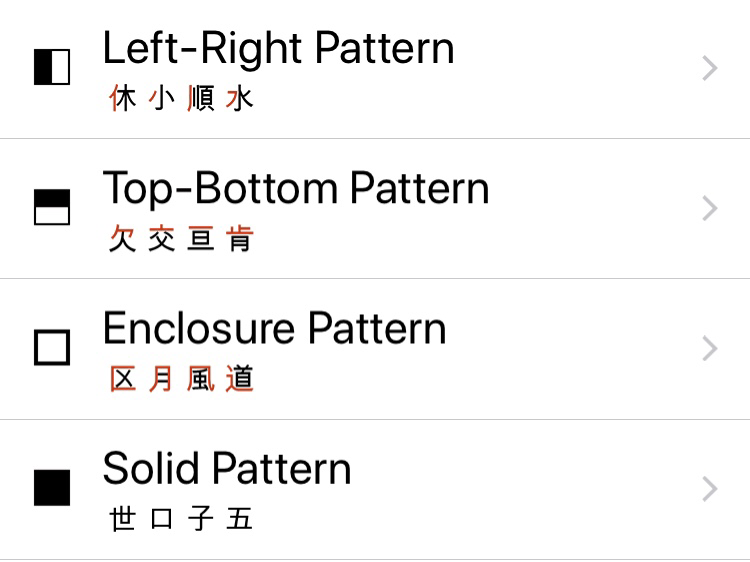
    1. Left-Right

    2. Top-Bottom

    3. Enclosure

    4. Solid

    B. Reading

    Reading kanji is the most challenging part. This is where your memorization skill is tested and harnessed. Kanji has two basic kinds of reading, onyomi and konyomi.

    a. Onyomi 音読み, the Chinese reading. From the word itself, this reading is derived from the Chinese reading, although many of my Chinese friends say that they read kanji completely different from Japanese way of reading.

    A kanji character can have one on’yomi or more. It can have only on’yomi without kun’yomi or it can have both. On’yomi is used when two or more kanjis are put together to form a word. Say for example the word for teacher 先生 read as sensei. That is to say the on’yomi for the first kanji 先 is sen and the second kanji 生 which has two on’yomi sei and shou, uses sei in this case. But, it is not always the case. The kanji for birthday which is 誕生日 does not use on’yomi for each kanji character. There is only one reading for the kanji 誕, that is the on’yomi tan and no kunyomi. The kanji 生, this time uses shou which is changed to jou (and that is another way of switching sound), and the last kanji 日, uses not the on’yomi nichi or jitsu but the kun’yomi bi.

    b. Kun’yomi 訓読み, the Japanese reading, on the other hand, can be single or multiple. It is commonly used for reading a word with one kanji alone or kanji and hiragana combined. Let’s go back to our example word sensei 先生 (teacher). If 先 is used alone, this is read as saki or masu. 生, is one of the many kanji characters which has many kun’yomi. It can be read as the following:

    生きる ikiru (to live)

    生かすikasu ( to make use of)

    生けるikeru (to arrange, to plant)

    生まれる umareru (to be born)

    生れるumareru (to be born)

    生まれ umare (birthplace)

    生む umo (to give birth, to deliver, to produce)

    生える haeru (to grow, to spring, to sprout)

    生やす hayasu (to grow, to cultivate, to wear a beard)

    生 ki (pure, undiluted, raw, crude)

    生る naru (to bear fruit)

    生す nasu (to build up, to establish)

    生す musu (to grow of moss, etc.)

    Most words made up of multiple kanji use on’yomi and kanji-hiragana combinations use kun’yomi, but not in all cases. Say for example the word for Sunday, nichiyoubi 日曜日, where the first 日 uses the on’yomi nichi while the second 日 uses the kun’yomi bi.

    C. Meaning

    Since kanji are pictograph, each kanji represents a particular meaning. Can you tell why the following basic kanji carries each meaning?:

    人 person

    大 big

    山 mountain

    川 river

    口 mouth

    木 tree

    火 fire

    Most of the kanji above look like the object they represent, aren’t they? Some even has stories about how they come up to such meaning. Like the kanji for rest 休 (yasu-mi). the left part represents a person while the right part represents a tree. In short, a man “resting” under a tree. But, wait! It’s not that easy. Not all kanji can be explained by how it looks like. Most kanji are irrelevant to their meaning, that even Japanese cannot explain and the only thing you can do is memorize them. Look at the following examples and see if you can explain why such kanji carries the following meaning:

    瓶 bottle

    飲む drink

    蛙 frog

    色 color

    別 separate

    These are only a few. There are thousands of kanji that you have to learn. Don’t get discourage. Even Japanese don’t memorize all kanji there are. We only need to learn a few (like three thousand) to survive Japan

    Tips in learning kanji

    1. Write them down. That’s the only way to learn how to write it right. You have to learn the strokes. And you need to write it many times. Many many times. That’s how the Japanese learn kanji, too. Elementary kids have Japanese writing homework everyday where they have to write a set of kanji many times. And not only the single kanji itself but the word it forms. And not only the word, you have to write the sentence it is used. That way, it will stick in to your head.

    2. Find a meaningful connection of a kanji character to something that makes it easy for you to memorize. Imagine a story out of a character. For example, 低い hikui (low, short). The first stroke on the left is a person and the strokes on the right represents two legs stepping on something to be equal the height of the person because she is ‘short’.

    3. Read stories with audio background so you can listen while reading silently. After that, try reading it aloud. I found a website that has many Japanese stories with audio files. I like it very much because it shows me the kanji of the words I already know but never seen the kanji before. It helps a lot.

    4. Watch Japanese TV whether it’s news or drama. Don’t watch with English subtitles. Watch it with Japanese subtitles. Most Japanese news and some programs have Japanese subtitles.

    5. Read labels and packaging and try to understand some words you don’t know. Research. Research. Research. I tell you. One of the words that came out in JLPT N2 Vocabulary section is a word always seen from food packaging. And I regretted why I didn’t try to learn it before the test.

    6. Love it. If you hate kanji then you’ll never learn. You have to find the passion to learn each stroke, it’s meaning, it’s reading. You have to learn to appreciate how wonderful it is that a single character can mean many things when combined with many other characters. If you say you can’t, then you won’t. Our mind is so powerful. If you set your mind to refuse to learn then it will shut down and will never understand. It will only see the negative side of learning. Train your mind to open up to new things and new knowledge like learning a new kanji everyday and one day you’ll see the fruits of your labor.

    That’s all for now.

    If you want to say anything about this article, just leave your comments below.
  • Wedding Cultures in Japan and the Philippines

    Wedding Cultures in Japan and the Philippines

    Wedding is one of the most celebrated events in one’s life all over the world. It is interesting to note that saying “I do” and the intricate details of getting married may be the same, slightly different or the complete opposite in one culture from another culture.
    tickera.com

    In this article, we will talk about the wedding cultures in Japan and the Philippines. Being a Filipina living in Japan for few years now, I am confident to say that I can at least share to you a little knowledge about this matter straight from my own experience. Some of it you may already know and some may surprise you. Some might make you feel glad that you are born Japanese or Filipino or the other way around.


    Japan


    Getting married in Japan is very practical and let me say very realistic. Let me enumerate them one by one.

    1. Getting married in the city hall.

    A couple can get married officially by going to the city hall and file a report of marriage. All you need to do is fill up a form where two witnesses sign, submit a paper proving you are eligible to get married, some pertinent documents like family register and that’s it. Once you submit these documents, get a marriage certificate, you’re officially married. This is the only way to legally get married in Japan. The marriage date is when you submit the papers.


    2. Wedding ceremony.

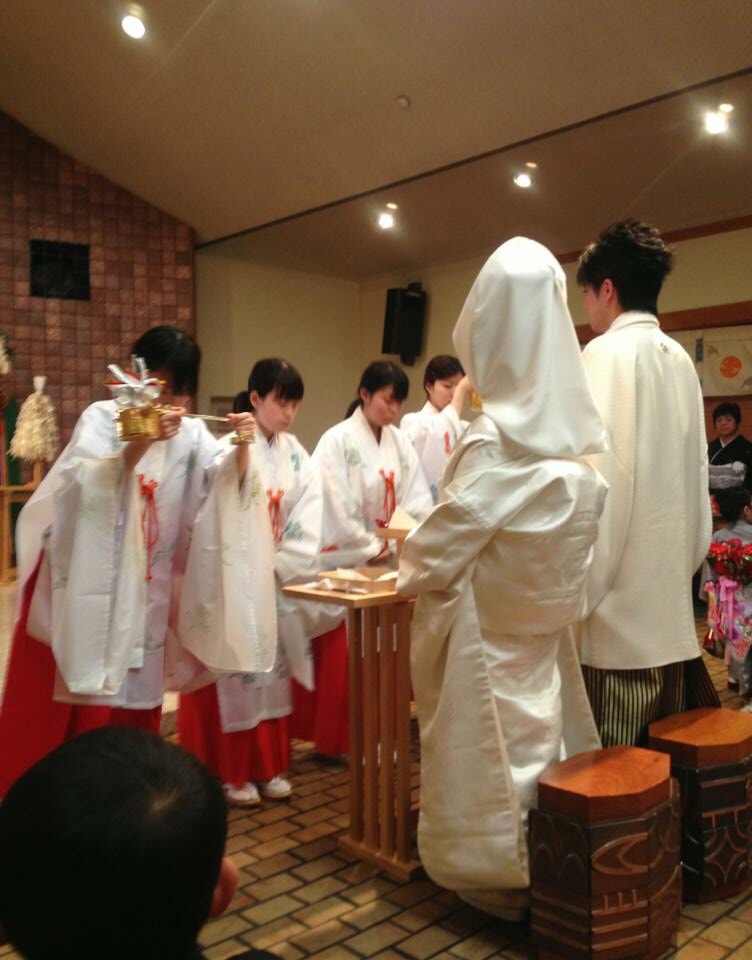
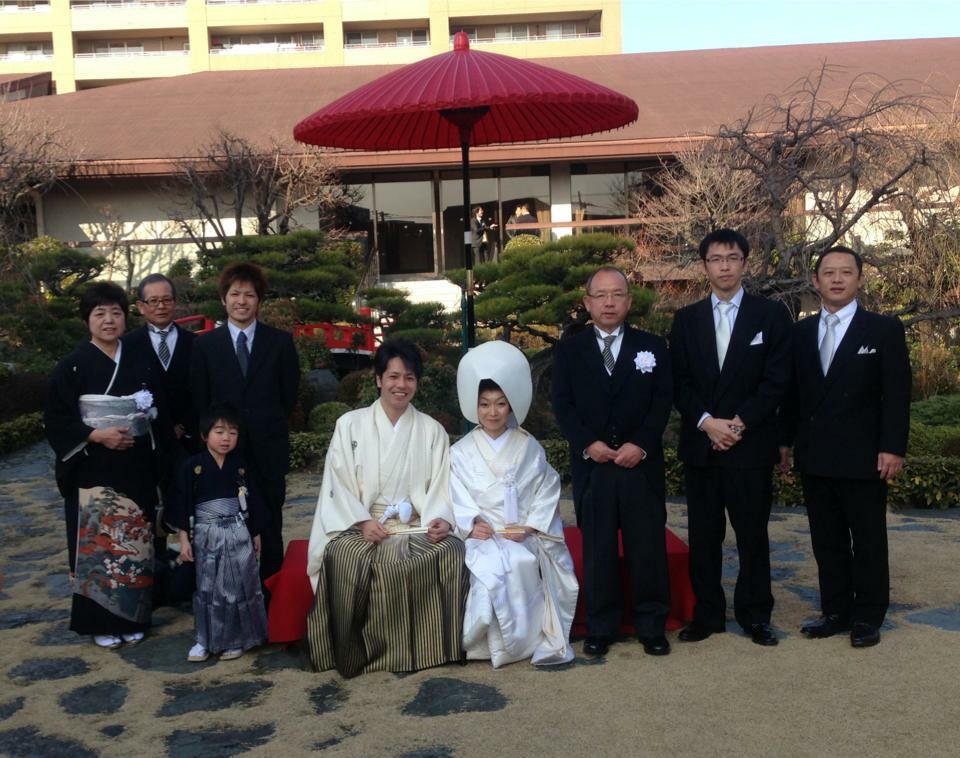
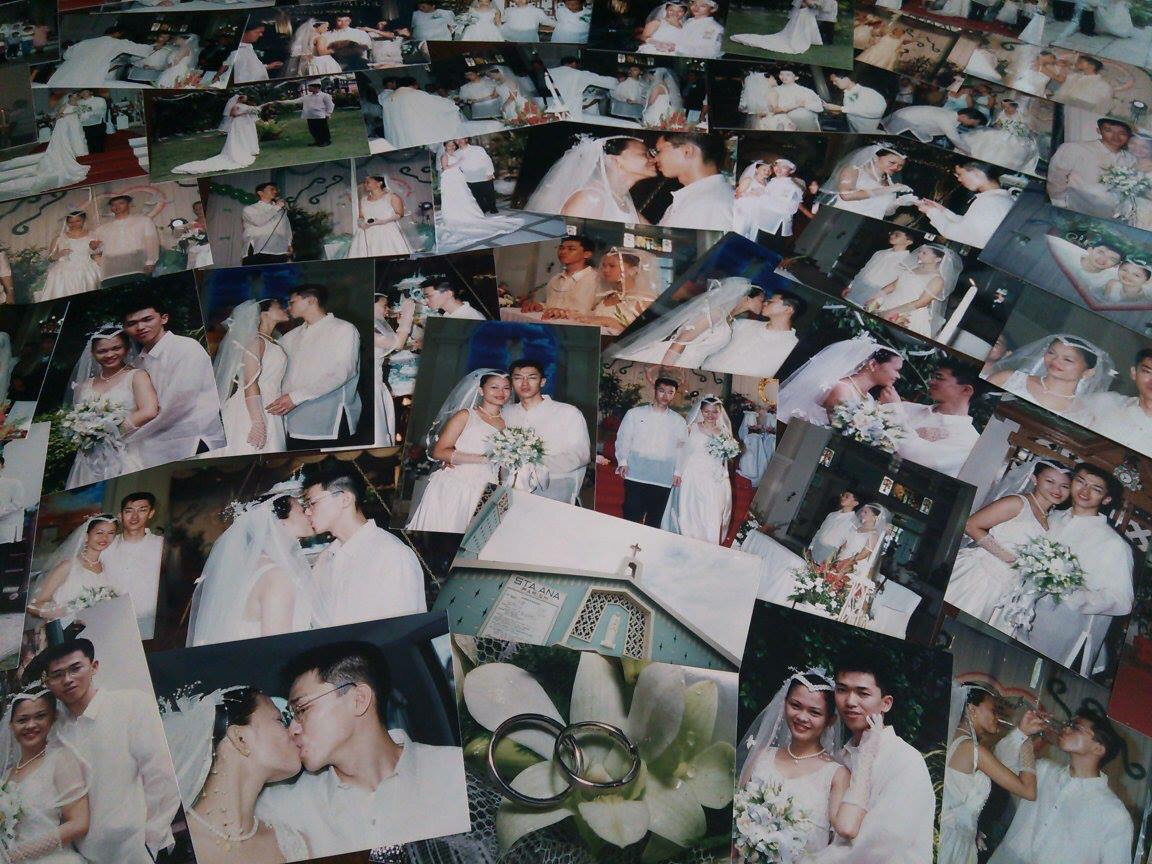
    It is a common practice for Japanese to have a wedding ceremony after the official marriage in the city hall. The ceremony can be traditional or western style. This is when the couple with their families invite relatives and friends to celebrate with them.


    3. Wedding clothes

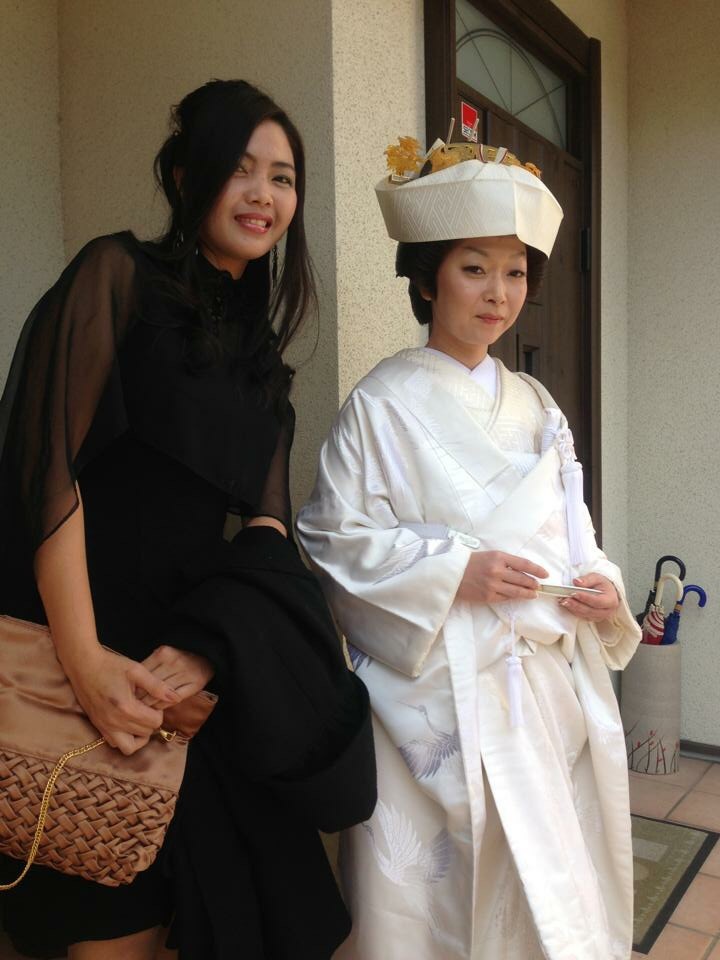
    In a traditional Japanese wedding, the bride and groom wear the traditional wedding clothes. A black montsuki kimono and hakama for the groom and white shiromuku kimono for the bride. The couple also change attire to a more western style during the reception. Some brides get to change to three to five different gowns during the wedding party.


    The guests usually put on a formal wear, usually dark colors. It is not uncommon to see guests wearing black dresses.


    4. Money gift

    money envelope


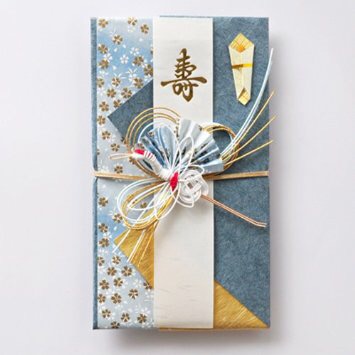
    This part of the wedding culture of Japan make a lot of foreigners’ eyes bulge and mouth utter a big “WHAAT?!” in surprise. In Japan, all invited guests, even family, will have to give a certain amount of (big) money to the newly wed. Immediate family should give the largest amount of money, especially the eldest sibling, usually up to ¥100,000. or more and friends should give at least ¥30,000. This money will help the newly wed cover for the wedding expenses. A very good idea, isn’t it?


    5. Wedding Souvenirs

    Wedding souvenirs in Japan are not just ordinary cute display. Couples usually give their guests something that can be used at home like kitchen wares. On the first Japanese wedding I attended, I got a set of three ceramic food containers. It’s so awesome. In another wedding, we got a half dozen of glass.


    6. Wedding party

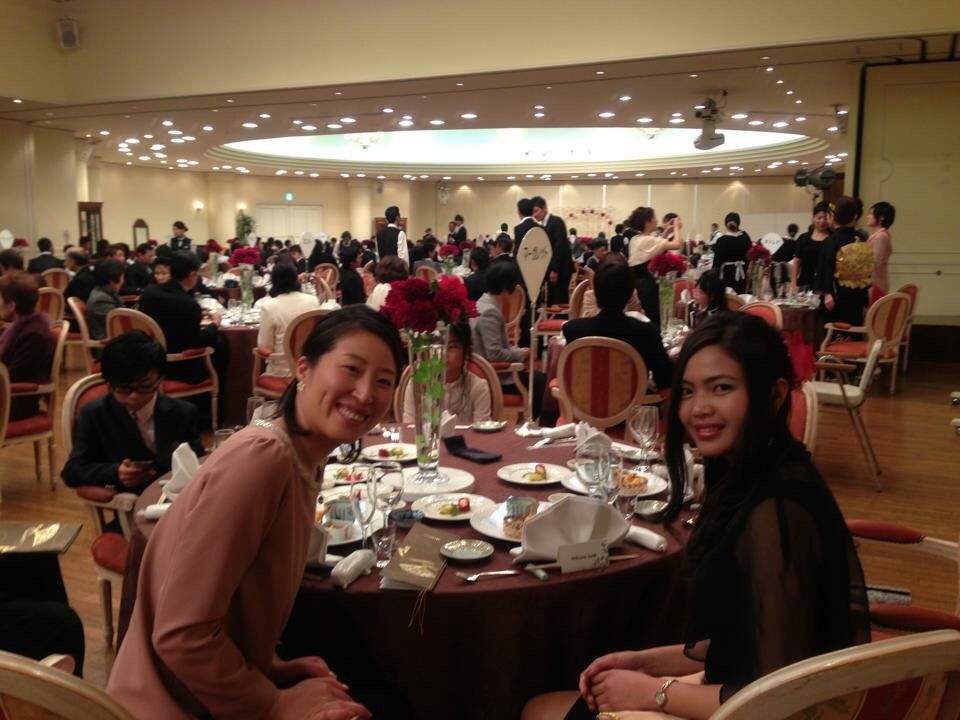
    Wedding party does not end at the reception. They usually have a nijikai, an after party or a second party. Others even have sanjikai, a third party. Guests, especially the young ones go to clubs or karaoke and drink like there’s no tomorrow.


    Philippines

    Marriage in the Philippines can range from the very simple mass wedding, where many couples are wed at the same time, to the very elaborate grand wedding.

    1. Pre-marriage preparation

    gmanetwork.com


    Getting married in the Philippines traditionally starts in a pamanhikan. This is when the man and his parents go to the woman’s house and ask permission to her parents to marry her. There is a small celebration and eat together during this occasion. In a very traditional family, there is a so-called dowry. It is the money and/or precious gifts given by the man’s family to the woman’s family as a symbol of gratitude. But, nowadays, pamanhikan and dowry are slowly disappearing.

    Before a wedding ceremony can take place, a couple must secure a marriage license from the city hall, and undergo a pre-cana seminar, a seminar required by the Catholic church. Another pre-marriage preparation that is trending recently is having a pre-nuptial photoshoot. Unbelievably, Filipinos spend so much money for this photoshoot. Blame it to the social media and the photo fanatic society.


    2. Wedding ceremony

    youtube.com


    Eighty percent of the Filipinos are Roman Catholic, so most prefer to have a church wedding , although a couple can also have a civil wedding less the hassle of submitting a bunch of requirements for a church wedding. Both church wedding and civil wedding are legally recognized.

    There are so many superstitious beliefs that surround a Filipino wedding ceremony. You might as well do a separate research for this. A church wedding is a mass with the traditional ceremony including the lighting of the candle, putting on veil, putting on cord, and passing of coins, each with a specific meaning.


    3. Wedding clothes

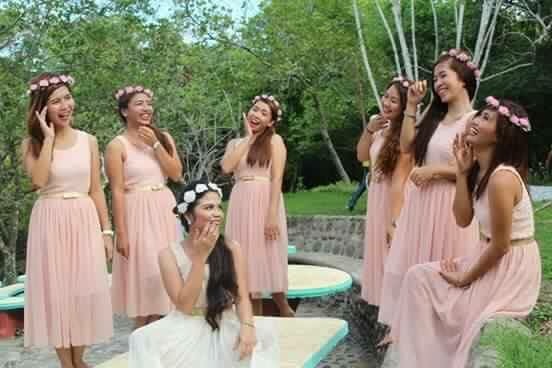
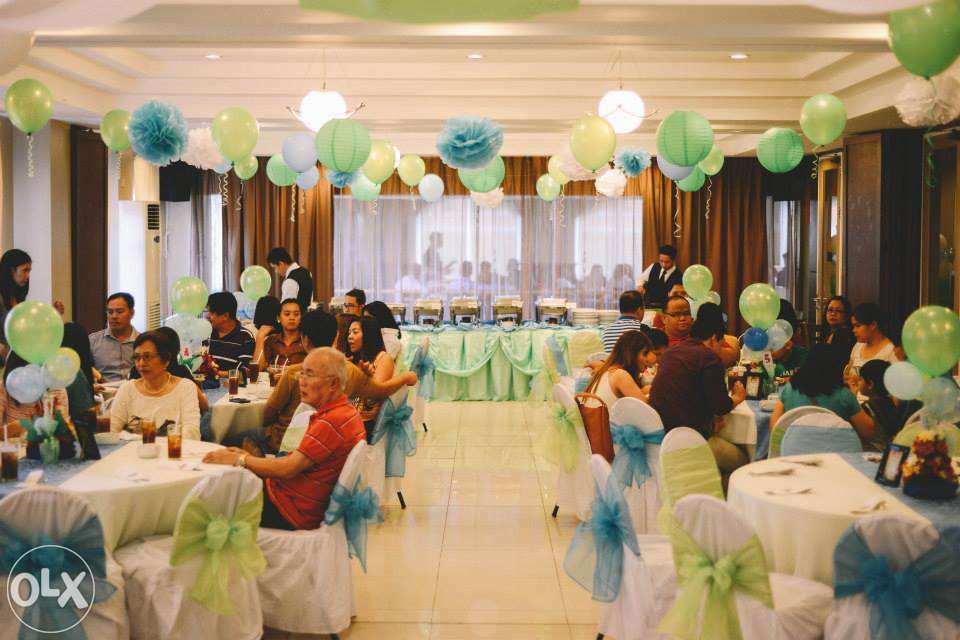
     White wedding gown is the usual trend among Filipino brides matched with tuxedo for men. It is also common for men to wear barong tagalog, the traditional costume for Filipino men. A color motif is also a tradition in Philippine weddings. If the color motif is light green, everything should have at least a touch of light green, from the entourage’s clothes, guests’ clothes, reception decoration, cake, invitation card, and everything in between.


    4. Money dance

    forumbiodiversity.com

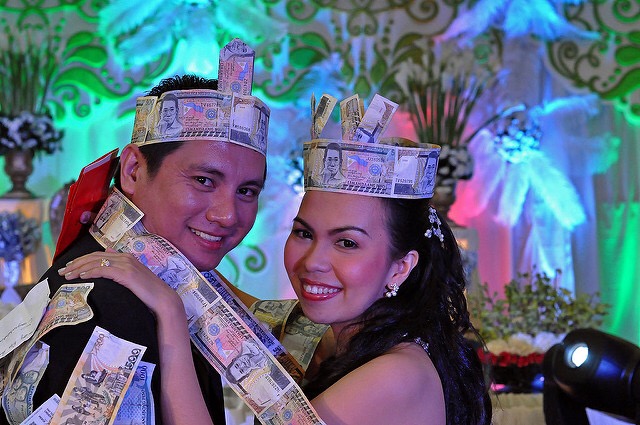
    This is one tradition that has been passed from generations to generations. In some point during the wedding party, the newly-wed will have their first dance as a married couple and while they are dancing, guests will pin money on their clothes. The relatives of the groom will pin on the bride’s clothes and the bride’s relatives pin on the groom’s. The money collected will serve as a gift to the couple.


    5. Wedding gifts

    The newly-wed receives gift from the guests. It can be as big as a washing machine or refrigerator or as small as a dozen of spoons. There is a part in the wedding party where couples open the biggest and the smallest gift.


    6. Wedding party

    olx.ph

    Wedding parties in the Philippines  can be classified into two types. One is held in a commercial place like restaurant, hotel or resort. The other one is in the residence of one of the newly-weds (usually the bride’s). People in the city usually have their wedding receptions in commercial places and pay large sums of money for a specific number of guests. On the other hand, people from the countryside prefer to have the reception in their house and most of the neighbors (the entire community) take part in the celebration.

    Contrasting Points

    • Wearing black dress in Japan during a wedding celebration is alright but never in the Philippines. It is considered as a sign of disgust and sadness.
    • Filipino guests don’t have to give money gift to the newly-wed like in Japan, instead, material gifts are given to the couple which are commonly household items to help the newly-wed in their start of a new life together. Rather, the newlywed can receive money through money dance.

    One of the many interesting things you’ll learn from living abroad is that you get to know the foreign country’s culture and your own culture more deeply as well.


  • 5 Reasons Why I Moved to Japan

    5 Reasons Why I Moved to Japan

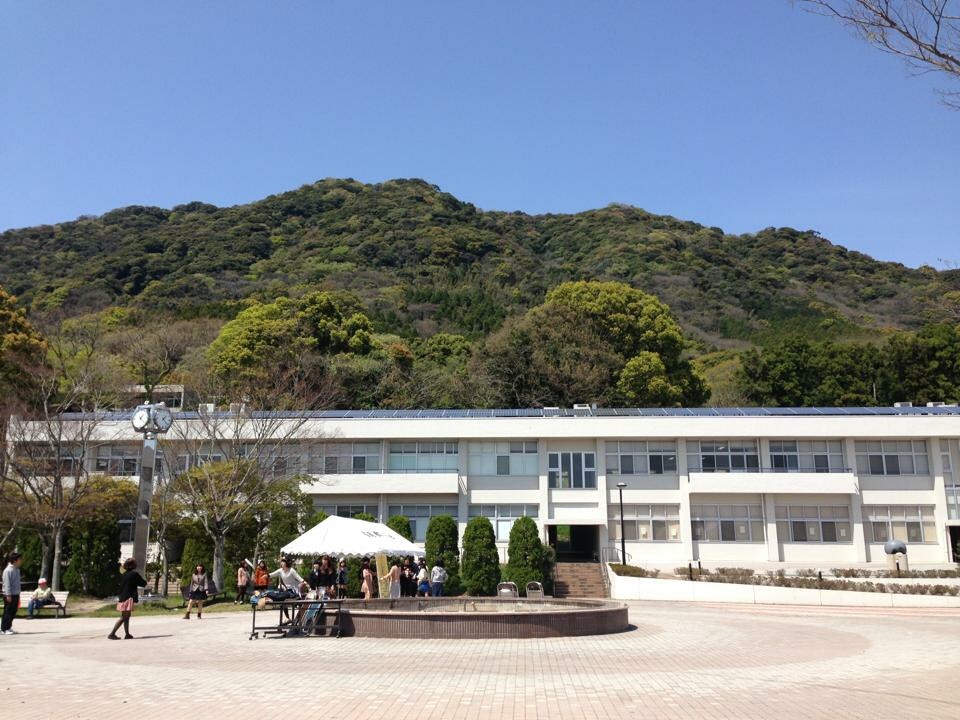
    April 30, 2011. When I first came to Japan as a visiting relative. I stayed for a month with my sister and in that short period of time, I fell in love with Japan. I came back as a scholar on September 24, 2012, and studied for a year and a half. During my stay, I’m so enchanted with Japan that I wanted to stay in this country for good. So, I’m here, staying for almost four years now. I have my reasons why I chose to stay in Japan, and I think many can relate with me.

    my university

    5. Economic Advantage

    tokyoezine.com

    Japan is one of the top economic powers in the world. What I (financially) earn here (with lesser effort and work) is almost four times as much as I earn in my country. Although the cost of living is far different (it is so much cheaper in my homeland; Japan is expensive), with my earnings, I can provide myself more than enough, send money to my family back home and enjoy life without thinking so much of financial constraints.

    4. Environmental Safety and Security.

    welcomia.com

    When I came here for the first time, I was surprised to see that there were no security guards in establishments (which is common in my country) and the policemen don’t have guns. There seems to be NO threat to security. The crime rate in Japan is relatively low. Japan was ranked as the safest country in the world in 2014 by the Organization of Economic Cooperation and Development (OECD).   (You can read more about the crime rate in Japan here http://www.japantimes.co.jp/opinion/2014/01/25/editorials/crime-rate-dips-again-in-japan/).

    http://coolgeography.com.uk/
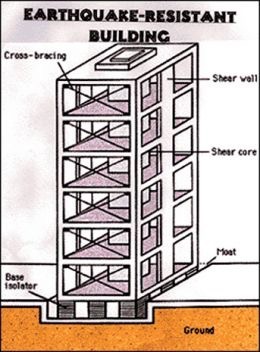
    In terms of natural calamity, we know that Although Japan is prone to earthquakes and other natural calamities, the buildings are built to stand against strong shake and the emergency information system is very apt and advanced that whenever there is heavy rain pour or earthquake, cell phones alarm and disseminate automated messages regarding calamity and safety. Moreover, it is very clean in Japan. No pollution. The environment is clean, safe and secured. 

    3. Spirit of Equality and Harmony

    japantoday.com

    In Japan, harmony is very important. Japanese people follow rules and try to avoid conflict as much as possible. They are very harmonious and very disciplined. They follow rules and always think of others. You can see that when they get on the train, when they take escalators, when they go to the restaurant, they always fall in line and wait for their turn. Here, there seem to be no rich and poor. No “untouchables”. Here, a politician is just a worker, like everybody else. Everyone’s equal. Japanese give importance to uniformity, too.  You can see that in the way they dress. Very few, almost nobody wants to stand out with bright-colored, printed dress. Subtle colors are prevalent. Everything is just smooth and neutral.

    2. Advance Technology

    http://en.wikipedia.org/

    japantimes.com.jp

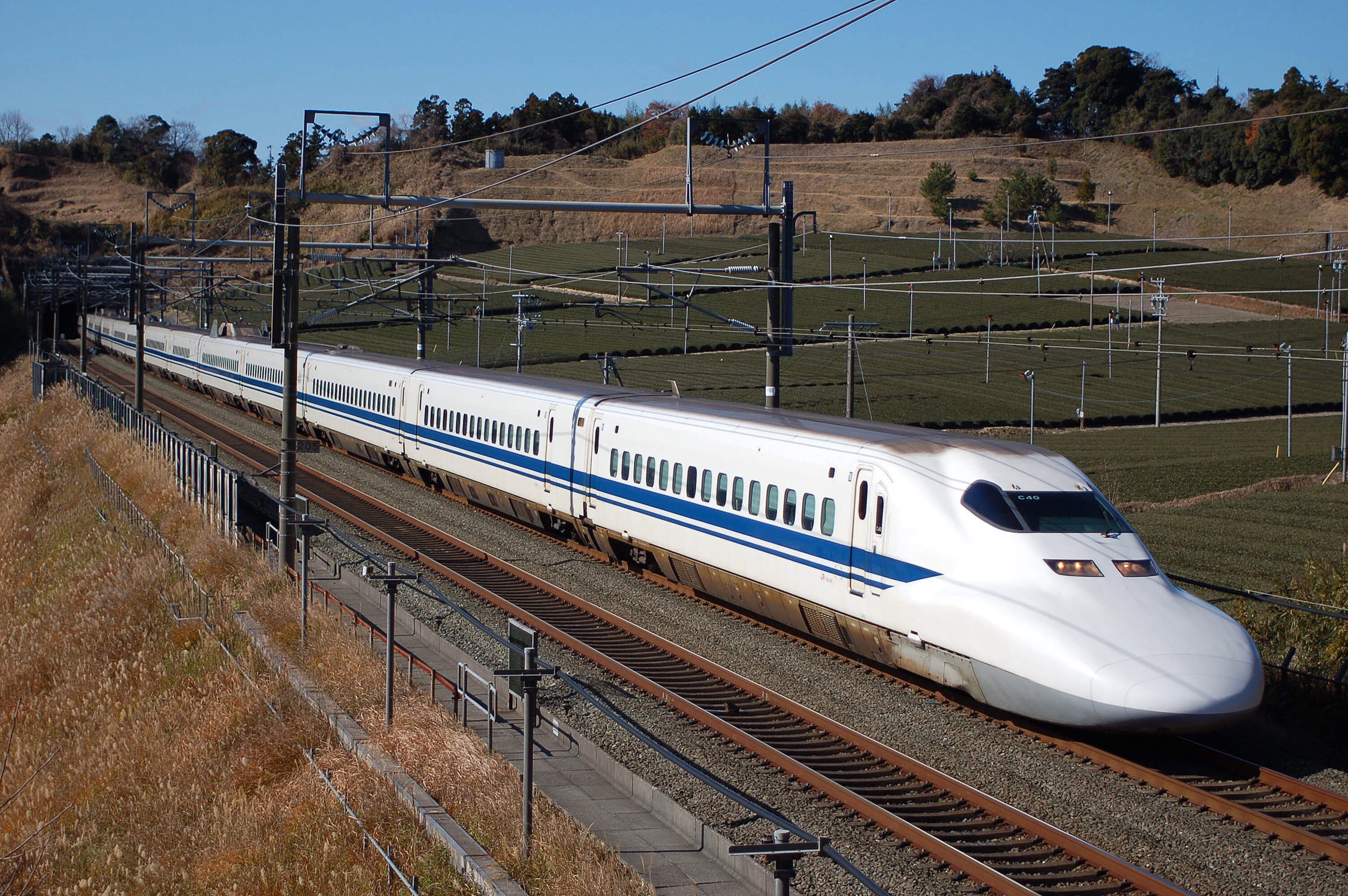
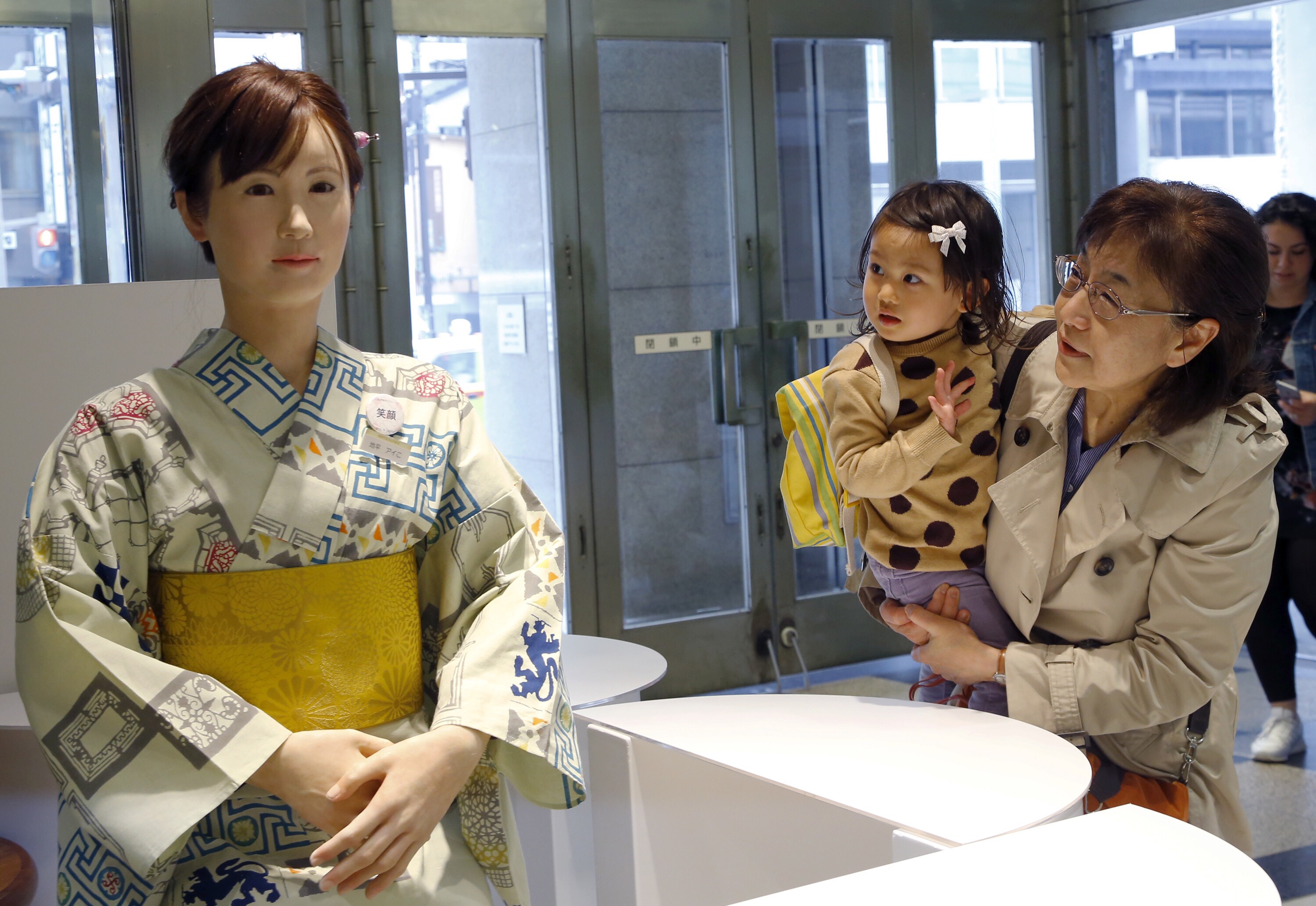
    Undoubtedly, Japan is so far, very advanced in terms of technology. I can easily travel anywhere using its hi-tech transportation system: the bullet train, the efficient and always on time local trains, subways, and buses. The world is just a touch away using my smartphone with a very fast and reliable internet connection and free Wi-Fi in big cities. There are hi-tech toilets, vending machines, automatic doors, and (some places in Tokyo) robotic receptionist which makes Japan a really awesome and very convenient place to live.


    1. Travel and Leisure

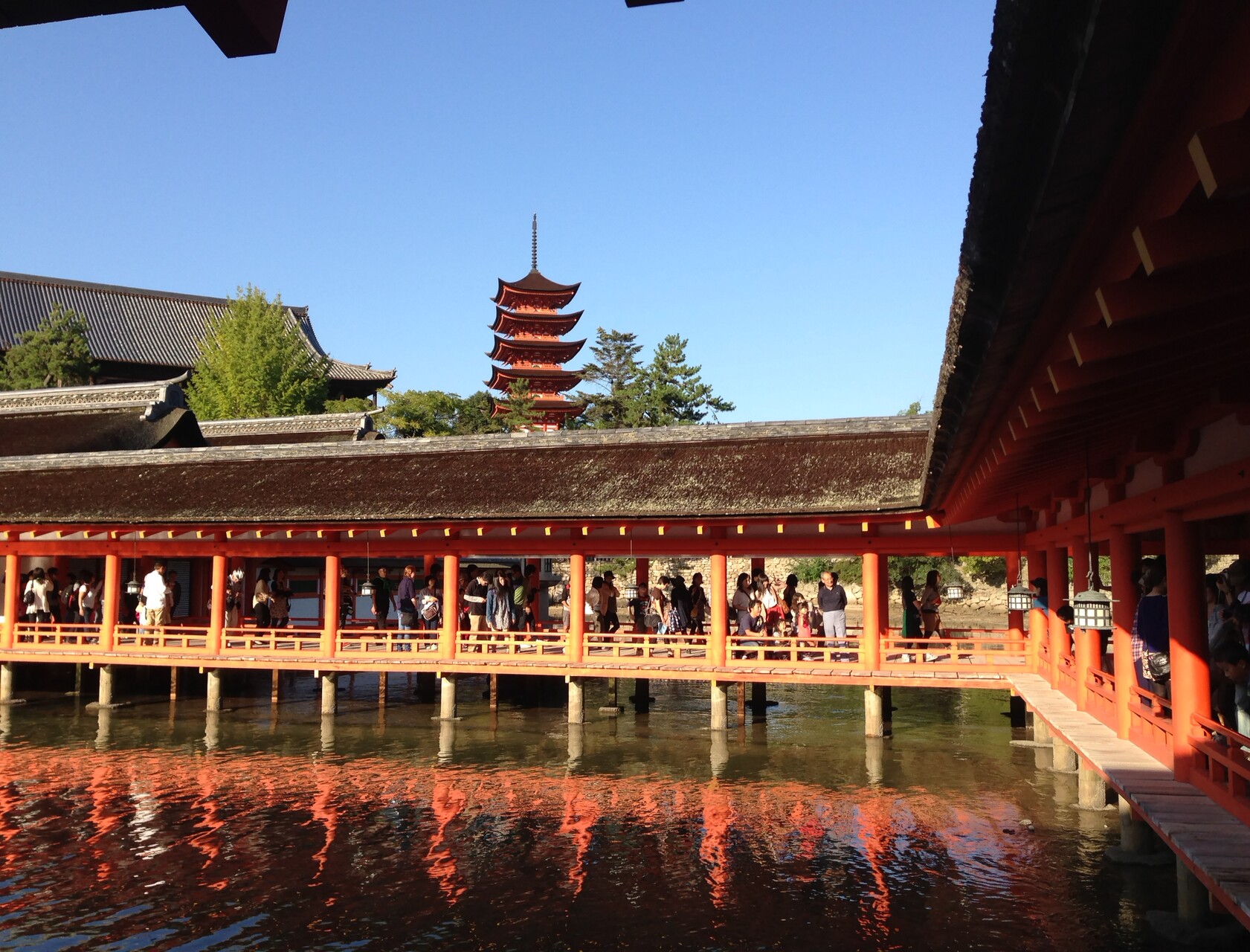
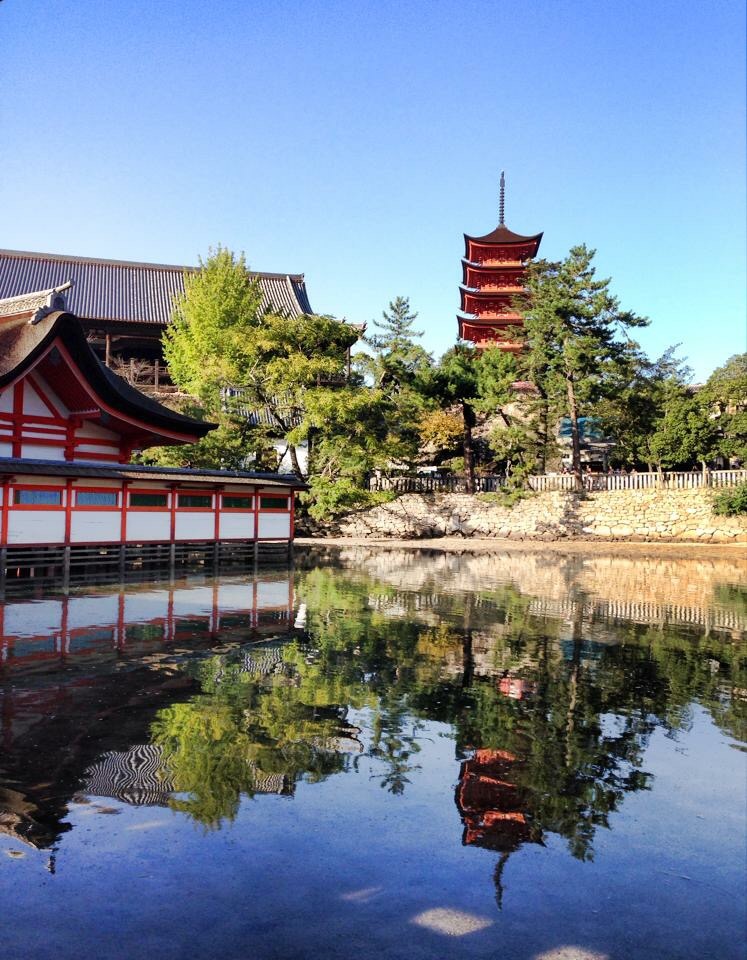
    I took this photo in Miyajima

    Most of all, living in Japan is like living my life on a grand vacation holiday. There are so many places in Japan worth visiting.


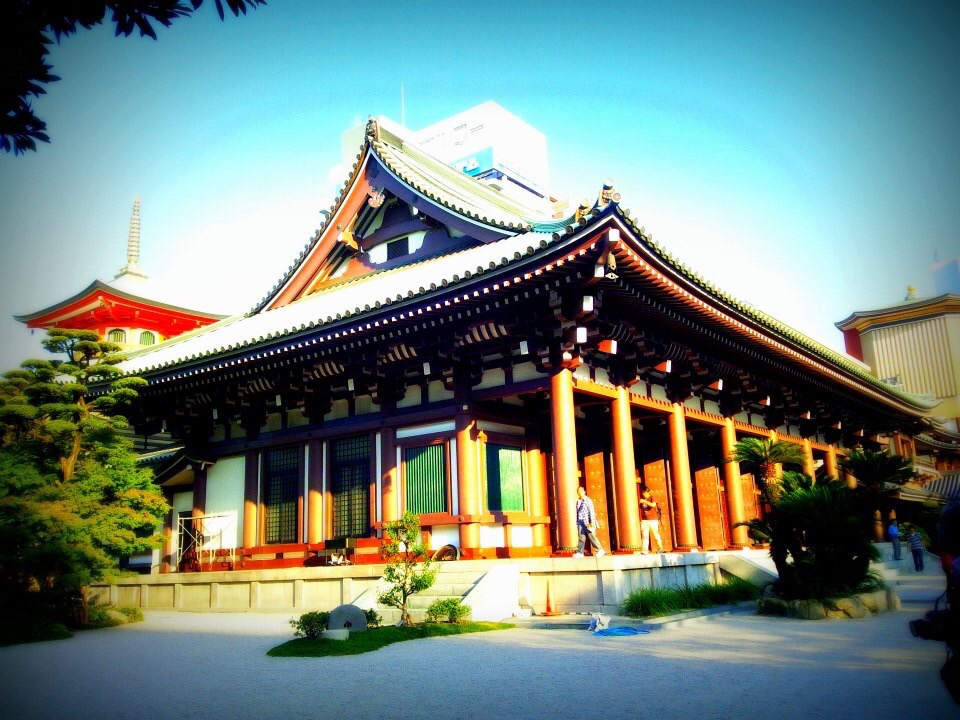
    From the simple temples and shrines in my neighborhood to the grand ones in Kyoto (and many other places), the historic sites like Nagasaki and Hiroshima and the many world heritage sites scattered all over Japan. There are hot springs where I can have ultimate relaxation. The food is excellent and healthy. What else can you ask for?