Blog

  • Why do so many Japanese commit suicide?

    Why do so many Japanese commit suicide?

    We have seen and heard it in the news. Not once, not twice, but many times. They do it in the privacy of their rooms. Or in a far-away mountain where no one can see. But, worse, within the public’s eyes like in trains, and the latest, in the zero-accident but now tarnished record shinkansen, where most likely innocent people could be affected. In the latest high profile suicide act committed inside the Shinkansen, one innocent passenger also died due to suffocation. Many Japanese has committed suicide. But, why? Why in such a beautiful country would some people chose to end their lives? I’ve tried to search for some answers to this query and let me share the answers with you.

    worldknowing.com

    1. Overrated 
    etsy.com

    Suicide happens everywhere. A sad fact that some people on their individual struggles on this lovely earth choose to not continue fighting and make a permanent rest. “Jisatsu” as called in Japan, suicide is a universal occurrence. Japan is not alone. And more importantly, Japan is not the leading country with high suicidal rate. In fact, Japan is only at the eighteenth out the twenty-five countries with the world’s highest suicidal rate. On the fifth spot is Lithuania, Sri Lanka fourth, South Korea third, North Korea second, and Guyana on the top (http://list25.com/25-countries-with-the-highest-suicide-rates-in-the-world/2/). Japan  is not even in the top ten list.

    In my own opinion, it might be because Japan’s crime rate is really low and the news companies has nothing else to talk about but the self-inflicted crime such as suicide. In other countries, there are more pressing issues in the society that talking about those who commit suicide takes a back seat. Media plays a big role about societal issues. The more the issue circulates in the media, the more it appears to be prominent than what it is in reality.

    2. Societal Attitudes
    Maybe you have read somewhere how good and harmonious the Japanese are. How well they follow rules as embedded in their “atarimae” culture. Atarimae in English means natural, reasonable. They do what is right because it’s “atarimae”. It is the natural thing to do. It is natural to throw garbage in the proper place. It is natural to fall in line and wait for your turn. It is natural to resign from your job when accused of something. And sometimes, it is natural to end your life when you are in trouble and the trouble you are in causes troubles to others. Like when a head of a company fails to do his job and put the company in a terrible situation. Or an old person suffering from a disease and needs to be taken care of by his family. They don’t want to trouble others so they chose to end their lives. Japanese also value honesty and integrity. That when they are put into a disgracing situation, a scandal that tarnishes their names and reputation, they find it very difficult to handle and impossible to repair. A situation that can only be escaped by disappearing. Of course, this does not happen to every Japanese. Only to a very few.

    3. Historical Values 
    io9.com

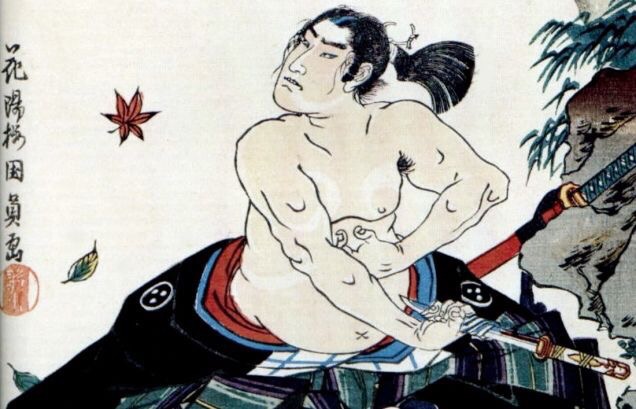
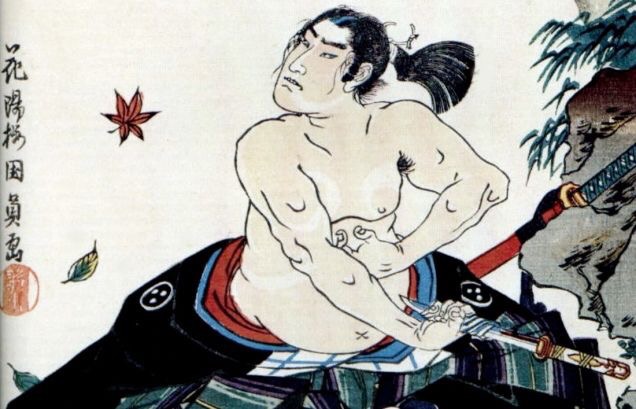
    In the old Japanese society, a ritual suicide by disembowelment called “seppuku” also called “harakiri” was formerly performed by Japanese samurai. Seppuku literally means “stomach cutting”. The samurai committing seppuku would use a small knife called a dagger and cut their stomach while another samurai acting as their second lopping off their head. This highly ritualized form of suicide, a part of samurai’s bushido (samurai’s way of life) was abolished as a capital punishment in 1873. But even after the abolishment, voluntary seppuku goes on in the military grounds. This behavior is said to be widely praised by propaganda. I bet this could be one of the reasons why some Japanese still commit suicide. It is in the culture. It is in the history.

    In the end, we cannot really tell the reasons why some Japanese commit suicide because I believe that the best person who can tell us is the person committing the act itself, which, unfortunately, is impossible to achieve unless you see them and talk to them in the other side of the world.
  • Sports Festival, the Japanese way

    Sports Festival, the Japanese way


    happystorm.x.fc2.com

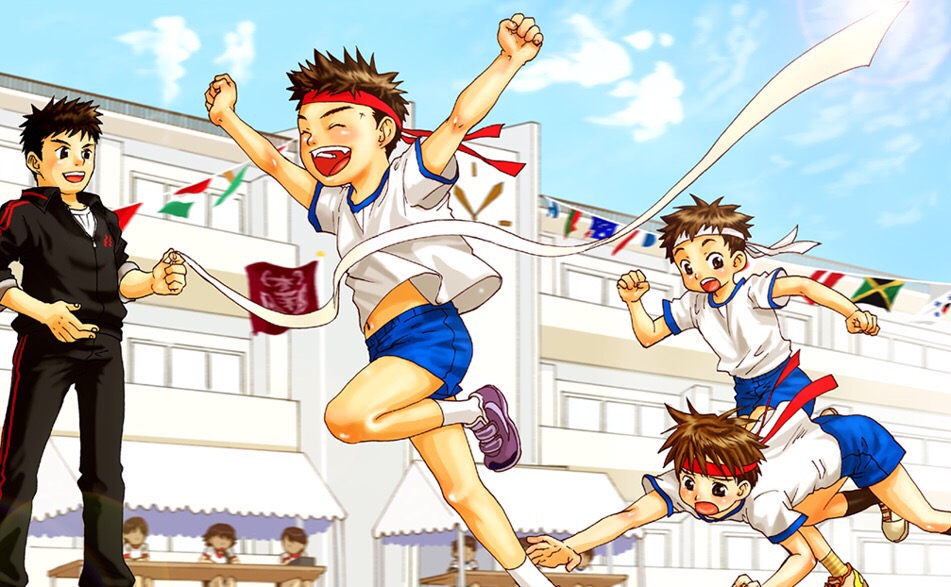
    Many schools are having their annual Sports Festival or what they call “undokai” (運動会). The entire school and the community, especially the teacher-advisers and students are pushing themselves very hard to come up with a very organized and fun undokai. Strenuous rehearsals are done many times a week.

    Everyone is looking forward to the big day, which is usually a Saturday or a Sunday. With all their might, strength and agility, kids perform in various events.

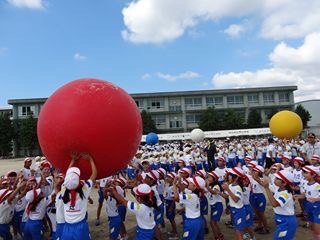
    1.      Oodama okuri 大玉送り

           tsubaki-e.esnet.ed.jp
    This is a really fun and exciting Sports Festival event and is sure to make you shout and tingle. Literally, “oodama” means giant ball and “okuri” means to send. Students are divided into teams (two-four) and are given a giant ball (colored according to their team) which they have to push with their hands above their heads starting from the front line to the back and forth in the shortest possible time. You can view this video and see how fun it is.
    http://youtu.be/X3VbYoO0P9k


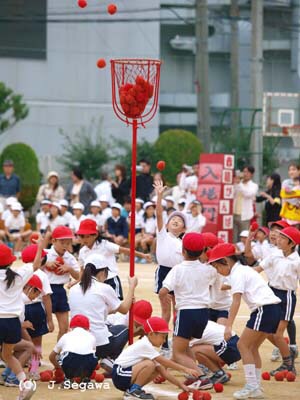
    2.      Tama ire 玉いれ

    allabout.com.jp

    [wpvideo Yl64nq5b]

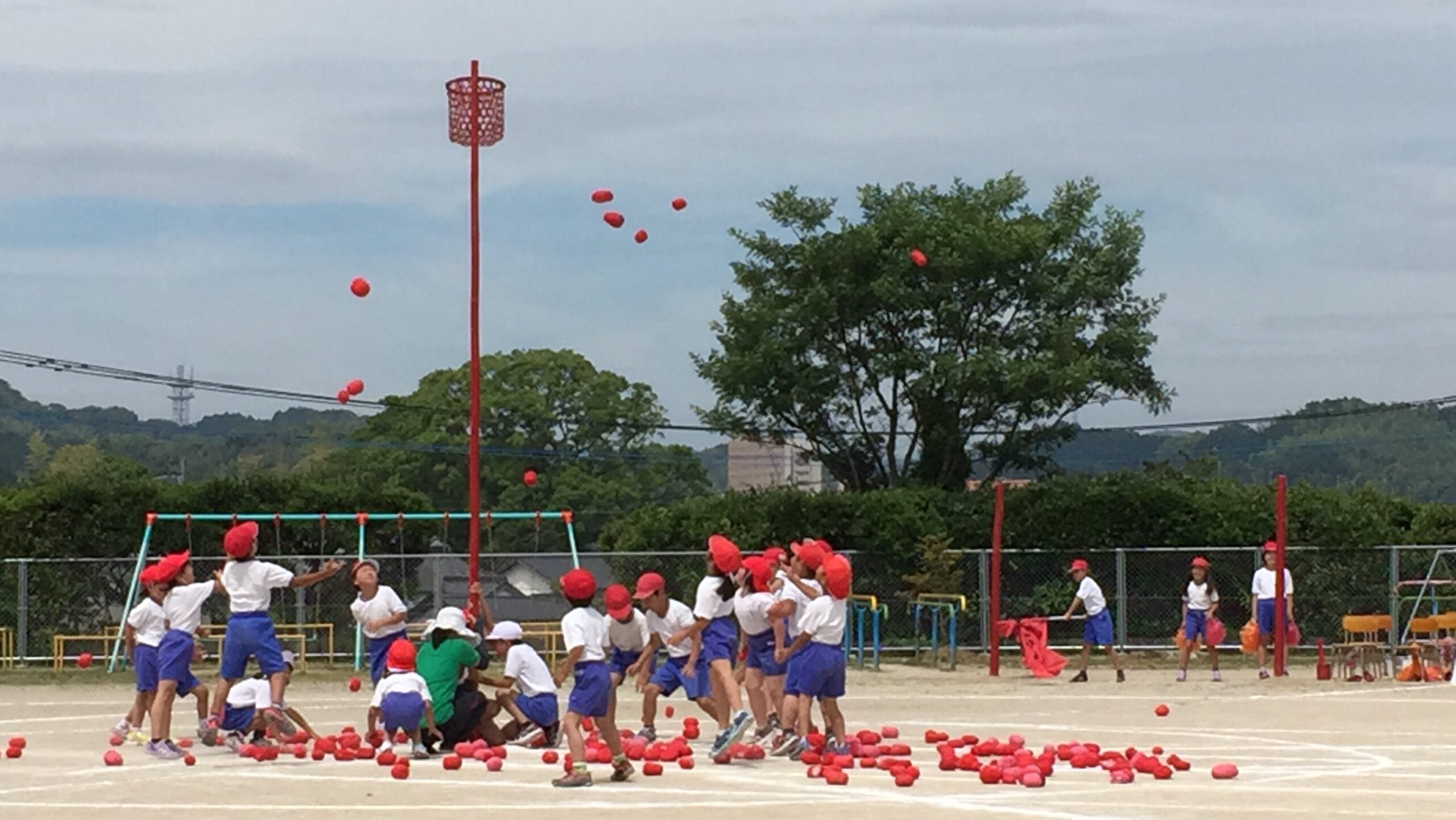
    ​Another fun event that uses ball, tama ire (ball-toss game) requires speed and accuracy. To explain, “tama” means ball and “ire” means to enter, it is a game which balls (usually made of cloth) are thrown into a basket on a high pole within a specified time. The team that has more balls in the basket wins. Watch the video here


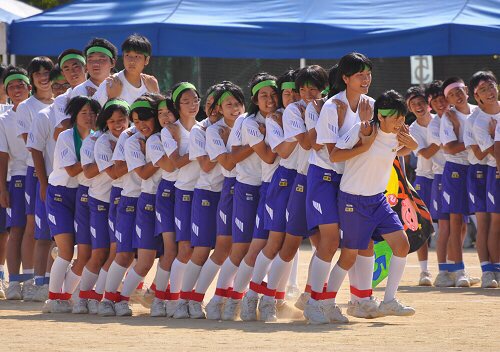
    3.      Mukade 百足     

           ar75ts.exblog.jp
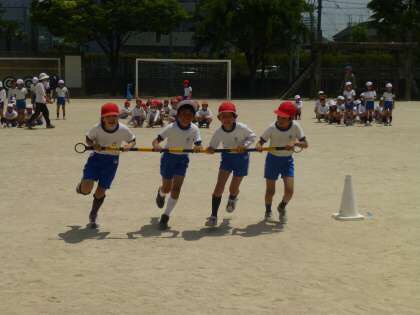
    “Mukade” means centipede. It’s not a game using that creepy centipede bug, so don’t be scared. It is centipede race. It is a running contest where students in the same team form a line or two and tie their legs together and run. Coordination and timing is very important in this game. Just imagine running fast with one of your legs tied to another leg.


    4.       Taifu no me 台風の目

          cms.edu.city.hiroshima.jp
    The mechanics of this game is first, a group of students from a team carry a pole and then run as fast as they could and must rotate on a barrier twice like the eye (me) of a typhoon (taifu). I think that this is the only time that the word “typhoon” means fun.


    5.       Kumitaiso 組体操 

           hiromiphoto.com
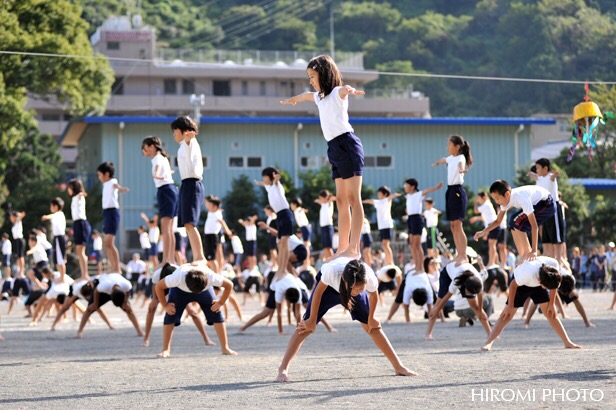
    I consider this as the ultimate event in the Sports Festival. Kumitaisou is a coordinated group gymnastics. It is breathtakingly awesome. It requires strength, concentration, coordination, teamwork and balance. Kumi組み means group, tai 体  means body, and sou操means maneuver. Watch the video and see for yourself.
    http://youtu.be/PEMdfqZFiR0

  • Halo-halo in Japan

    Halo-halo in Japan

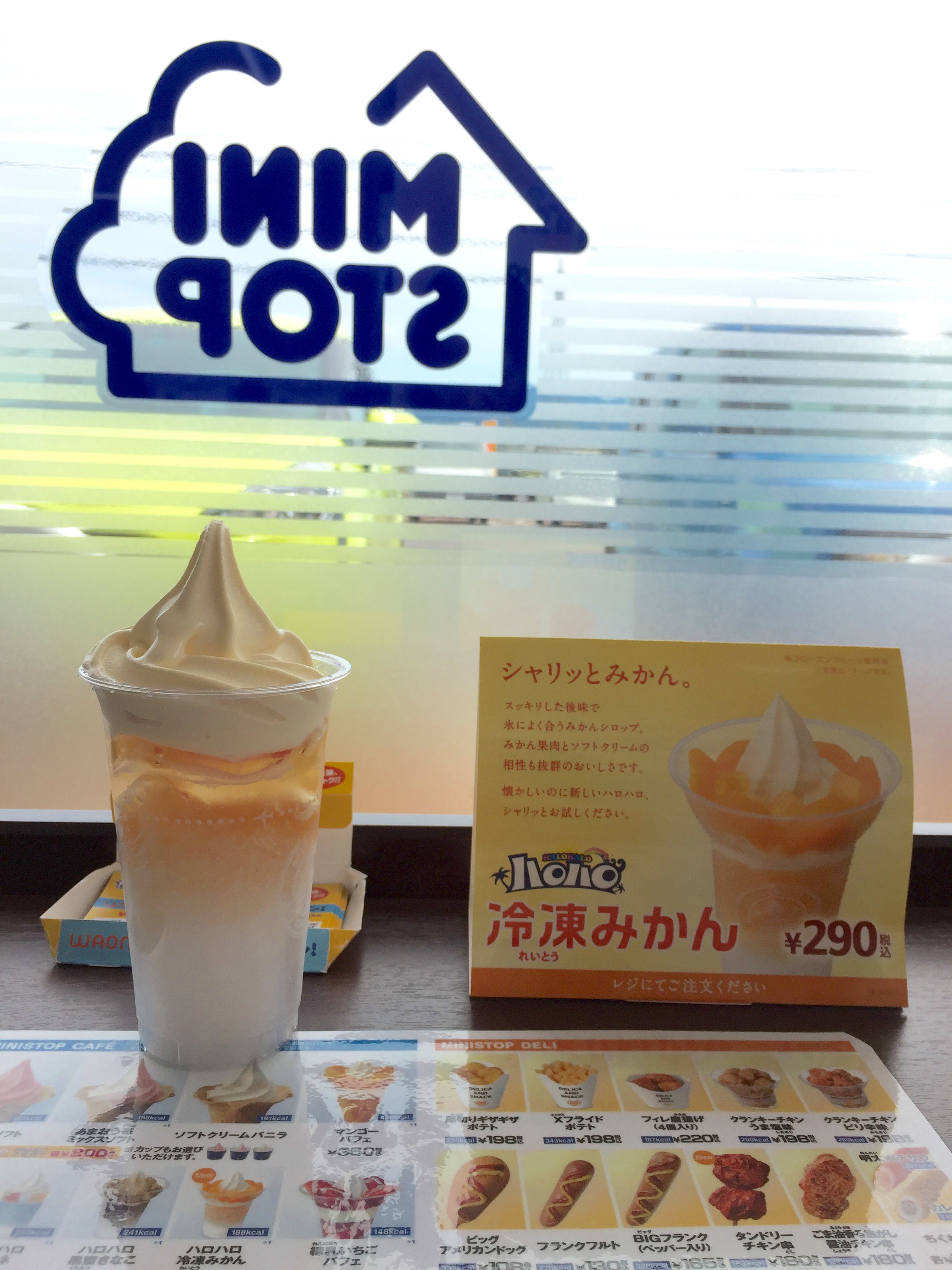
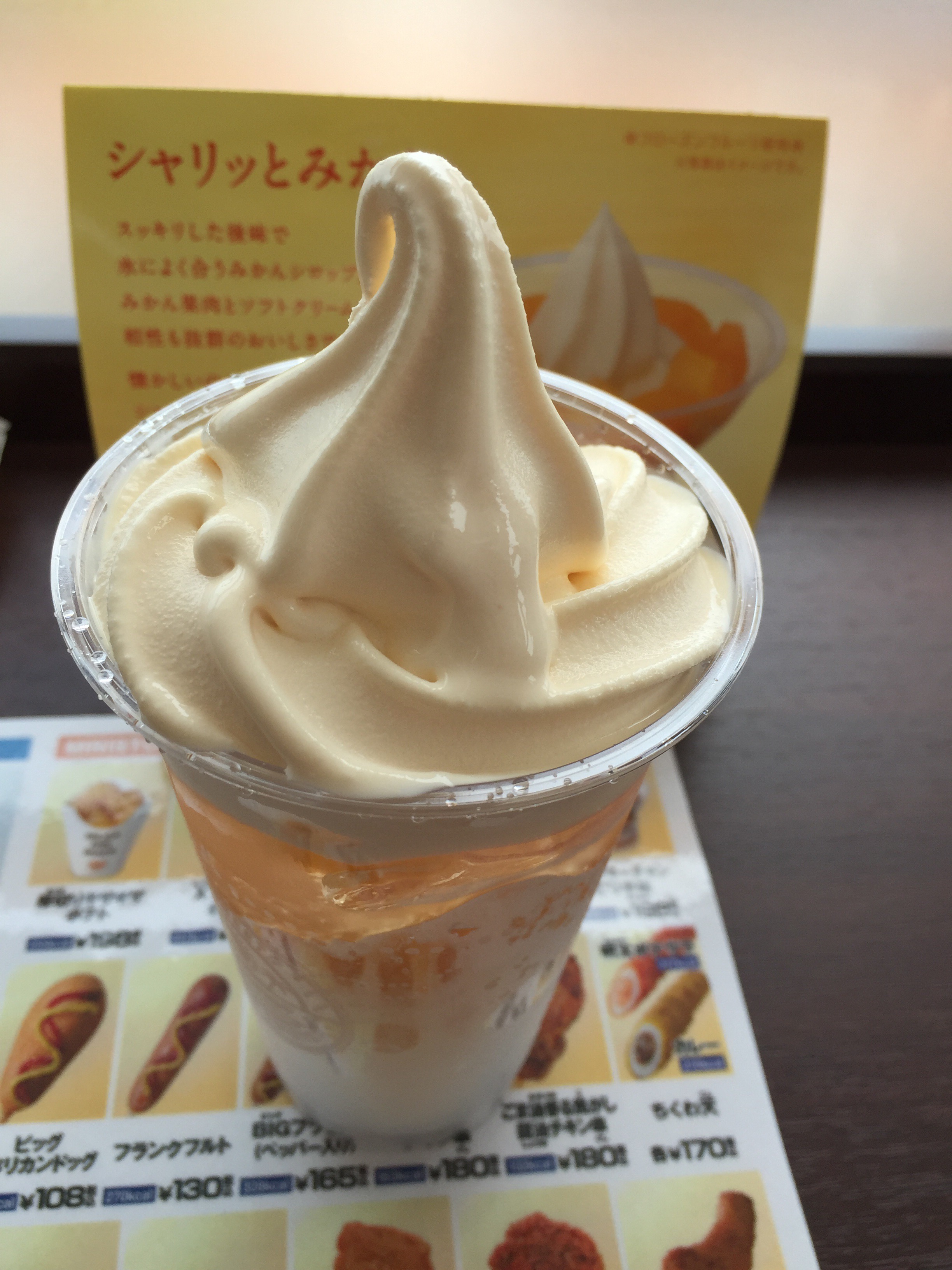
    When I did my self-introduction in class, I introduced Halo-halo as one of the Filipino’s favorite desserts. Some students said it is being sold in Mini Stop. So, one afternoon, on my way home,  I dropped by the convenience store Mini Stop and tried the Japanese style Halo-halo.

    I was a little bit disappointed because I was expecting to have the kind of Halo halo that I know.

    Instead, what I got is the one below.


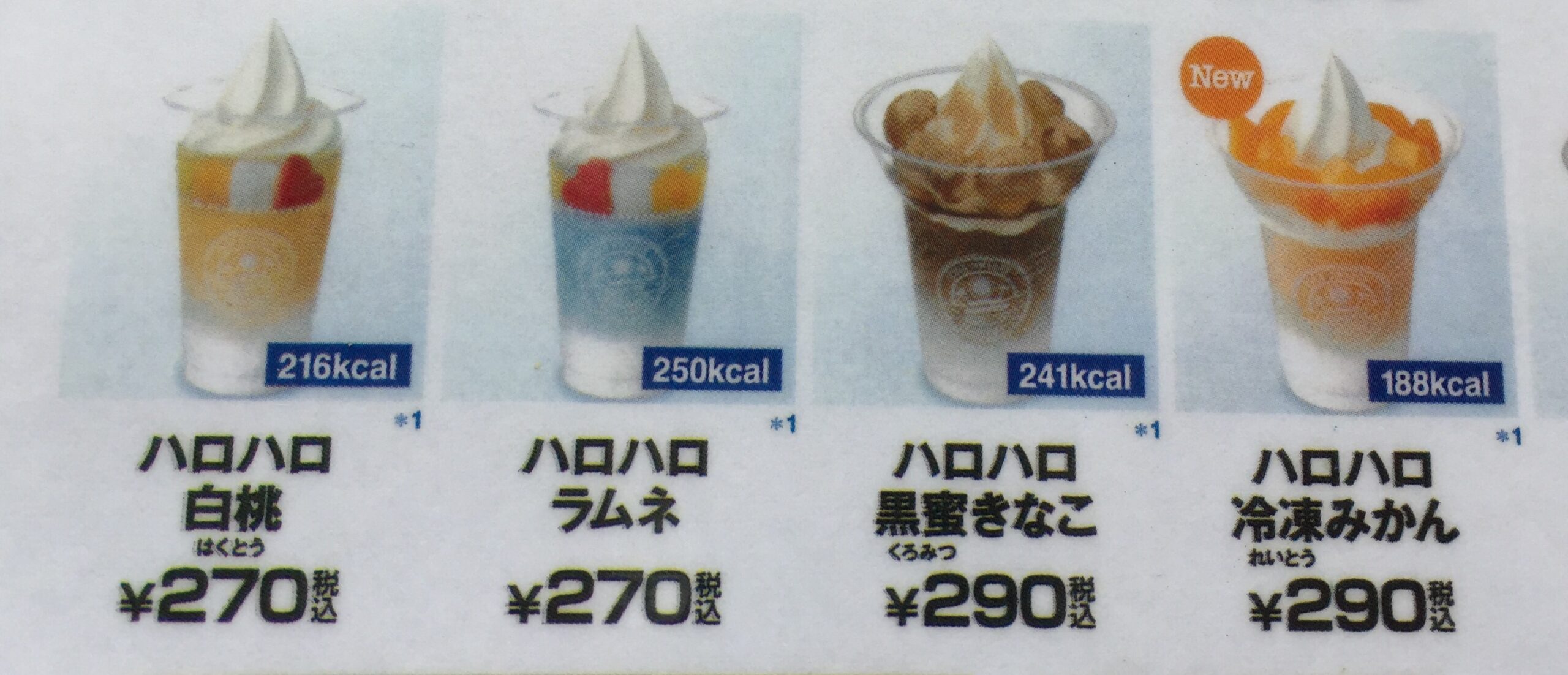
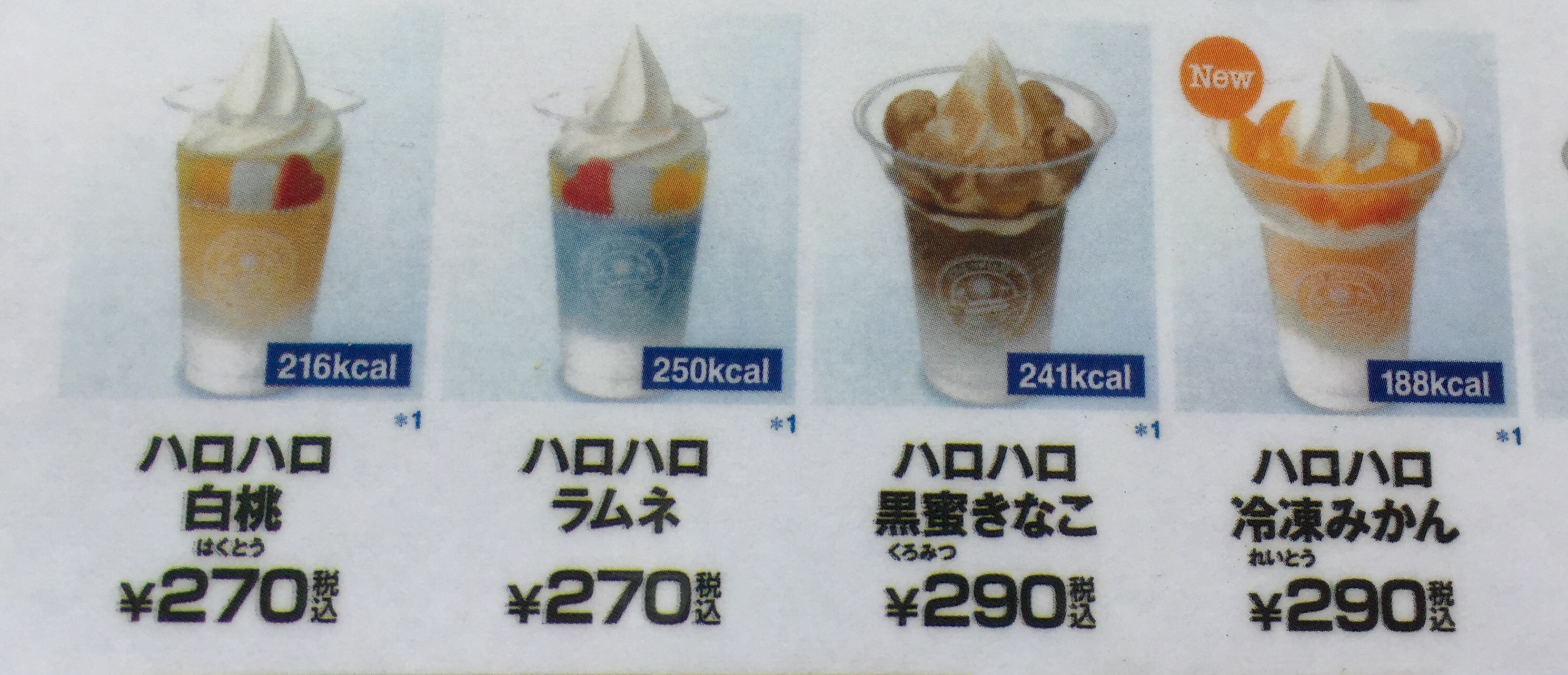
    There are four choices of Halo halo in Moni Stop. From left to right: Halo halo hakutou (white peach), Halo halo ramune (lemon soda), Halo halo kuromitsukinako (soybean in blackhoney?), and Halo halo reitou mikan (frozen oranges). I got the the first one on the left. It cost me ¥270 yen. It’s far from what I know Halo halo is but it’s good as what it is.


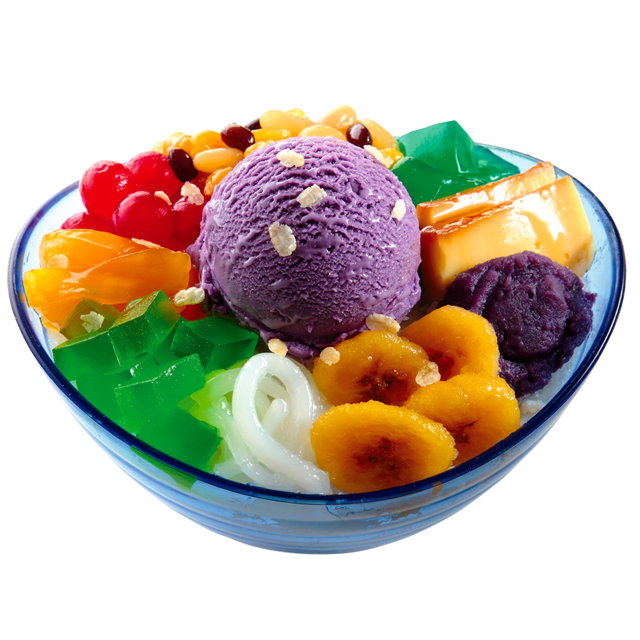
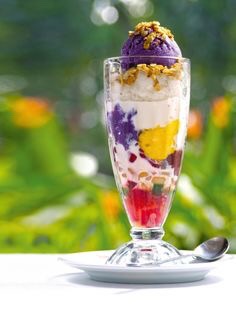
    Philippine Halo halo

    Halo halo is a famous dessert in the Philippines. It is made of finely crushed ice, top with fruits (usually jackfruit, banana, avocado,) sweet corn, red and green gelatin, ube, nata de coco, sago, sweet buko (coconut flesh), sweet beans, cornflakes, sugar, milk and finally ube ice cream on top. Halo means mix in English.    You have to mix it before you eat it to enjoy this awesome dessert at its best.


    One serving of Halo halo is about ₱40.00 equivalent to about ¥100.00. “Yasui!!!”, means cheap. As what my students said.

  • The May 9 Journey

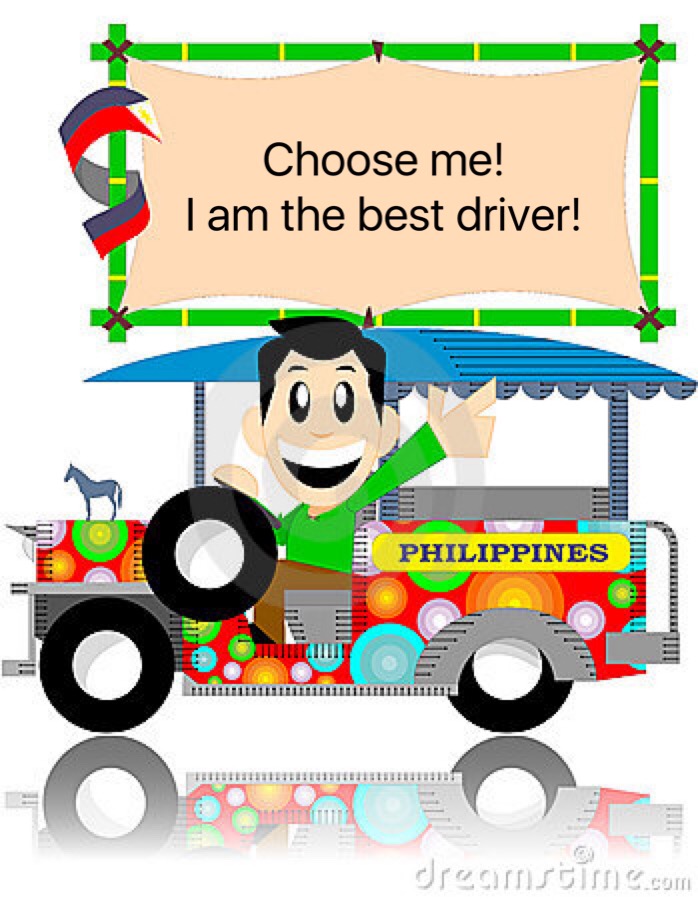
    A new journey is set to start on May 9 in a community located down southeast. People will choose who will drive the jeepney. To be the driver is the most coveted position in the community.

    Driver 1,2,3,4&5: I am a good driver. I can take you to a better place. Choose me.

    Most of the Passengers: Yes! Thank you Driver 1! You are our savior! You are the only one who can take us there.

    Driver 2, 3, and 4 and their supporters : Driver 1 is incapable. He is arrogant and boastful. He is sick. He is on drugs. You should not let him drive. It’s dangerous! Heed!


    Driver 1’s supporters: You are jealous because we like him! Back off! We like him and only him can take us to a better place.

    Driver 2:
    But, he is a killer-driver. Yes, he killed bad people but he killed some innocent people as well. Especially kids. They were kids playing on the street and because he thought kids should not play on the street, he bumped onto them, crashed and killed them. He is dangerous! Let me drive you and I will take you to a better place. I will give the poor a free ride.

    Driver 1’s supporters:
    That’s good for those kids! They should be killed! They’re a menace to the society! They disturb traffic! No! We won’t let you drive. We don’t like you because of rumors that you are a thief.

    Driver 2:
    That’s not true! I did not steal anything. They just said that to ruin me. They can’t even prove it.

    Driver 1’s supporters:
    We still like Driver 1. He is so cool. He is the only one. He keeps his house clean. In fact, his house is the cleanest and safest house in the community.

    Driver 3:
    No! It’s not clean. I know. There are roaches all over! Roaches eat the rotten food. They’re everywhere. His son feeds the roaches and he can’t even stop him. I know where we can get the rotten food in his house. I can show you.

    Driver 1’s supporters
    : You are crazy! You can show us?? Hmmm… Maybe you also play with rotten food. You are a roach-feeder yourself! Back off! We don’t like you! You said you will take us to a straight road but we don’t believe you!

    Driver 4:
    Don’t let him drive! Let me drive instead. I am calm and I don’t say bad words like him and I have a good plan for our journey. I value women because I am a woman myself. He is a womanizer. He joked about rape. Not a good example. He even cursed the priest. It’s not godly.

    Driver 1’s supporters:
    Shut up! It’s just a joke. We like it. It’s funny. It’s so cool. He is one of us. You are ambitious! You are just an inexperienced woman. You are not even a pure member of this society! You just moved in! 

    Driver 5:
    I am the best! Choose me. I am intelligent and has a length of experience. I am tough.

    Driver 1’s supporters:
    We know you are good but you are sick and you may die anytime. So, we will choose Driver 1. Will you just stop your dream to be the driver and support Driver 1 instead?

    Conductor Aspirant: 
    Driver 1 is a thief! A secret thief! He steals your money just like Driver 2. I know his secret box. Ben P. Isidro is keeping it in his house. I know how much money is in the box. I counted it. It’s true! I quit my job if it’s not true!

    Driver 1’s supporters:
    You are bad! You are a barking dog! How did you know about the secret box? Hmmm…Ben P. Isidro is not good, huh! Why can’t he protect a secret? We’re not going to trust Ben P. Isidro anymore. We thought he is a good secret-keeper but he’s not. Friends, let us boycott Ben P. Isidro.

    Those are all accusations! We love Driver 1. He is the only one who can save us! 

    Driver 1: Thank you, thank you! Yes, don’t believe them. You don’t need to scrutinize. Just believe me. I will take you to a better place.

  • Annual Events in Japan

    Annual Events in Japan

    Whether you want to maximize your travel experience or you just want to stock some knowledge in the pocket of your head, it is good to know the annual events of a country we want to visit. Annual events in Japan is called Nenchuu Gyooji 年中行事. Below is a list of holidays and events celebrated all over Japan.1. New Year’s Eve (Oomisuka) and The New Year (Oshoogatsu)

    b-post.com

    This is Japan’s most celebrated event of the year. It is not only a one-day celebration, but it is celebrated for a couple of days. Days before Oomisuka (on the eve of December 31st), Japanese do the “oosouji” (general cleaning) and decorate their houses with kadomatsu (bamboo display), shimenawa (rice straw ornament) and kagami mochi (mirror rice cake) to prepare for the coming New Year. On New Year’s Eve, they eat a special dish called osechi ryouri which symbolizes good fortune for the new year, and toshi-koshi soba (buckwheat noodles) for saying goodbye to the old year. On the first day of the year (gantan), most people watch the first sunrise locally known hatsuhinode and visit shrines and temples known as hatsumoude. And the kids most excited about is receiving their otoshidama, a money-gift from parents and relatives.2. Bean-Throwing Ceremony (Setsubun)

    goldenjipangu.com

    Setsubun, literally means “seasonal division”, is a celebration for the last day of winter in the traditional Japanese calendar (usually February 3 or 4). During the celebration, Japanese throw beans to drive away the demons (usually played by the father wearing a demon’s mask) and draw in happiness. While throwing the beans they shout “Oni wa soto, fuku wa uchi” (Demons out, happiness in.) And at the end, you have to eat as many beans as your age.

    3. Valentine’s Day


    qualiajournal.blogspot.com
    On February 14th, while many women in most countries are feeling elated with all the love and admirations, chocolates, flowers and balloons they receive from their boyfriends and admirers, Japan does the opposite. It is customary for women to give chocolates to the man they admire. However, nowadays, giving chocolates to friends (tomochoco) is becoming common.
    4. Girls’ Festival (Hinamatsuri)
    aboutmauinui.com

    On the third day of March, families with girls celebrate their daughters’ good health, growth and prosperity. Hinamatsuri, also called Doll’s Festival in English, is a one-day celebration when you can see a display of dolls on a seven-tiered platform (sometimes five) covered with red cloth. Different sizes of dolls and other miniatures are displayed on each platform. It is also common to see just one platform (the top platform) with two dolls – the emperor and the empress.

    5. White Day


    mapsofworld.com

    White Day is, as far as I know, an event celebrated only in Japan. On March 14th, a month after Valentine’s Day, men are expected to give back to women in twice or thrice the amount of whatever they received on Valentine’s Day. For some men, it is “mendoukusai” (troublesome) so they don’t do it which disappoints women, but, many are still living the culture and makes the heart of women sing in a nice melody.

    6. Children’s Day (Kodomo no hi)

    chengtsui.com

    Although it is called Children’s day, the focus is more on boys. Celebrated every fifth of May, families with boys put up carp streamers known in Japanese as “koinobori” to wish for their son’s health and vitality. Carp symbolizes courage and strength because of its ability to swim against the strong current. Typically, carp streamers are arranged in order from the biggest and colored black to represent the father of the family, red as second to represent the mother, and the smaller carps represent the boys.

    7. The Star Festival (Tanabata)

    scccjapan.com

    Tanabata is celebrated on July 7th (August 7th in some places) based on the legend of the star Altair and the star Vega. Japanese write their wishes on a strip of colored paper and hang it on a bamboo.8. Obon Festival (Obon)


    thejapans.org

    Celebrated on July 13-15 or August 13-15 in Japan, Obon is a Buddhist custom where it is believed that the spirits of ancestors are said to return home. To welcome the spirits, families lit lanterns called “mukaebi” on the eve of 13th and “okoribi” on the eve of 16th to send the spirits back to their graves. The highlight is the Obon dance, a traditional dance which vary according to regions. People in yukata (summer kimono) gather (usually in the community center or parks) and dance in a circle following the simple rhythm of taiko (Japanese drums.) Anybody can join and so I did.

    9. Moonviewing (Otsukimi)


    inhamatsu.com

    In the middle of September, Japanese enjoy viewing the full moon while eating rice cake. This event is also known as Jugoya. Around this time in Autumn, the moon is big and bright and according to Japanese legends a rabbit pounding rice cake can be seen in the moon. It is also the time to celebrate the good harvest.

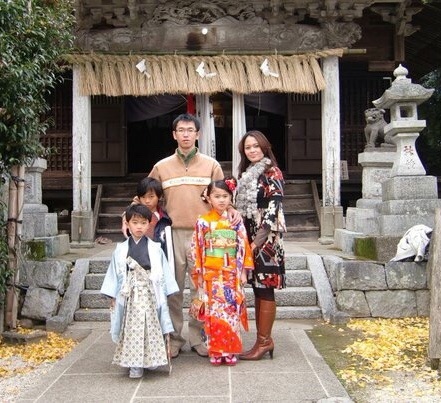
    10. Festival for 7,5,3-year-old children (shichigosan)


    sakurahostel.com.jp
    This is a celebration for children aged seven, five and three. Girls celebrate at the age of three and seven, while boys celebrate at the age of three and five. Parents take their children in kimono to shrines and offer prayers for the children’s health and good fortune.
  • How to distinguish Japanese from Korean and Chinese

    How to distinguish Japanese from Korean and Chinese

    Can you tell if a person comes from a specific country? Before coming to Japan, I had no idea how to distinguish Japanese, Korean and Chinese from one another. I had quite a few experience (when I was in the university as an international student) of trying to speak Japanese to a fellow student who I thought is Japanese, but after all, turned out to be Korean or Chinese (who is new to Japan and cannot speak Japanese). To avoid future embarrassment of assuming someone is not, let me discuss their similarities and differences. This is according to my observations and the opinions of my friends with who I discussed the subject.

    twitter.com

    Similarities

    1. Skin.

    preview.ph

    Japanese, Korean and Chinese, generally, have the same skin characteristics. It is popular that their skin is more resistant to aging and that they have fair, light porcelain-like skin. It is due to extreme sensitivity to environmental factors and chemical effects of some products, which can disrupt the pH balance. For this reason, advertising about skin beauty care in Asian countries is very economical as Japanese, Korean and Chinese (especially girls) have to be more careful with products and treatments they use on their skin. It is even impressive to see the number of skin care products build on the myth that Asian skin would look amazing and healthy for a long time. so, it is hard to tell who is who if you only look at their skin. 


    2. Body built


    theatlantic.com

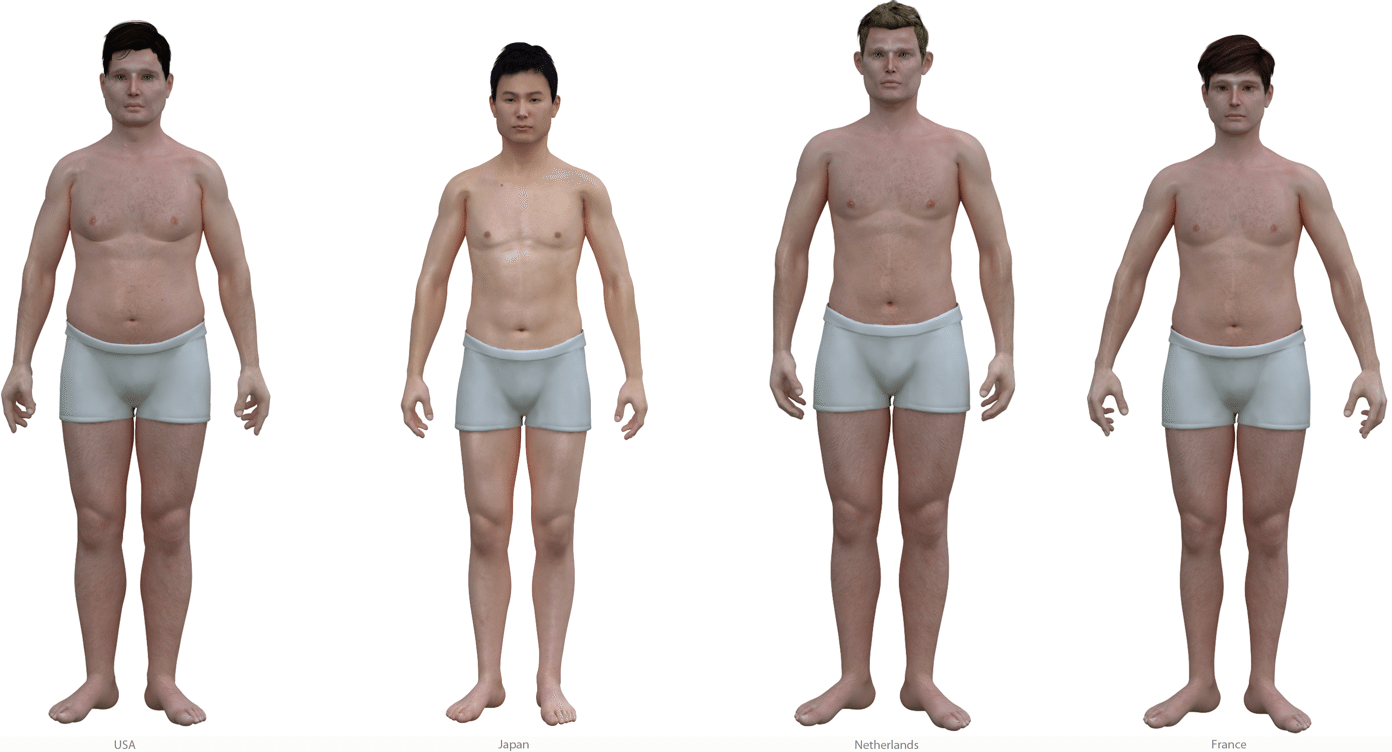
    There are of course differences in body built among Japanese, Korean and Chinese people.  As human as we are, we can be fat, thin, big or small. It all depends on our individual diet and consumption, not to mention our genes. Although we have a general impression as to how, for example, an American body tend to be (tall and big). Asians, specifically Japanese, Korean and Chinese, are typically of slim body built and kind of short in terms of height. But be careful not to label all of them slim and short, because, as I have said, everyone is different. Some can still be tall, big and fat.


    Differences

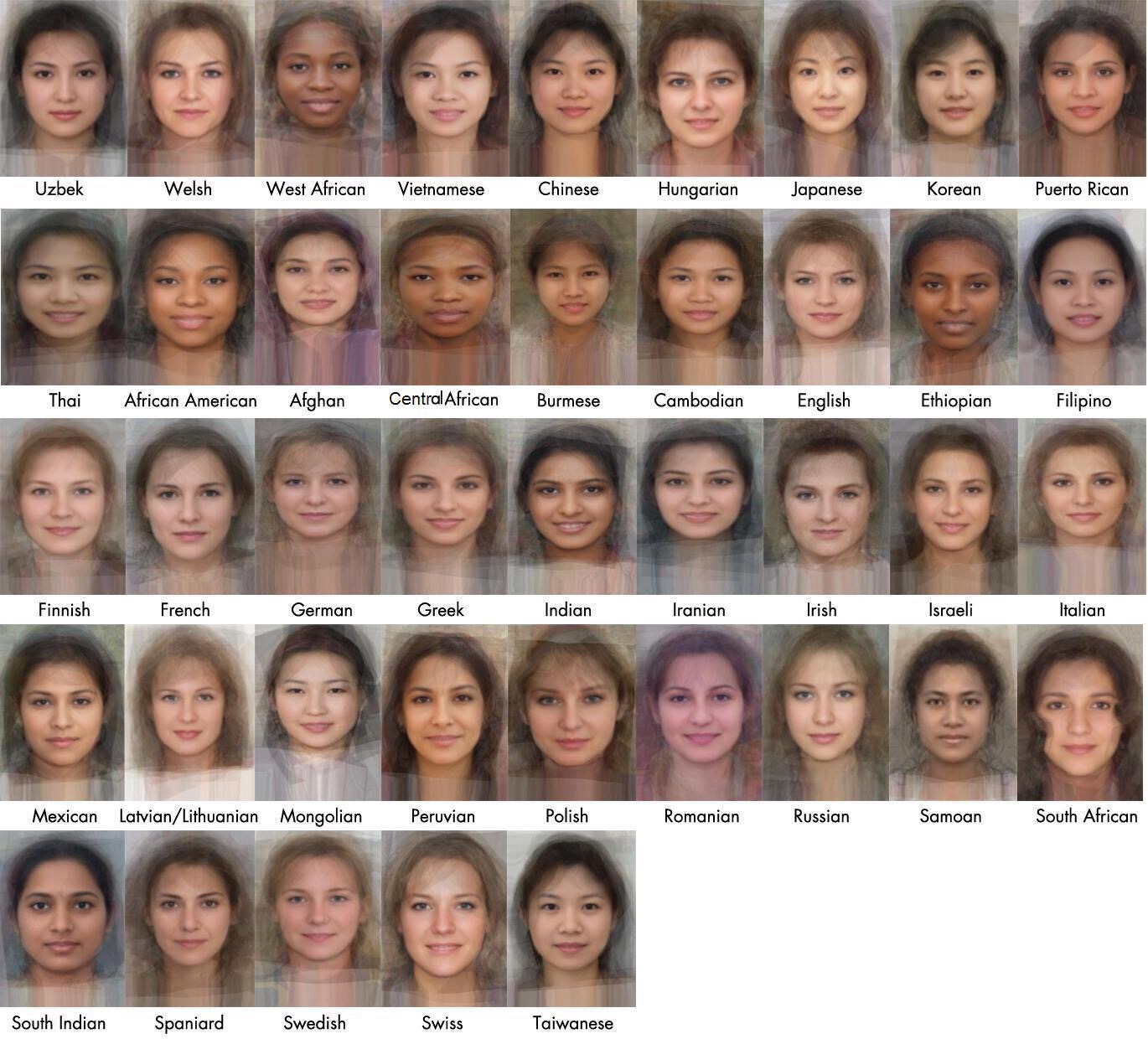
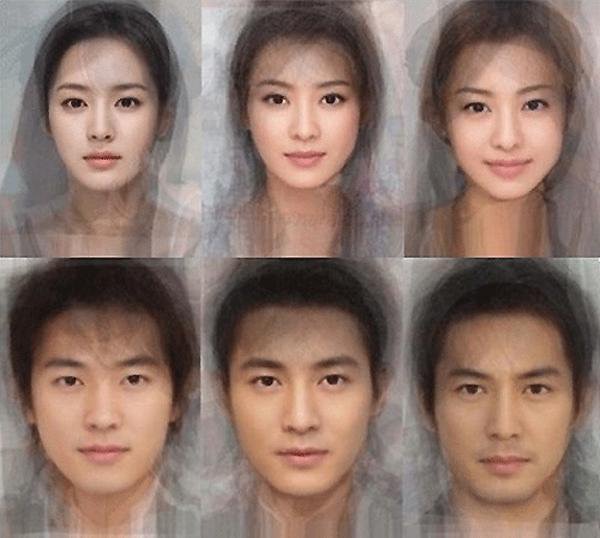
     1. Facial Features.

    onehallyu.com

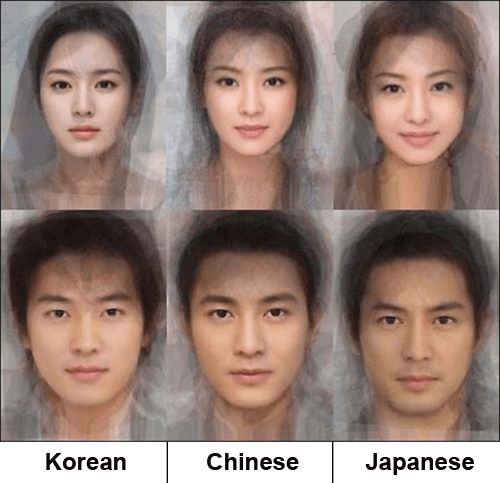
    They may look the same, but if you are a keen observer, there are a few distinguishing characteristics. The Japanese face is generally longer and wider, while the Korean face often has a more prominent jaw and high cheekbones. The Chinese face is typically round in shape. When it comes to the windows of the soul, the Japanese eyes are often described as angled upwards, contrary to the Chinese eyes which are usually angled downwards. Koreans often have smaller eyes.


    2. Dressing style

    Japanese street fashion


    thetokyogirl.com

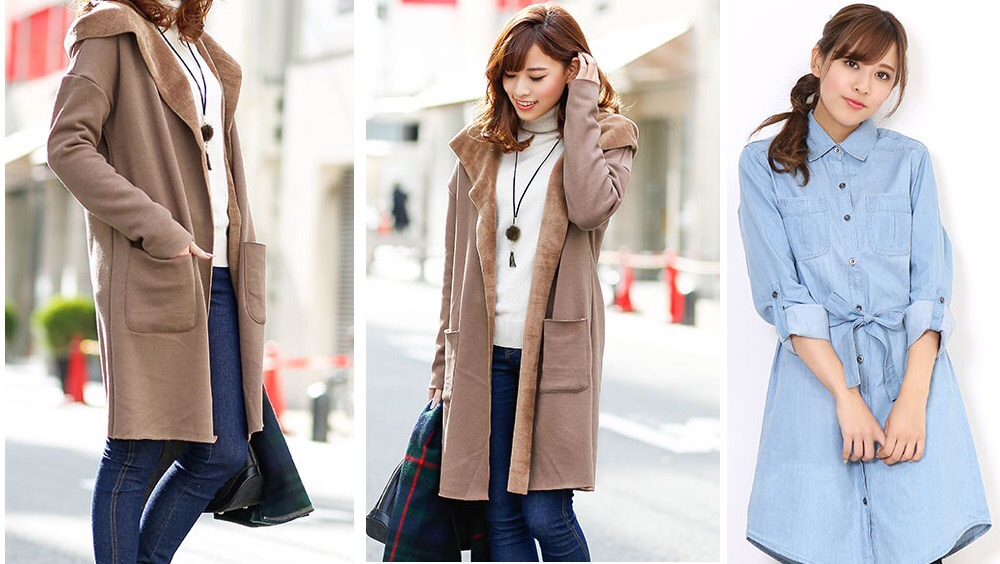
    My Japanese friend told me it is easy to tell whether a person is Japanese or Korean. Just look at how they dress. Japanese people value harmony and uniformity, hence, when they dress up, it is something aimed to blend with the majority. Plain, simple and subtle colors are the key to typical Japanese attire. Nothing that stands out. I observed that wearing suit is very common in Japan. May it be a final (research) presentation in school, a job internship, a job interview, graduation; Japanese usually wear suits, in black and white (inner). Very seldom you can see a coloured inner. 

    kore.am

    Contrary to Japanese, most Koreans wear bright and more colourful attire. I remember my Korean friend said in her culture presentation in school, that, unlike in Japan, they can wear nice colourful dresses when they do their internship and especially during job interview. Chinese, on the other hand, due to its high cultural diversity is difficult to distinguish


    Even up to now, after living for quite some time in Japan, it is still challenging for me to tell which is what, and who is who. Even people of the same race can look different. It is hard to generalize. We can never actually generalize. As the saying goes “Everyone is unique”.

  • Discover Fukuoka, The Queen City of Kyushu

    Discover Fukuoka, The Queen City of Kyushu

    You heard about Tokyo, Osaka, Kyoto and Hiroshima for sure, but what about Fukuoka? Where is it located in Japan? Is it as nice as the other big cities I mentioned?

    Fukuoka City in Fukuoka Prefecture is located in Kyushu, one of the four main islands in Japan. The other three main islands are Hokkaido, Honshu and Shikoku. Most of the big and famous cities are located in Honshu, where the capital Tokyo is. So, whats in Fukuoka?

    People

    Generally speaking, Japanese people are well-known to be kind. They are very disciplined and considerate of others. It is embedded in their culture. On the not so positive side, they tend be shy and rather shun away from foreigners. It is not that case in Fukuoka. Most of the people in Fukuoka are open to foreigners. They are very outgoing and are well-known as the friendliest people all over Japan. They like to engage in conversation with foreigners. Be always prepared to say Konnichiwa and answer questions such as Where are you from? and Why did you come to Japan? anytime.

    Landmarks

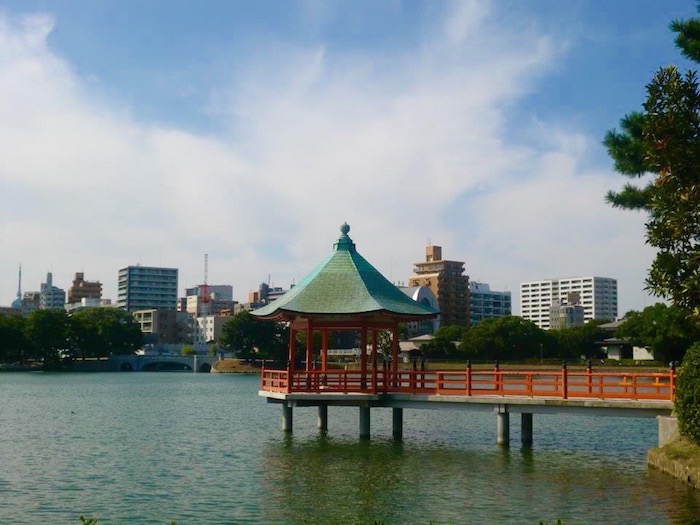
    When in Fukuoka, go to Fukuoka Tower and see the amazing view of the city; go to the nearby Ohori park and take a walk around the big pond; go to Tenjin and shop until you drop; go to Hakata and enjoy the blend of culture and tradition and industrialization. Take note, you can go to anywhere in Japan from Hakata station  the gateway of the city.  Enjoy outdoor recreation in Nokonoshima Island and Uminonakamichi

    Fukuoka Tower

    2 Chome-2-3-26 Momochihama, Sawara Ward, Fukuoka, Fukuoka Prefecture 814-0001

    Ohori Park

    〒810-0051, 福岡県福岡市中央区大濠公園

    Tenjin

    Hakata Station

    Food

    When in Japan, try eating the very popular noodle soup called Ramen. And when its Ramen, it should be Hakata Ramen in Fukuoka. There are so many different flavours of Ramen according to regional taste. But, I bet, the best Ramen is Hakata Ramen. 

    Conclusion

    A gem in the southwest Japan, Fukuoka, is indeed a great vacation destination or more than that, a good place to reside. It might not be as big and famous as other big cities throughout Japan, but it has its own glamour and charm. There are so many fun things you can do and great things you can find in Fukuoka. Go! Get there! Discover and experience it yourself.

  • Gone

    Gone

    When someone very close to us, someone we love,someone we consider a family is taken by an illness

    and is forever gone…

    We look back to old memories,

    recollect the happy times we spent together,

    recall how healthy and happy that person was back then.

    Those memories make us smile and as well make us cry.
    We somehow feel regret for the words being unsaid.

    For missing the opportunity to say we care, to say ‘I love you’. And most of all, we contemplate.

     Why?

    Why so soon?

    Why is life so unfair?

    But, in life, not all questions are answered.

    There’s nothing we can do but gather the pieces of our broken selves and continue to face the uncertainties of life.

  • Rose Festival in Huis Ten Bosch

    Rose Festival in Huis Ten Bosch

    Rose and festival – two completely different words but are both related to love, happiness and celebration. Just imagine these two words being used together. It is indisputably pleasurable experience.

    The Location

    Huis Ten Bosch is a Dutch-inspired theme park in Nagasaki. It is a huge park where the buildings and surroundings would make you feel you are in Europe, but in fact you are in the island of Kyushu, Japan. Here is the location: 1-1 Huis Ten Bosch Machi, Sasebo, Nagasaki Prefecture 859-3292

    You can do so many fun things in this park, but here I will talk primarily about the theme parks Rose Festival occurring in spring(around May to June).


    All About Roses

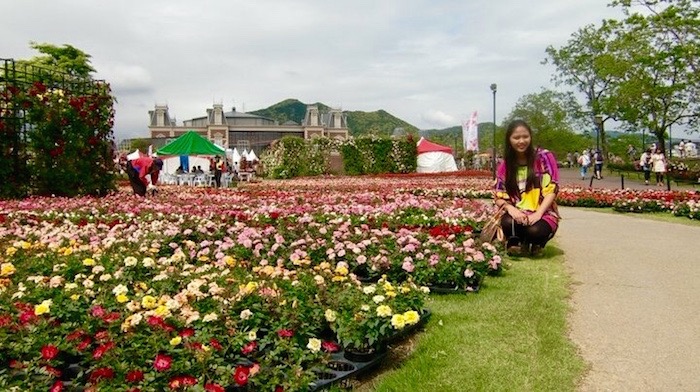
    One of the grandest flower celebrations in Huis Ten Bosch in Nagasaki is the Rose Festival. By the name itself, rose fanatics will certainly go crazy about it. The park boastof its one thousand varieties of rose which blooms in full during this event. There you will see that roses are not just red. There are so many different shades of colors. There are shades of red, pink, purple, yellow, orange. A blast of colors everywhere. Also you will see roses in different sizes and forms. Big, small, tiny. There are even single-petalled roses.The kinds or roses that you may have never seen before. Its absolutely amazing!

    My Experience 

    I can still remember even now how unexplainable the feeling was when I first experienced it four years ago. It was like heaven on earth. I was surrounded with roses. Everywhere I turned, there were roses. I smelled the air, smiled and said ‘cheese’ to my camera. And almost everyone who was there was doing the same. The sweet smell of the air was so amazingly pleasant. It was like I was in a fragrance commercial tipping my head back smelling the air.  It was ecstasy! That spot where roses of all colors and all sizes bloom is more than a ‘bed’ of roses. It was a ‘world’ of roses. 

    Conclusion

    If you like the pictures, how much more in  person? With its pretty colors, soft petals and pleasant fragrant, roses are just wonderful. A true nature’s gift. No wonder why so many girls are named Rose. It doesn’t only mean a flower. It means beauty. It means magnificence.

  • Mask, a Must?

    Mask, a Must?

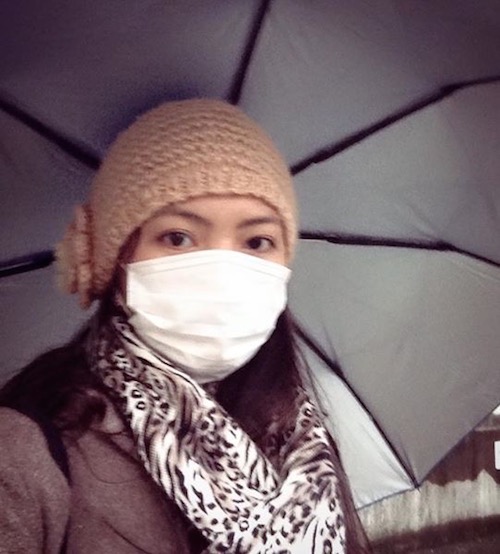
    When I first came to Japan as a visiting relative, I was surprised to see a lot of people wearing masks. “What’s going on? Is there an epidemic?”, I curiously asked my sister who is married to a Japanese and has been living in Japan for many years. She explained that in Japan, it is normal for people to wear masks as protection from diseases and allergies.
    (Photo from http://www.arishaintokyo.com/stuff-and-things/mask-yourself-from-the-flu/)
    Back in my home country, if you wear a mask in any public place or even in the comfort of your own house, you will get that kind of look from the people around you as if you are suffering from a serious disease.
    In my short visit to Japan, I could not avoid feeling weird every time I see a number of people around me wearing masks in public places. I felt like I was in a danger zone or in a scene from a disaster movie that anytime I can get sick and that I need to wear a mask, too, to protect me from the invisible enemy.
    Out of curiosity, I tried wearing one. I was not feeling comfortable with my nose and mouth covered. I felt suffocated. I did not like it. The first time I wore it was not a pleasant experience for me.
    When I came back to work in my country as a teacher, I tried wearing one while writing on the board to shield me from chalk dust and as expected, my students asked me if I was sick.
    Fast forward two years later in a public elementary school in Japan where I worked as an English teacher, I was so surprised when one winter morning, all my studentts wore masks, except me.
    Most of the teachers, too, wore masks . It was the flu season, so  everybody wore masks to avoid catching and spreading the virus.
    It is the one of the Japanese way of being polite and considerate to others. If you’re sick, wear it so as not to spread the virus.
    You can’t get sick and be absent. It’s a crime! But, that is, of course, an exaggeration. Japanese are very work-oriented people and being absent from work or school will mean a big deal.
    Masks are worn not only to avoid catching and spreading disease but I was told that it is also a way of keeping you warm in winter days. Winter in Japan gets really cold so wearing layers of clothing and a mask helps to keep you warm.
    So, is it a must to wear a mask? Well, come and experience Japan and decide it for yourself.