Anything Under the SunCultureJapan Living
Why do so many Japanese commit suicide?

 worldknowing.com
1. Overrated
 etsy.com
Suicide happens everywhere. A sad fact that some people on their individual struggles on this lovely earth choose to not continue fighting and make a permanent rest. “Jisatsu” as called in Japan, suicide is a universal occurrence. Japan is not alone. And more importantly, Japan is not the leading country with high suicidal rate. In fact, Japan is only at the eighteenth out the twenty-five countries with the world’s highest suicidal rate. On the fifth spot is Lithuania, Sri Lanka fourth, South Korea third, North Korea second, and Guyana on the top (http://list25.com/25-countries-with-the-highest-suicide-rates-in-the-world/2/). Japan is not even in the top ten list.
In my own opinion, it might be because Japan’s crime rate is really low and the news companies has nothing else to talk about but the self-inflicted crime such as suicide. In other countries, there are more pressing issues in the society that talking about those who commit suicide takes a back seat. Media plays a big role about societal issues. The more the issue circulates in the media, the more it appears to be prominent than what it is in reality.
2. Societal Attitudes
Maybe you have read somewhere how good and harmonious the Japanese are. How well they follow rules as embedded in their “atarimae” culture. Atarimae in English means natural, reasonable. They do what is right because it’s “atarimae”. It is the natural thing to do. It is natural to throw garbage in the proper place. It is natural to fall in line and wait for your turn. It is natural to resign from your job when accused of something. And sometimes, it is natural to end your life when you are in trouble and the trouble you are in causes troubles to others. Like when a head of a company fails to do his job and put the company in a terrible situation. Or an old person suffering from a disease and needs to be taken care of by his family. They don’t want to trouble others so they chose to end their lives. Japanese also value honesty and integrity. That when they are put into a disgracing situation, a scandal that tarnishes their names and reputation, they find it very difficult to handle and impossible to repair. A situation that can only be escaped by disappearing. Of course, this does not happen to every Japanese. Only to a very few.
3. Historical Values
 io9.com
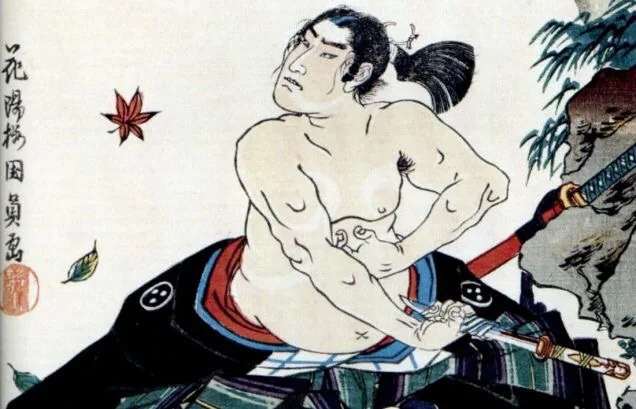
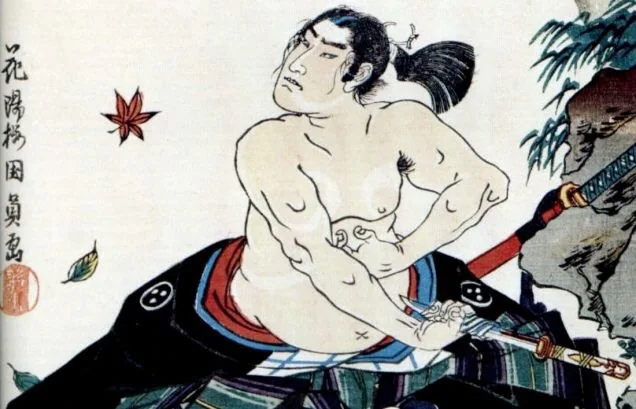
In the old Japanese society, a ritual suicide by disembowelment called “seppuku” also called “harakiri” was formerly performed by Japanese samurai. Seppuku literally means “stomach cutting”. The samurai committing seppuku would use a small knife called a dagger and cut their stomach while another samurai acting as their second lopping off their head. This highly ritualized form of suicide, a part of samurai’s bushido (samurai’s way of life) was abolished as a capital punishment in 1873. But even after the abolishment, voluntary seppuku goes on in the military grounds. This behavior is said to be widely praised by propaganda. I bet this could be one of the reasons why some Japanese still commit suicide. It is in the culture. It is in the history.
In the end, we cannot really tell the reasons why some Japanese commit suicide because I believe that the best person who can tell us is the person committing the act itself, which, unfortunately, is impossible to achieve unless you see them and talk to them in the other side of the world.
Reader responses