ALT LifeAnything Under the SunCultureJapanJapan LivingPlaces
Japanese Elementary School Tour Part 1

Japan is a highly educated country. It’s government invest a great amount of its resources on the education sector which is evident on the school resources and facilities. Educational institutions all over Japan are fully equipped and is therefore a very good training ground for schoolchildren.
In this article, I will take you inside a Japanese elementary school for you to see and take inspiration in creating an excellent learning environment. Let’s now start our school tour.
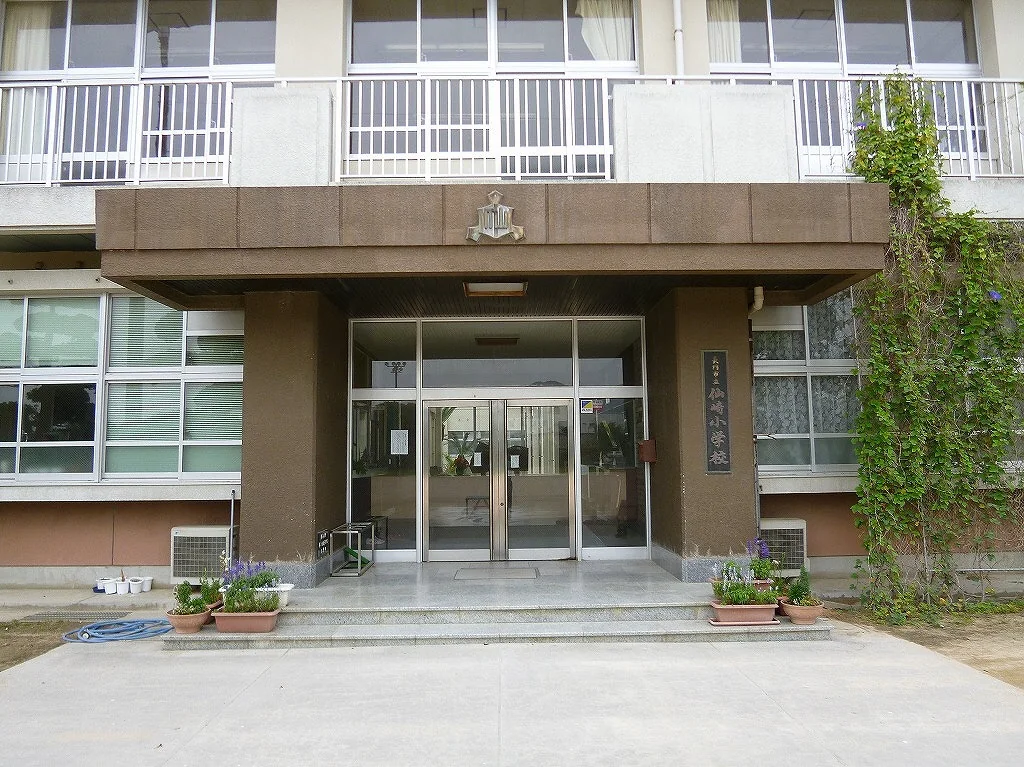
Entrance (Genkan)
Photo unavailable in the source archive.
seturakai.seesa.net
It is very common to have a floor step (a step or two) in the school entrance. It is always elevated from the ground. In the entrance, you will see the school logo and the school name. Take note that the entrance for students is separate from the entrance for teachers and other school workers.
Shoebox (kutsubaku)
Photo unavailable in the source archive.
suginami-school.ed.jp
Photo unavailable in the source archive.
schoolnet.edu.city.yokosuka.kanagawa.jp
In Japan, one needs two sets of shoes when going to school. Outdoor shoes and indoor shoes. Upon entering the school entrance, outdoor shoes are put in the shoebox and indoor shoes are used. These shoeboxes are labeled per grade, per class, and per students on each box. The same goes with the teachers. Don’t worry if you visit a school. There are always indoor slippers ready for visitors.
Hallway (Roka)
Photo unavailable in the source archive.
todagumi.com
Right after the entrance and the shoeboxes is the hallway. The hallway leads to the different parts of the school. This is also where posters and announcements are being displayed.
Principal’s Office (Kochoshitsu)
Photo unavailable in the source archive.
asahi.com
Photo unavailable in the source archive.
tokiwae.blog.fc2.com
The Principal,’as the school’s highest official has a very nice working space, the Principal’s office. It usually has sofa to entertain special guests and a nice long table to conduct important meetings.
Teachers’ Room (Shokuinshitsu)
Photo unavailable in the source archive.
tatemono.art-saitama.jp
Photo unavailable in the source archive.
education.city.nonoichi.ishikawa.jp
The teachers before and after their classes stay, meet and work in the Teachers’ Room. Each teacher has her own table and chair. The tables are lined-up side by side and fronting each other. The tables are grouped according to grade level. The top three school officials (Principal, Vice-Principal and Head Teacher) are positioned in one side of the room with their tables also lined up.
Registrar’s Office (Jimushitsu)
Photo unavailable in the source archive.
tue.edu.city.iwakuni.yamaguchi.jp
Photo unavailable in the source archive.
tochigi-film.jp
The Registrar’s office is where the non-teaching personnel work. School visitors can inquire from here. Teachers also get their school supplies from this room. Everything a teacher needs in class: paper, clips, rubber bands, laminating film, etc.)
Printing Room (Insatsushitsu)
Photo unavailable in the source archive.
cms.gifu-gif.ed.jp
As the school is a paper tiger, a printing room is indeed necessary. Here teachers can do their photocopying and other printing needs. This room is complete with paper cutters and all sizes and sorts of paper.
Toilet (toire/benjo)
Photo unavailable in the source archive.
komei.or.jp
Toilets are found on each floor of the school. Boys are separate from girls, as well as the teachers toilet with separate females and males.
Toilets are supplied with unlimited tissue and hand soap. It is kept very clean. Indoor slippers are not used inside the toilet. Toilet slippers are used instead.
Library (toshokan)
Photo unavailable in the source archive.
caritas.or.jp
Usually on breaktime between the second and third period and after lunch students go to the library. Japanese elementary schools really promote reading among students. They even have a chart to show who has read the most number of books and they also have a regular list of reccomended books to read.
Clinic (hokenshitsu)
Photo unavailable in the source archive.
weblog.citi.hamamatsu-szo.edu.jp
School clinics are so cool and relaxing. A very accommodating place for kids who get sick while in school. Plus, the school nurse is very kind. The school clinic gets crowded when it’s time to measure students height and weight or if they have dental or eye check up, and in winter when flu spreads.
Pantry (kyuushokushitsu)
Photo unavailable in the source archive.
kurodamich.exblog.jp
Most schools have their own pantry where the school lunch is being prepared. This area gets very busy during lunchtime when students get their food and utensils and later when they return them after eating. Other schools don’t have pantry but there is a separate area called kyushoku center located where they prepare the lunch for the school’s within the community.
Let’s have a break. Sit back and relax. Let’s continue our school tour in the next article. In the next part, let’s go outside the main building of the school and see what’s around. See you in a short time.
Reader responses